
Optimized thermal transfer and direct thermal label configurations designed for local compliance and extreme operations.
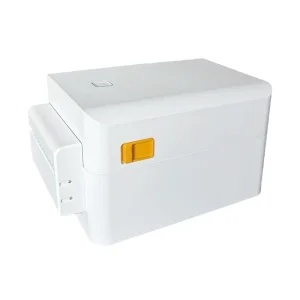
Melbourne Express Warehousing Edition featuring high-durability tear bars and automated label calibration.
View Technical Specifications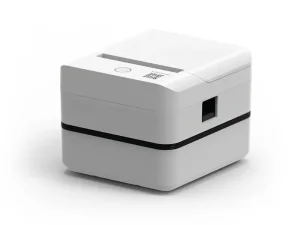
Melbourne Retail & Logistics POS Edition with wireless dynamic pair capabilities and long-life battery.
View Technical Specifications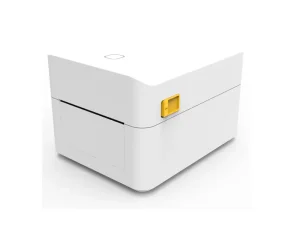
Victoria Fleet Logistics Edition. Bluetooth enabled for seamless field-agent shipping operations.
View Technical Specifications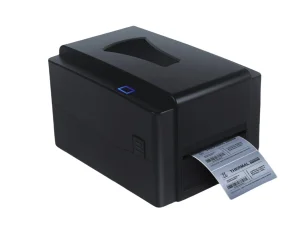
Melbourne Heavy Manufacturing Edition. Engineered for chemical and extreme temperature labeling compliance.
View Technical SpecificationsCritical analysis of regional logistics, cold-chain compliance, and supply chain demands across Victoria.
Melbourne stands as Australia's premier freight and logistics powerhouse. With major logistics complexes spreading across the western plains from Tullamarine to Altona and south-east down to Dandenong, the demand for ultra-reliable barcoding and shipping labels is continuously rising. The Port of Melbourne, serving as Australia's busiest container port, processes upwards of 3 million TEUs annually. Within this rapid distribution environment, print failure is not simply an inconvenience—it represents costly supply chain delays and substantial non-compliance fees.
Modern enterprises operating in Victoria face unique environmental and regulatory challenges. Direct sunlight and high summer temperatures exceeding 40°C in warehouses across the northern corridors demand label print mechanisms that can sustain contrast without thermal degradation. Furthermore, strict requirements set by Australia Post, DHL, and local supermarkets like Coles and Woolworths necessitate precision SSCC (Serial Shipping Container Code) and GS1-compliant thermal printing. Any variance in print head quality, line consistency, or edge contrast can prevent optical scanners from parsing barcodes, triggering stock returns and administrative penalties.
From an operational standpoint, procurement managers look for equipment that delivers high reliability and low total cost of ownership. The integration of high-performance thermal print mechanisms within automated packaging lines, postal kiosks, and mobile courier carts has transformed how Victorian businesses handle high-throughput logistics. OPOS partners with local integrators to provide reliable hardware configurations, combining high-resolution performance with the wear resistance needed for industrial applications.
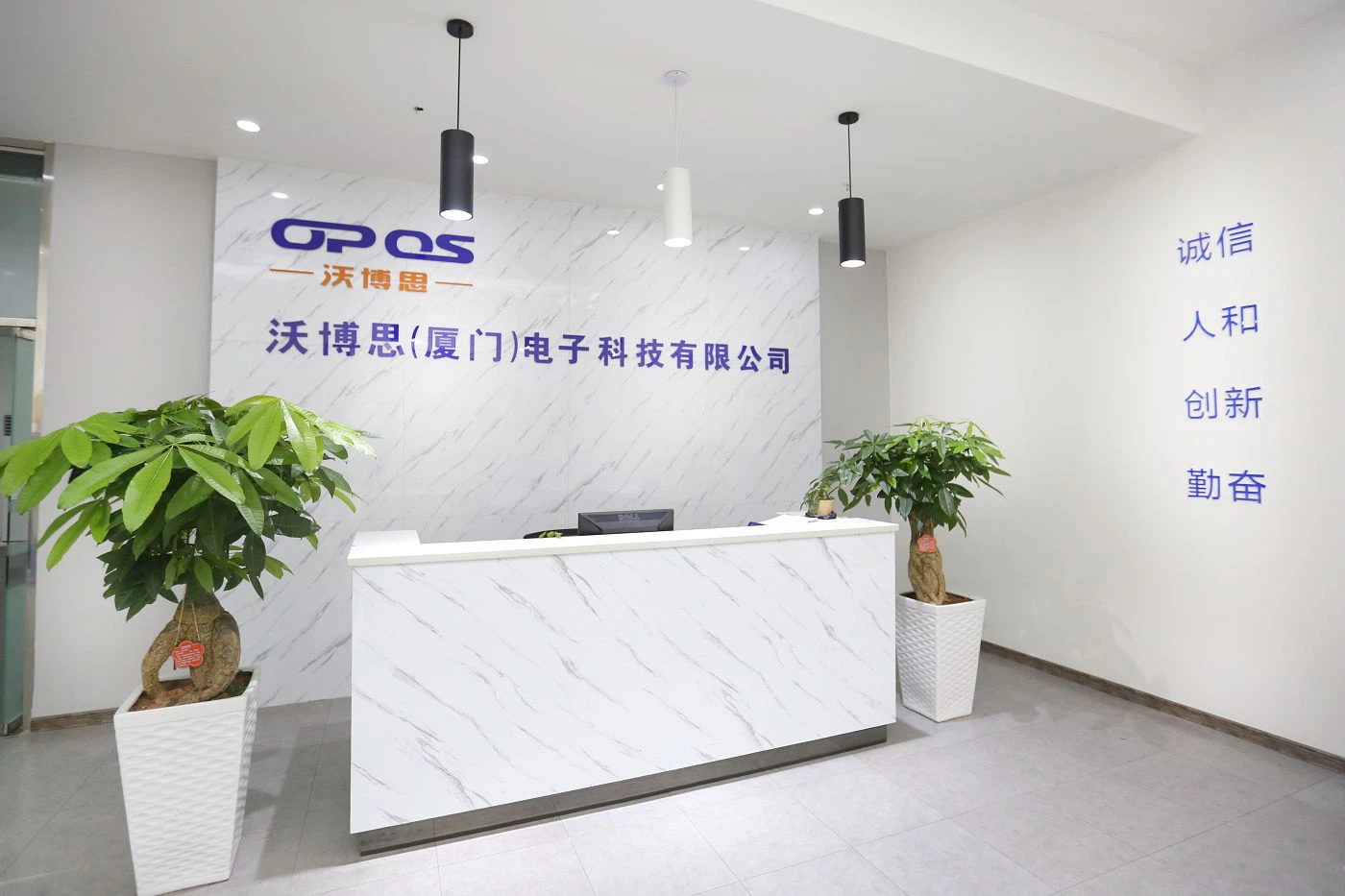
OPOS (Xiamen) Electronic Technology Co., Ltd. was established in 2005 and is located in Xiamen, Fujian Province, China. We are proud to be one of the pioneering domestic printer mechanism factories, recognized for early-stage research, design, and manufacturing of dot matrix and high-speed thermal printing mechanisms.
As a certified high-tech enterprise, OPOS specializes in the engineering, custom ODM/OEM development, and global distribution of Thermal Printers, POS Printers, Label/Receipt mechanisms, and heavy-duty automatic cutter components. Our technical teams focus on delivery of precise mechanical alignments and stable firmware execution to satisfy heavy industrial demands.
Over the past two decades, our factory has steadily built a solid reputation for quality, exporting to over 20 countries. We continuously invest in R&D to meet the challenging standards of markets worldwide, including Australia, Europe, and the Americas.
Insight into raw material developments, driver firmware design, and technical criteria shaping B2B sourcing decisions.
For B2B buyers in Melbourne, hardware pricing is only a single piece of the overall equation. The cost of printer downtime, replacement print heads, and label stock wastage accounts for a significant portion of long-term operational expenses. High-grade thermal print heads designed with diamond-like carbon (DLC) protective layers resist the abrasive friction of paper dust and chemical coatings on synthetic labels, significantly extending print head life past 100km of printed media.
Modern warehousing calls for label printing hardware that integrates out-of-the-box with leading Warehouse Management Systems (WMS) and ERP platforms like SAP, Oracle, and NetSuite. OPOS printers utilize robust Command Emulations (ESC/POS, TSPL, EPL, ZPL) alongside reliable SDK support across Windows, macOS, Linux, and mobile OS frameworks (Android/iOS) to allow for smooth system configuration and integration.
Sustainable operations represent a core focus for the Australian supply chain. Conventional labels generate substantial release liner waste, which goes straight to landfill. The industry is actively shifting toward linerless thermal label printers. By removing the silicone backing, businesses can print up to 40% more labels per roll, reducing shipping weights and eliminating disposal issues for operators across Melbourne.
Modern smart logistics setups need smart printing units. Next-generation thermal print mechanisms incorporate intelligent heat control sensors and real-time resistance monitoring. These diagnostics allow network administrators to predict print head wear and clean components before errors emerge, ensuring continuous, high-speed automated print-and-apply performance.
Why leading global integrators choose OPOS for industrial hardware deployment.
We supply complete customized mechanisms, custom housings, custom firmware configurations, and custom communication protocols to integrate with existing automated setups.
We manage print head and mechanism engineering internally, ensuring deep quality control, lower component margins, and stable firmware updates.
Our technical team provides swift troubleshooting, direct configuration support, and hardware replacement support to keep production lines moving.
Every industrial thermal mechanism and desktop printer is backed by a full 12-month quality guarantee, component supply, and mechanical warranties.
Technical innovations and print mechanical breakthroughs in our development pipeline.
At OPOS, our technical roadmap focuses on addressing precision, mechanical durability, and eco-friendly printing. Traditional thermal mechanisms rely heavily on constant electrical current pulses to heat print head resistors. Our next-generation micro-controllers use Adaptive Heat Management (AHM), which dynamically computes previous activation cycles to calculate the target thermal output. This reduces overall power consumption by up to 25%, improves edge crispness, and reduces thermal fatigue on the thin-film elements.
We are also enhancing our automated cutting modules. Standard POS and label cutters encounter dust buildup, causing mechanical jams. Our updated rotary and guillotine cutters feature hard-coated, self-sharpening steel structures, rated for up to 1.5 million clean cuts. These mechanical improvements, combined with our direct drive gearboxes, prevent belt slip and ensure clean label cuts across both synthetic and direct thermal materials.
Industrial label configurations tailored to local sectors.





Ensuring electrical safety, environmental protection, and mechanical validation for Australian standards.
Operating in the Australian market requires strict adherence to local regulatory frameworks. Electrical components imported and used in Melbourne must comply with the Regulatory Compliance Mark (RCM), indicating compliance with all applicable ACMA (Australian Communications and Media Authority) regulatory arrangements, including electromagnetic compatibility (EMC) and electrical safety. OPOS thermal printer mechanisms and desktop printers are designed and tested to meet these electrical parameters, preventing interference with other machinery on the warehouse floor.
From a chemical standpoint, the use of Bisphenol A (BPA) in thermal paper coatings is under tight scrutiny worldwide due to environmental and health concerns. Our print mechanisms are optimized to operate with BPA-free and phenol-free paper stocks, maintaining dark print contrast and clean edges without requiring excessive heat, which can degrade sensitive chemical coatings. Additionally, our factories follow strict ISO 9001:2015 quality control systems and comply with RoHS directives, ensuring that harmful materials are kept out of our production cycles.
Select from our industrial thermal mechanisms and high-output desktop printers with direct shipping to Victoria.
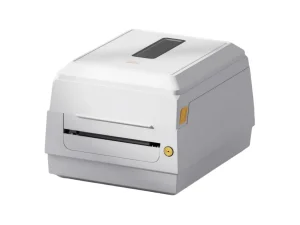
Melbourne Heavy Logistics Edition. Supports dual printing modes for long-term storage labels.
View Specifications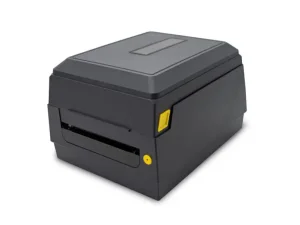
Victorian Manufacturing Standard Edition. Featuring heavy-duty motor drives and large ribbon capacity.
View Specifications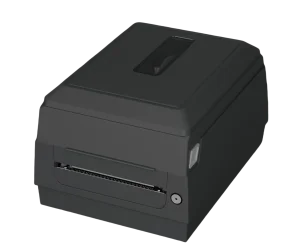
Melbourne Automated Distribution Edition. Built-in network port and automatic label calibration.
View Specifications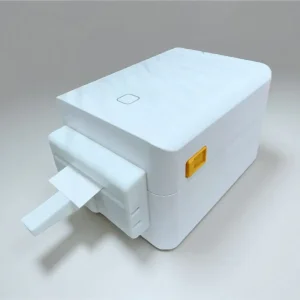
Melbourne Eco-Logistics Edition. Heavy-duty cutter unit engineered for linerless adhesive materials.
View Specifications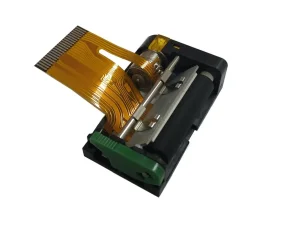
Melbourne Smart Kiosk Integration Edition. Compact layout designed for ticket printing systems.
View Specifications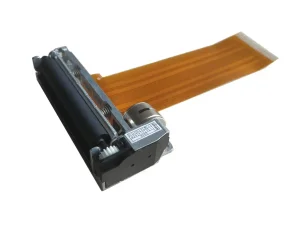
Melbourne POS Terminal Edition. Ultra-low operating voltage for small POS receipt machines.
View Specifications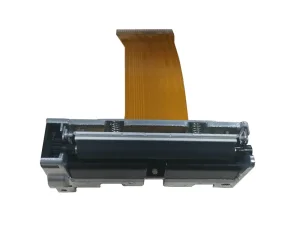
Melbourne In-Vehicle Mobile Printing. High shock absorption mechanism for field-courier receipt printing.
View Specifications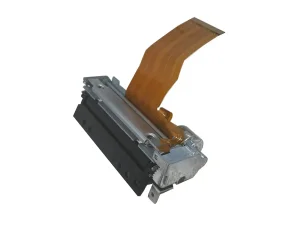
Vertical installation edition. High-speed mechanism designed for self-serve parking kiosk setups.
View SpecificationsTechnical answers for engineers, procurement managers, and systems integrators in Melbourne.
Stay updated on our manufacturing developments and exhibition schedules.
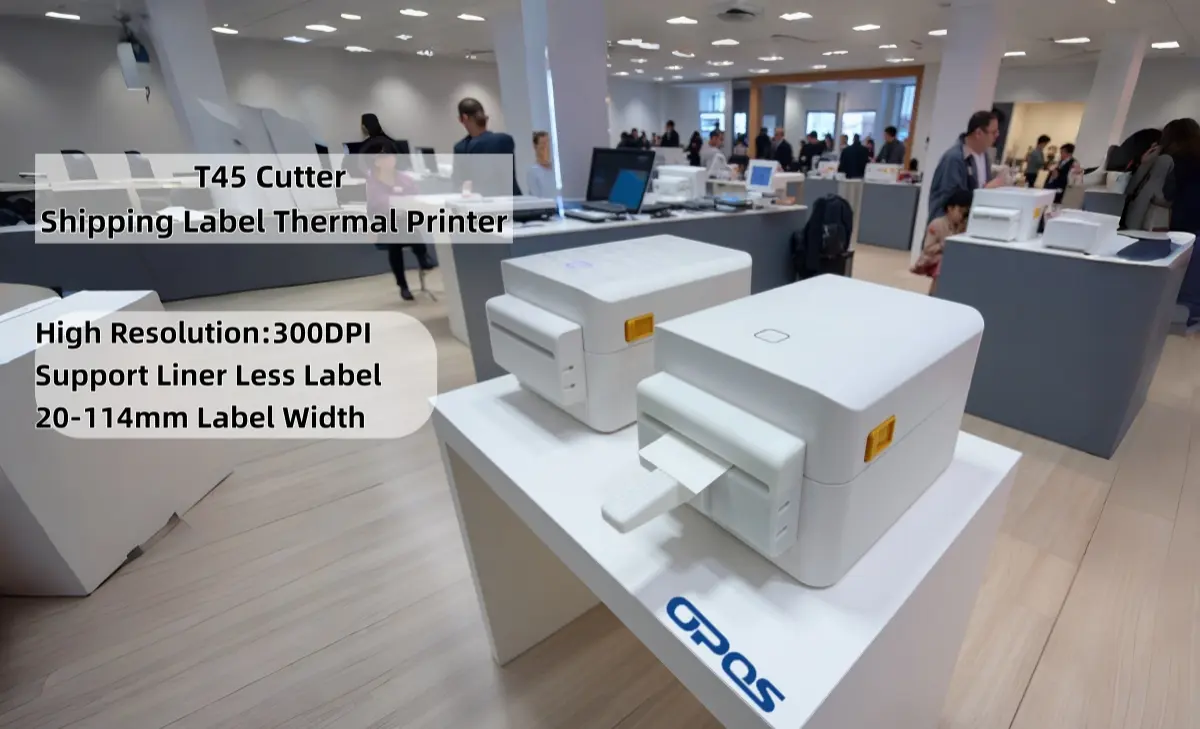
Xiamen OPOS Printer has released a new series of high-precision thermal mechanisms designed for industrial barcode labeling applications.
Read More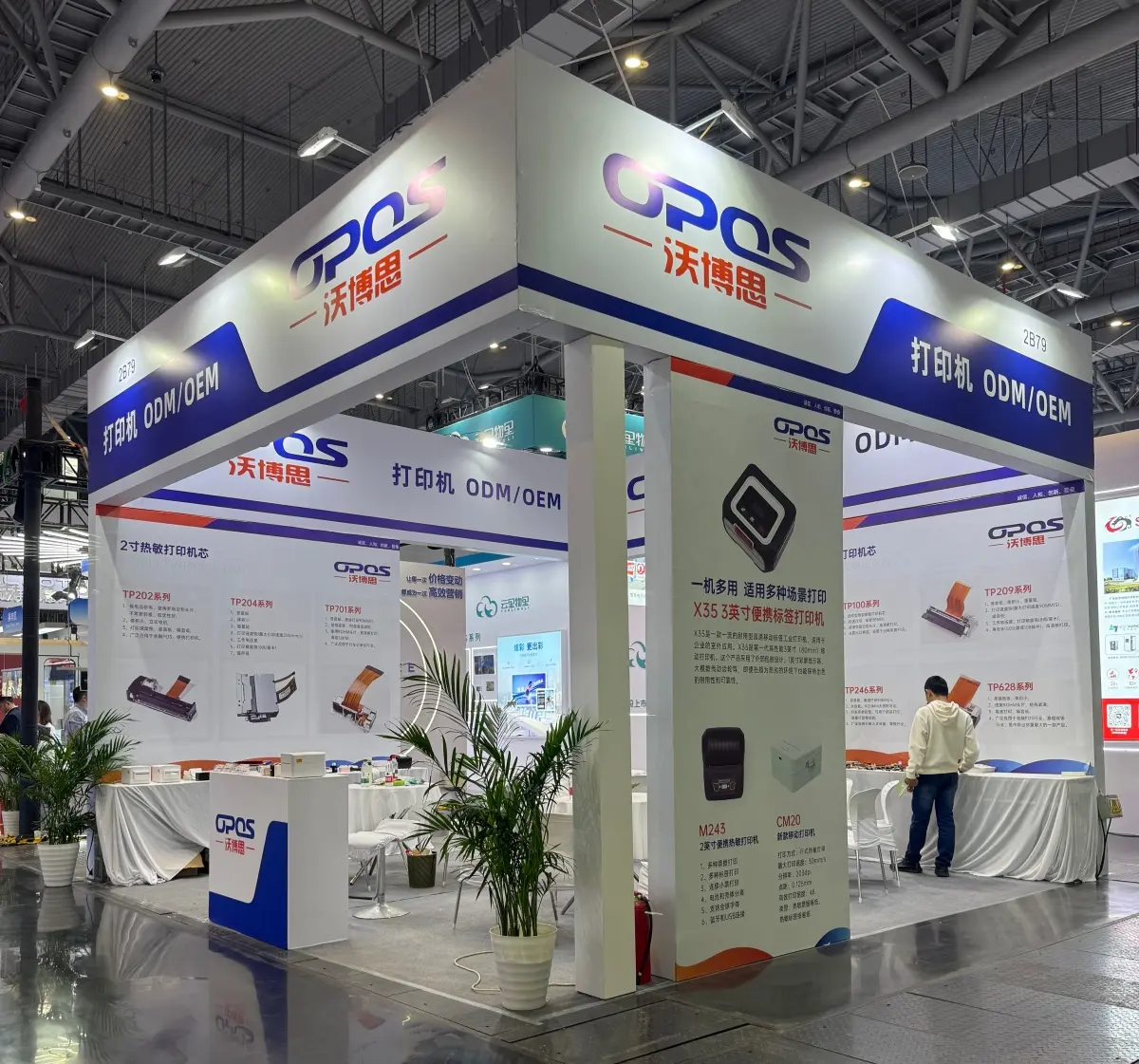
Our engineering team recently presented our latest compact receipt and barcode label printers at the ChinaShop Exhibition.
Read More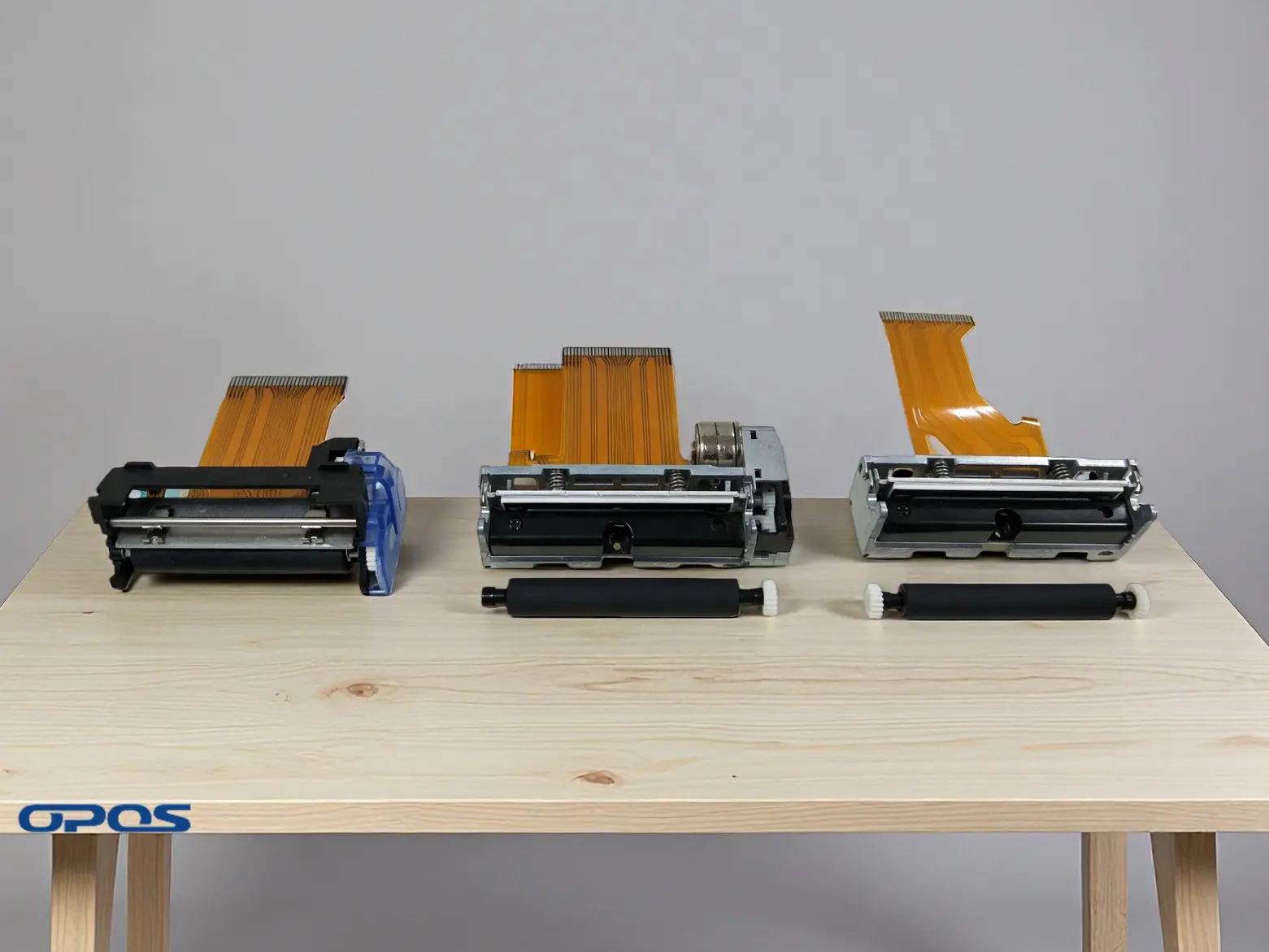
A detailed guide exploring thermal printing mechanics, dot-density configurations, and preventive maintenance tips.
Read MoreWhether you require bulk delivery of OEM desktop label printers, drop-in replacement mechanisms, or customized firmware configurations for automated warehousing in Melbourne, our team is here to assist.
Send Inquiry Now