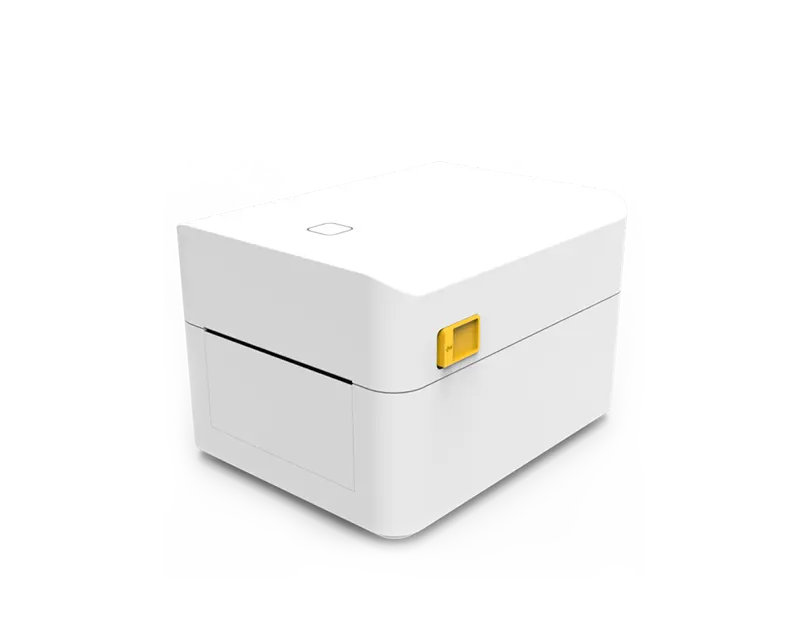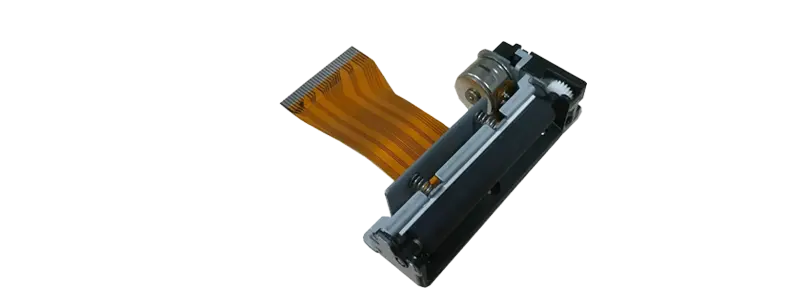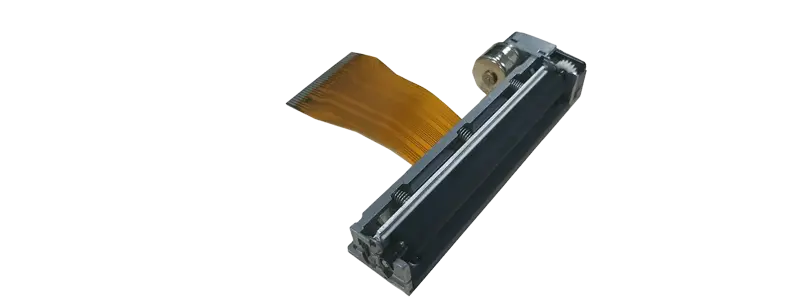
Engineered for consistent operation under harsh sand, dust, and localized temperature extremes across Baghdad, Basra, and Erbil.
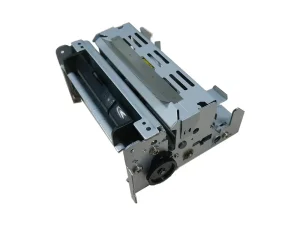
Designed for industrial integration, providing reliable high-speed thermal ticketing in local warehouse environments.
Product Details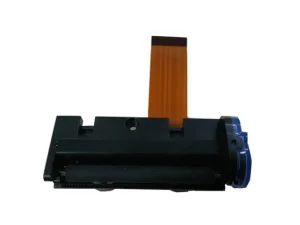
Compatible with APS SS205-HS. Features low voltage support and excellent heat dissipation for harsh checkout counters.
Product Details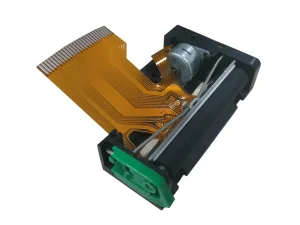
Compatible with APS MP205-LV. Highly reliable performance designed for public utilities and telecom recharge terminals.
Product Details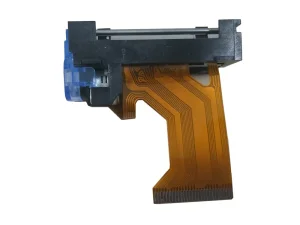
Compatible with APS ELM205-HS. Built for ruggedized handheld billing and heavy traffic petroleum terminal services.
Product DetailsAs Iraq shifts aggressively toward institutional digitization, financial restructuring, and infrastructural rehabilitation, the reliance on field-tested, rugged hardware components has reached a critical peak. While cloud-native databases and digital transactions are scaling up in urban zones like Baghdad, Erbil, Basra, and Najaf, the physical receipt, tax-compliant invoice, and warehousing shipping label remain non-negotiable legal and operational tools. This is particularly evident in sectors operating under challenging environmental conditions where standard consumer-grade electronics inevitably fail.
Industrial integrators and public service contractors in Iraq face unique challenges: high ambient dust loads carrying fine silica sand, extreme seasonal temperature ranges exceeding 50°C, and irregular voltage profiles from municipal power grids. Whether building ATM systems, public utility checkout points, mobile receipt machines for regional distribution fleets, or rugged ticketing systems for terminal cargo, selecting the right dot matrix printer mechanism and thermal printing engine is the foundation of structural reliability.
"In the desert climate of Iraq, mechanical design is the ultimate safeguard. Thermal printer mechanisms and dot matrix engines must balance structural heat dissipation with dust-exclusion pathways to sustain an MTBF (Mean Time Between Failures) exceeding 100 kilometers of paper throughput."
The commercial sectors in Iraq are experiencing structural shifts. Retail supermarkets, telecom kiosks, and petroleum distribution systems are migrating away from manual paper tracking to automated POS (Point of Sale) networks. In tandem, the Central Bank of Iraq (CBI) has pushed for standardized billing interfaces to combat tax evasion and monitor logistics. The implementation of tax-invoice schemes requires hardware that can rapidly output clear, long-lasting records.
Furthermore, Iraq’s position as a global logistics hub (linking the Umm Qasr port system to inland refineries and northern commercial routes) demands heavy-duty barcode printing. Label systems must survive trans-desert shipping, where high friction, sunlight, and humidity in the southern port of Basra require robust industrial thermal transfer and direct thermal label printers.
Custom compatible units engineered to slot directly into existing global-brand terminal configurations with minimal integration friction.
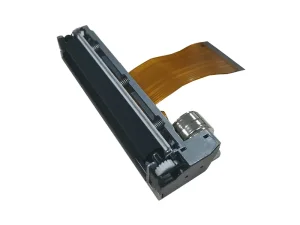
Compatible with FUJITSU FTP-638MCL101. Offers ultra-fast, low-noise wide receipt generation for delivery logs.
Product Details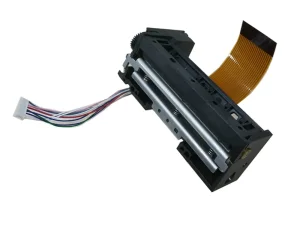
Compatible with SEIKO LTPV345C. Highly optimized electrical integration for industrial flow-meters.
Product Details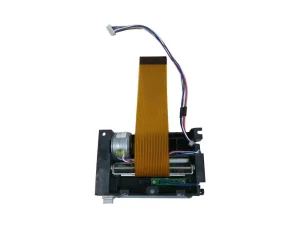
High-reliability receipt printers designed for robust, long-term continuous transactional service.
Product Details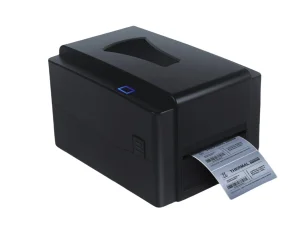
High resolution barcode printer designed to produce extreme-durability labels for shipping pipelines.
Product DetailsWhen specifying printing mechanisms for industrial or public service systems in Iraq, hardware designers are faced with a strategic choice: Dot Matrix (Impact) Mechanism or Direct Thermal/Thermal Transfer. The decision relies heavily on the environment, longevity requirements, and document utility.
In outdoor structures (such as desert gas station dispensers or roadside customs checkpoints), thermal paper can degrade rapidly if left exposed to intense direct sunlight and temperatures that hover around 55°C. For permanent record keeping, dot matrix mechanisms are highly reliable. By utilizing mechanical pins that impact ink ribbons directly onto standard paper, the output is virtually immune to heat degradation. Conversely, direct thermal printheads are faster and quieter, making them ideal for high-speed indoor retail checkouts, banking queues, and logistics centers where receipts are only required temporarily.
Fine sand particles act as a destructive abrasive on moving printer components. OPOS mechanisms mitigate this through three primary engineering paths:
1. Reinforced Stepper Motor Gears: Metal alloy gears are deployed to replace standard structural plastics, preventing teeth breakage when dust breaches the housing.
2. High-Hardness Cutter Blades: Integrated auto-cutters utilize premium hardened steel with a rating of up to HV900 to ensure clean cuts, even in dusty setups.
3. Anti-Static Grounding Pathways: Specialized electrostatic discharge (ESD) points prevent the build-up of static electricity, which naturally attracts fine dust particles.
OPOS (Xiamen) Electronic Technology Co., Ltd. brings twenty years of core R&D expertise to localized market needs.
We supply bespoke electrical interface designs, custom gear shapes, and specialized frames tailored for demanding applications.
We fully control the design cycle, hardware engineering, software development, and QA testing for all thermal mechanisms.
Our global engineering desks offer immediate hardware troubleshooting, integration assistance, and driver customization support.
All mechanical printing devices ship with a 12-month quality warranty alongside dedicated parts-replacement pipelines.
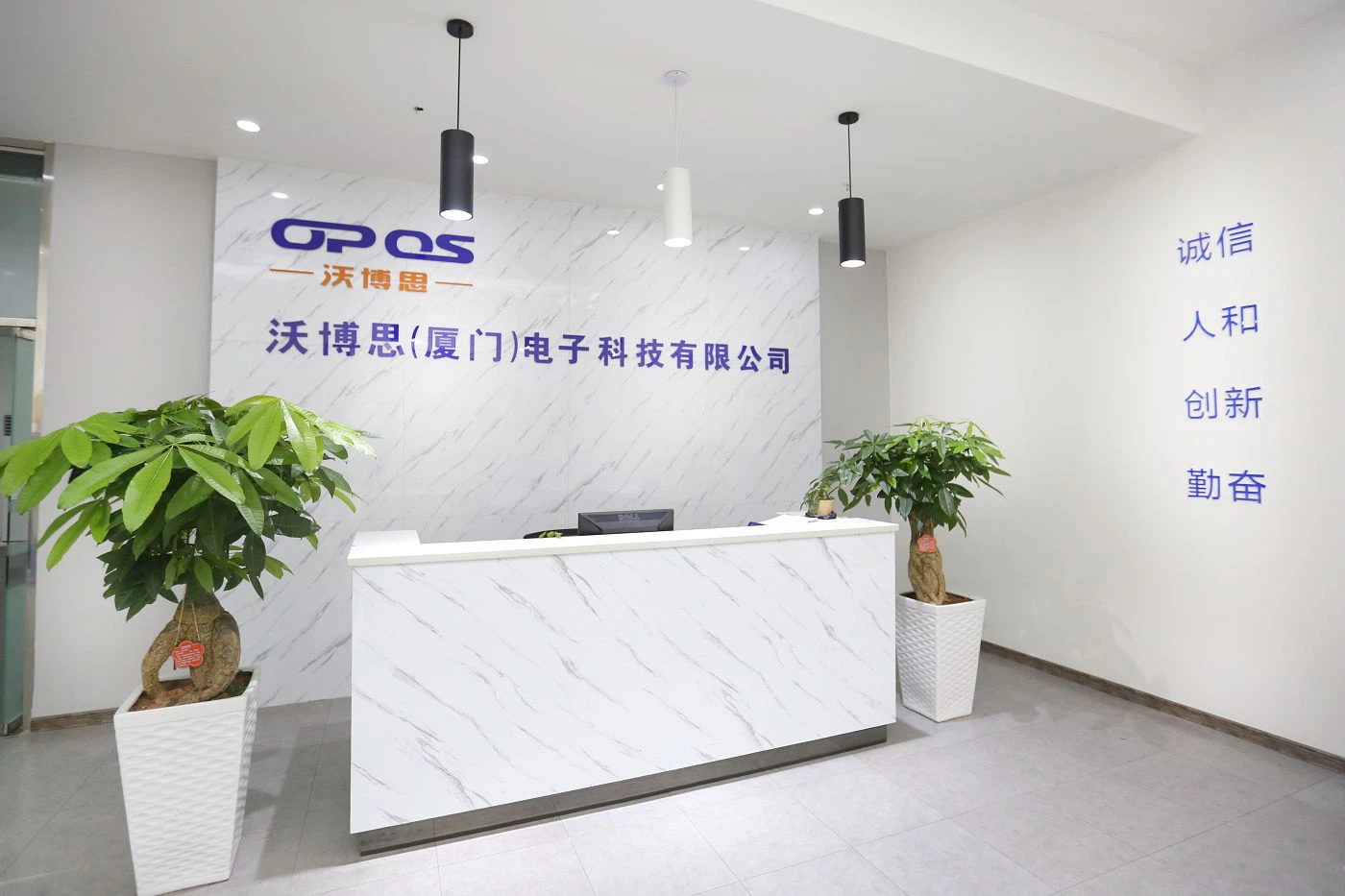
Established in 2005 in Xiamen, Fujian Province, China, OPOS is a leading pioneer in the development of modern printing mechanisms. We were among the first domestic developers to master early dot matrix printer mechanism technology and subsequently scale up precision manufacturing.
Today, as a certified high-tech enterprise, we design, manufacture, and export thermal printers, POS printer mechanisms, label and receipt printers, impact dot matrix printer mechanisms, and reliable auto-cutter assemblies worldwide.
Consult Our EngineersIntegrating printing hardware components into large-scale public kiosks requires detailed attention to electronic, mechanical, and logical configurations. Our mechanisms support a broad suite of interface cards, controller boards, and software SDKs to facilitate rapid deployment across local software suites.
In many districts across Iraq, power fluctuations can easily damage sensitive logic circuits. To combat this, OPOS thermal and dot matrix printer controller boards are built with a wide input voltage tolerance (typically 24V ± 10%) and feature overcurrent, thermal protection, and voltage surge protection filters.
For business transactions, systems must print clean, legible receipts in Arabic (as well as Kurdish in northern regions, alongside English). Our firmware supports full dynamic line-shifting, right-to-left layout generation, and Arabic fonts pre-loaded in flash memory, eliminating text formatting issues at the POS terminal.
Whether your systems are built on embedded Linux, legacy Windows CE, standard Windows, Android, or iOS, OPOS provides robust SDKs and ESC/POS-compatible command lines to enable clean integration with transactional software.
A structured, quality-controlled step-by-step pipeline ensuring project execution from draft concept to mass distribution.

Branding & Spec Consulting

Mechanical & Board Customization

High-Precision Sampling

Strict QA Mass Production

Re-Packing & Quality Check

Global Customs Logistics
Discover our range of hardware solutions deployed across diverse demanding industries.





Explore our catalog of printer mechanisms and desktop printers engineered for seamless retrofitting and long-term durability.
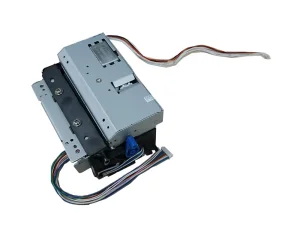
Compatible with SEIKO LTP F347. Built for deep integration into outdoor communication receipt kiosks.
Product Details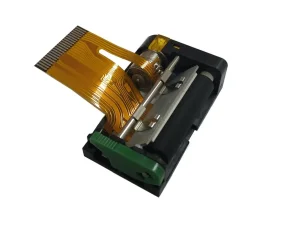
Compatible with APS MP105. Extremely lightweight, low-voltage design optimized for portable meter-reading units.
Product Details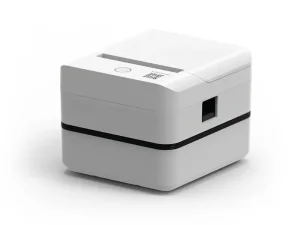
Highly ruggedized handheld sticker printer featuring a shock-resistant casing, built for mobile traffic receipt logging.
Product Details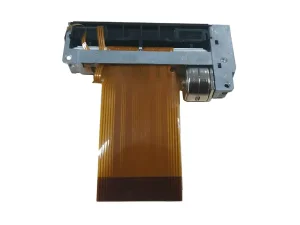
Compatible with FUJITSU FTP-628MCL103. Features high mechanical efficiency and low noise, ideal for ticketing terminals.
Product Details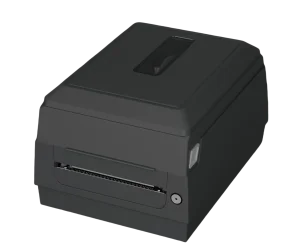
High speed, dense output desktop label printing unit built to produce clear, heat-resistant transport shipping codes.
Product Details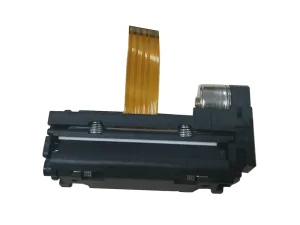
Compatible with SEIKO LTPJ245G. Reliable paper feed control and dynamic sensor systems built for fast checkout lanes.
Product Details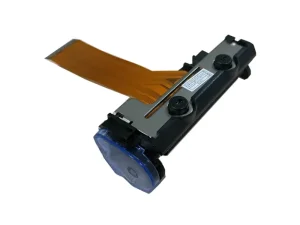
Compatible with APS SS205-LV. Robust structure engineered for integration into low-profile weight scale stations.
Product Details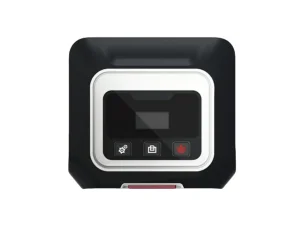
Portable thermal label system designed to print on-the-go barcodes and tracking stickers for courier fleets.
Product DetailsProcurement directors managing infrastructure deployments across Baghdad, Mosul, Basra, and Erbil require reliable hardware partners who understand regional logistics challenges. Sourcing printing components involves balancing product costs with customs compliance, long-term system life cycles, and technical support.
All electronic components entering Iraq must meet import guidelines administered by the Central Organization for Standardization and Quality Control (COSQC). Standard declarations, CE certifications, and proper electrical listings are critical to avoiding clearance delays at entry ports. OPOS ensures all bulk export shipments are accompanied by certified testing documentation.
While cheap thermal mechanisms may reduce initial assembly costs, their vulnerability to ambient dust can cause premature drive gear failures or printhead burnout. Specifying industrial-grade components (like our SEIKO or Fujitsu-compatible series) reduces maintenance overhead, technician site visits, and component failure rates.
Hardware integration is rarely a plug-and-play process. Having direct access to factory engineers for troubleshooting firmware commands, adjusting stepper motor pulses, or tuning driver circuits is essential. OPOS supports engineering teams with detailed documentation and direct channels to developers.
The printing hardware landscape is evolving toward more energy-efficient, interconnected smart modules. OPOS continues to innovate to meet modern operational demands:
IoT-Enabled Diagnostics: We are integrating sensors into next-generation thermal printheads to monitor temperature anomalies, voltage spikes, and feed roll wear in real-time, sending maintenance alerts before failures occur.
Ultra-Low Power Operations: Our upcoming portable series mechanisms are optimized for low-drain mobile environments, running on lower voltage profiles to extend handheld device battery life in field applications.
Enhanced Environmental Protection: Next-generation mechanical designs will feature sealed dust enclosures to shield gears and printhead mechanisms from fine airborne particles.
Stay updated with the latest technological developments and industry announcements from our global offices.
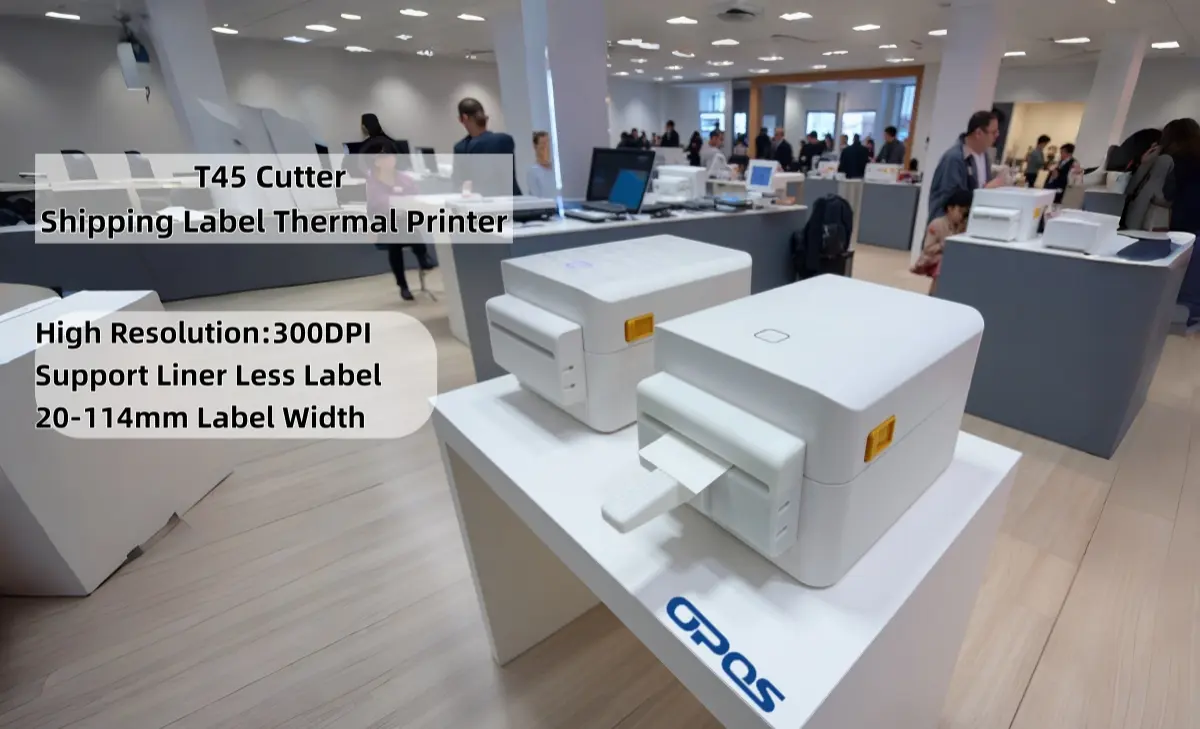
Xiamen OPOS launches high-precision printheads designed for complex character rendering in logistics networks.
Read More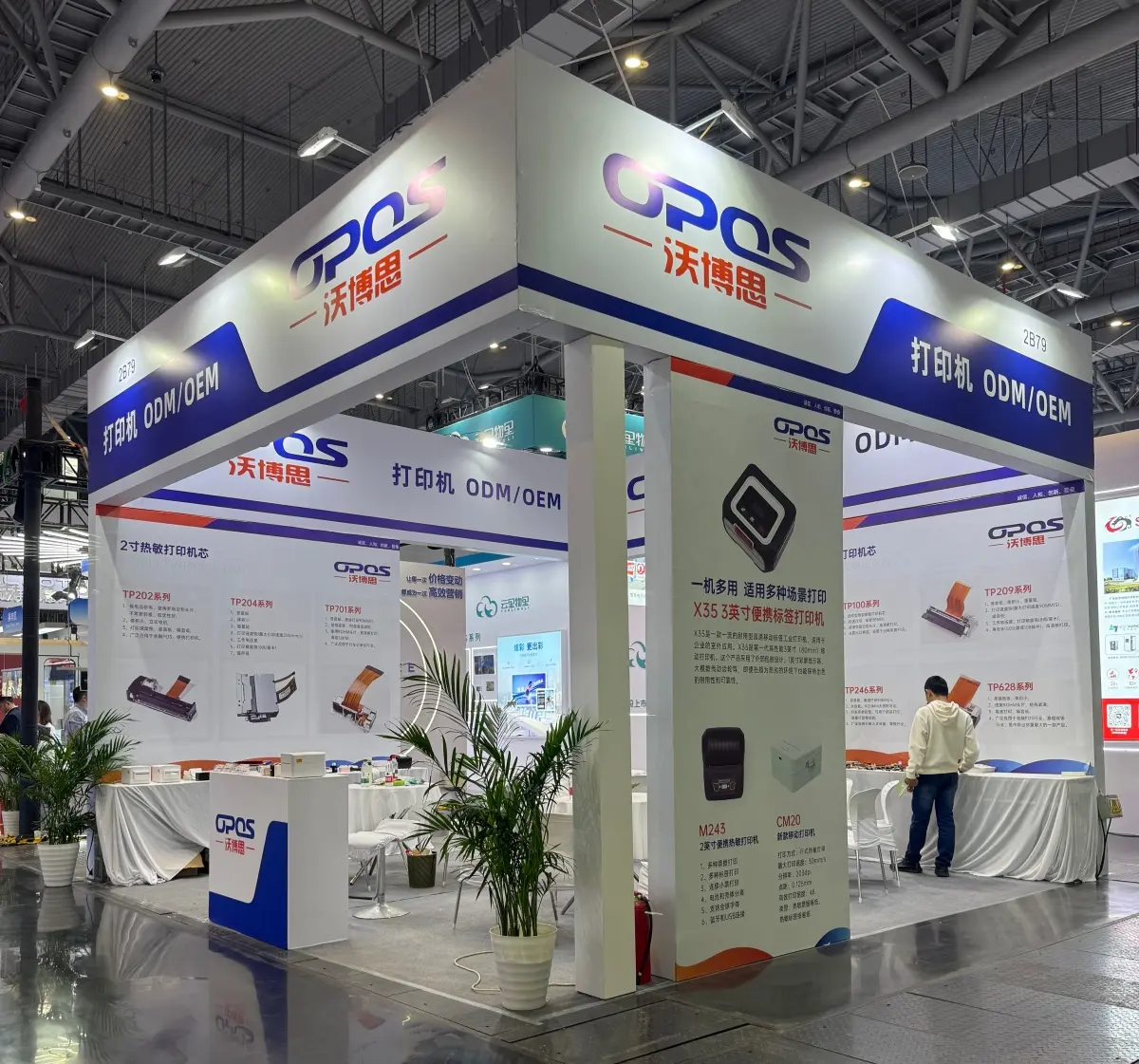
Our engineering team demonstrated our latest high-speed, dust-resistant retail printer mechanisms to global buyers.
Read More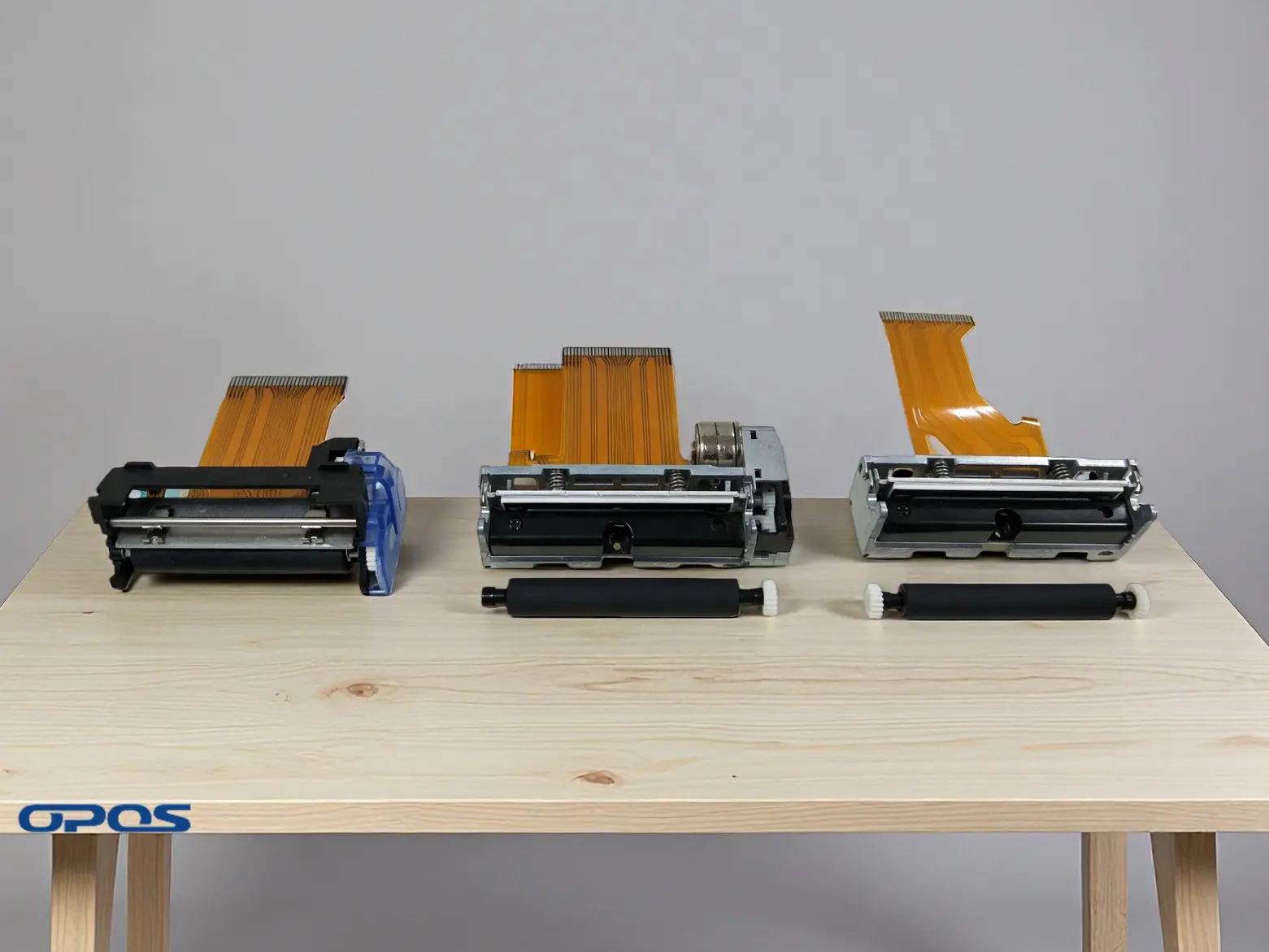
A technical guide detailing how direct thermal heating elements transfer text to media, and the key components driving these systems.
Read MoreExpert answers addressing integration challenges, custom requirements, and environmental considerations.
Get in touch with our technical sales team for comprehensive catalogs, mechanical CAD files, compatibility sheets, and wholesale pricing.