
Pre-configured and adaptive printer components engineered to withstand high-volume transaction environments across Nuevo León's manufacturing infrastructure.
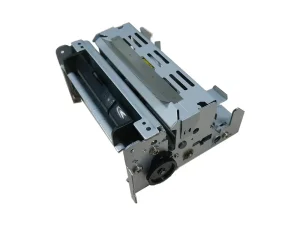
Ultra-compact thermal mechanisms designed for integration into rugged kiosk enclosures and control cabinets in Mexican maquiladoras.
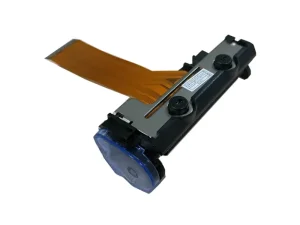
Highly compatible footprint with APS SS205-LV, optimization for regional automotive tracking units and POS systems.
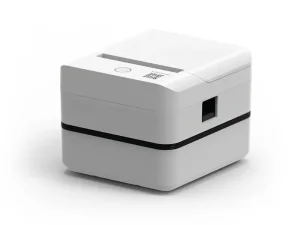
Heavy-duty portable label printer for local cross-docking warehouses and logistics drivers operating across the US-Mexico border.
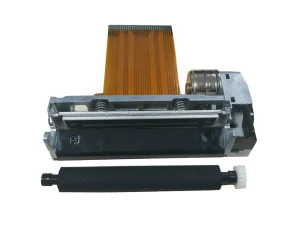
Industrial-grade high-speed mechanism designed for harsh environments featuring optimized friction control feeds.
As Latin America’s foremost industrial powerhouse, Monterrey, Nuevo León, has transitioned into the epicentre of international nearshoring. This geographic relocation of manufacturing plants, assembly facilities, and logistics centers has generated unprecedented demand for ruggedized, high-end mechanical components. Among these critical components are dot matrix printer mechanisms. While modern consumer thermal and laser printing have expanded, the industrial, logistics, and heavy-manufacturing complexes of Monterrey continue to run on impact dot matrix printing technology. This persistence is not an accident of legacy infrastructure; it is driven by physical properties, extreme environmental challenges, and the operational constraints of international shipping and heavy metalworking industries.
In the vast industrial zones of Apodaca, Santa Catarina, Guadalupe, and San Pedro Garza García, environments are demanding. High temperatures, heavy atmospheric dust (metal particles, concrete dust, and organic fibers), and electrical fluctuations pose a threat to delicate printheads. Standard inkjet or thermal printing mechanisms fail prematurely when exposed to these conditions. A dot matrix mechanism, using physical impact needles made of tungsten-carbide alloys striking an inked ribbon, operates reliably under these stresses. It is virtually immune to airborne contaminants that clog laser drums or scorch thermal printheads.
Furthermore, Monterrey serves as the logistics gateway to North America. The vast flow of trucks crossing the Laredo-Monterrey trade route requires multi-part, carbon-copied document sets—specifically international customs bills of lading (Carta de Porte), hazardous material manifests, and weight receipts. Only impact dot matrix printer mechanisms can generate physical carbon copies simultaneously across multiple sheets. Digital signatures do not completely replace the physical requirements of Mexican tax authority (SAT) regulations and custom-clearance procedures at the border. This necessity secures dot matrix technology's place in warehousing and logistics.
Understanding when to implement impact dot matrix mechanisms rather than thermal or laser variants is a cornerstone of system integration. The table below outlines the performance characteristics in industrial environments typical of Northern Mexico:
| Performance Indicator | Dot Matrix Mechanism | Direct Thermal | Thermal Transfer |
|---|---|---|---|
| Multi-part Form Printing | Yes (Up to 5 copies simultaneously) | No | No |
| Operating Temperature Range | -20°C to +70°C | 0°C to +40°C | 5°C to +45°C |
| Resistance to Dust / Metal shavings | Exceptional (Mechanical Impact) | Poor (Clogs head) | Moderate (Requires ribbon shield) |
| Consumable Cost per page | Ultra-Low (Ribbon-based) | Medium (Specialized paper) | High (Ribbon + Paper) |
| Lifespan of printhead | 400+ million impacts per needle | 50-100 KM paper feed | 100-150 KM paper feed |
A reliable OEM dot matrix mechanism depends on mechanical design and metallurgy. When sourcing from Xiamen OPOS Electronic Technology, procurement managers must evaluate several technical standards:
Needle Configuration and Metallurgy: High-speed industrial receipts require 9-pin mechanisms for high-throughput utility text. For high-density barcodes or complex character printing, 24-pin mechanisms provide finer resolution. Needle composition is crucial. Our mechanisms feature tungsten-carbide pins, offering resistance to friction heat and reducing structural fatigue.
Carriage Motor and Platen Alignment: The motor drive system must withstand high duty cycles. A dual-stepper motor configuration ensures precise carriage movement, reducing pin breakage caused by paper misalignment. Integrated sensors detect platen gap adjustments automatically, allowing smooth transitions between single-sheet receipts and thick multi-ply freight slips.
In the context of nearshoring, supply chain continuity is a primary concern for Monterrey procurement teams. Relying on local intermediaries can lead to unexpected delays and limited customization options. Partnering directly with a specialized developer in China, such as OPOS Electronic Technology Co., Ltd. (established in Xiamen in 2005), offers a balance of technical expertise and supply chain stability.
Our Factory 4.0 production philosophy integrates automation with precision human quality control:
Design Autonomy: As a verified developer and manufacturer, we control the entire lifecycle of our printing mechanisms. With 70+ invention patents, our engineering team can modify mechanical chassis, printhead layouts, and controller board software to meet the specific requirements of Monterrey’s industrial integrators.
Quality Assurance: Each batch of impact mechanisms undergoes mechanical stress testing, testing performance at high temperatures, simulating humidity levels found in Mexican coastal shipping hubs, and subjecting components to vibration tests to replicate harsh transit conditions.
Supply Chain Security: By maintaining direct control over component sourcing (such as alloys, motors, and PCB components), we protect buyers in Mexico from global supply chain disruptions. This direct manufacturer-to-client approach provides Monterrey businesses with stable lead times, clear technical support, and competitive direct pricing.
Implementing optimized printing mechanisms is a practical operational improvement. Below are three typical deployments in Monterrey:
We specialize in custom integration. Our engineering team can adapt mounting brackets, electronic interfaces, and environmental seals to fit your enclosure designs.
Request Engineered CAD Drawings & SamplesProviding direct answers to technical questions raised by industrial systems developers and purchasing managers in Monterrey.
Explore our complete range of high-performance thermal transfer and impact solutions engineered for global industrial markets.
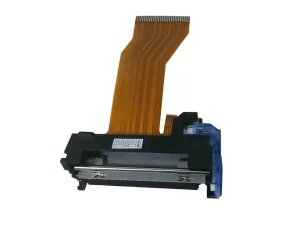
Low-voltage mechanism offering high print density for integration into portable gas station systems and handheld diagnostics.
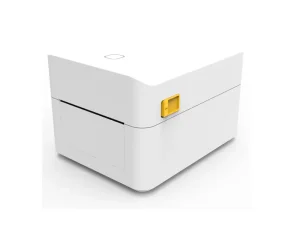
High-resolution Bluetooth label printer built for shipping stations in logistics parks across Nuevo León.
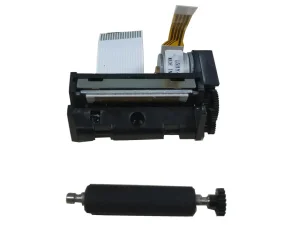
Robust mechanism with wide operating temperature tolerance, suitable for high-vibration vehicular mounting.
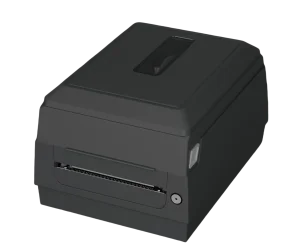
Desktop system utilizing dual thermal transfer/direct thermal modes for durable barcode printing.
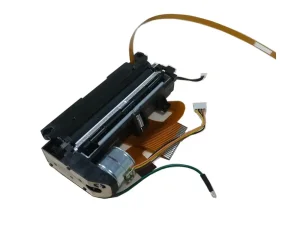
High-speed 3-inch mechanism designed for heavy retail transaction terminals and ticketing systems.
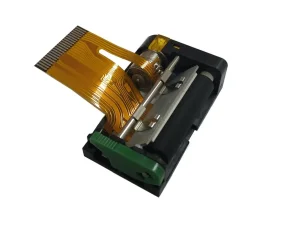
Ultra-compact footprint mechanism optimized for battery-operated medical devices and fields instruments.
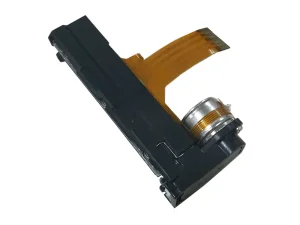
Reliable 2-inch mechanism compatible with Seiko LTP02, suitable for industrial testing instrumentation.
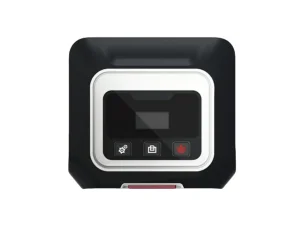
Handheld label printer featuring wireless connectivity, designed for shipping docks and warehouse picking.
Connect with our engineering division in Xiamen. Get technical guidance, integration support, and custom quotes for dot matrix and thermal mechanisms shipped directly to Monterrey.