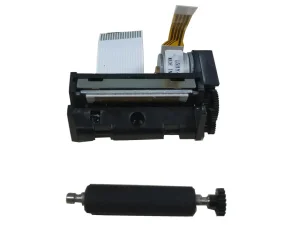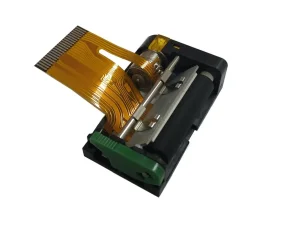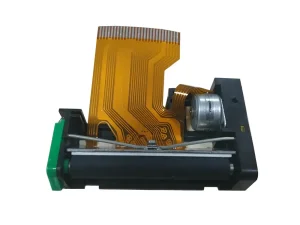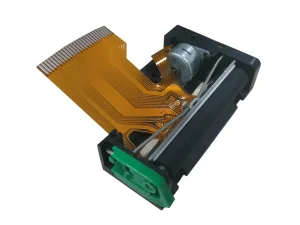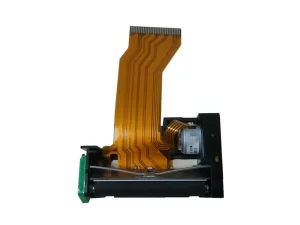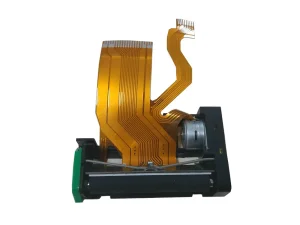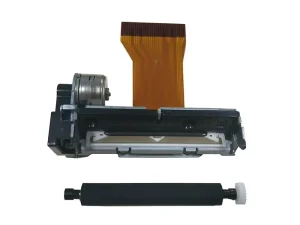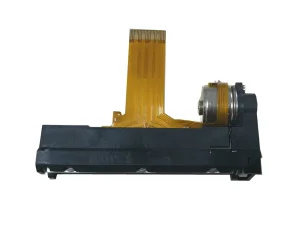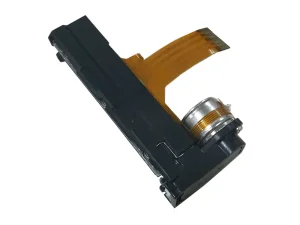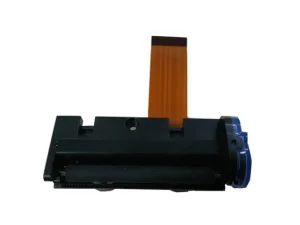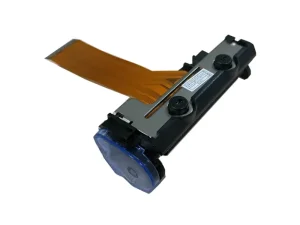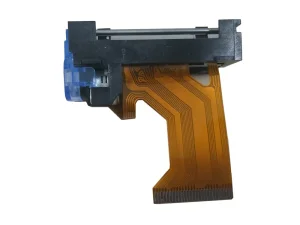
Engineered for compact footprints, handheld devices, and specialized kiosk terminals demanding reliable Japanese-compatible form factors.
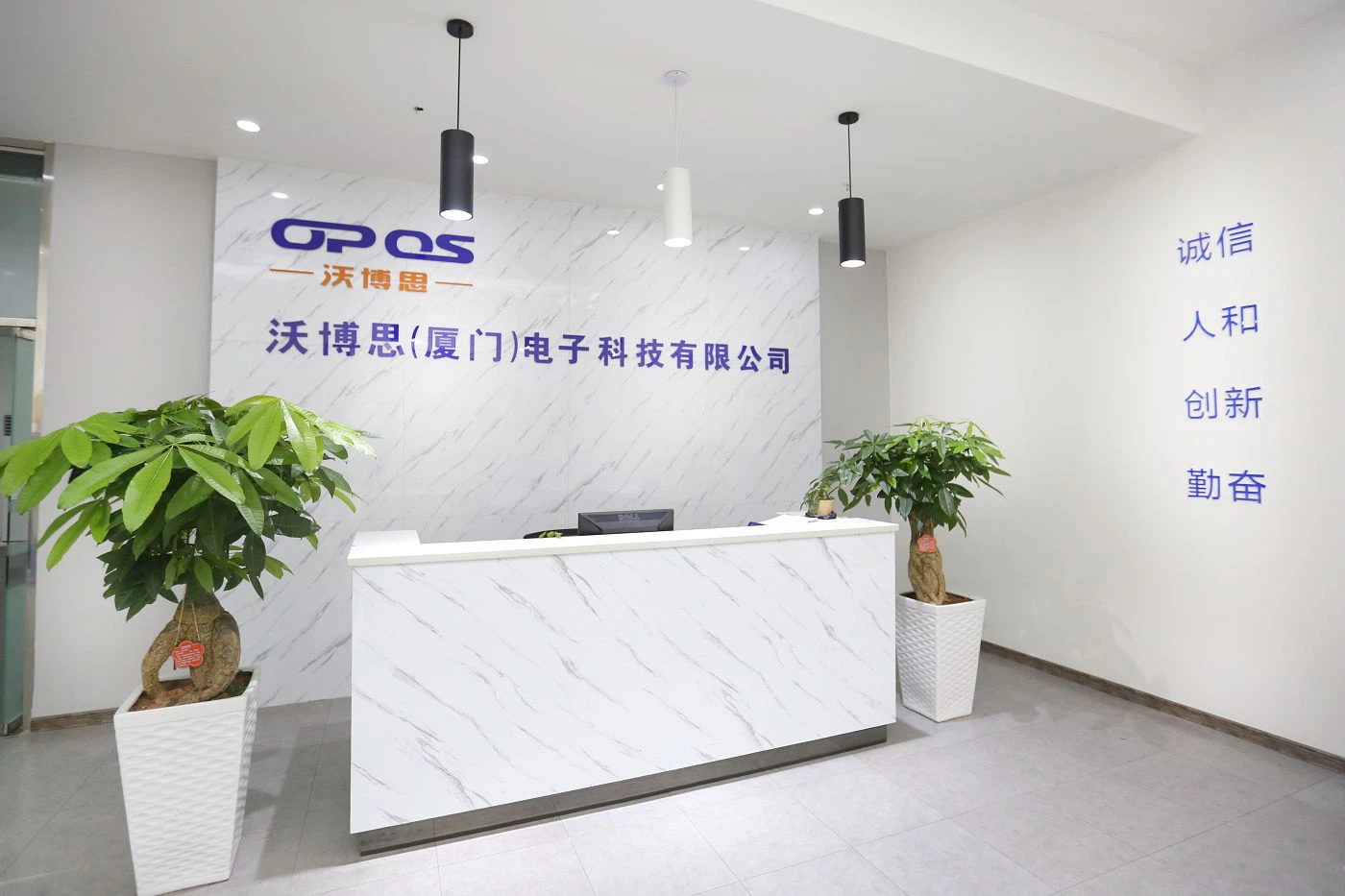
The Japanese market represents one of the most technologically advanced and quality-stringent spaces for thermal printing mechanisms. With the rapid expansion of smart vending architectures, automated ticket dispensers, healthcare IoT terminals, and micro-POS systems, there is an ever-increasing demand for 1-inch thermal printer mechanisms that offer compact form factors without sacrificing print speed or thermal longevity.
Japanese engineers demand components featuring strict compliance (RoHS, VCCI, and PSE standards), ultra-high structural precision, and direct compatibility with industry standards set by legacy brands like Seiko Instruments (SII) and APS. OPOS (Xiamen) Electronic Technology Co., Ltd. addresses this niche by supplying high-performance, drop-in replacement print mechanisms that drastically lower Bill of Material (BOM) costs while improving mechanical reliability.
Request Localized Japan BrochureA comprehensive analysis of design metrics, mechanical interfaces, and integration paths for OEM manufacturers in Japan.
As the concept of *Society 5.0* drives digital transformation across Japan, the integration of micro-physical interfaces becomes vital. Micro-thermal printers with a 1-inch (approx. 24mm to 38mm print width) format are increasingly essential for handheld logistics terminals, mobile parking fare systems, medical data loggers, and localized IoT setups. The requirement is simple but challenging: small size, high energy efficiency, and operational endurance across extreme environments (-20°C to +60°C).
Historically, Japanese system integrators relied solely on domestic component manufacturers. However, modern cost structures require strategic global sourcing. To satisfy Japanese engineers, imported printer mechanisms must offer high "Information Gain" via transparent engineering documentations, structural interchangeability, and robust local support networks.
The primary concern for system designers during alternative sourcing is mechanical fit and electrical driver compatibility. OPOS mechanisms are built as drop-in solutions to optimize product lifecycles without requiring heavy redesigns of plastic enclosures or main control boards.
| OPOS Mechanism Model | Legacy Industry Standard / Compatibility | Rated Voltage (V) | Max Print Speed (mm/s) | Average Lifetime (km) |
|---|---|---|---|---|
| TP100 Series | Woosim Porti-M100H | 5.0V - 8.5V | 80 mm/s | 50 km |
| TP101 Series | APS MP105 | 3.0V - 7.2V | 65 mm/s | 50 km |
| MP205 / MP205-LV | APS MP205 / MP205-LV | 2.7V - 7.2V | 70 mm/s | 50 km |
| TP173 Series | SEIKO LTPZ245D-C384-E | 4.2V - 8.5V | 75 mm/s | 50 km |
| TP209 Series | SEIKO LTPD245 (Horizontal/Vertical) | 4.75V - 9.5V | 100 mm/s | 100 km |
OPOS ensures all shipments comply with environmental regulations such as RoHS and REACH. We understand the high quality standards expected by Japanese manufacturers. Therefore, our testing procedures include 100% functional simulation, high/low-temperature stress tests, and automated visual inspections of the print line alignment. We provide fully documented STEP models and electrical layout schematics to help engineering teams streamline their design process.
Year Established
R&D and Manufacturing Space
Patent Portfolio
Global Export Markets
Engineered for low maintenance, quiet printing, and durable operation across various sectors.





Our long-term developmental blueprint matches global trends towards greener, smarter micro-terminals.
We are advancing low-voltage architectures that enable clean printing down to 2.4V, optimizing power usage for long battery life in field operation.
Supporting environmental initiatives in Japan, our future mechanisms are built with anti-adhesive surfaces, allowing seamless printing of linerless media.
Integrating thermal sensor algorithms that dynamic control current pulses. This prevents localized heat damage and extends mechanism lifetimes up to 100km.
A look at our comprehensive support systems and custom manufacturing capabilities.
We modify physical mounting spots, gear layouts, and control board layouts to match your project needs.
Our technical team controls product development from mechanical design to firmware optimization, ensuring high quality control.
Direct support from our engineers to resolve integration challenges, timing adjustments, or driver issues.
Complete warranty support including component failure diagnostic, spare parts, and mechanical troubleshooting.
Explore our complete product ecosystem tailored for industrial POS, labeling, and ticket dispensing systems.
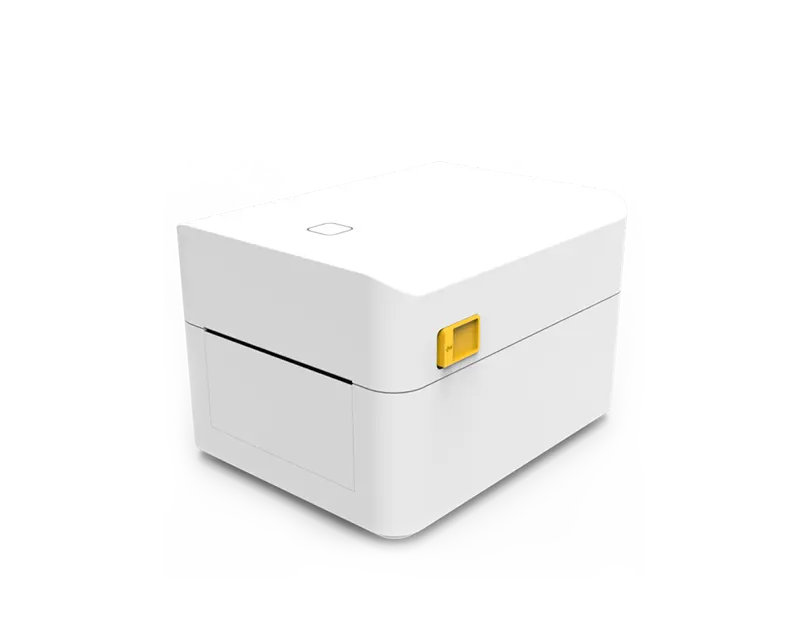


From initial design concept validation through mass production and final export delivery.
Confirming voltage range, space constraints, resolution, and mechanism compatibility specifications.
Supplying 3D models (STEP format) and pin layout specifications for client review.
Delivering physical test samples to verify mechanical fit and print quality.
Manufacturing in our ISO9001-certified facility with automated quality control.
100% testing of alignment, motor resistance, and thermal performance.
Exporting to Japanese and international hubs with custom packaging options.
Stay informed with our latest product development updates and global exhibition announcements.
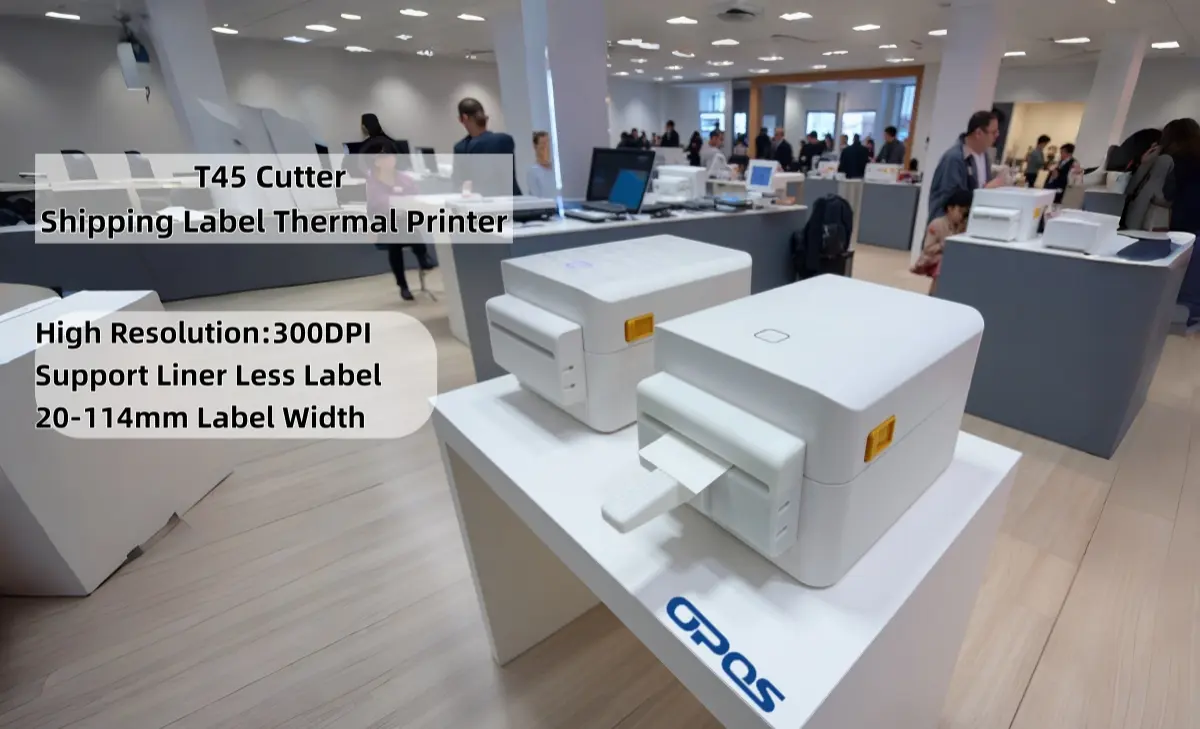
OPOS announces the release of a new high-resolution thermal mechanism range designed to print complex characters and medical barcode data clearly.
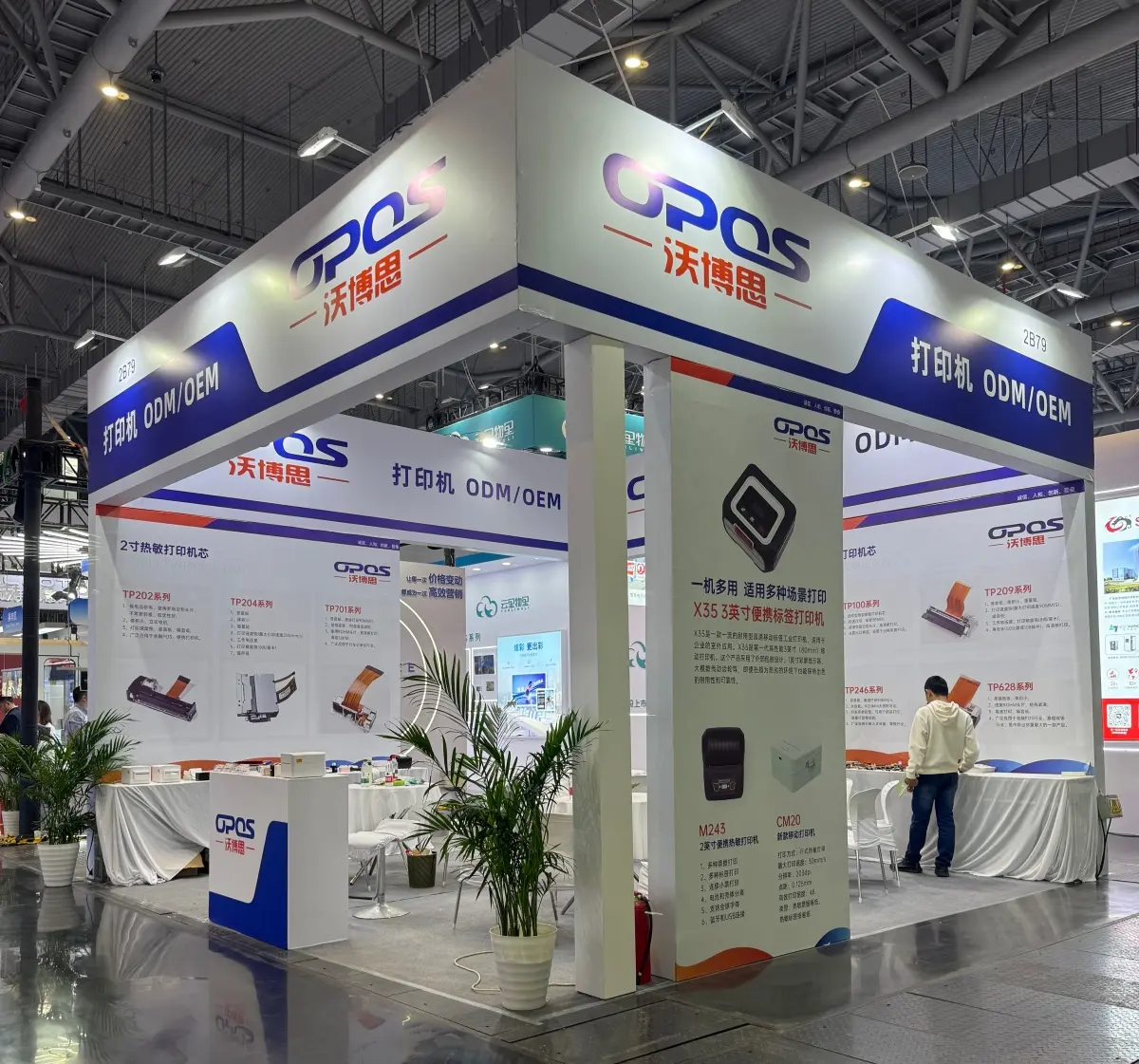
We showcased our ultra-slim mechanisms and high-reliability cutters, highlighting their integration potential with major POS equipment brands.
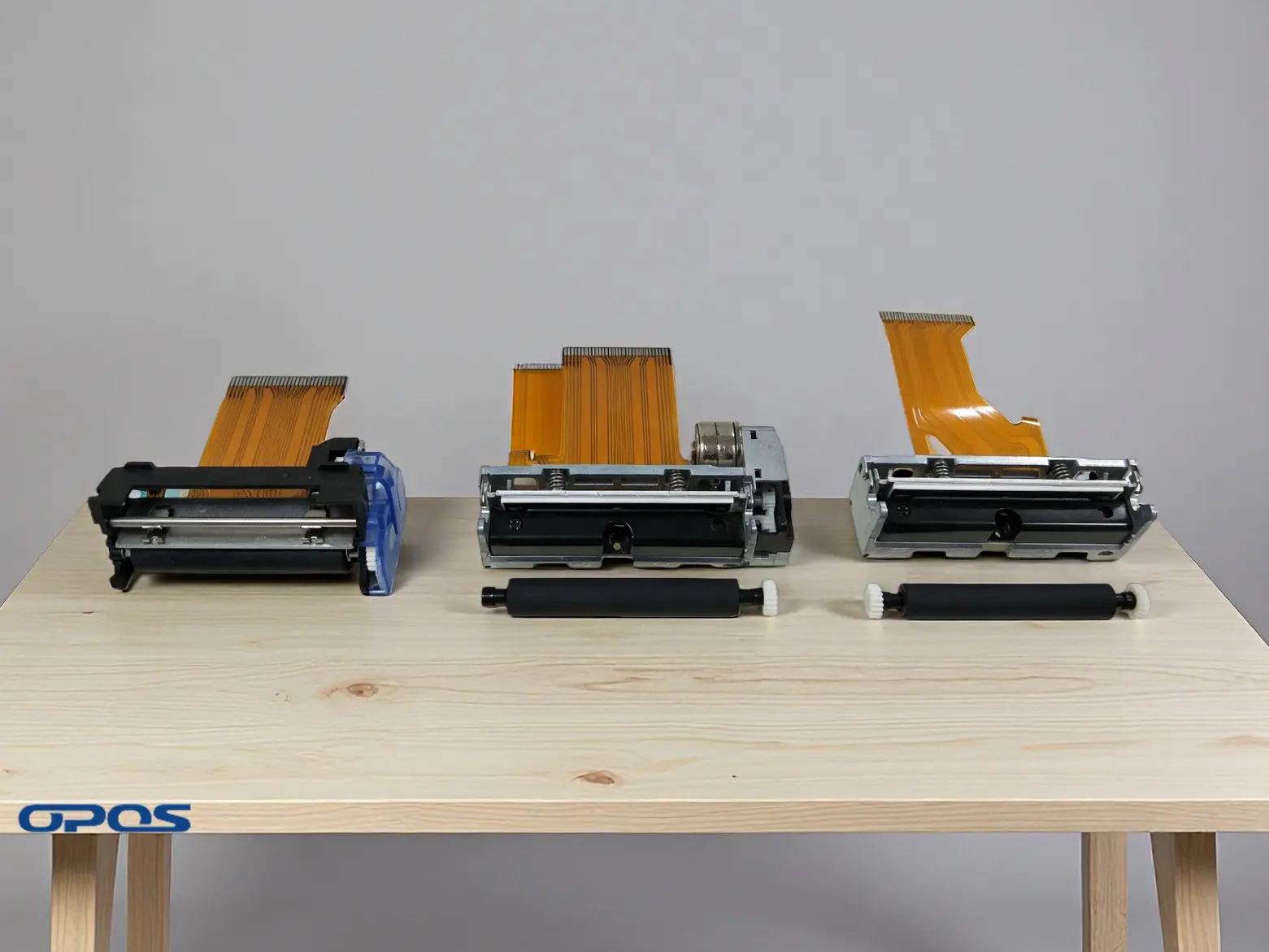
An in-depth guide covering the core components of thermal printer mechanisms, including the printhead, platen roller, and stepper motor control systems.
A comprehensive range of compatible thermal mechanisms engineered for high duty cycles in automated environments.
Find answers to common questions about compatibility, engineering customization, and ordering policies.
Yes. Our mechanisms are engineered to align with the dimensions, mounting points, gear layouts, and electrical interfaces of standard industry models (including Seiko LTP series and APS MP series). Contact our engineering support to verify timing and wiring configurations.
For minor modifications (such as custom wiring harnesses or minor gear changes), samples are ready within 2 to 3 weeks. Full mechanical adjustments may require 6 to 8 weeks, including prototyping and test evaluations.
Select models (such as our custom-coated custom series) support linerless media. These designs feature specialized non-stick surfaces on the frame to prevent adhesive buildup on internal components.
Our mechanisms integrate a high-precision thermistor that continuously monitors head temperature. This data allows the host system to dynamically adjust driver pulse widths, preventing overheating and ensuring consistent print quality across varying ambient temperatures.
Partner with OPOS to access high-quality ODM/OEM thermal mechanisms designed for modern POS, ticketing, and diagnostic terminals. Our technical team is ready to assist you with specifications and integration support.
Send Inquiry Now