
Engineered for absolute accuracy and space-optimized kiosks, laboratories, and IoT devices throughout Massachusetts.
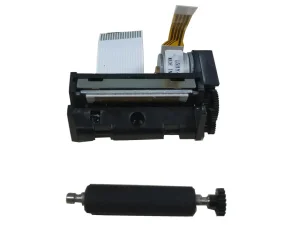
Ultra-low voltage operations, ideal for handheld testing meters, mobile POS systems, and biomedical measuring devices.
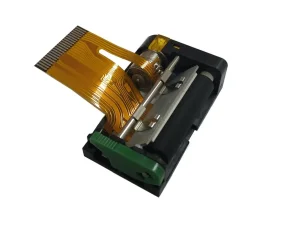
Optimized pathing for easy paper loading, designed specifically for integration with smart diagnostics and high-throughput machines.
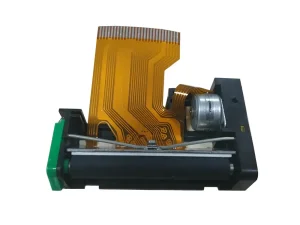
Robust physical assembly matching mechanical layout expectations for industrial instruments, smart parking meters, and retail terminals.
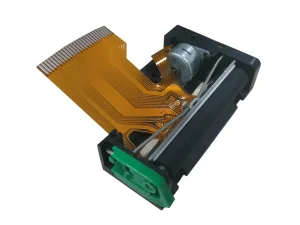
High-speed printing capabilities with a minimal power input, engineered to operate seamlessly under extreme temperature shifts.
The Greater Boston area, spanning Cambridge, the Route 128 technology corridor, and the Seaport district, serves as a global epicentre for biotechnology, medical technology research, laboratory automation, and robotic systems development. In these fields, data documentation, sample tracking, and rapid field measurement output require highly reliable components. The demand for 1-inch thermal printer mechanisms has risen dramatically, driven by the need for miniaturization in medical devices and handheld instrumentation.
Local industrial product designers require high compatibility when looking for alternative micro-printing modules. They must balance reliability, low power consumption, and mechanical footprint constraints. With leading technology firms designing point-of-care (POC) diagnostics, smart utility infrastructures, and automation systems, thermal printheads that seamlessly fit standard footprints—such as APS, Woosim, and Seiko models—are essential to maintaining agile product development life cycles.
A high-performance 1-inch thermal mechanism relies on a critical balance of three modules: the physical thermal printhead (TPH), the motor, and the paper feed mechanism. For engineers evaluating components for high-reliability medical equipment or industrial analyzers, the following parameters are crucial:
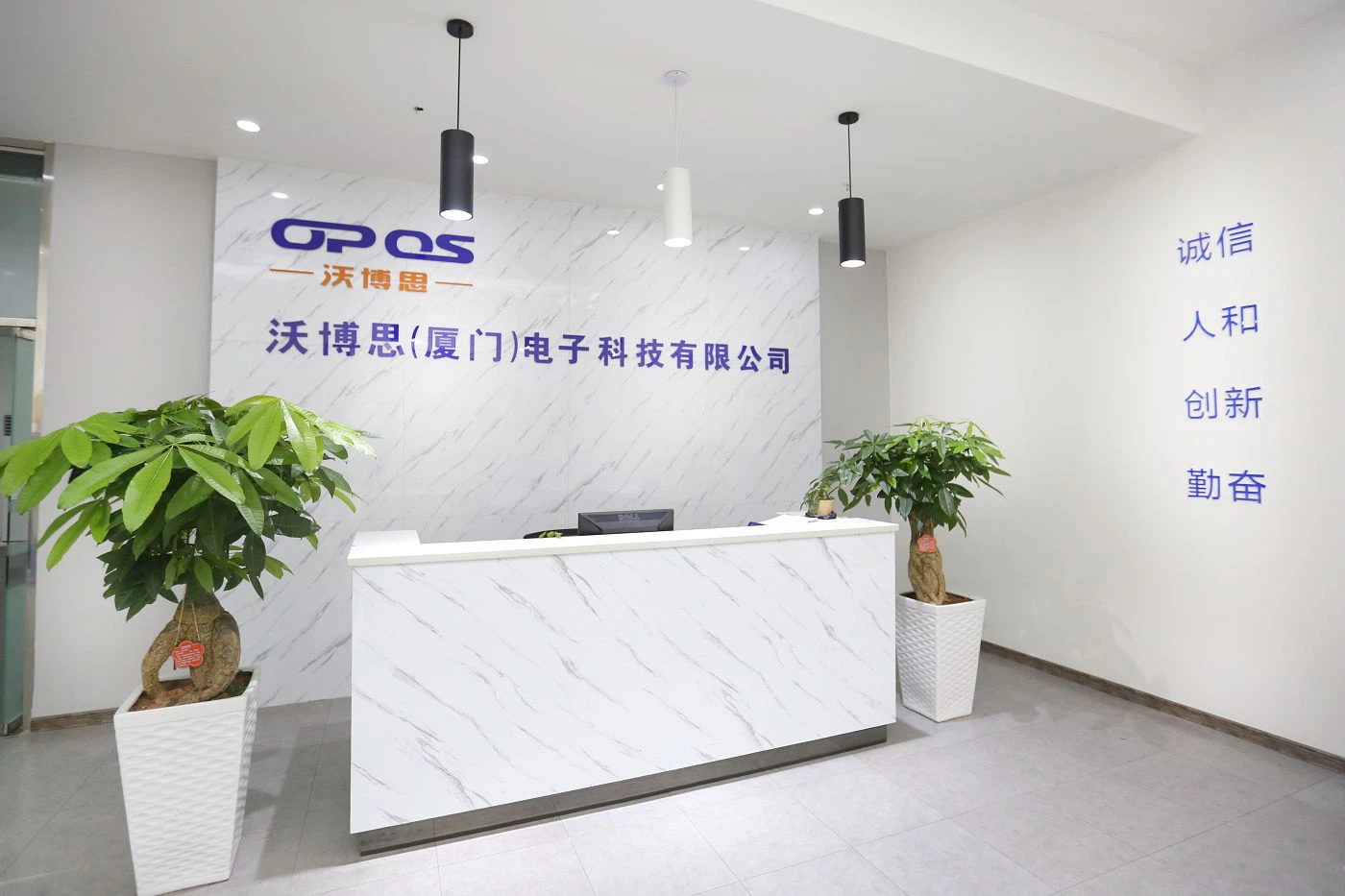
OPOS (Xiamen) Electronic Technology Co., Ltd. was established in 2005 and is located in the high-tech industrial hub of Xiamen, Fujian Province, China. We are one of the pioneer manufacturing factories in the thermal printing industry, driving structural improvements in early dot matrix and modern high-speed micro-printing technologies.
As an integrated design and manufacturing high-tech enterprise, we specialize in POS printers, medical-grade receipt and label mechanisms, robust dot-matrix systems, and automated paper cutter modules. Our vertically integrated production model ensures consistent product quality and cost management, making us a trusted partner for global supply chains.
Learn More About Us →Explore our specialized thermal printer mechanisms, customizable printer assemblies, and high-performance cutters.
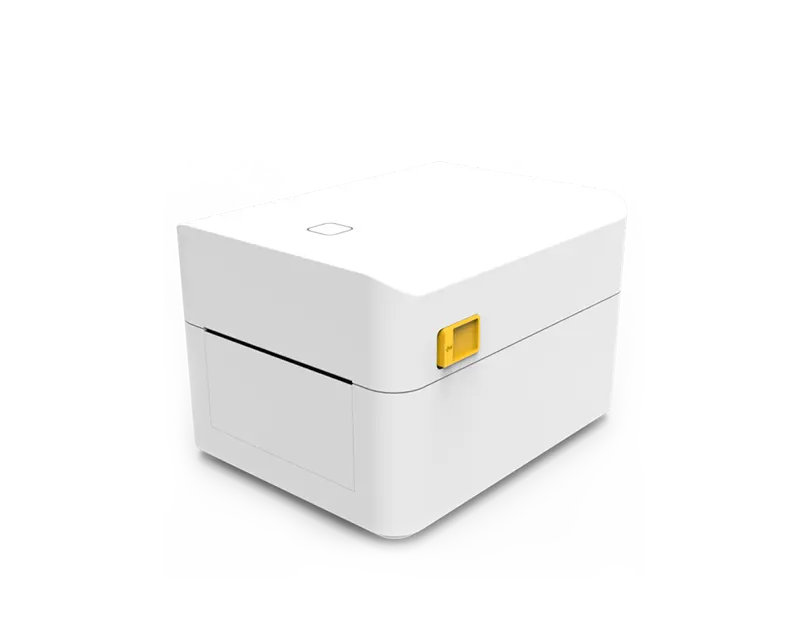
Desktop and industrial barcode systems designed to optimize warehouse routing, delivery tracking, and storage logistics.

Lightweight, battery-efficient, and wireless pocket printers designed for rugged transit applications, ticketing, and on-site servicing.

High-speed transaction printing solutions engineered for retail networks, hotels, restaurants, and ticketing hubs.
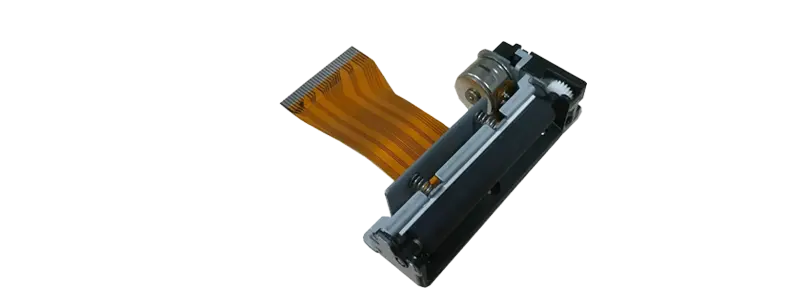
Standard 58mm compact printer modules for point-of-sale systems, industrial interfaces, and parking ticket kiosks.
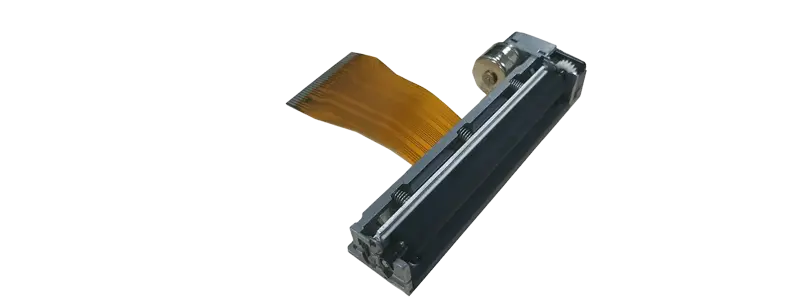
High-speed 80mm print engines equipped with auto-cutter components, engineered to support busy customer transaction lanes and kiosk integration.
Global medical and automation technology firms often face supply challenges, including rising component costs and long lead times. Partnering with a specialized Chinese manufacturer like OPOS (Xiamen) helps businesses optimize their production processes. By combining local engineering support in Boston with manufacturing infrastructure in China, buyers benefit from both global cost efficiencies and high technical standards.
Our manufacturing facility in Xiamen features automated precision assembly lines, Cleanroom environments for printhead alignment, and automated testing tools. This setup reduces defect rates and keeps production costs low. By sourcing raw materials directly from key suppliers of specialty steels, stepper motors, and driver ICs, we offer competitive pricing while maintaining high quality standards.
Every printer mechanism undergoes thorough testing before shipping. We test life-cycle limits, print density consistency, temperature resilience, and current draw limits. Our ISO9001-compliant processes ensure reliable performance for medical devices, remote kiosks, and retail applications.
We offer extensive personalization options, including customized drive gear assemblies, custom sheet-metal brackets, unique flex cable (FFC) paths, and custom control board firmware. Our engineering team helps adapt standard designs to meet specific spatial constraints.
Why design teams and buyers choose us for their embedded printing needs.

We customize our mechanisms and control electronics to fit your specific device parameters.

Our engineers design print mechanisms and electronics in-house, ensuring reliable system integration.

We provide clear integration guides, reference schematics, and hardware troubleshooting assistance.

All products include a one-year warranty, technical support, and component replacement services.
Explore our wide selection of micro-printing mechanisms, compatible with standard industry footprints.
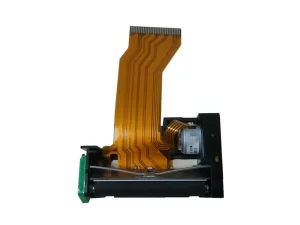
Built with durable steel plating for outdoor ticket machines, transit kiosks, and heavy-use applications.
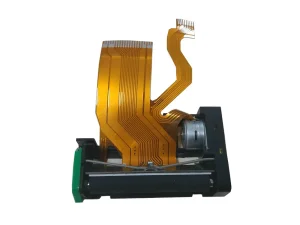
A low-profile printing module optimized for compact integration in diagnostics equipment and portable devices.
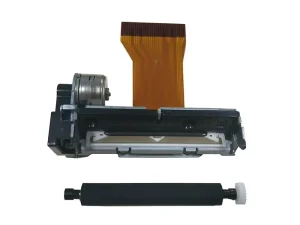
Designed for precise print quality, ideal for labeling medical samples and diagnostic results in laboratories.
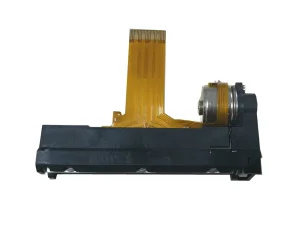
A durable print mechanism designed to provide consistent print quality for receipt terminals and transaction logs.
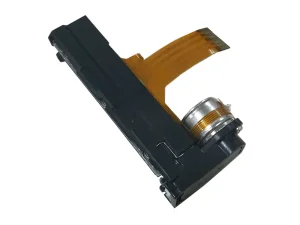
A low-voltage printer module optimized for battery-powered, handheld testing instruments.
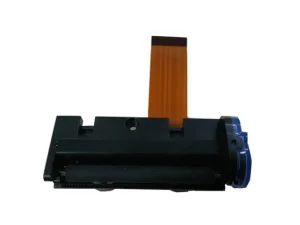
Built to operate reliably in outdoor environments, suitable for integration into smart meters and parking terminals.
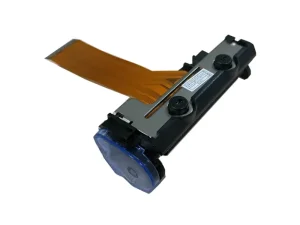
A compact receipt and ticketing mechanism designed for high energy efficiency and space-constrained systems.
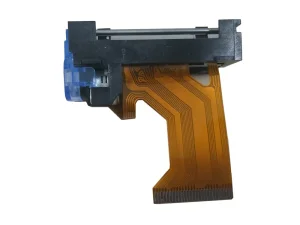
A heavy-duty, fast-printing module featuring integrated sensors for automated monitoring systems.
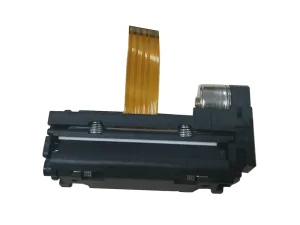
A print mechanism offering balanced force alignment to support diverse label stocks and receipt designs.
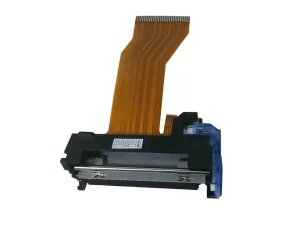
Low-profile mechanism featuring a fast response time, ideal for embedded diagnostic interfaces.
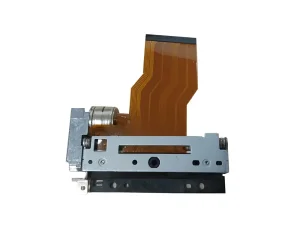
A space-saving horizontal design optimized for thin terminal enclosures and medical equipment.
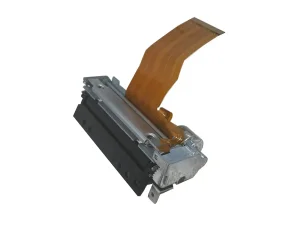
A vertical paper exit design, ideal for wall-mounted kiosks, ticketing stations, and feedback panels.
Reliable performance across a variety of integration settings, from biotechnology labs to high-traffic urban areas.





When sourcing 1-inch thermal mechanisms, procurement teams must look beyond unit price to evaluate overall system compatibility and lifetime value. To ensure seamless operation, hardware developers should focus on three main areas during their evaluation process:
Replacing older printheads with newer models can cause issues if pin layouts differ. A drop-in replacement should match the physical dimensions and use the same flat flexible cable (FFC) connector configuration. For example, our TP203 Series is pin-compatible with the APS SS205-HS, which helps simplify hardware updates and integration.
If the printer driver firmware is not properly calibrated, it can cause problems such as faint printing or printhead overheating. Selecting mechanisms that include detailed temperature-resistance curves helps developers optimize energy consumption. This is particularly important for battery-operated medical devices, where power efficiency is a key design requirement.
In kiosks and automated ticketing systems, sensors are needed to monitor the printer's status. Mechanisms must include reliable paper-out sensors and platen-release detection. These components allow the host device to display real-time status updates and alert users when paper needs to be reloaded.
Our structured process ensures design accuracy and high product quality from design to delivery.
Our engineers review your application requirements, interface preferences, power limits, and physical space constraints.
We finalize the custom brackets, cable routing, and firmware settings to ensure compatibility with your host device.
We build and deliver functional prototypes for evaluation, helping verify fit and electrical performance before volume production.
We manufacture the mechanisms in our ISO9001-certified factory in Xiamen, utilizing automated testing systems.
Every production batch undergoes thorough testing for printhead resistance, motor current draw, and alignment accuracy.
We handle international shipping and customs clearance, delivering the finished products directly to your facility.
Stay updated with the latest news, product updates, and technical articles from our engineering team.
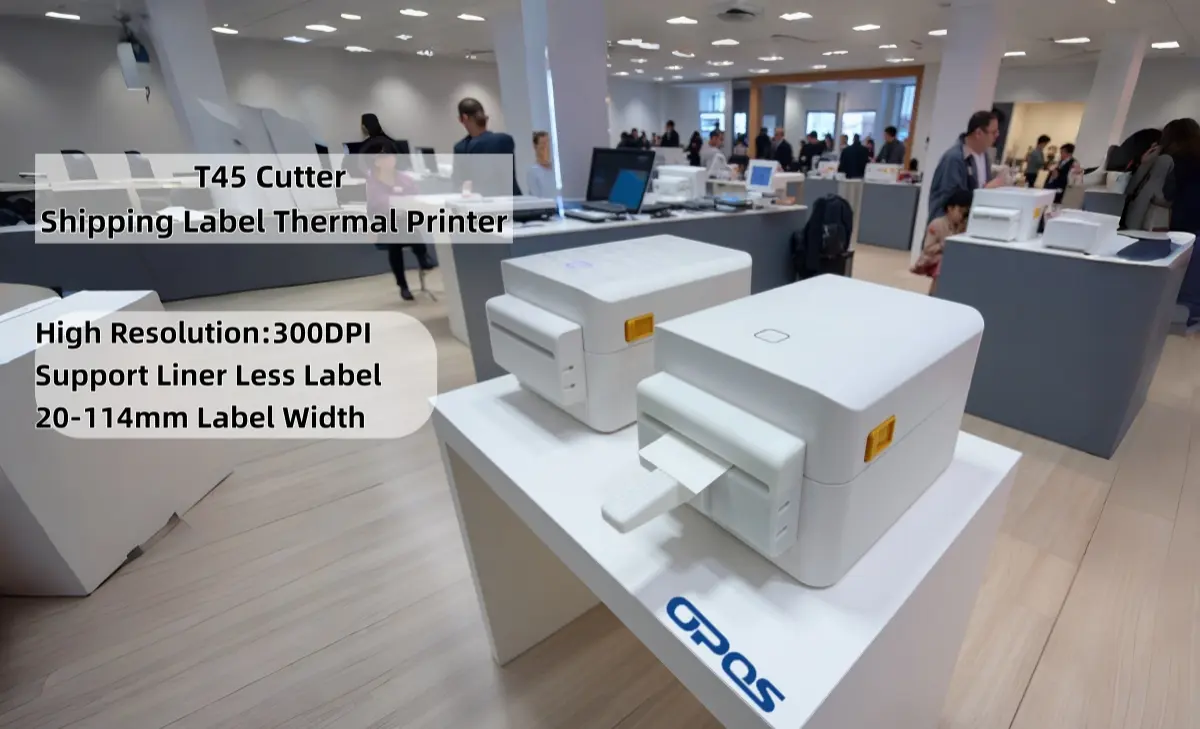
We have released a new series of high-resolution micro print engines, designed to provide consistent print quality in portable devices.
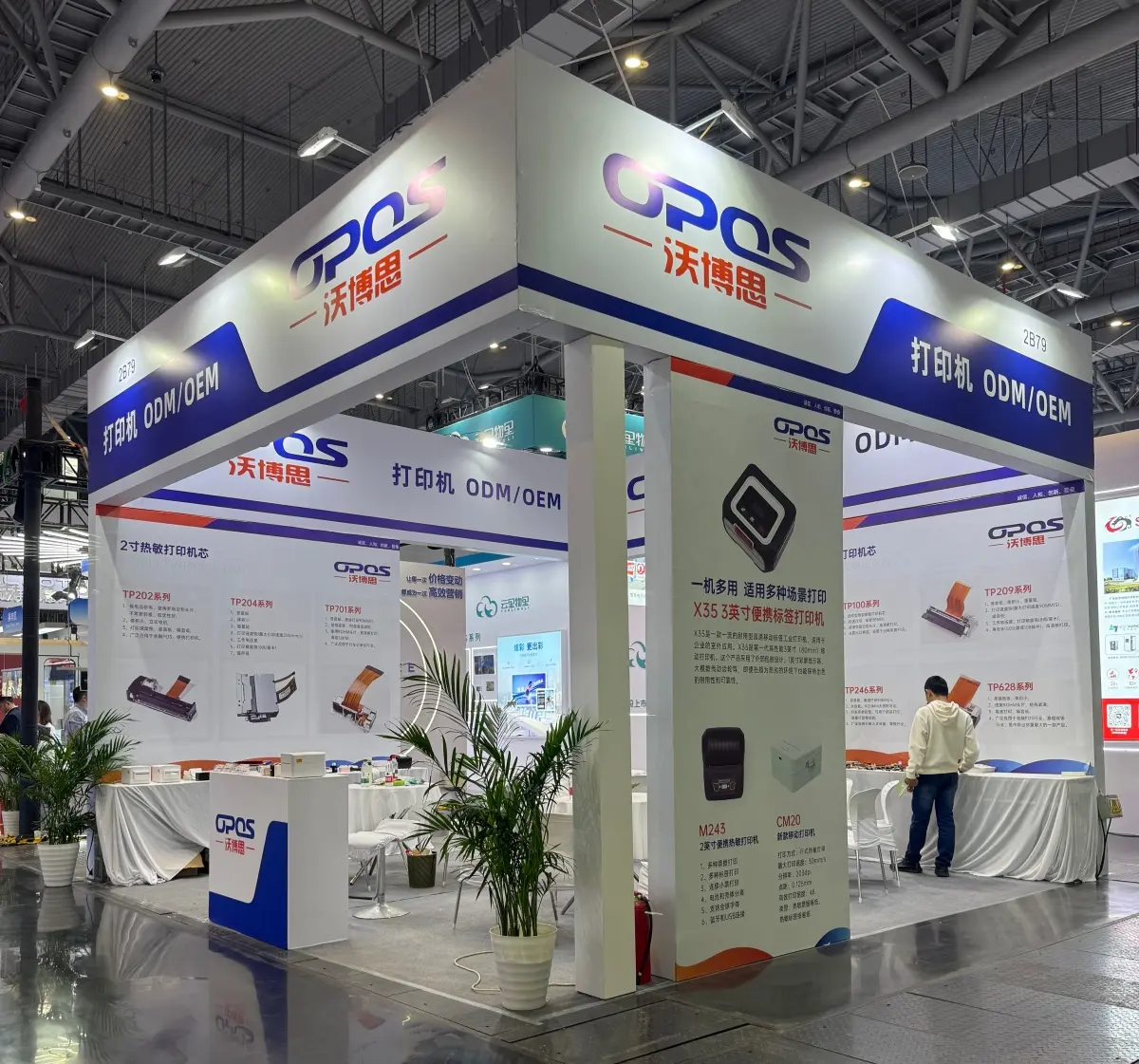
We showcased our latest smart-cutting receipt mechanisms and low-voltage print modules at the event, highlighting our custom design services.
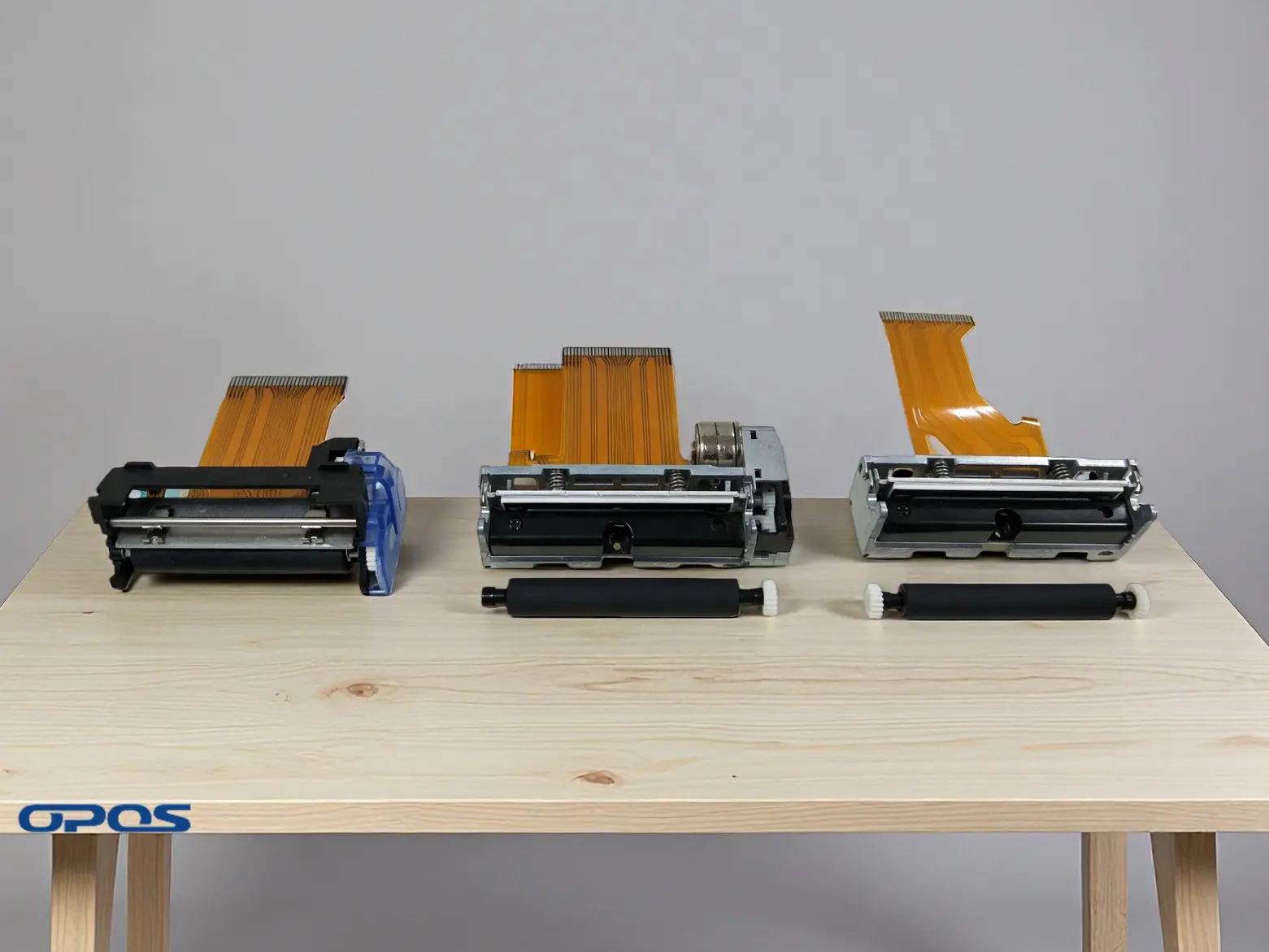
An educational guide explaining the functions of the printhead, motor drive, and sensor array in modern thermal printers.
Technical details, customization options, and procurement advice for engineering teams.
Get in touch with our engineering team to request product samples, custom mechanical drawings, or pricing details for your project.
Send Inquiry Now