
Ultra-compact, highly reliable 1-inch thermal printing mechanisms optimized for Brazil's retail POS and instant mobile banking terminals.
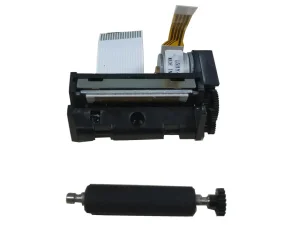
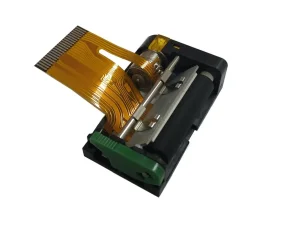
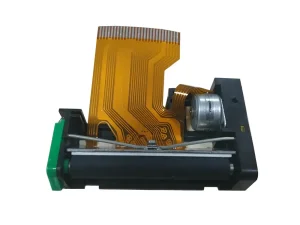
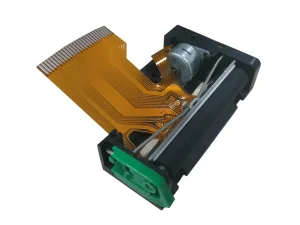
São Paulo stands as the heartbeat of Latin America’s industrial, commercial, and financial ecosystems. From the bustling avenues of the Paulista financial district to the extensive logistics networks handling billions of goods across the state, micro-printing solutions remain highly essential. 1-inch thermal printer mechanisms are the silent workhorses behind the metropolitan area's transactional infrastructure. The local demand is fueled by the explosive growth of instant payments (PIX), taxi receipt meters, portable ticketing devices, and parking management machines.
As Brazilian municipal regulations enforce structural compliance and receipts become more vital under local state tax mandates (such as the SEFAZ NFC-e and SAT-CF-e programs), hardware integrators in São Paulo require direct manufacturer support. Integrating high-durability Chinese-manufactured thermal mechanisms into local handheld devices provides local system builders with a distinct competitive advantage, combining robust structural engineering with cost efficiency.
OPOS (Xiamen) Electronic Technology Co., Ltd. brings decades of dedicated printer design and testing to the global markets.
Established in 2005, OPOS (Xiamen) Electronic Technology Co., Ltd. has developed into one of China's pioneer manufacturers of thermal printer mechanisms. Operating from a highly advanced facility in Fujian Province, we specialize in the design, development, and mass assembly of portable thermal receipt mechanisms, POS printers, label printing engines, and heavy-duty automatic cutters.
Our core mission revolves around industrial adaptability. We design drop-in replacements for standard Japanese models (such as Seiko LTP and APS brands), allowing global hardware designers to swap printer components without altering structural chassis or rewriting communication codebases.
Importing raw printer mechanisms into Brazil requires structural knowledge of the local regulatory environment. Under Brazil's complex tax architecture (including IPI, ICMS, and PIS/COFINS), purchasing sub-assemblies requires clear documentation and compliant HS/NCM coding. Our export logistics team provides direct NCM classification assistance (typically under NCM 8443.99.29) to ensure seamless customs clearance at the Port of Santos.
Furthermore, electronic components integrated into handheld POS terminals (which typically interface with cellular communication standards like LTE/5G in Brazil) must align with electromagnetic emission thresholds compatible with Anatel directives. While the printer mechanism itself is a passive mechanical-thermal component, we integrate high-spec, low-noise flexible flat cables (FFC) and grounded steel frames to minimize EMI, ensuring compliance when integrated into complex payment terminals.
Detailed engineering guidelines mapping drive requirements, current parameters, and mechanical alignment for 1-inch modules.
A 1-inch thermal printing mechanism is characterized by a compact printing width (typically around 24mm to 36mm using 38mm to 40mm paper rolls). These micro-modules are engineered specifically for low operating voltages (ranging from 3.0V to 8.5V), drawing minimum standby currents to conserve battery longevity in portable handheld systems.
| Engineering Parameters | Standard Specifications | São Paulo Local Integration Benefits |
|---|---|---|
| Print Speed | Up to 90 mm/s (model dependent) | Quick POS transactions, ideal for busy retail queues |
| Operating Voltage | 3.0V to 8.5V Range | Ideal for battery-operated handheld transit payment systems |
| Resolution | 8 dots/mm (203 DPI) | Clean rendering of dynamic QR codes and Barcodes for PIX transactions |
| Mechanical Lifespan | 50 km to 100 km of Paper Feed | Reduces maintenance costs and minimizes machine downtime in field service |
Global engineering trends point toward smart interfaces. By integrating easy-load paper pathways, straight-line gear layouts, and automatic heat regulation algorithms, our mechanisms guard against paper jams and thermal head degradation under continuous heavy workloads.
A broad portfolio of standard and high-speed mechanisms providing compatibility with world-class standard brands.
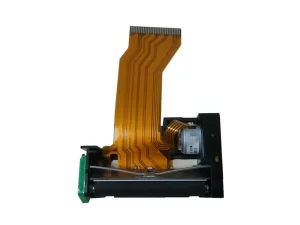
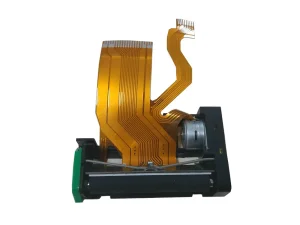
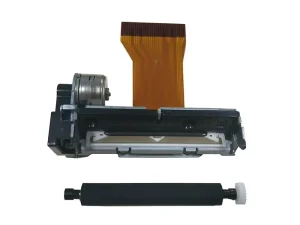
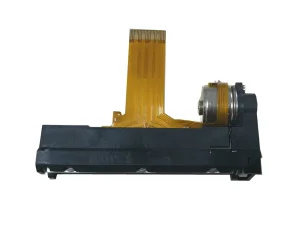
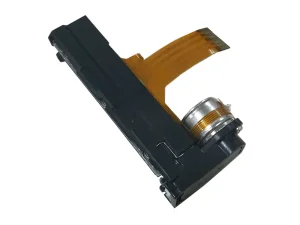
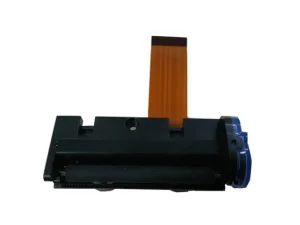
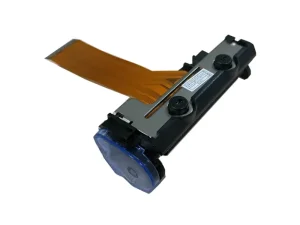
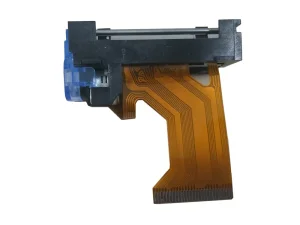
Optimizing daily transactional operations across metropolitan businesses, medical channels, and urban logistics networks.





Purchasing electronic modules internationally requires supplier reliability. At OPOS, we integrate structural quality controls with pricing parameters that allow distributors and device manufacturers to build robust, scalable business models.
Tailored physical housing adjustments, specific gear materials, and customized circuit interfaces designed around your local terminal requirements.
Flexible maritime and air transportation lines linking Xiamen, Fujian to Santos, ensuring shipping security and documentation compliance.
Complete lifecycle testing validation, spare components support, and engineering-level troubleshooting tools for firmware development.
Comprehensive engineering, purchasing, and logistics questions answered by our system architecture team.
Get direct support from our system design engineers. Whether you need physical structural modifications, custom ribbon cable designs, or custom voltage adaptations, OPOS provides reliable technical solutions.
Send Inquiry Now