Engineered with industrial accuracy, compatibility, and high duty-cycles for commercial ecosystems.
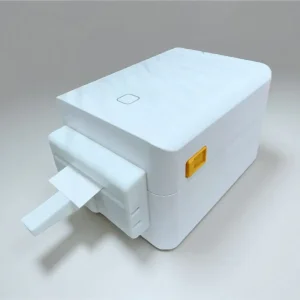
An Industrial Analysis on Media Control, Hardware Durability, and OEM Supply Chain Efficiencies.
In high-speed logistics and automated retail, the divide between traditional sheet-fed media and thermal label processing is closing. Historically, bulk sheets of shipping documents or packing slips were run through heavy office machines. Today’s industrial landscape demands automated integration: merging high-performance direct thermal/thermal transfer mechanisms with the raw efficiency of fan-fold sheet feeding paths. Enterprise procurement teams no longer look for simple stand-alone systems; instead, they seek versatile, unified print engines capable of managing varied materials under continuous heavy usage.
SEO Insight & Intent: High-volume logistics and industrial manufacturing operations require reliable, custom-engineered equipment. The compatibility of critical thermal mechanisms with international standards like SEIKO, EPSON, and FUJITSU forms the core foundation of dependable machinery.
Industrial printing is moving quickly toward hybrid setups. Companies now combine high-quality thermal mechanisms with automated cutting systems to handle complex label sheets and dynamic packaging workflows. Mainstream technology directions focus on three primary priorities:
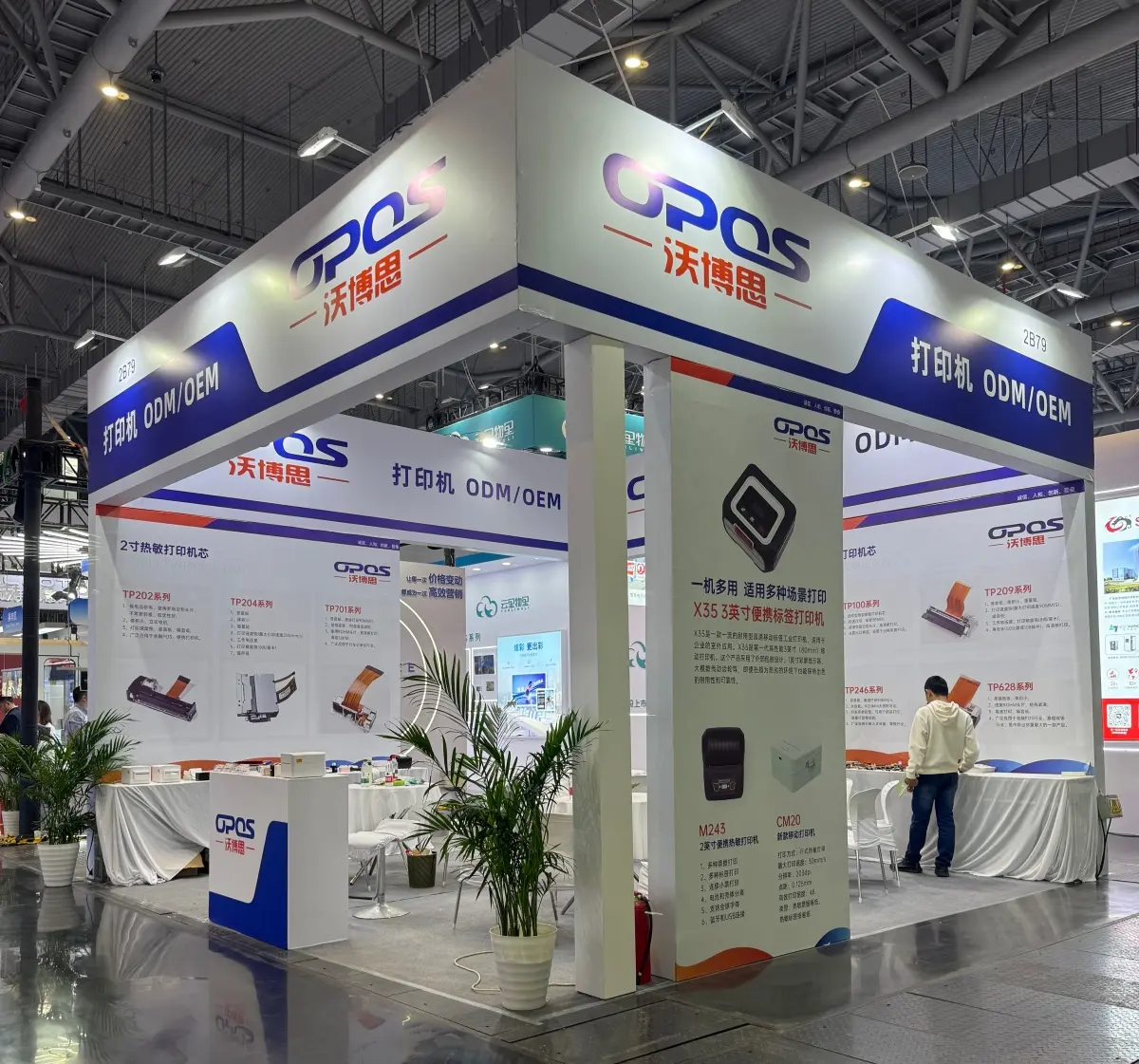
Purchasing managers at global scale look for three main qualifications when selecting a print supplier: reliability, consistency, and easy integration. With international supply chains operating around the clock, choosing a factory partner with strong technical experience and direct control over component production is essential. OPOS Xiamen designs and manufactures its key thermal print components in-house, ensuring each unit meets strict quality guidelines and holds up to demanding industrial environments.
Custom-engineered products matching varied industrial needs and kiosk applications.
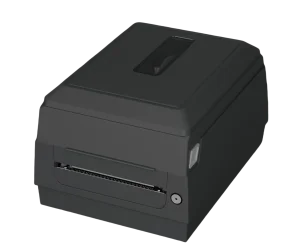
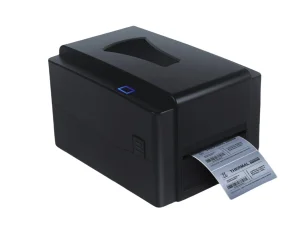
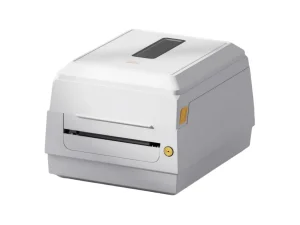
Thermal transfer and direct thermal label printers designed for heavy shipping and barcode printing.
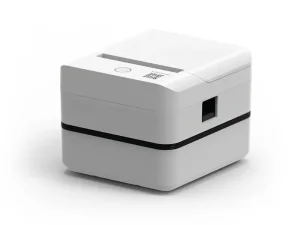
Compact, battery-powered Bluetooth printing solutions built for field service and fast delivery systems.
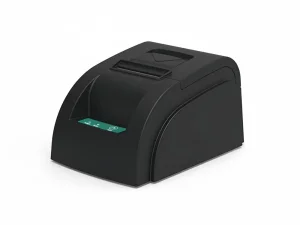
Fast, reliable receipt printers for hospitality, checkout counters, and commercial ticket points.
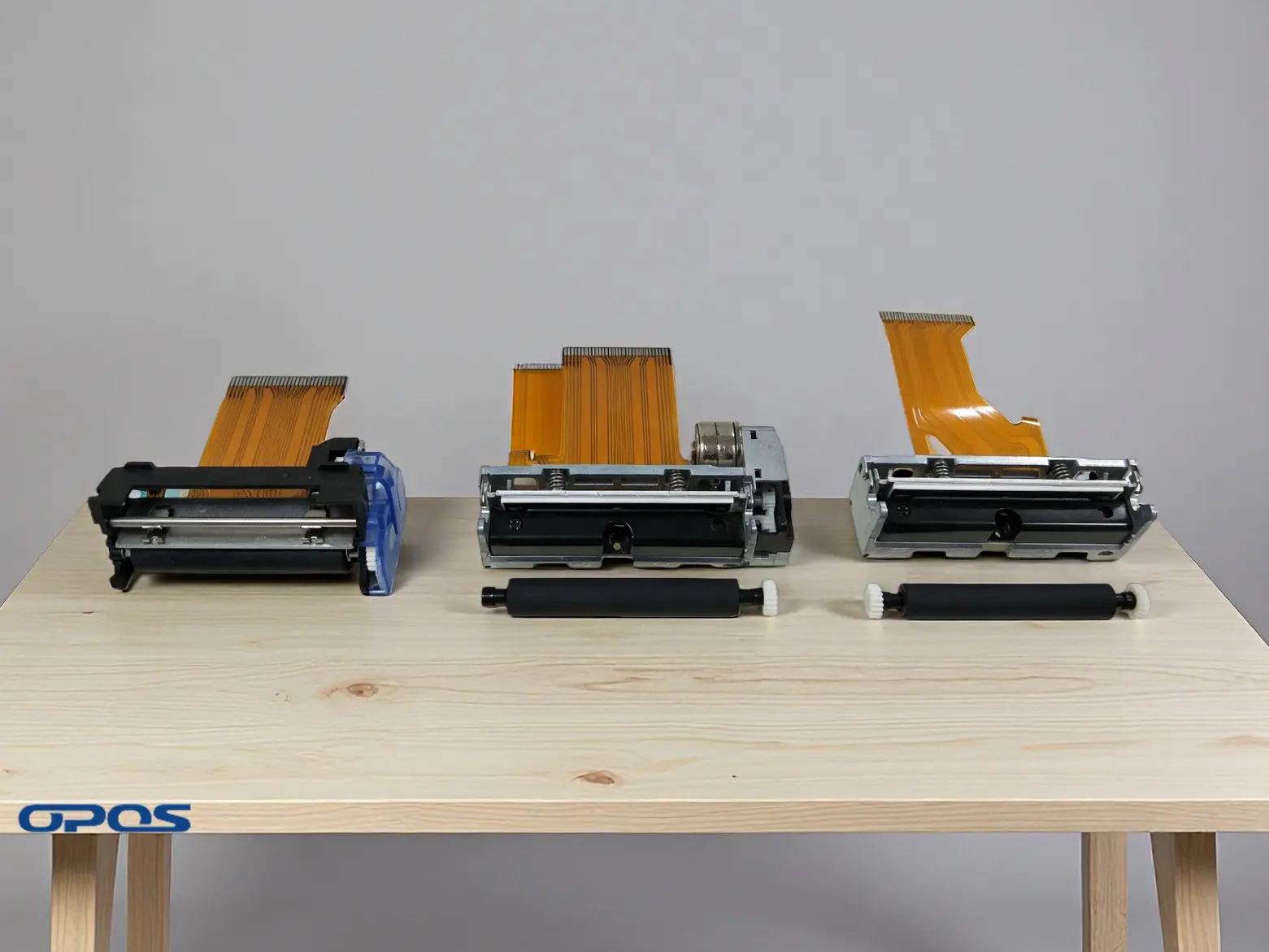
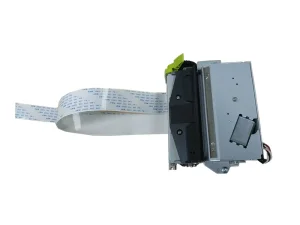
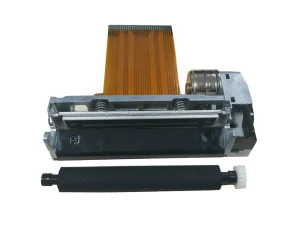
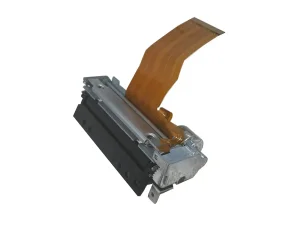
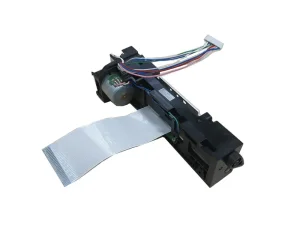
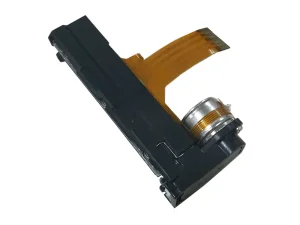
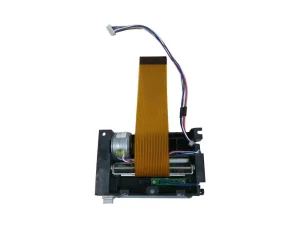
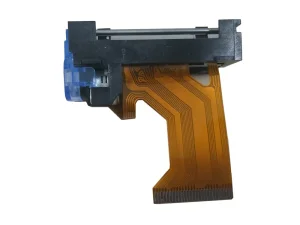
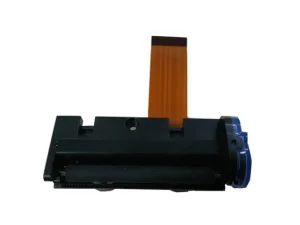
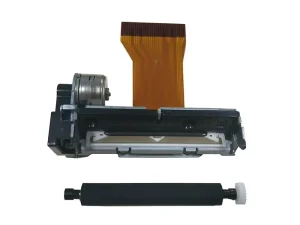
Micro thermal printing mechanisms built to match global systems like Seiko and Fujitsu.
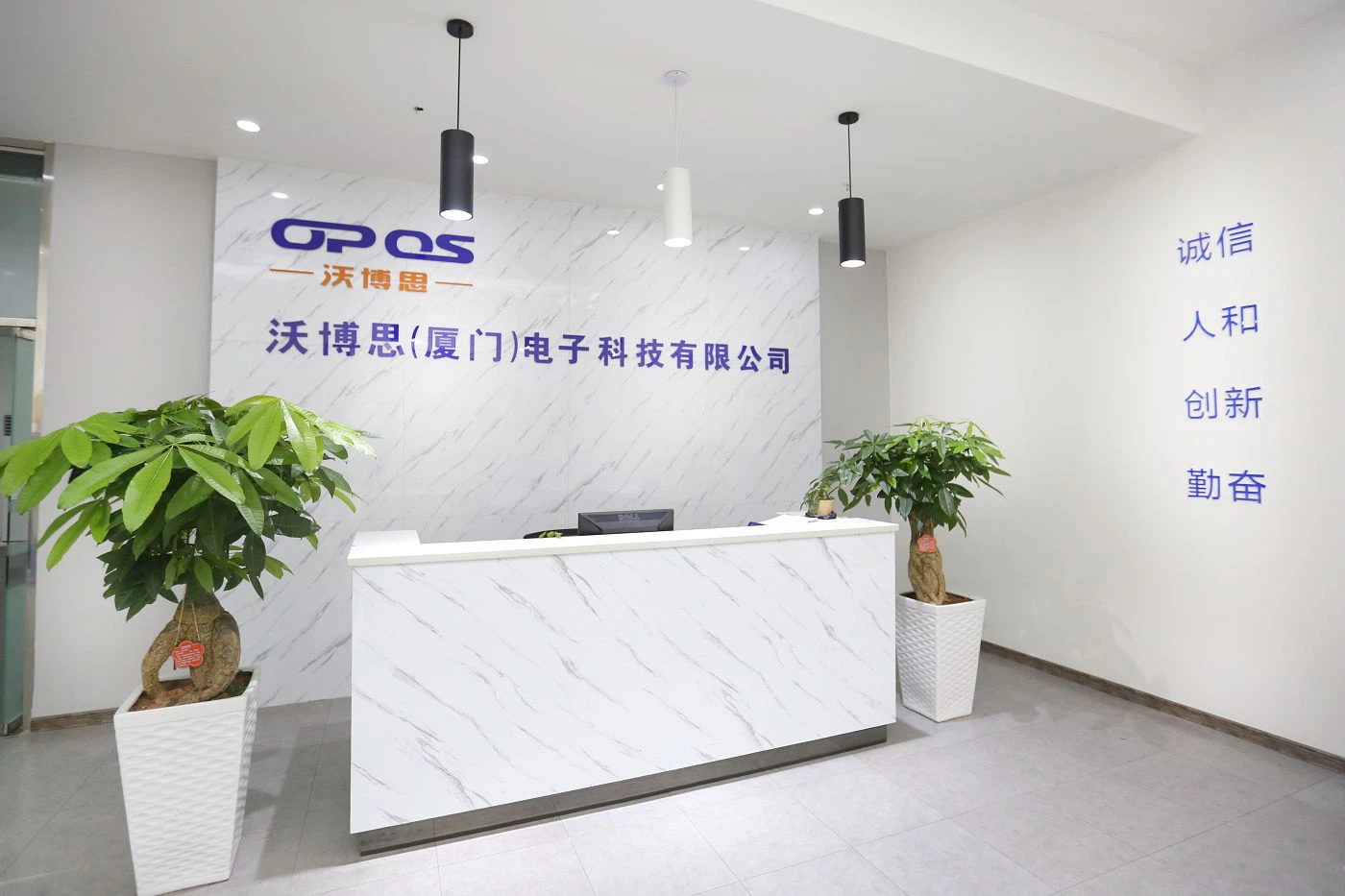
OPOS (Xiamen) Electronic Technology Co., Ltd. was established in 2005 and is located in Xiamen, Fujian Province, China. It is one of the early domestic printer mechanism factories and a pioneer in the research and development of early dot matrix printer mechanism enterprises in the region.
We are a high-tech design and manufacturing company, providing a comprehensive range of Thermal Printers, POS printer mechanisms, label/receipt printer mechanisms, dot matrix mechanisms, and precision cutter components to partners worldwide.
Helping global brands scale with reliable hardware and expert engineering support.
As a direct manufacturer, we provide tailored design changes for thermal printers and mechanisms to fit your unique enclosure and board configurations.
We manage the complete lifecycle of our products. From early engineering concepts to final mechanical design, we control development to ensure stable long-term supply.
Our engineering support team coordinates closely with you to resolve integration challenges, write firmware adaptations, and assist during project rollouts.
We back our production quality with a full 12-month warranty, including diagnostic guidance, quick spare parts delivery, and continuous online technical assistance.
Choosing an industrial-grade printer manufacturer requires assessing key engineering details. The operating environments for POS kiosks, delivery trucks, and medical ticketing are demanding, with high variations in dust, temperature, and usage intensity. Thermal mechanisms must be built to handle these challenges consistently.
A critical limitation of small print mechanisms is heat buildup. During periods of heavy, continuous printing, the thermal head elements generate significant heat. Standard structures can overheat, leading to lighter print quality or temporary thermal shutdowns. OPOS designs custom thick-alloy heatsinks for our high-output models, helping dissipate heat quickly to maintain dark, clear prints during continuous operations.
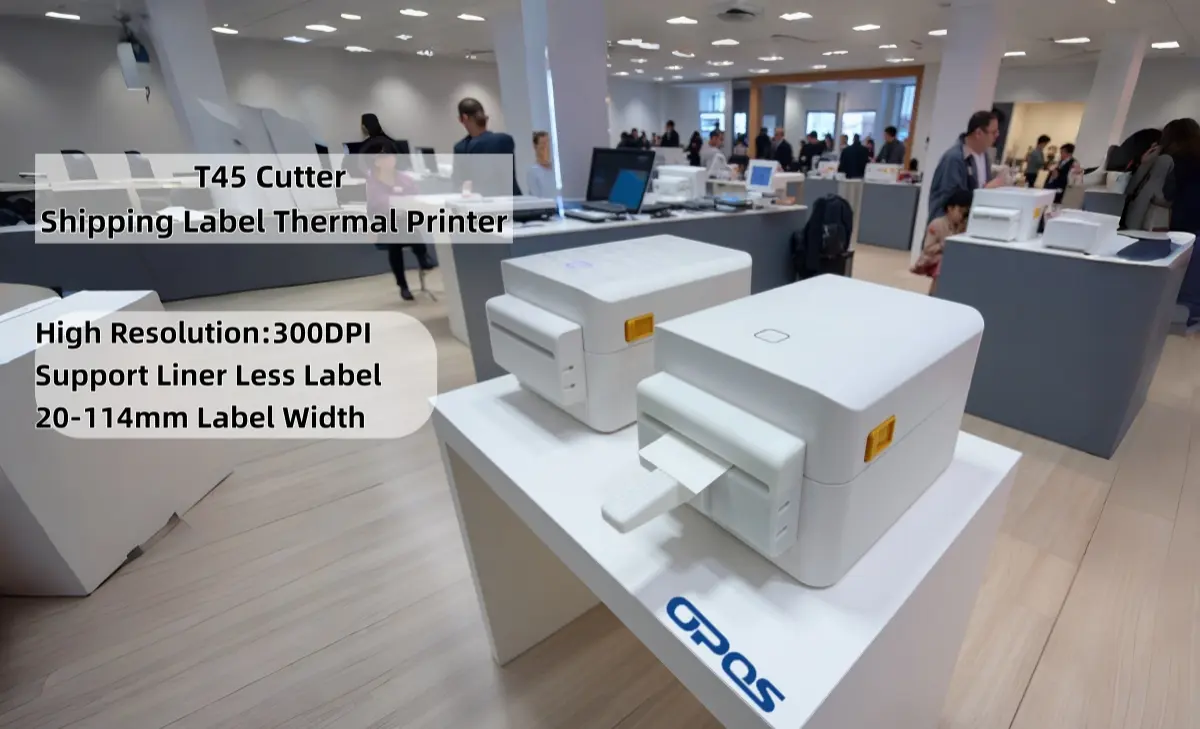
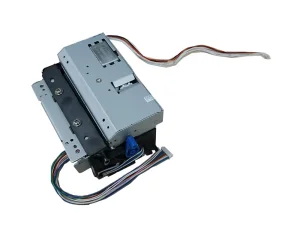
Cutter failure is a frequent point of maintenance in automated kiosk terminals. Traditional configurations rely on simple gravity-fed or light slide mechanisms that can jam easily when sticky label backing residue accumulates. Our heavy-duty cutting systems, such as the cutter on the T45, feature self-cleaning blades and high-torque motors. These components are designed to complete over 1.5 million clean cuts before requiring maintenance.
OEM/ODM Technical Compatibility: Our TP series mechanisms are built with the same physical dimensions and data connections as standard industry modules. This enables plug-and-play replacement for systems built around SEIKO, EPSON, and FUJITSU mechanisms, lowering engineering costs for updates.
Modern terminal systems rely on varied operating systems, from older Windows-based platforms to modern Android and Linux configurations. Our print mechanisms support standard ESC/POS command structures along with comprehensive SDKs. This ensures smooth software integration and gives developers deep control over print density, sensor adjustments, and active hardware status monitoring.
Field-tested print designs engineered for specific operational demands.
Designed to handle high volumes of barcode shipping labels, supporting fast package sorting and reliable tracking update workflows.
Provides fast receipt printing and durable mechanisms for checkouts, restaurants, and active retail terminals.
Ensures precise, high-density print outputs for medical patient tracking bracelets, prescription indicators, and laboratory samples.
A structured approach to design, manufacturing, and delivery validation.
We review your technical specifications, spatial limits, and communication interfaces to plan the best component fit.
We align firmware protocols and layout dimensions to ensure physical compatibility with your housing and mainboard.
We assemble and supply initial evaluation prototypes to test performance limits in your local system environment.
We run assembly within our ISO9001-certified factory, using strict test steps to ensure uniform production standards.
We pack items according to your shipping and labeling instructions, running final batch diagnostics before shipment.
We manage air, sea, or express distribution to your assembly hubs, providing continuous engineering support for integration.
As standard-setting industry partners, OPOS aligns development with key industry shifts toward environmental and technical updates. We focus on:
Modern shipping centers generate significant paper liner waste. Designing hardware that prints directly onto backing-free labels helps companies reduce material consumption and lower packaging costs.
Our newer generation print mechanisms include built-in temperature sensors and diagnostic systems. These help prevent damage by actively monitoring device temperature and printhead wear over time.
Our manufacturing and assembly lines operate under strict quality management processes. Our hardware holds CE, FCC, RoHS, and REACH certifications, making it easy to integrate our products into devices destined for global markets.
High-reliability designs compatible with major global systems.
Technical guidance and answers for development teams and purchasing managers.
Read the latest product updates and corporate updates from the OPOS team.