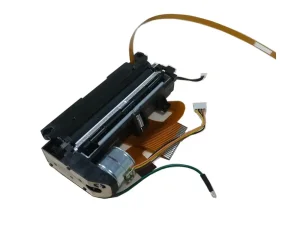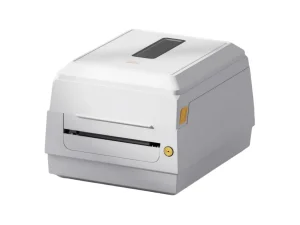
High-performance components designed for exact system compatibility and reliable mechanical output
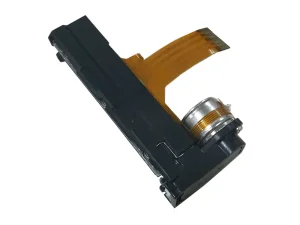
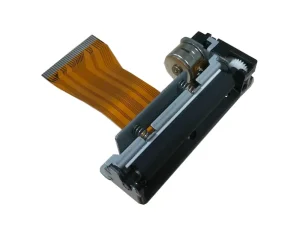
Decoding market demand, IoT hardware integration, and the transition to high-precision micro-printing solutions
In the contemporary landscape of industrial automation, retail digitalization, and micro-logistics, the demand for mini heat printers (also widely classified as compact thermal receipt/label printers and micro printheads) has experienced an exponential surge. Once relegated primarily to standard countertop POS cash drawers, micro-thermal printing technology has decentralized. Today, it serves as a critical interface component across diverse fields such as medical instrumentation, handheld law enforcement terminals, modern smart mobility devices, and unmanned logistics dropboxes.
The global transition to decentralized printing is driven by the rapid growth of the Internet of Things (IoT). Modern industrial operations depend heavily on decentralized data hubs. In warehousing environments, instead of utilizing centralized label dispatch centers, operators rely on wearable mini label makers to execute local on-demand printing, drastically reducing error rates. Similarly, modern medical equipment depends on highly integrated, noise-free thermal micro-printers to output real-time waveforms and data summaries at the bedside.
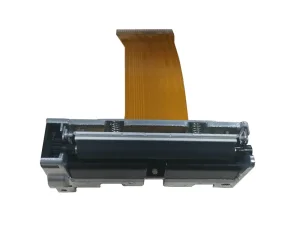
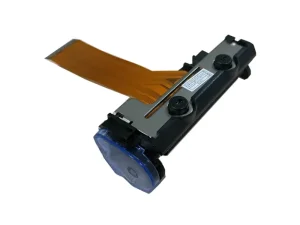
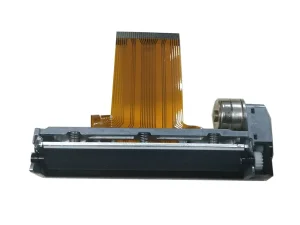
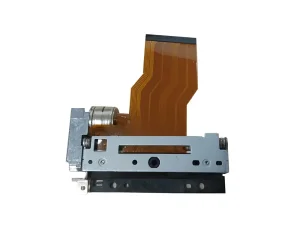
From an engineering perspective, the search intent of global procurement officers has evolved from simple hardware sourcing to a search for structural compatibility. High-performance micro printheads must remain compatible with international industry benchmarks—specifically layouts defined by legacy Japanese manufacturers like Seiko and Fujitsu. As legacy designs require replacement or scaling, factories that offer 1:1 drop-in electrical and physical alternatives (such as the TP202LV compatible with Seiko LTP02-245LV or the TP701 compatible with Fujitsu FTP-628MCL701) provide immediate development, prototyping, and assembly advantages to system integrators worldwide.
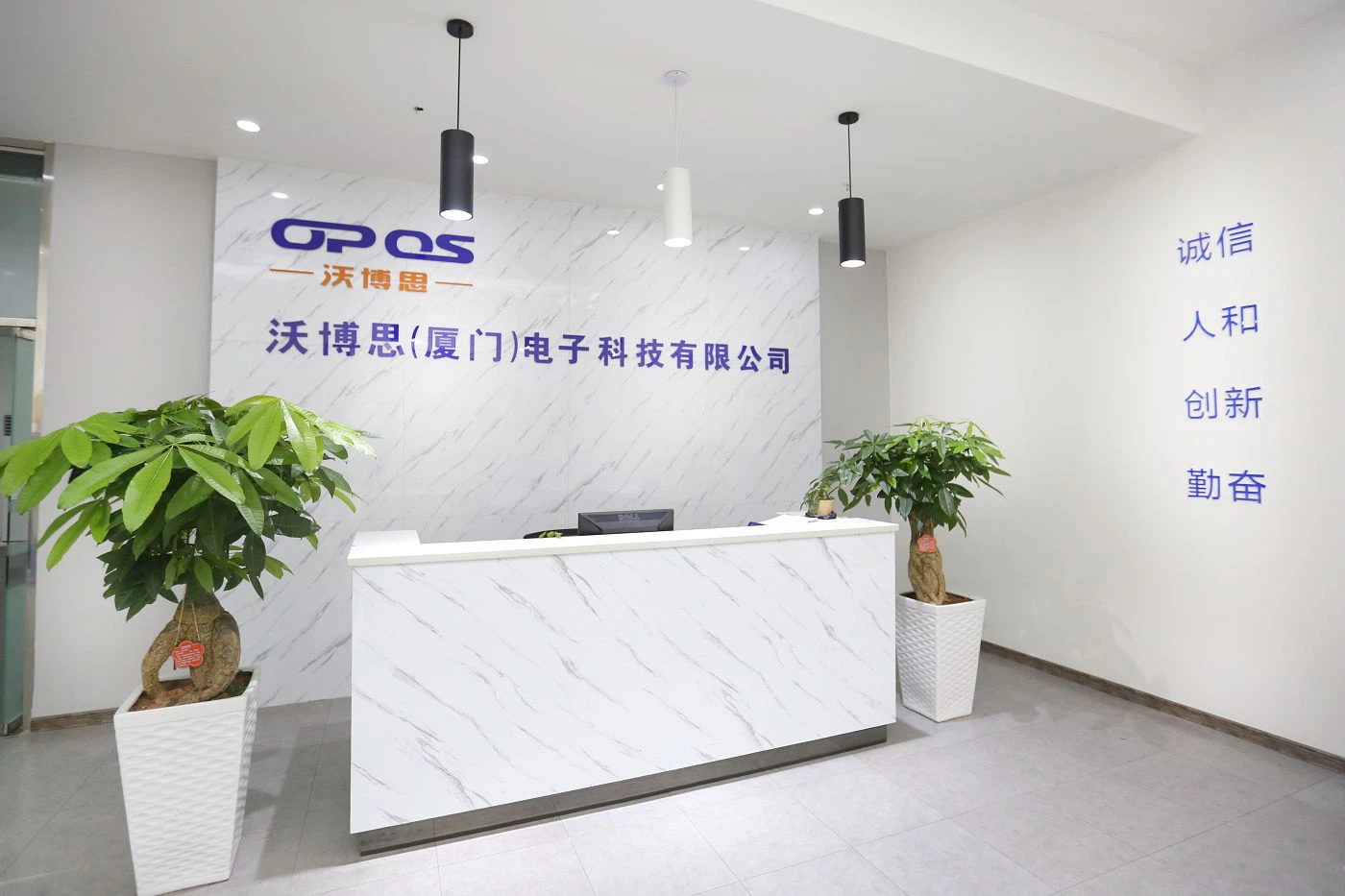
OPOS (Xiamen) Electronic Technology Co., Ltd. sits at the center of the Chinese micro-electronics hub in Xiamen, Fujian Province. Since 2005, our factory has consistently refined its engineering workflow, turning complex electromechanical designs into scalable, high-volume production lines. Our facility operates with vertical integration, which directly translates to critical cost advantages and quality assurance for overseas bulk purchasers.
Engineered to support seamless operations across modern logistics, commercial retail, and smart manufacturing systems
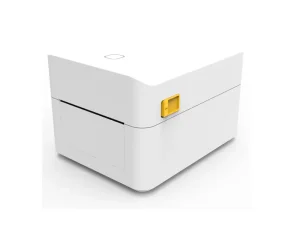
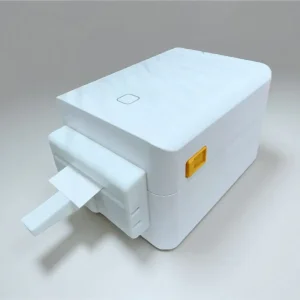
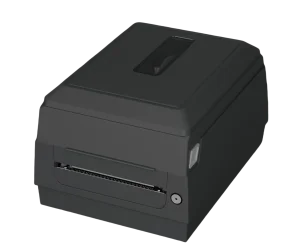
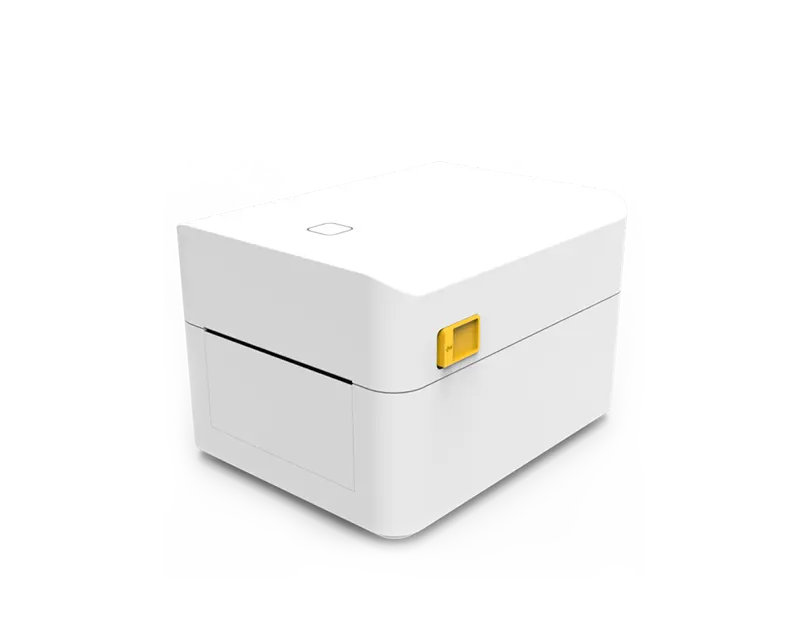
Heavy-duty 4x6 desktop shipping label machines and specialized linerless barcode engines for demanding logistics lines.
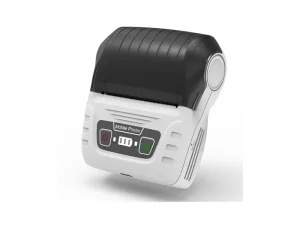
Compact, battery-efficient 2-inch and 3-inch wireless Bluetooth systems designed specifically for mobile field operations.

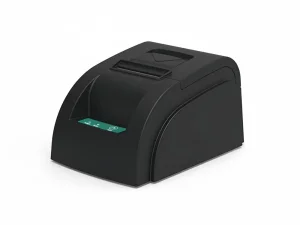
High-speed thermal receipt solutions for retail countertops and hospitality systems, featuring integrated auto-cutters.

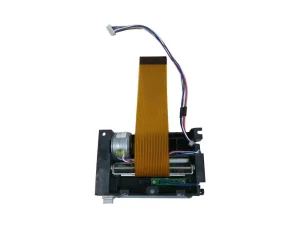
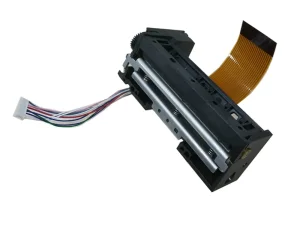
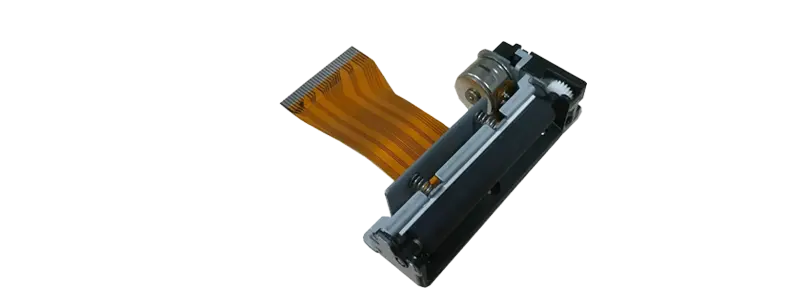
Micro-footprint 58mm printer mechanism engines designed for integration into handheld devices and medical tools.
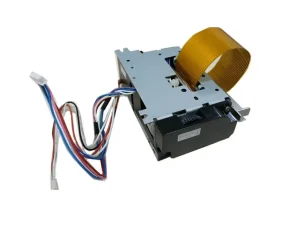
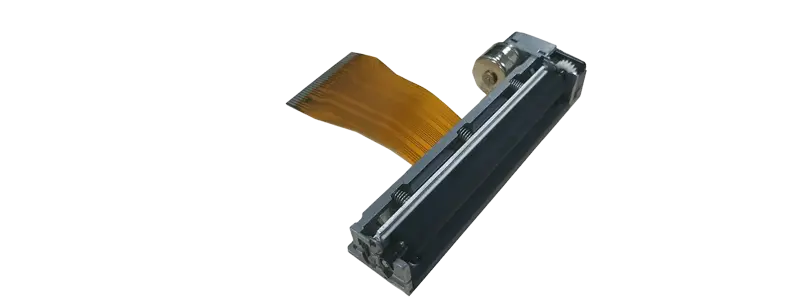
Medium-format 80mm printing modules engineered for self-service kiosk terminals, gas pumps, and POS hubs.
Technical comparison of OEM thermal mechanisms against legacy Japanese industrial standards
For system hardware designers and integration architects, replacing thermal components requires absolute physical and electrical matching. Operating voltages, physical gear alignments, pin configurations on flexible printed circuits (FPC), and thermistor resistance curves must align precisely. The table below details how OPOS-engineered thermal mechanisms align with major international legacy standards, facilitating quick and low-risk design updates:
| OPOS Mechanism Model | Compatible Legacy Standard | Paper Width | Operating Voltage | Max Print Speed | Primary Industrial Use Case |
|---|---|---|---|---|---|
| TP202LV Series | Seiko LTP02-245LV | 58 mm (2") | 4.2V - 8.5V | 90 mm/s | Handheld POS Terminals & Medical Monitors |
| TP215 Series | Seiko LTPZ245 | 58 mm (2") | 4.2V - 8.5V | 75 mm/s | Mobile Electric Utility Meters |
| TP345 Series | Seiko LTPV345C | 80 mm (3") | 4.2V - 8.5V | 85 mm/s | Portable Ticketing & In-Vehicle Billing |
| TP701 Series | Fujitsu FTP-628MCL701 | 58 mm (2") | 4.2V - 8.5V | 80 mm/s | Retail Smart Scales & Self-Service Cashiers |
| TP203LV Series | APS SS205-LV | 58 mm (2") | 4.2V - 8.5V | 90 mm/s | Gas Station Pumps & Parking Kiosks |
By offering these drop-in replacements, OPOS helps product teams maintain project momentum and secure supply lines without needing costly redesigns of main control boards or structural enclosures. This flexibility minimizes development risk and reduces costs for engineering teams handling life-cycle extensions of existing products.
Reliable thermal printing performance across demanding field, retail, and medical environments





Our structured production methodology ensures precision engineering from initial consultation to final delivery
Aligning structural needs, voltage configurations, and brand targets.
Finalizing electrical parameters and physical component designs.
Precision CNC prototyping and FPC test-runs for integration audits.
Assembling runs within our ISO-certified facilities under strict QA.
Custom retail or bulk protective packaging with post-run quality checks.
Export handling by sea, air, or land with full customs clearances.
Essential insights for procurement officers managing supply chains in a changing regulatory landscape
Environmental standards in North America and the EU are driving a shift toward linerless thermal media. Traditional pressure-sensitive labels rely on silicone-coated backing paper, generating considerable non-recyclable waste. Modern thermal systems, like the OPOS T45 Linerless Shipping Label Printer, feature integrated non-stick rollers and precision cutting assemblies designed specifically to handle linerless media. This adaptation helps logistics networks eliminate backing waste, halve shipping weight, and reduce roll swap downtime.
In field service operations, utility reading, and on-site ticketing, device portability is key. Modern mini printers must optimize thermal activation cycles to extend battery life. Working closely with control systems, our low-voltage mechanisms (which operate down to 4.2V) use dynamic thermal activation. This approach ensures high-contrast prints while reducing current spikes, allowing field teams to operate for longer periods on a single charge.
Procurement teams often face supply bottlenecks when relying on single-source component manufacturers. To mitigate these risks, engineering teams are incorporating cross-compatible footprints into their motherboard layouts. Selecting mechanisms with drop-in compatibility with legacy models (such as Seiko's LTP or Fujitsu's FTP series) allows procurement managers to diversify suppliers, stabilize lead times, and maintain production even during high demand periods.
Answering technical, electrical, and procurement integration questions for system developers
Stay updated with our newest technology announcements, exhibition highlights, and technical guides
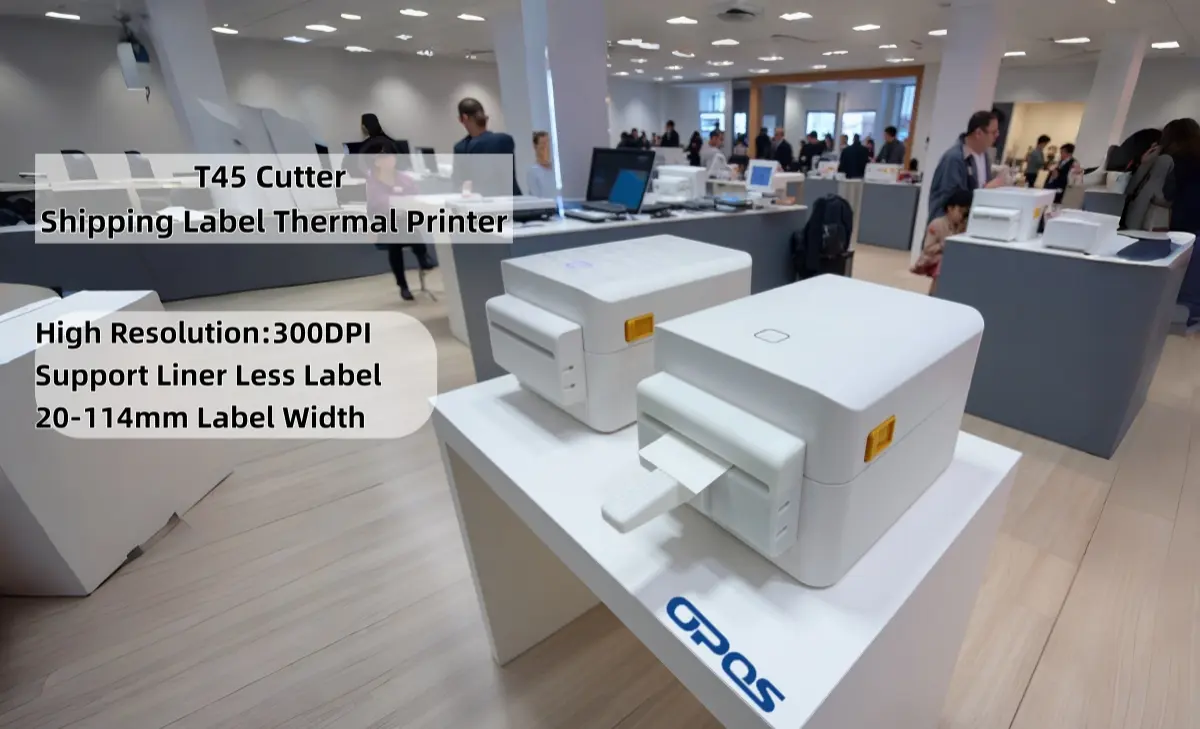
At Xiamen OPOS Printer, we are thrilled to announce the launch of our latest innovation: a high-resolution, low-voltage mechanism series designed for modern portable equipment.
Read Article →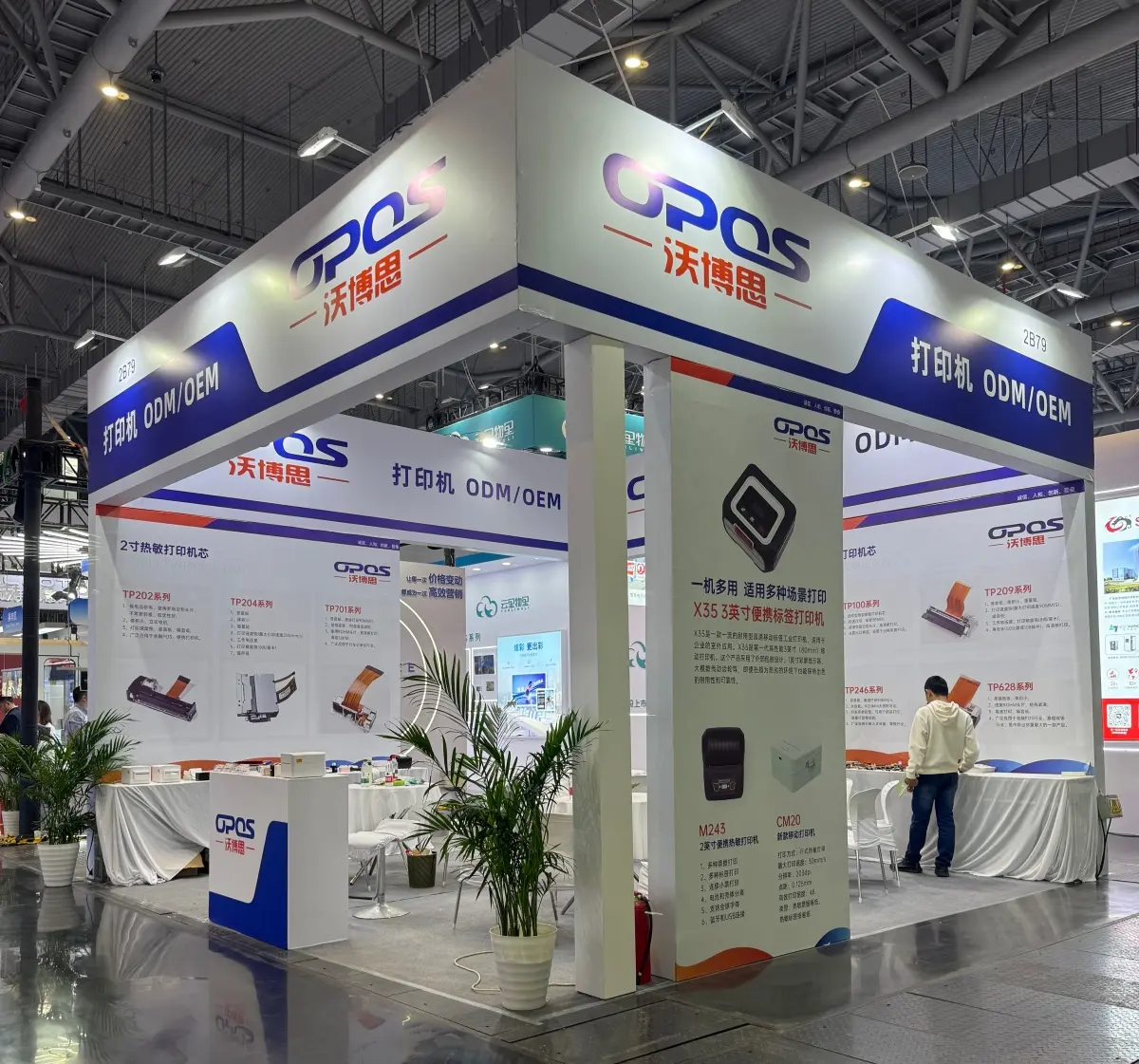
We are excited to share that OPOS Printer recently participated in the Chinashop Exhibition, showcasing our smart retail, self-service kiosk engines, and mobile logistics solutions.
Read Article →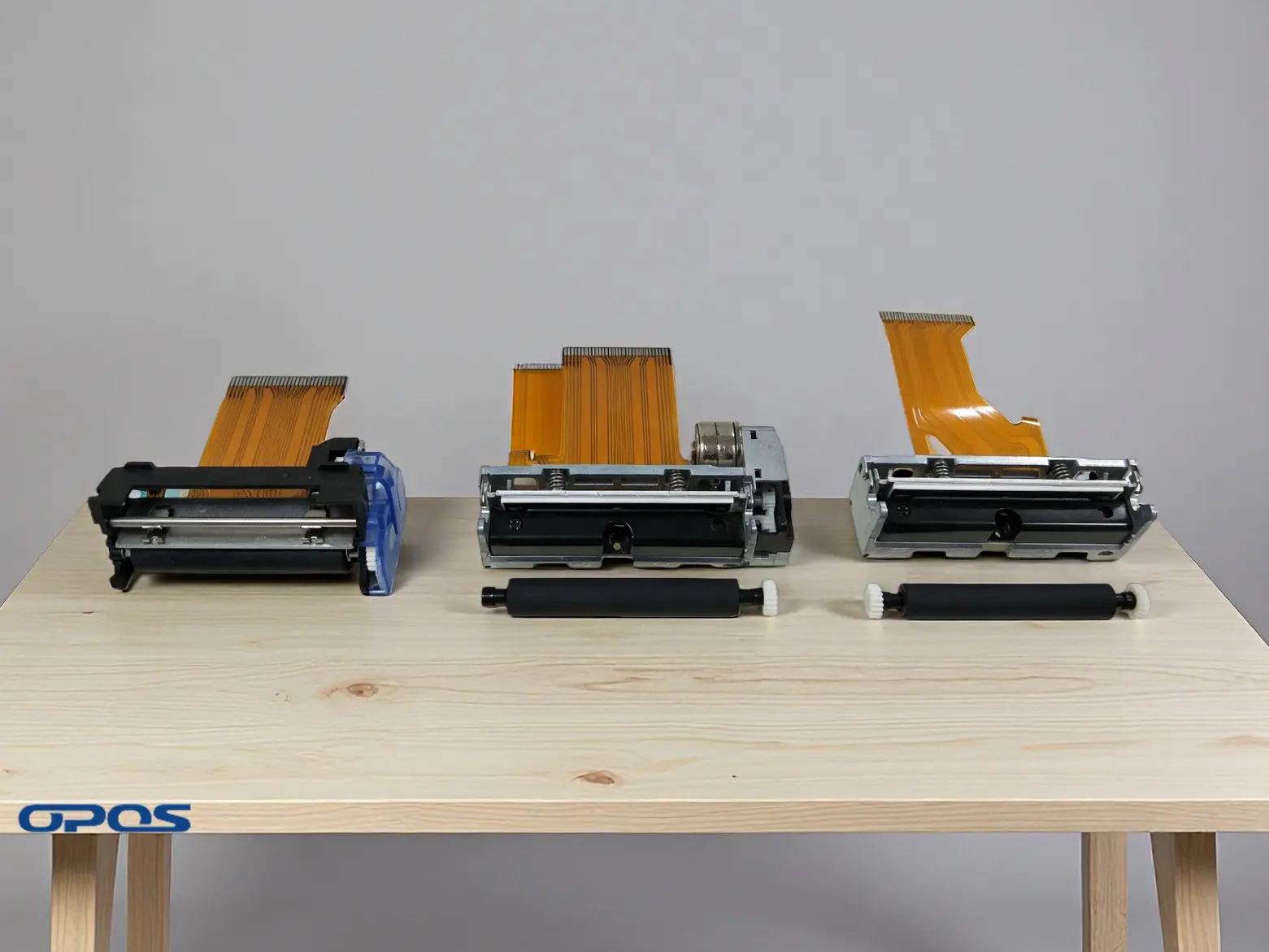
A thermal printhead, also known as a thermal printer mechanism, is the core component of any receipt or label printer. Learn about its structure and integration in our detailed guide.
Read Article →Explore our line of compatible print engines, desktop units, and portable sticker printers