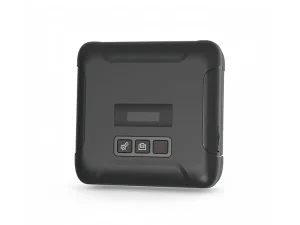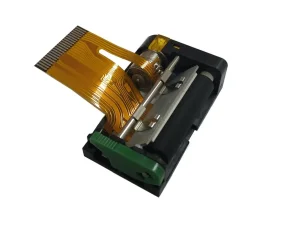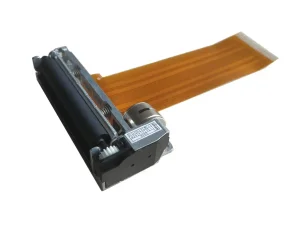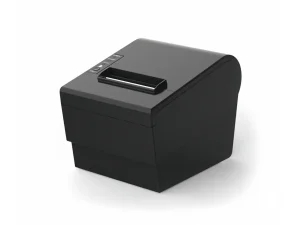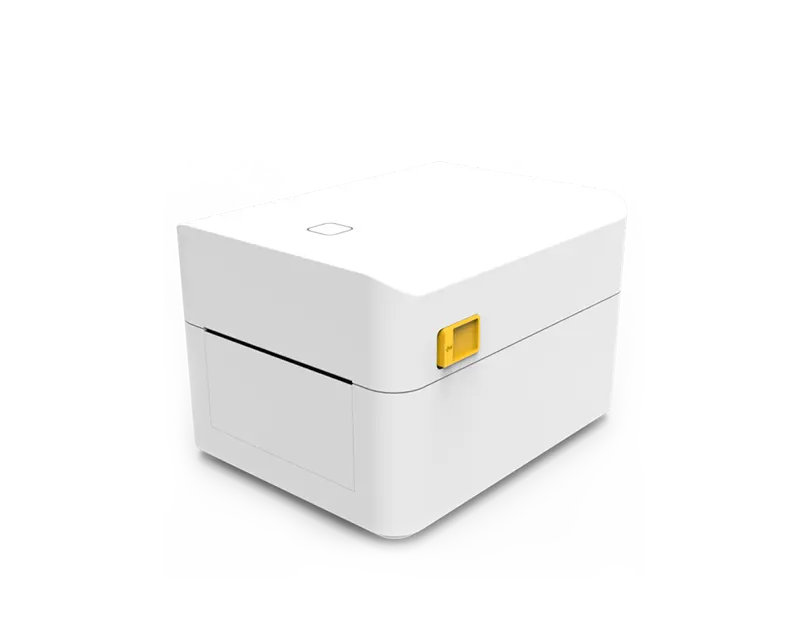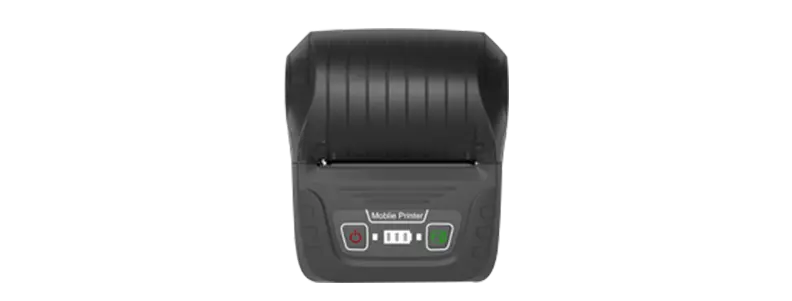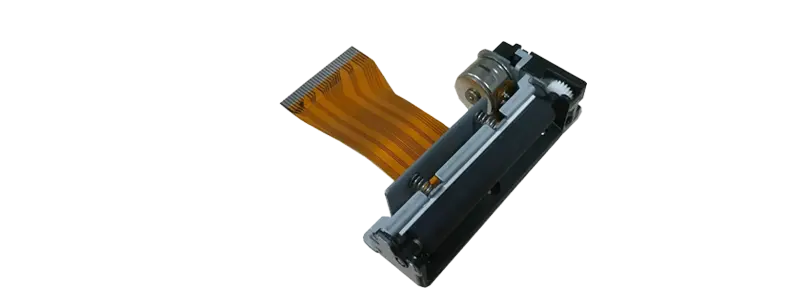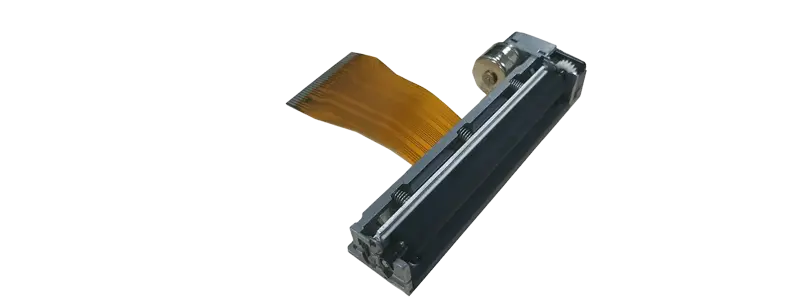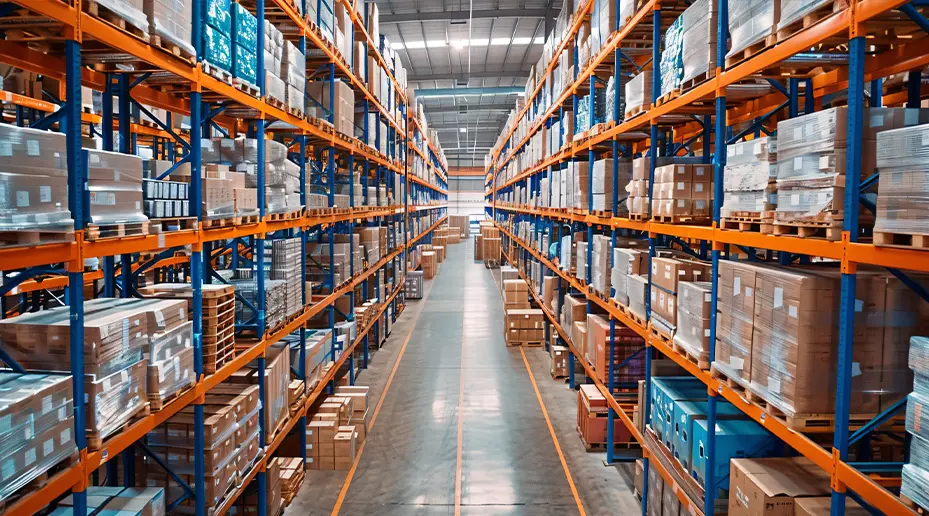
Reliable components designed for high-throughput retail, logistics, and healthcare environments.
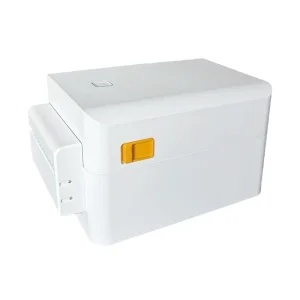
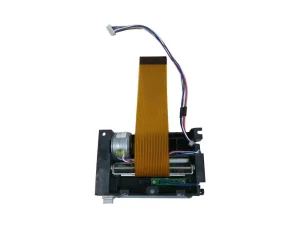
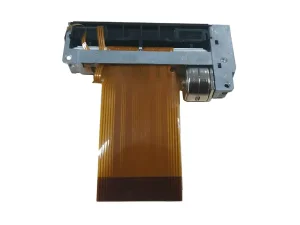
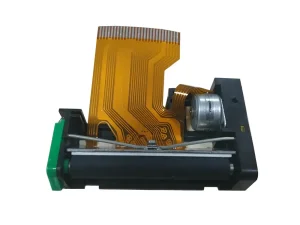
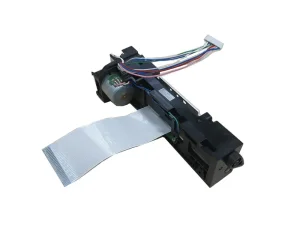
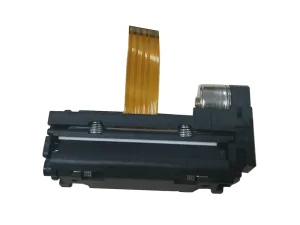
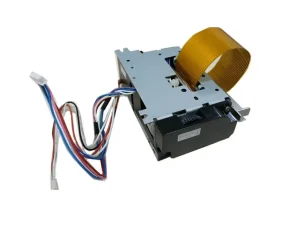
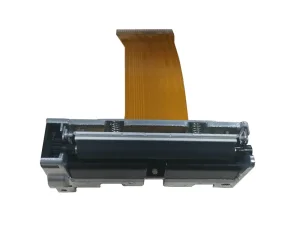
Engineered for relentless performance. Discover the structural advantages of our global thermal printer mechanism manufacturing ecosystem.
End-to-end design, rapid molding, custom PCB design, and mechanical integration for specialized printing units.
Dedicated research labs developing proprietary micro-controllers, advanced cutting-blade alloys, and motor drivers.
Global technical assistance from product engineers resolving embedded integration issues and protocol optimization.
Underpinned by a comprehensive 12-month quality warranty on all printing mechanisms, cutter modules, and logic boards.
An in-depth analysis of global market trends, high-speed thermal head mechanics, and China's efficiency footprint.
In the modern connected economy, the direct thermal printing market has evolved from simple point-of-sale receipt output to a mission-critical technology driving logistics tracking, healthcare safety, and automated retail delivery. Direct thermal printheads function by applying heat directly to chemically treated paper. As the heat hits the thermochromic coating, it triggers a clean chemical reaction, rendering barcodes and text without ink, ribbons, or toner. This simplified architecture ensures high reliability and minimal maintenance.
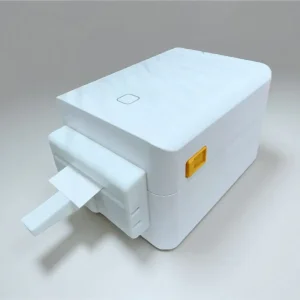
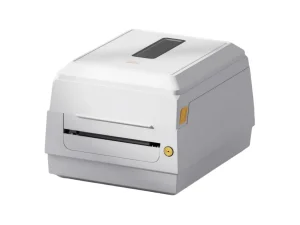
The growth of global e-commerce and rapid logistics has accelerated the demand for high-capacity linerless label printers. Linerless thermal technology eliminates the backing paper liner, resulting in 40% more labels per roll, reduced transport emissions, and zero waste paper in processing centers. As a result, commercial terminals and mobile dispatch devices require robust thermal printer mechanisms compatible with global standards (such as Seiko and Fujitsu layouts) to support non-stop industrial cycles.
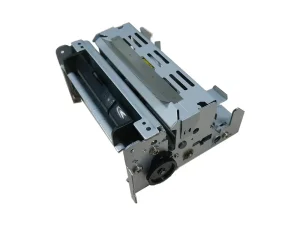
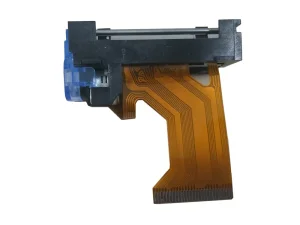
At the heart of every thermal POS terminal, automated parking meter, or kiosk is the printer mechanism. This sub-assembly includes the thermal printhead (TPH), paper feed stepper motor, platen roller, sensors (out-of-paper, head temperature, black mark), and often an auto-cutter. Specifying an OEM mechanism requires evaluating mechanical footprint, compatibility, and duty lifecycle.
Xiamen, Fujian Province, represents one of the premier industrial clusters for thermal printing technologies. Since 2005, companies like OPOS (Xiamen) Electronic Technology Co., Ltd. have spearheaded domestic manufacturing of dot-matrix and thermal printer mechanisms. The local supply chain contains specialized injection molding factories, automated coil-winding operations, high-precision surface-mount technology (SMT) lines for PCB assembly, and advanced calibration cleanrooms.
This density of specialized suppliers translates into major competitive advantages: lower component sourcing costs, rapid turnaround times on custom ODM requests (often within weeks from design to functional prototype), and direct technical support. By combining Chinese manufacturing agility with international standards (such as CE, FCC, RoHS, and ISO9001), Xiamen factories provide exceptional value for global OEMs looking to scale up production.
Different operating environments present distinct challenges that require custom engineering:
Procurement teams evaluating OEM partners must analyze critical electrical and mechanical specifications:
Evaluating operating range (e.g., 4.2V-8.5V for portable units vs. 24V for desktop) to ensure compatibility with local power distribution.
Matching the nominal printhead resistance to the output drivers to control energy distribution, ensuring crisp print density and extended TPH life.
Choosing proper thermal grease, corrosion-resistant coatings, and high-performance sealing to protect mechanisms from dust, grease, and moisture.
The thermal printing industry is transitioning toward eco-friendly initiatives, cloud connectivity, and smart diagnostics. The integration of IoT microcontrollers directly onto the printer mechanism's logic board allows for remote monitoring of head temperature, cutter cycles, and voltage anomalies. This enables preventive maintenance before failure occurs, which is crucial for remote kiosk deployments.
Furthermore, paper manufacturers are developing next-generation phenols-free (BPA and BPS-free) thermal papers. High-durability mechanisms are engineered to handle these new coatings, ensuring consistent heat transfer without leaving residue on the heating elements.
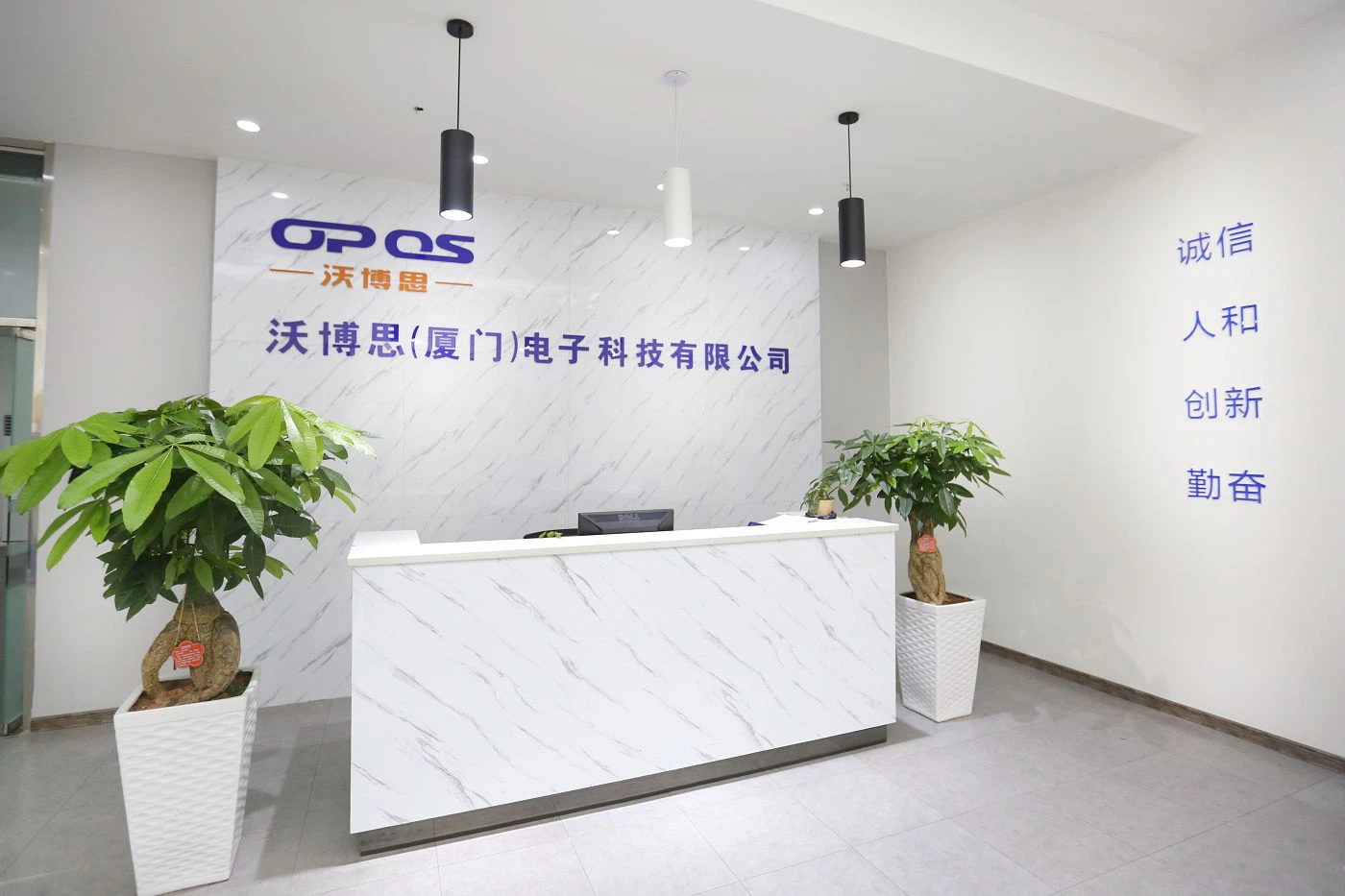
Established in 2005 in Xiamen, Fujian Province, China, OPOS Electronic Technology is one of the pioneer printer mechanism factories in the region. Over the past two decades, we have evolved into a high-tech manufacturing leader specializing in design, production, and sales of Thermal Printers, POS printer mechanisms, label and receipt mechanisms, dot-matrix mechanisms, and robust cutter assemblies.
Our facility houses advanced manufacturing equipment and cleanrooms dedicated to micro-assembly, quality inspection, and stress testing. By maintaining strict control over every production phase, we guarantee our global clients outstanding reliability and seamless compatibility with established industry formats.
Read MoreYour Success, Our Commitment: Signature Products, Unmatched Quality
Discover our specialized integrations for a seamless and innovative hardware journey.
A systematic workflow mapping out your custom printer project from initial consult to global freight delivery.

Consulting

Brand Solution

Sample Prototyping

Mass Production

Final Checking

Global Shipment
Stay Informed: Discover the Latest Updates and Insights from Our Engineering Team.
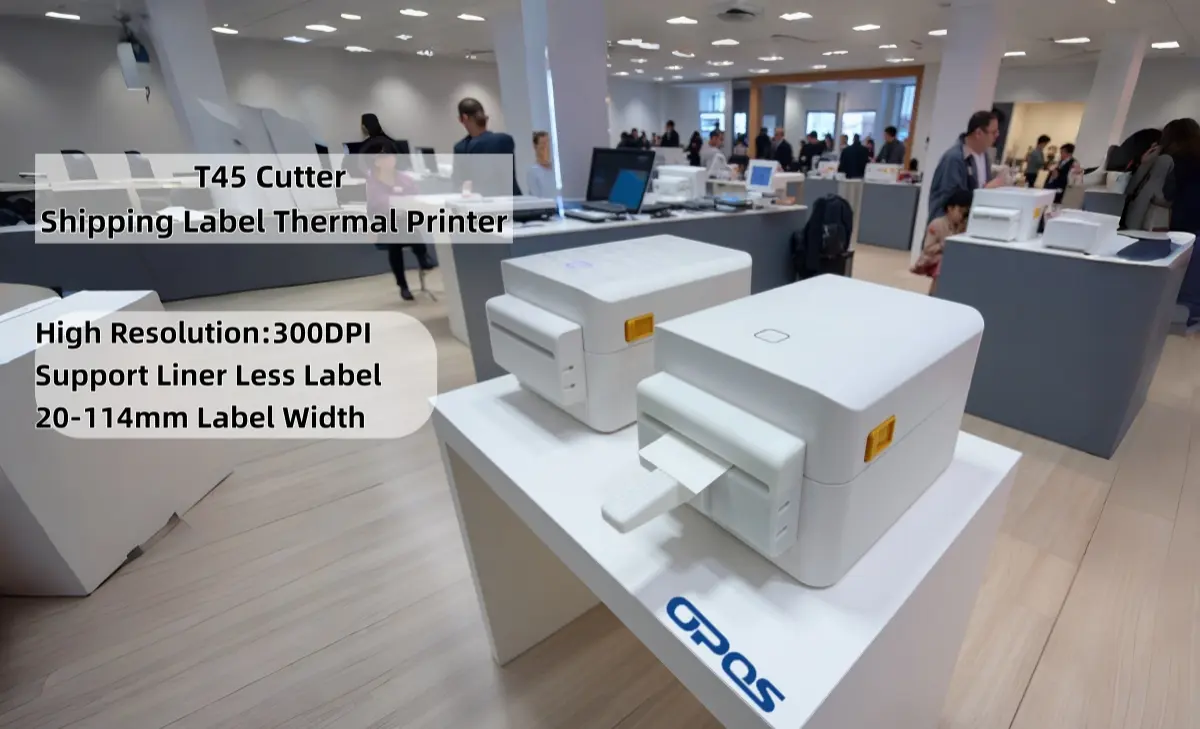
At Xiamen OPOS Printer, we are thrilled to announce the launch of our latest innovation: a high-resolution, low-voltage printhead series...
Read Article →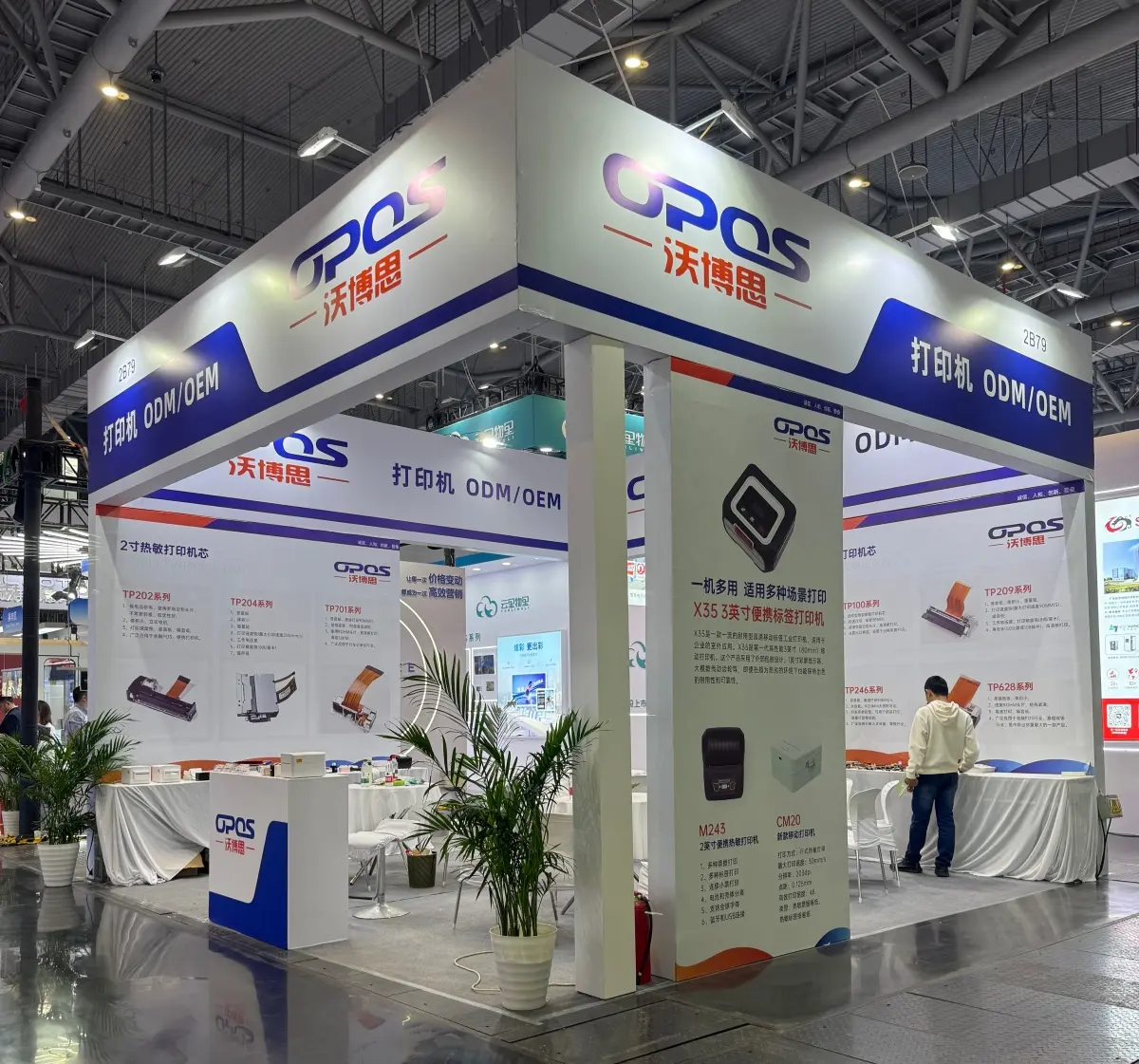
We are excited to share that OPOS Printer recently participated in the Chinashop Exhibition, showcasing our newest direct thermal POS systems...
Read Article →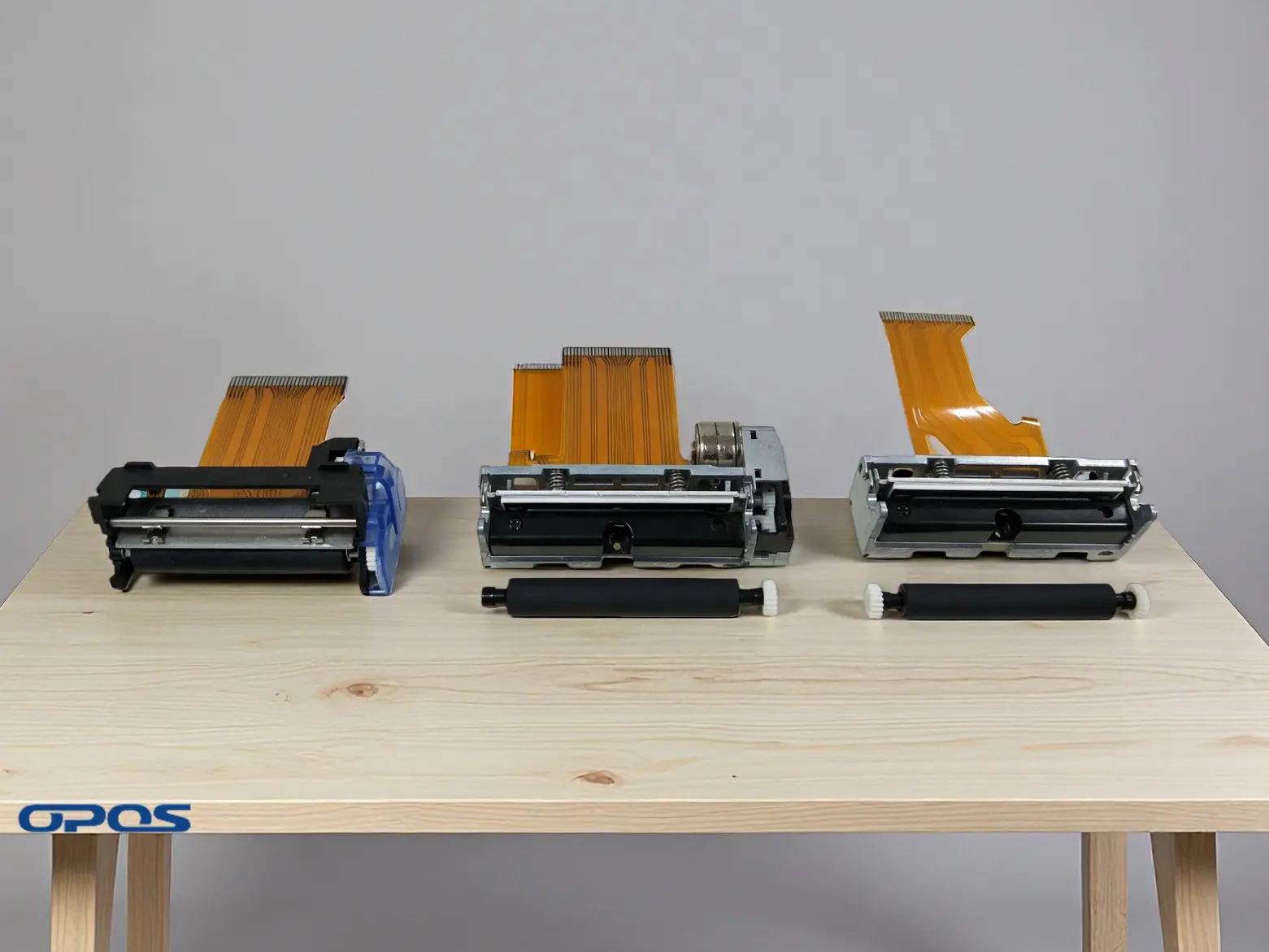
A detailed analysis of thermal printheads, motors, and controllers. Learn the key components that define print lifecycle and reliability...
Read Article →Technical answers to support your engineering, purchasing, and development decisions.
Explore our secondary line of heavy-duty thermal hardware and custom compatible mechanisms.