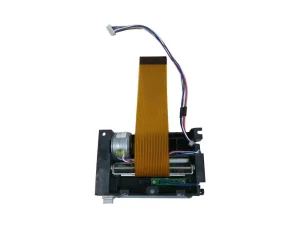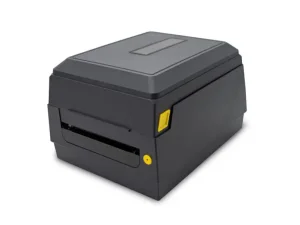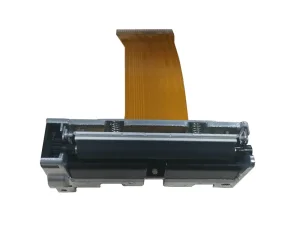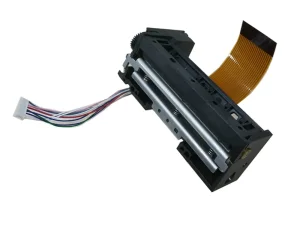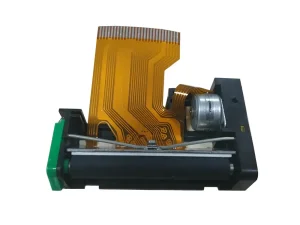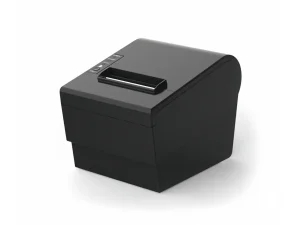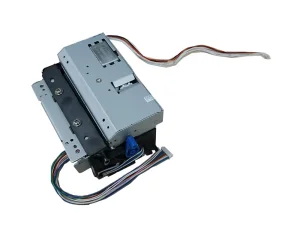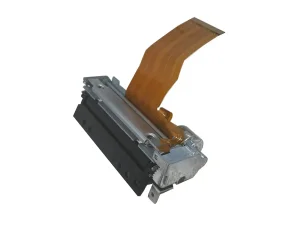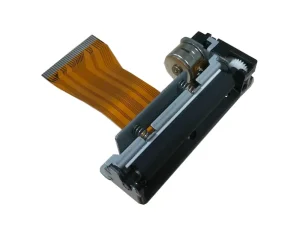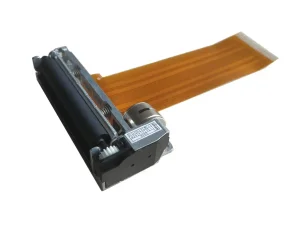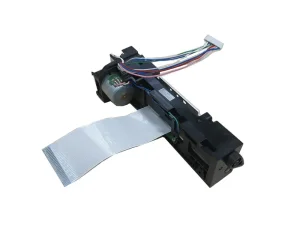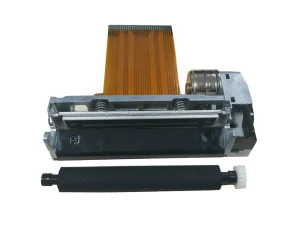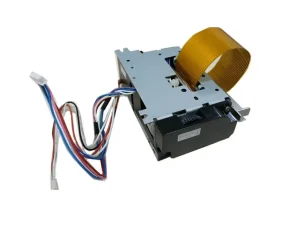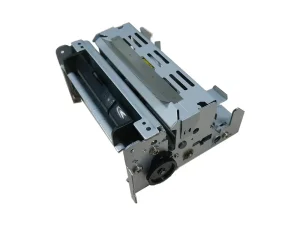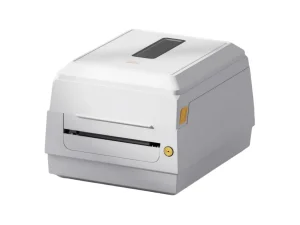
Fully compliant with global industrial benchmarks, compatible with Seiko, Fuji, and Fujitsu standards.
An in-depth evaluation of thermodynamic actuation, energy delivery, and printhead kinetics.
Direct thermal printing operates on a basic yet highly sophisticated thermodynamic principle: the targeted application of heat to initiate a chemical reaction in a specialized substrate. Unlike traditional impact or inkjet printers, the thermal printer mechanism contains no moving ink cartridges, lasers, or toner components. Instead, it relies on a solid-state component called the Thermal Print Head (TPH), containing a linear array of microscopic heating resistors.
When an electrical impulse passes through these tiny resistors, they generate localized thermal energy within microseconds, heating up to temperatures between 150°C and 300°C. The special thermal paper, coated with a dye precursor (typically a leuco dye) and an acidic co-reactant developer, is pressed firmly against the TPH by a rubberized platen roller. As the paper passes through this pinch point, the thermal energy melts the developer and dye precursor, causing them to chemically combine and form a visible, high-contrast image.
For Thermal Transfer Printing (used in robust desktop label printers like the 4" x 6" 108mm series), the process uses an intermediate wax or resin ribbon. The printhead melts the ink from the ribbon carrier onto the target media (polyester, paper, polypropylene), binding it permanently to the substrate. Controlling the thermal profile (heating and cooling cycles) is critical: excessive heat causes bleeding and reduces printhead lifespan, while insufficient heat yields faint, illegible prints.
Micro-engineered heating elements configured at densities of 203 DPI (8 dots/mm) up to 300 DPI (12 dots/mm) for razor-sharp text and precise 1D/2D barcodes.
High-torque stepper motors drive the platen roller with sub-millimeter precision, maintaining constant print velocity and eliminating image compression or elongation.
Integrated temperature sensors continuously report substrate temperatures to the control unit, which dynamically adjusts pulse widths to prevent overheating.
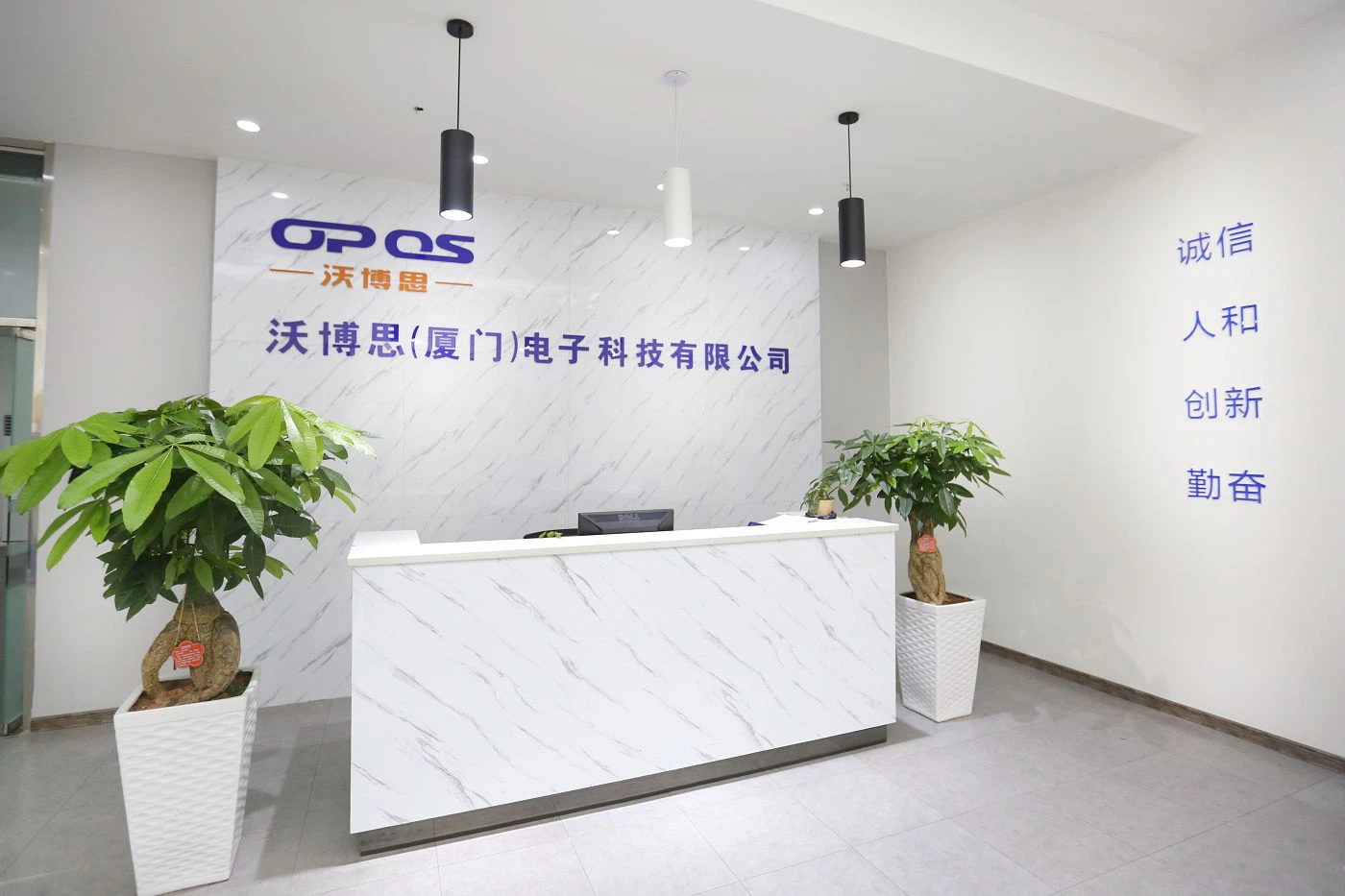
Established in 2005 and situated in Xiamen, Fujian Province, China, OPOS is one of the earliest high-tech enterprises dedicated to the research, development, and mass production of printing mechanisms and cutter components.
Over the past two decades, we have built a comprehensive production workflow spanning custom engineering, PCB assembly, tooling design, and strict quality assurance. We design and manufacture thermal printer mechanisms, POS receipt printers, mobile printers, and heavy-duty auto-cutters to serve customers in over 20 countries.
Founded
Factory Space
Invention Patents
Established
Countries & Regions Served
State-of-the-Art Factory Space
Invention & Utility Patents
Designed for reliability, engineered for seamless system integration.
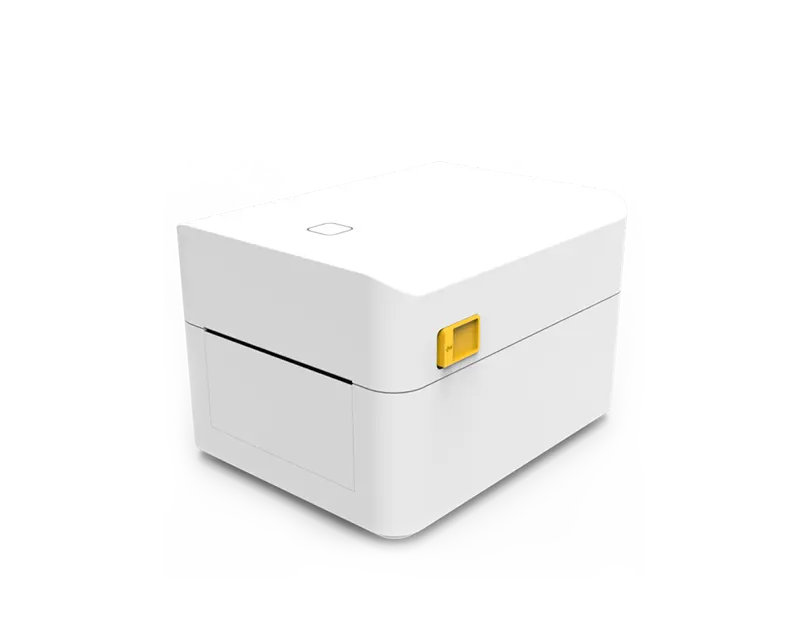
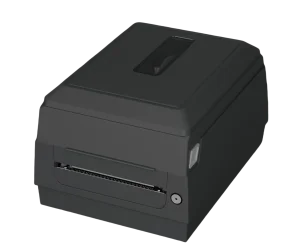
Industrial-grade desktop thermal and thermal transfer systems for logistics barcodes and shipping applications.
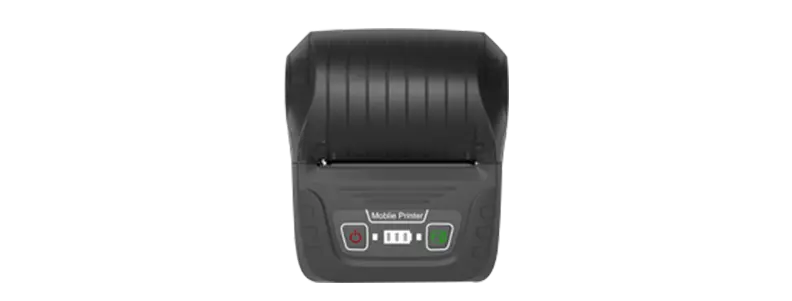
Ultra-portable, battery-powered Bluetooth and Wi-Fi thermal units for queue-busting and field invoicing.

High-speed, long-life transactional printers designed for heavy retail and hospitality environments.
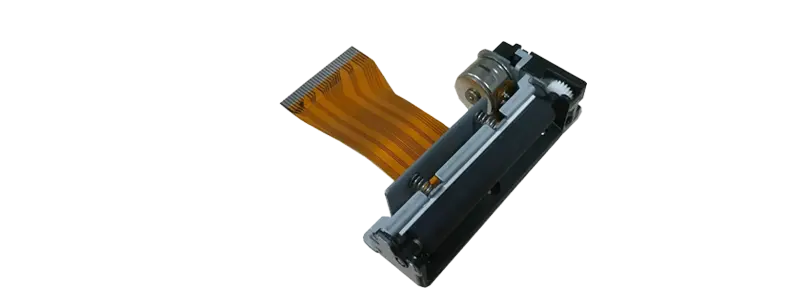
Ultra-compact structures compatible with Seiko and Fujitsu configurations for handheld terminals and portable gas station equipment.
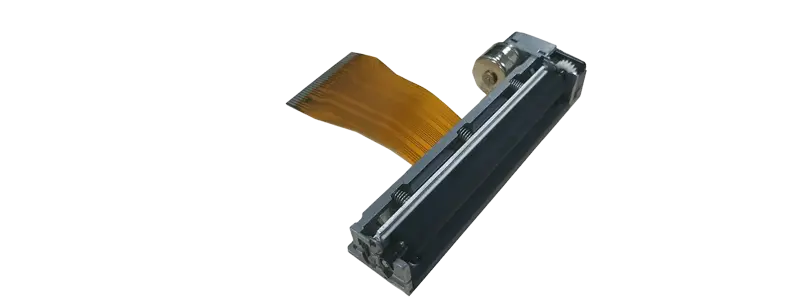
High-speed mechanisms with optional integrated cutters for heavy-duty POS kiosks and bank terminal integrations.
How automation, sustainable materials, and industrial IoT are driving design engineering.
With increasing environmental regulations and corporate net-zero commitments, enterprises are shifting away from traditional backing-liner label stock. Designing mechanisms to handle silicone adhesives without jamming or gumming up the feed gears is a critical R&D focus for OEM manufacturers.
Modern print mechanisms integrate advanced firmware monitoring. By analyzing cumulative print distance and heater-dot resistance anomalies, the systems can predict mechanical failure or printhead burnout before it causes terminal downtime, providing alerts to central network dashboards.
From freezing cold-chain warehouse environments (-30°C) to automated parking kiosks exposed to direct summer sunlight (+60°C), thermal components must maintain precise heat cycles. Intelligent thermal compensation firmware dynamically adjusts input voltage to ensure consistent print density across these extremes.
Additionally, high-speed data protocols have altered the connectivity paradigm. The integration of dual-mode Bluetooth (Classic + BLE) and high-throughput USB/serial drivers allows system developers to run complex, graphic-heavy layouts on portable units without buffering bottlenecks.
Critical metrics evaluated by hardware engineers and supply-chain officers during selection.
Procuring cheap mechanisms leads to high maintenance costs. Authoritative OEMs design mechanisms with printhead ratings exceeding 150 km of printed media and cutter life expectancy exceeding 1.5 million cuts.
Global system integrators demand drop-in replacements for industry standards like Seiko LTPD, LTPZ, and Fujitsu FTP mechanisms. Standardized electrical interfaces and mounting options reduce engineering design times.
Reputable factories utilize automated AOI (Automated Optical Inspection) and printhead simulation testing. Each batch is logged with serialized data to guarantee trace-level reliability throughout the product lifecycle.
Why Tier-1 hardware integrators select OPOS for custom thermal printer mechanism projects.

We provide full hardware and firmware design customization. From custom metal frames to specialized cutter mechanisms, we meet your exact technical parameters.

Our dedicated engineering department owns over 70 patents. We design our motor control boards, paper path geometry, and cutter components in-house.

We provide direct engineering contact channels, integration SDKs (Windows, Android, iOS), and reference schematics to speed up your project development cycles.

We stand behind our production quality. Every mechanism shipment includes a comprehensive 1-year replacement warranty, spare parts guarantee, and technical assistance.
Engineered to deliver high performance in demanding commercial environments.
A structured, quality-controlled methodology for custom printer hardware design.
Analyzing physical space envelopes, voltage/current constraints, communication interfaces (SPI, USB, Serial), and target operating environments.
Creating exact mechanical models of the print frames and gear geometries, followed by rapid 3D printing and tooling simulation.
Adjusting motor timing profiles, thermal excitation tables (lookup tables for print density), and character sets for localized display.
Subjecting early samples to thermal stress chamber tests, vibration testing, life-cycle wear analysis, and EMI/EMC compliance evaluations.
Manufactured on ESD-safe production lines, utilizing high-precision automatic optical positioning machinery for component placement.
Every single unit undergoes mechanical feed tests and electrical test procedures prior to final clean-room packing and shipment.
Meeting strict environmental, electromagnetic, and trade standards globally.
Exporting electronic hardware requires strict adherence to regional safety and environmental frameworks. Our products carry CE, FCC, RoHS, and REACH declarations, ensuring hassle-free clearance at European and North American customs.
In today's unpredictable economic environment, secure hardware supply chains are crucial. We maintain deep reserve components of microcontrollers, stepper motor assemblies, and high-performance Japanese-sourced thermal printheads (TPHs) to buffer against supply disruptions.
We offer flexible rolling forecast shipping options and regional warehousing structures for large OEM contracts, securing consistent component costs and stable lead times.
Our commitment to continuous innovation in micro-thermal engineering.
Integrating 300 DPI high-density thermal printheads into the ultra-compact 2-inch mechanism range, permitting high-definition barcode generation on miniature micro-tickets.
Introduction of optimized anti-sticking platens specifically designed to support non-phenolic thermal paper and linerless adhesive labels across all model series.
Deploying adaptive heating pulse control algorithms designed to reduce overall peak power consumption by up to 25%, extending mobile device battery lifespan.
Mechanisms featuring native SoC controllers, integrating on-chip secure cryptography chips and direct Wi-Fi cloud printing protocols without peripheral drivers.
High-durability printer structures engineered for seamless commercial integrations.
Key information addressing major engineering challenges, lifetime care, and system design questions.
Thermal printheads wear out primarily due to two factors: mechanical abrasion (friction from the paper surface and dust particles) and thermal fatigue (micro-cracks occurring in the protective glaze layer due to rapid heating/cooling cycles). Printhead life is quantified in kilometers of paper fed (typically 50km to 150km) or pulse cycles (usually 10^8 pulses per dot). Using clean, high-quality thermal media and scheduling regular printhead cleanings with isopropyl alcohol will significantly prolong TPH lifespan.
Direct thermal mechanisms apply the thermal printhead directly to heat-sensitive chemically-coated paper. It is highly compact and requires no consumables other than paper, making it perfect for receipts. Thermal transfer mechanisms feed an ink ribbon between the printhead and standard paper or synthetic film. The heat melts the ribbon wax or resin onto the label material. This yields a far more permanent label that resists sunlight, solvents, heat, and mechanical scratching.
Interfacing requires planning for electrical power, signal logic, and structural dimensions. You must supply stable motor voltage (typically 12V-24V for desktop/POS, or 5V-9.5V for mobile devices) and printhead logic voltage (normally 3.3V or 5V). Control is managed via high-speed SPI interfaces to load dot-matrix data into the printhead shift registers. Feedback parameters such as the thermistor resistance (for heat protection) and photo-interrupter state (for paper-end and platen release detection) must be continuously checked by your system MCU firmware.
Our engineering team designs drop-in alternatives with exact physical dimensions, pin counts, screw positions, and electrical characteristics. For instance, our TP701 series is compatible with the Fujitsu FTP-628MCL701, and our TP345 matches the Seiko LTPV345C. This means system designers can replace standard parts in their manufacturing lines without modifying metal chassis tools or altering motherboard layout designs.
Our auto-cutters utilize either a rotary or guillotine cutter design driven by a DC motor or stepper gear system. The cutter blade is ground at an angle to perform a progressive slicing action, minimizing blade wear and mechanical drag. To prevent jams, our designs incorporate built-in mechanical self-return functions and firmware routines that reverse cutter rotation if a jam is detected. We also utilize a paper detection sensor to prevent cuts when the paper is moving.
As printing speed increases, the duration of each individual print cycle decreases, leaving less time for the heating resistors to cool down. If the heat accumulates, it leads to tailing or smudged prints. Our control boards implement "dynamic history control" algorithms. The driver IC tracks the activation history of each dot and reduces current pulses if a dot has been fired recently. This keeps temperature levels stable, yielding sharp prints at speeds up to 250 mm/s.