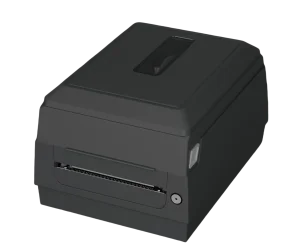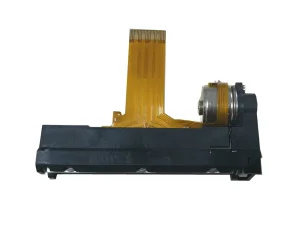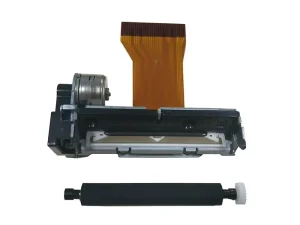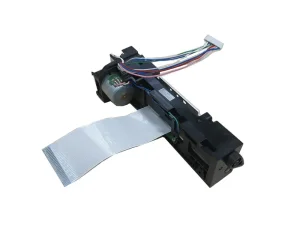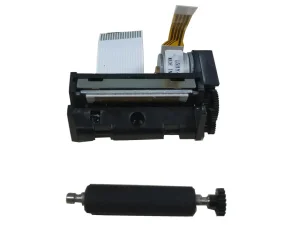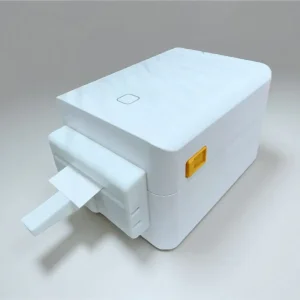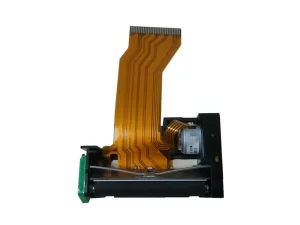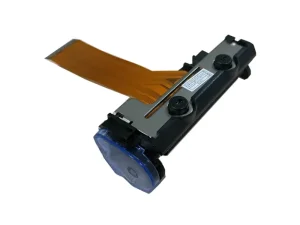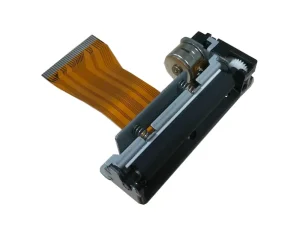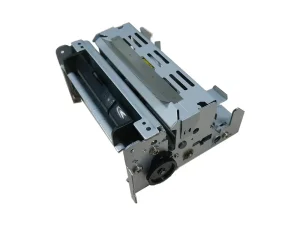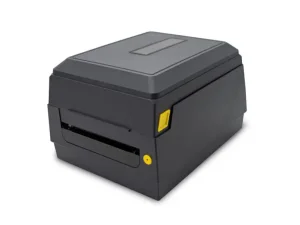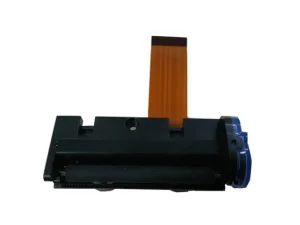
Engineered for seamless drop-in compatibility, high thermal endurance, and rapid throughput rates.
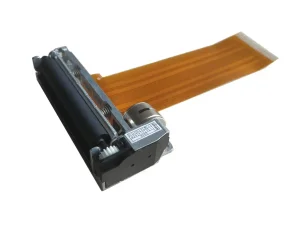
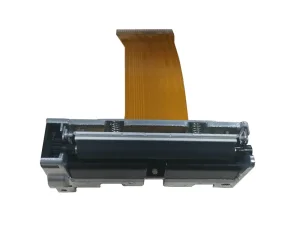
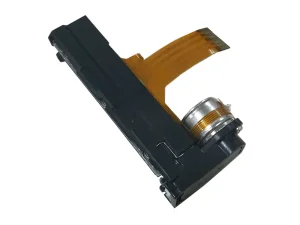
OPOS (Xiamen) Electronic Technology Co., Ltd. was established in 2005 and is located in Xiamen, Fujian Province, China. It is one of the early domestic printer mechanism factories and pioneers in the research and development of early dot matrix and thermal printer mechanisms.
As a highly professional, high-tech enterprise, we design, manufacture, and sell high-precision thermal printers, POS printer mechanisms, label/receipt printer mechanisms, dot matrix mechanisms, and integrated cutter components. We enable system integrators and POS manufacturer factories worldwide to optimize hardware design and operational durability.
An authoritative analysis of hardware design, integration barriers, and market demand for industrial POS terminals.
The global POS printer industry is witnessing a significant paradigm shift, transitioning from simple transactional printing to complex, high-throughput IoT-connected utility hubs. At the core of this transition lies the thermal printer mechanism. As mechanical components dictate the speed, precision, and duty cycle of POS terminals, choosing a premium mechanism has become the key differentiator for hardware manufacturers. With regional smart retail sectors expanding across Europe, North America, and Southeast Asia, the requirement for robust components with drop-in compatibility has never been higher.
Current industrial research reveals that market growth is predominantly driven by two sectors: self-service kiosk terminals and micro-mobility transport ticketing. These applications require mechanisms capable of handling temperature variations, mechanical shocks, and intensive usage cycles. Leading device manufacturers are turning toward specialized OEM/ODM partners in China to maintain competitive pricing structures without compromising on electrical and structural tolerances.
Moreover, the modern thermal printer mechanism is no longer viewed as a static component. Modern systems require integrated sensor matrices that detect printhead temperatures, optical paper alignment, and automatic blade positioning in real-time. By implementing these digital feedback loops, POS systems can execute preventative maintenance routines, significantly reducing unexpected downtime and enhancing the lifetime efficiency of retail operations.
Fuji, Seiko, and APS form factors have emerged as the industry's default physical standards. POS assembly factories rely on compatible direct drop-in replacement mechanisms to mitigate supply chain disruptions. Achieving pin-to-pin compatibility with models such as the FTP-628MCL101 or LTPZ245 is a critical requirement for designers looking to protect existing mechanical layouts while improving performance metrics and reducing overall hardware production costs.
"The reliability of a point-of-sale terminal depends directly on the mechanical integrity of its internal printer mechanism. A single failure in the paper cutter assembly or thermal element array can disrupt critical checkout pipelines, resulting in immediate revenue loss."
Exploring the mechanical advancements driving high-speed and low-voltage thermal printing technology.
Designing mobile thermal printing systems requires minimizing current draw while maintaining contrast. Our latest mechanisms operate efficiently at 3V to 8.5V, rendering clean barcodes without draining rechargeable batteries.
Utilizing silicon carbide protection layers over the heating elements, our mechanisms achieve lifespans exceeding 100 kilometers of thermal paper throughput, preventing premature degradation from dust and paper friction.
Equipped with integrated guillotine or rotary cutters designed for over 1.5 million clean cuts. Built-in electronic sensory feedback alerts systems immediately upon detecting paper jams or path obstructions.
Explore our diverse selection of standard systems and modular options designed to meet your specific application requirements.
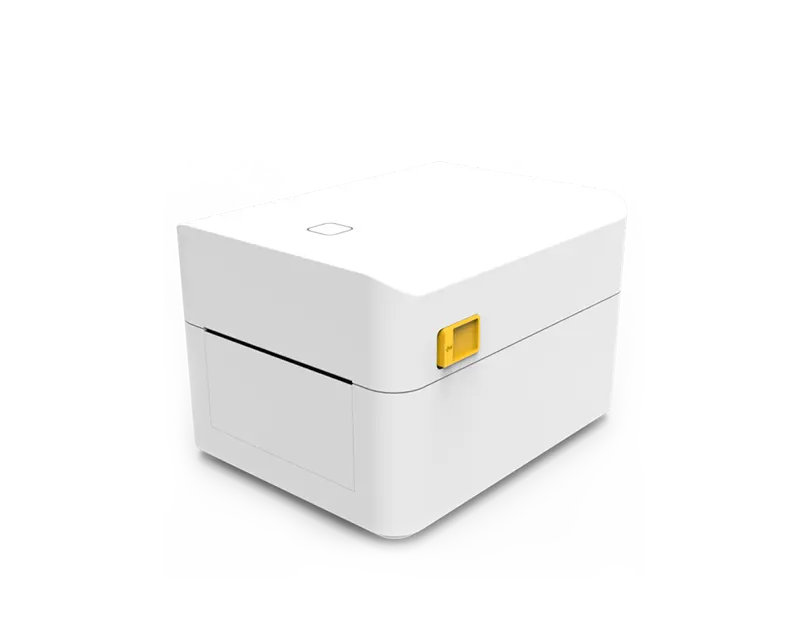
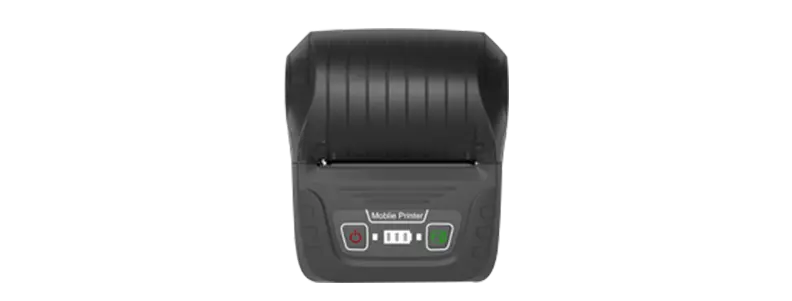

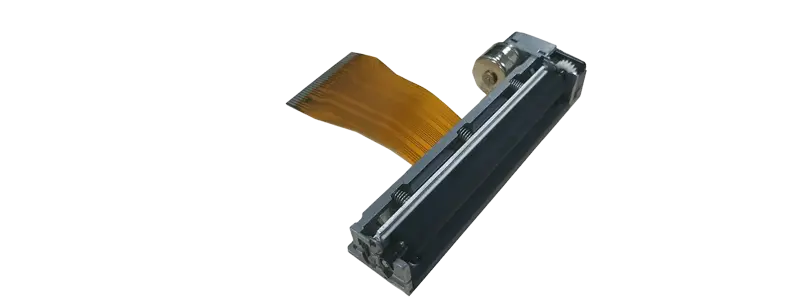
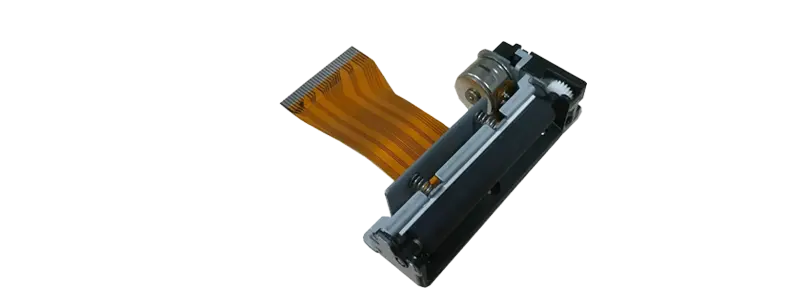
How our high-durability thermal print heads operate flawlessly in diverse, harsh environments globally.
Logistics hubs need robust mechanism units for high-volume sorting. Our 3-inch and 4-inch printheads support continuous high-speed printing, producing reliable tracking labels and invoices even under heavy, uninterrupted workflows.
Modern checkout lanes require silent and fast printing. We deliver micro-thermal mechanisms that sit directly inside sleek desktop cash registers, offering rapid print cycles to minimize customer queues.
Healthcare devices must deliver highly legible patient records and prescription details. Our specialized mechanisms operate quietly and offer fine-pitch control to render clear medical charts and diagnostic readouts.
Six steps to scale your thermal printer hardware solutions from initial concept to high-volume distribution.

Analyzing hardware requirements and system constraints.

Selecting compatible pinouts and frame dimensions.

Rapid prototyping and testing compatibility.

High-efficiency manufacturing under strict QA controls.

Rigorous functional testing on every production run.

Secure packaging and global distribution options.
Discover how our structural advantages and engineering support help streamline your product design and distribution pipelines.

We provide flexible custom design options for thermal printers and printer mechanisms, modifying physical dimensions, frame layouts, and interface connections to meet specific application requirements.

Our engineering teams independently develop thermal mechanisms and controller electronics in-house, ensuring robust component compatibility and direct, dependable technical support.

Our engineers are dedicated to solving implementation issues, assisting with firmware integration, interface protocols, and electrical debugging to minimize downtime.

We stand behind our production quality with a full 12-month hardware warranty, covering component troubleshooting, replacement parts, and direct engineering support.
Designed for logistics, self-service ticketing kiosks, and heavy-duty POS networks.
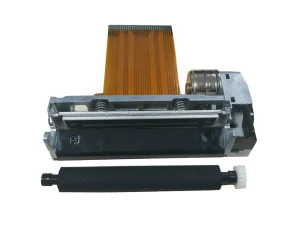
Essential parameters for aligning thermal printer mechanisms with controller hardware and host systems.
Integrating a new thermal printer mechanism into an existing POS design requires managing key electrical tolerances. The thermal printhead (TPH) relies on heating elements that must be driven with precise electrical pulses. If the heating cycle is too short, the printed text will appear faint; if the cycle is too long, the printhead will overheat, causing image bleed and accelerating component degradation. Designers should configure their controllers to adjust the pulse width dynamically, matching the temperature readings from the printhead's internal thermistor.
Stepper motor synchronization is equally critical. If the paper feed motor does not match the driver's thermal dot activation sequence, print distortion will occur. Using high-resolution, micro-stepping motor drivers helps resolve this issue, ensuring precise paper movement. This high level of alignment is essential for rendering high-density 2D barcodes and complex shipping label formats accurately.
For mobile and battery-powered applications, system designers should implement low-power sleep modes. Keeping the motor drivers and printhead elements deactivated when idle significantly extends battery life, ensuring mobile devices can perform throughout full shifts in field logistics.
Answers to common mechanical and electrical integration questions from engineers and POS manufacturers.
Stay informed on the latest designs, event updates, and engineering insights from our technical team.
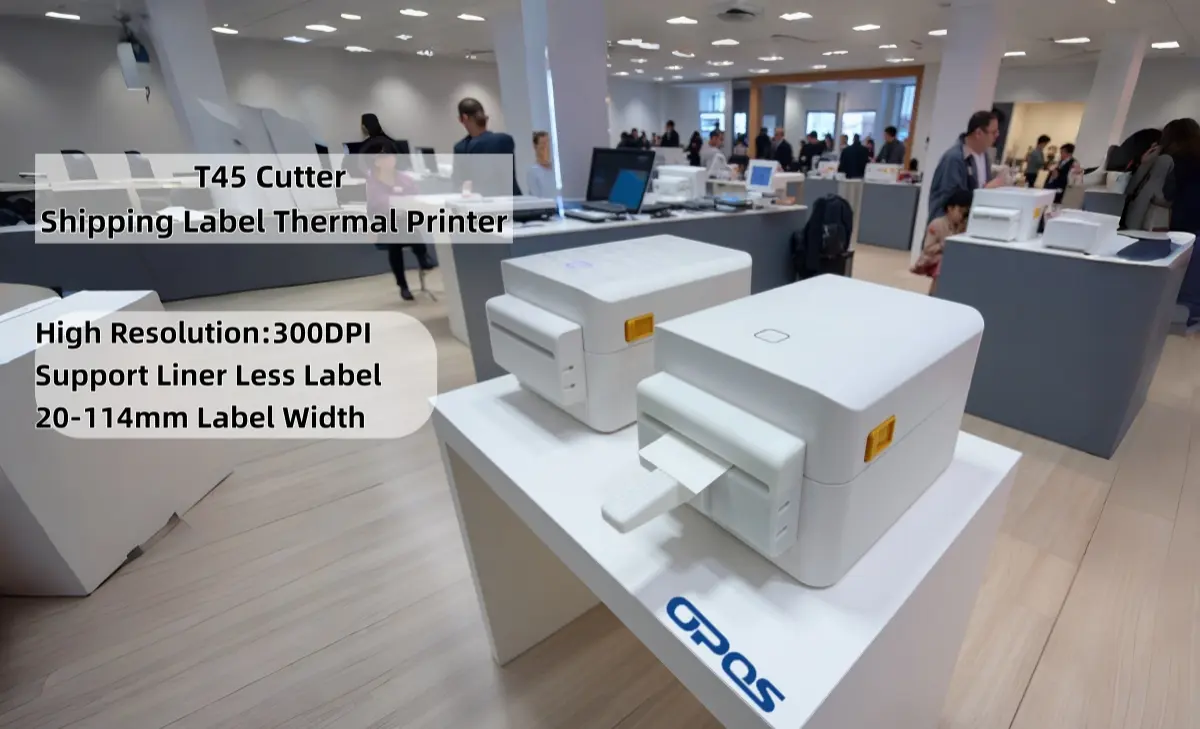
We are pleased to introduce our latest high-density thermal printhead modules, designed to deliver exceptional clarity and contrast for small-format text and barcodes.
Read Technical Note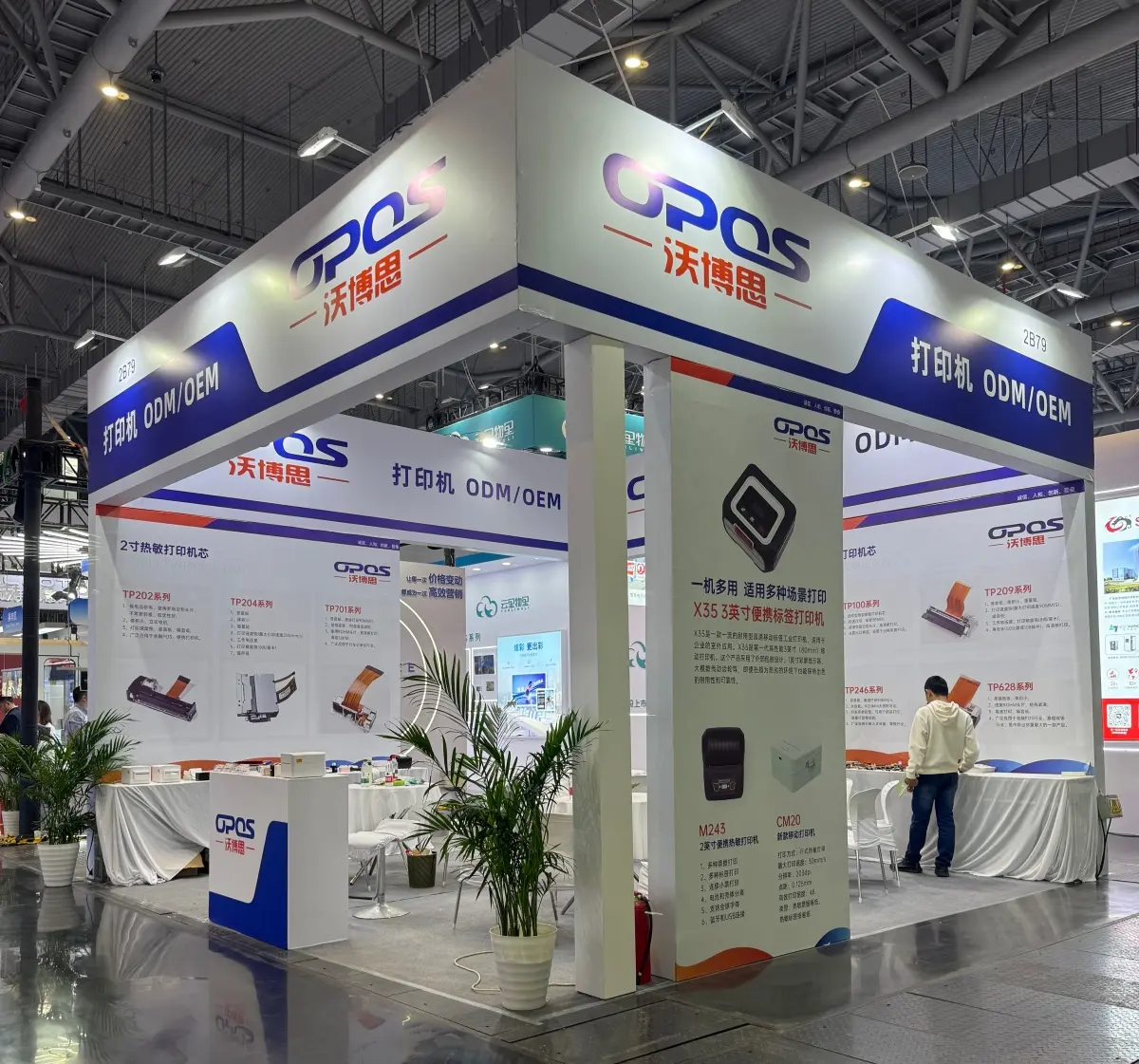
We recently displayed our latest low-power receipt and label mechanisms at the China Retail Exhibition, highlighting solutions for mobile POS terminals and self-service kiosks.
Read Event Report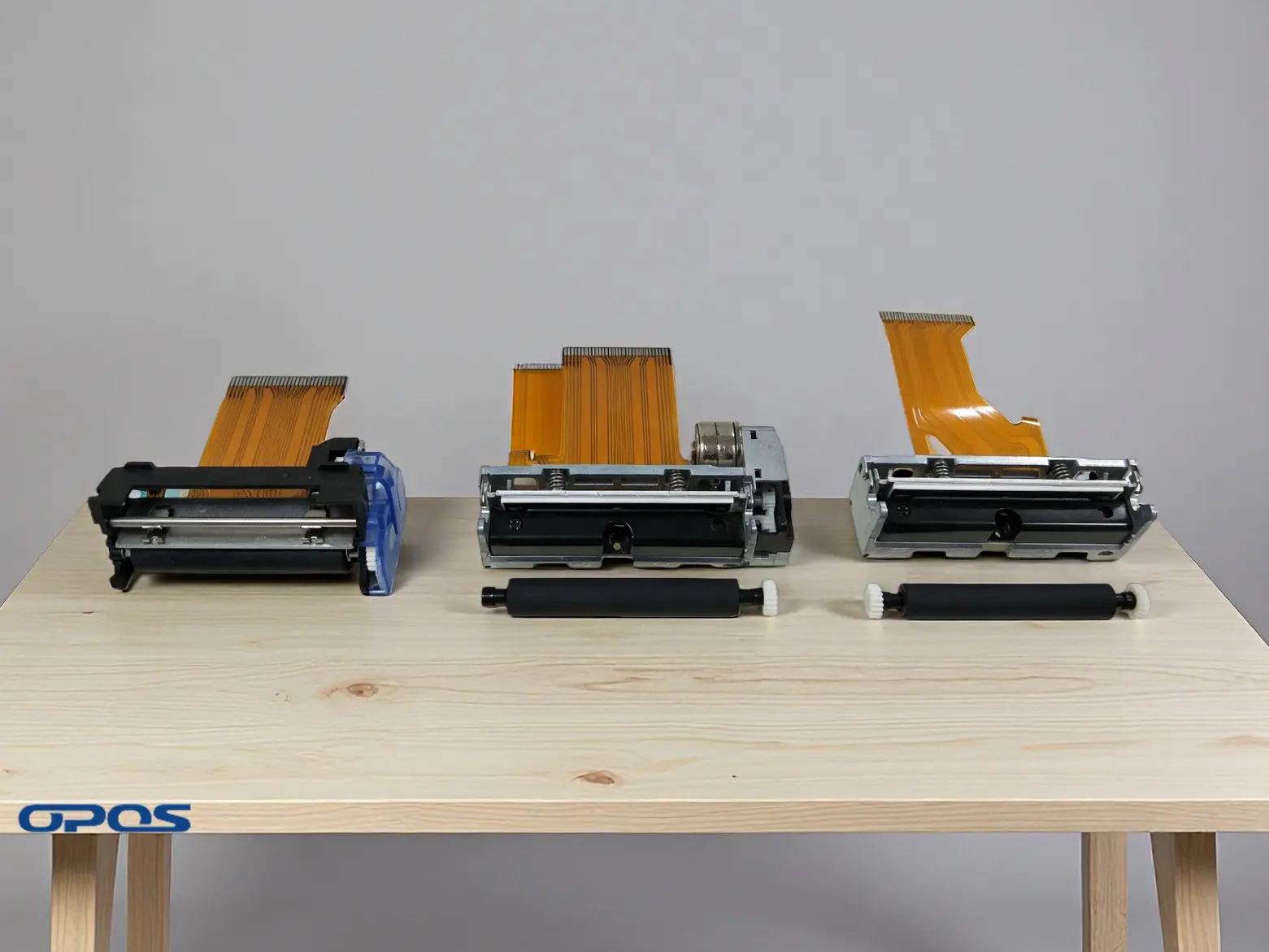
A detailed overview of thermal printhead components, highlighting how motors, thermistors, and gear trains interact to deliver reliable printing.
Read Technical Guide