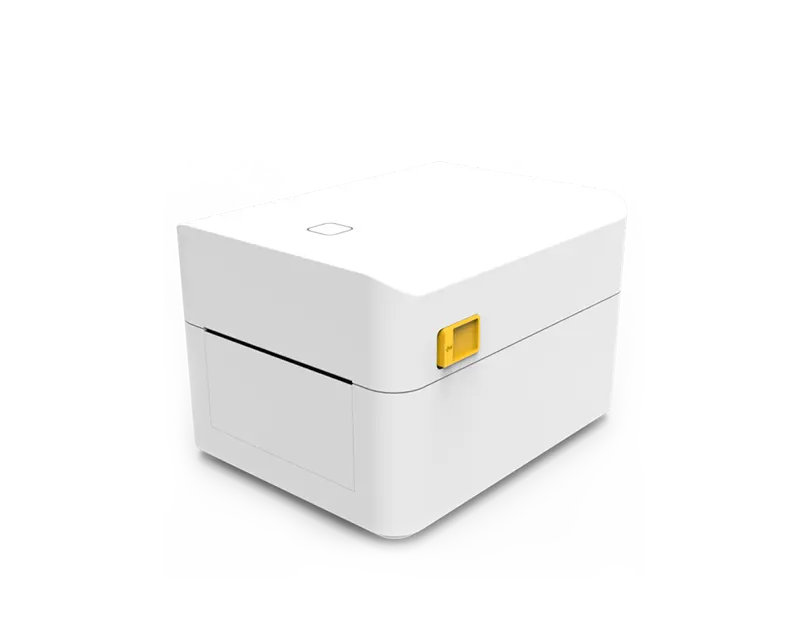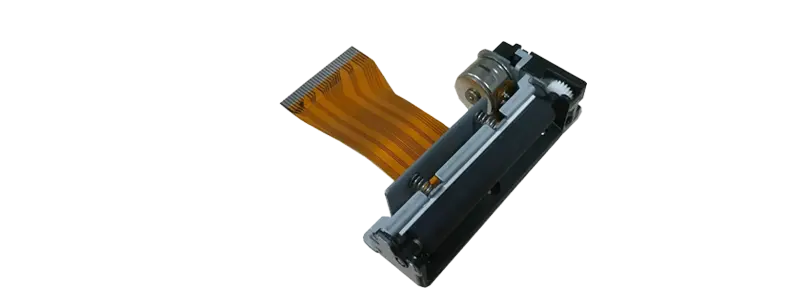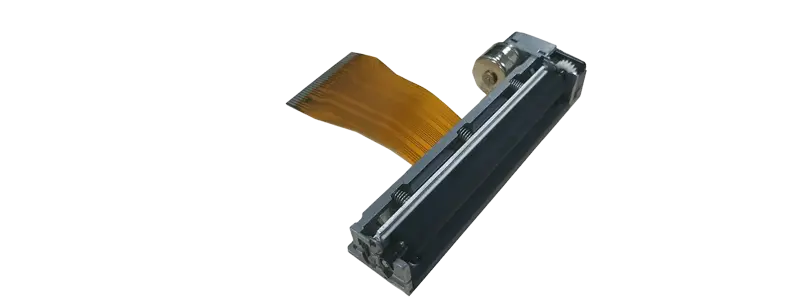
Explore our premium range of direct thermal printheads and mechanisms compatible with leading international standards.
High-reliability thermal printing mechanism featuring advanced temperature control and seamless alignment properties.
Read More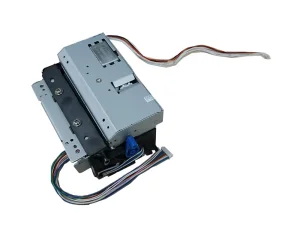
Engineered for full compatibility with SEIKO LTP F347, delivering identical mechanical footprints and timing interfaces.
Read More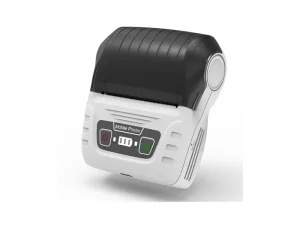
Compact, ultra-low power consumption mobile printer designed for mobile photo and high-contrast label production.
Read More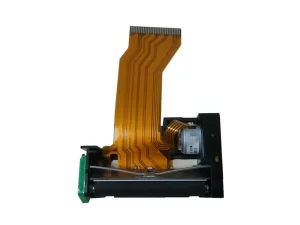
Industrial integration mechanism compatible with APS MP208-HS, optimizing duty cycle and throughput parameters.
Read More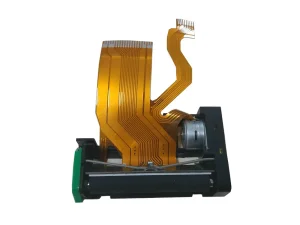
High-durability direct thermal mechanism engineered to endure intensive transaction workloads in modern environments.
Read More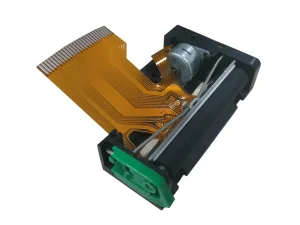
Low voltage thermal mechanisms designed for handheld terminals, POS peripherals, and compact logging gear.
Read More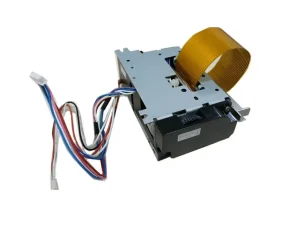
Heavy-duty thermal print unit optimized for ticket dispensing kiosks, ticketing stations, and logistics setups.
Read More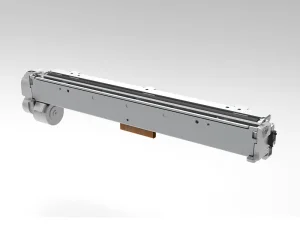
Advanced 3-inch high-speed thermal mechanism designed for POS, ticketing, and industrial integration networks.
Read MoreA Comprehensive Technical Evaluation of Precision Printheads, Global Supply Chain Strategies, and Application Frameworks.
The modern transactional landscape depends heavily on silent, reliable, and high-speed execution at the point of interaction. Direct thermal printing has established itself as the leading technology for instant data logging, retail receipt issuance, dynamic shipping labels, and clinical diagnostics. At the heart of this technology lies the thermal printer mechanism—a precision unit that combines micro-fabricated thin-film resistor arrays (the printhead), a stepper motor drive system, a precision platen roller, and advanced cutting structures.
OEM buyers, hardware engineers, and systems integrators often face the challenge of choosing printheads that balance high performance with cost-efficiency. This is why compatible mechanisms—particularly those designed to match the electrical and physical dimensions of Seiko LTP series, APS, and Fujitsu standards—have become vital. As a leading manufacturer in China, we build mechanisms that provide a drop-in replacement option, allowing enterprises to maintain their existing product housing designs and PCB controllers while reducing manufacturing costs.
Modern electrical integration requires precise physical alignment (down to the millimeter) and exact electrical pin matches for SPI serial communication, stepper motor control, and thermistor temperature monitoring. Our mechanisms, such as the TP347-DL (which replaces the SEIKO LTP F347) and the TP202LV (which replaces the SEIKO LTP02-245LV), allow you to swap components without redesigning your device's motherboard or casing.
A key indicator of a thermal printer mechanism's quality is its lifetime, typically measured in kilometers of printed paper (e.g., 50km to 150km) or pulse resistance (10^8 pulses per resistor). To reach these thresholds, the mechanism must manage heat effectively. When current passes through the micro-resistors on the printhead, it generates localized temperatures exceeding 200°C to activate the dye on the thermal paper. If this heat does not dissipate quickly, it can cause thermal runaway, blur the print output, and shorten the printhead's life.
Our engineering team integrates built-in thermistors to monitor printhead temperatures in real time. If the temperature exceeds safe limits, the host controller pauses or slows down printing. Additionally, we use high-grade ceramic substrates that transfer heat away from the resistors faster than standard materials, ensuring clean prints even at high speeds.
OPOS (Xiamen) Electronic Technology Co., Ltd. was established in 2005 and is located in Xiamen, Fujian Province, China. We are one of the region's earliest dedicated printer mechanism factories, pioneering research and development in domestic dot matrix and thermal print mechanisms.
As a high-tech enterprise, we specialize in the design, development, manufacture, and sales of high-performance thermal printers, POS printer mechanisms, label/receipt printer mechanisms, dot matrix mechanisms, and precision cutter components. Our products are engineered for compatibility with global standards, providing reliable, cost-effective options for system integrators worldwide.
Read More About UsAddressing supply chain challenges, compatibility concerns, and cost-of-ownership optimizations for international distributors.
For procurement officers, sourcing managers, and R&D directors at global scale enterprises, purchasing thermal printer mechanisms is a balance of performance, compatibility, and supply chain stability. Common challenges when sourcing components include:
Will the mechanism drop directly into existing device housings? Does the interface cabling (FPC) align perfectly with control board connections without requiring layout redesigns?
What are the manufacturing lead times? Does the supplier offer robust contingency plans to prevent production delays during sudden market demand shifts?
Beyond the initial purchase price, does the mechanism offer low maintenance costs? Will the cutters and printheads meet durability expectations to prevent field failure rates?
As an established manufacturer, OPOS addresses these challenges through careful component matching. We verify every specification—from stepper motor gear ratios to platen roller diameters—to ensure our mechanisms match the mechanical characteristics of major Japanese brands. This allows customers to simplify their supply chains, reduce dependence on single-source suppliers, and lower production costs without compromising quality.
Why global system integrators and distributors partner with OPOS Electronic Technology.

We provide full customization, including custom FPC cabling configurations, mounting brackets, and tailored firmware to meet your project specifications.

Our internal engineering team manages design, tooling, assembly, and testing. This end-to-end oversight ensures strict quality control and rapid product development.

Our technical team provides engineering support throughout integration, assisting with driver development, interface testing, and hardware troubleshooting.

All products include a 12-month quality warranty. We support our customers with replacement parts, direct troubleshooting, and engineering field analysis.
Our thermal print mechanisms are designed for consistent operation in demanding commercial and industrial environments.





Innovating next-generation printing technologies for environmental sustainability and IoT environments.
The thermal printing industry is evolving toward higher efficiency, smaller physical footprints, and lower power requirements. Key engineering goals guiding our technical development include:
Handheld mobile POS terminals and field logging devices require components that conserve battery life. By using low-resistance thin-film heaters and high-efficiency drive motors, our latest 2-inch mechanisms operate reliably on 5V-9V battery packs. This design maintains clear print quality at high speeds while minimizing battery consumption.
Traditional guillotine cutters can add bulk and weight to printing units. We are developing compact auto-cutters built directly into the mechanism framework. These designs use high-hardness carbon alloys and optimized blade shapes to achieve cleaner cuts and a lifecycle of over 1.5 million cuts.
| Parameter Class | Standard Specification Range | Advanced OEM Upgraded Level | Seiko Interchangeability Target |
|---|---|---|---|
| Operating Voltage | 4.2V - 8.5V (Mobile Type) | 24V (High Speed POS Type) | Direct Match pin-to-pin alignment |
| Print Speed Max | 50 - 90 mm/s | 150 - 250 mm/s | Matches or exceeds OEM speed rates |
| Pulse Life (TPH) | 1 x 10^8 pulses | 1.5 x 10^8 pulses | Maintains consistent print density |
| Abrasive Resistance | 50 km of paper run | 100 - 150 km of paper run | Resistant to paper chemical residue |
To reduce label backing waste, linerless media is becoming standard in logistics. However, linerless paper adhesives can build up on platen rollers and printheads, leading to paper jams and print degradation. OPOS is addressing this by testing non-stick roller coatings and specialized printhead protective barriers. These improvements ensure smooth paper passage and reduce cleaning intervals for high-volume logistics applications.
From initial design consultation to global logistics, we ensure quality control and clear communication at every stage.

Branding Consulting

Design & Product Matching

Making Samples

Mass Production

Repacking & Final Check

Shipment & Delivery
Technical answers to common questions regarding compatibility, mechanical installation, and thermal printhead maintenance.
Stay informed with the latest updates, event reports, and technical guides from the OPOS engineering team.
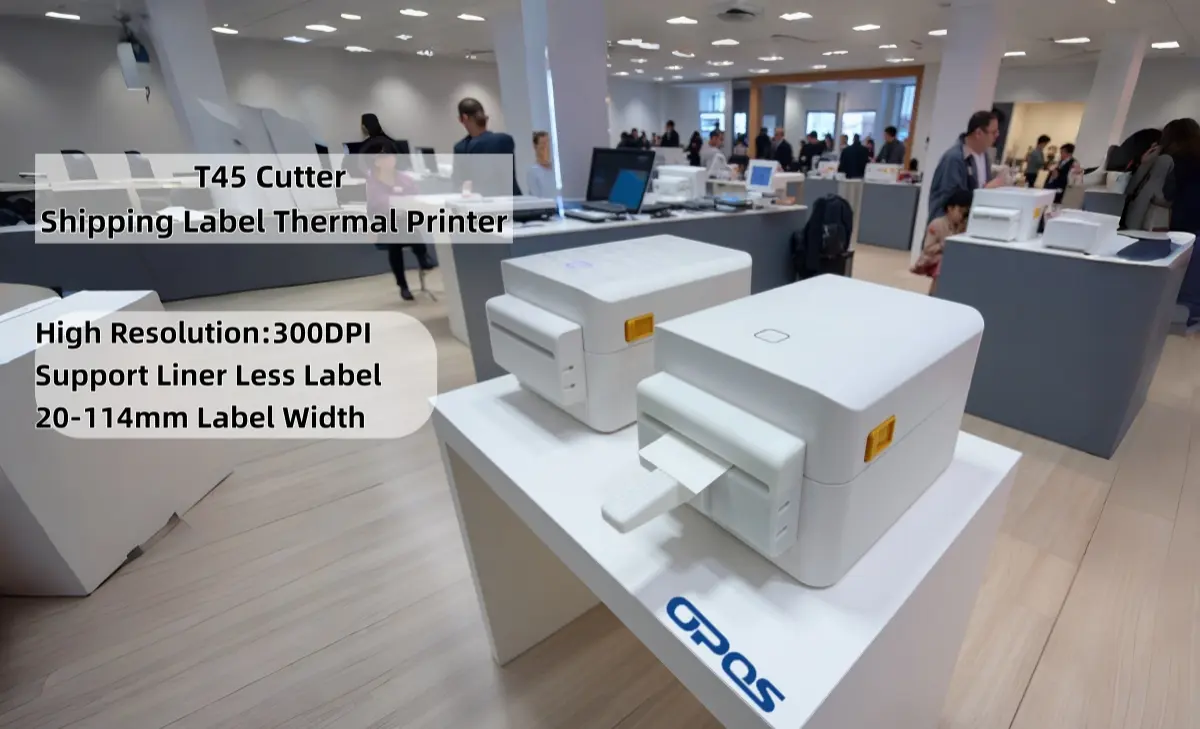
At Xiamen OPOS Printer, we have launched our latest high-density thermal printhead line, designed for detailed graphics and 2D barcode applications.
Read More >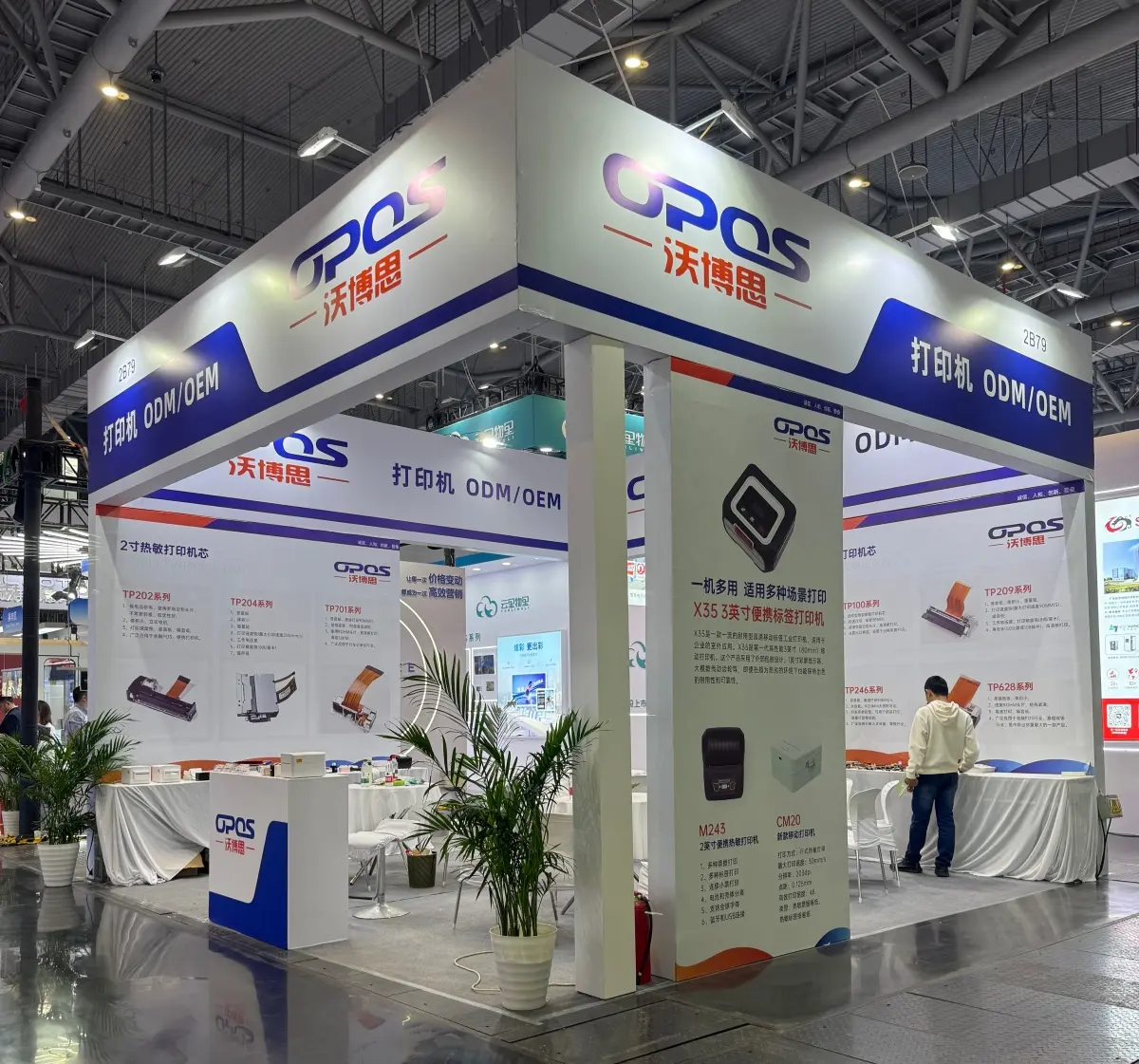
OPOS Printer recently participated in the Chinashop Exhibition, showcasing our Seiko-compatible thermal printer mechanisms to retail technology distributors.
Read More >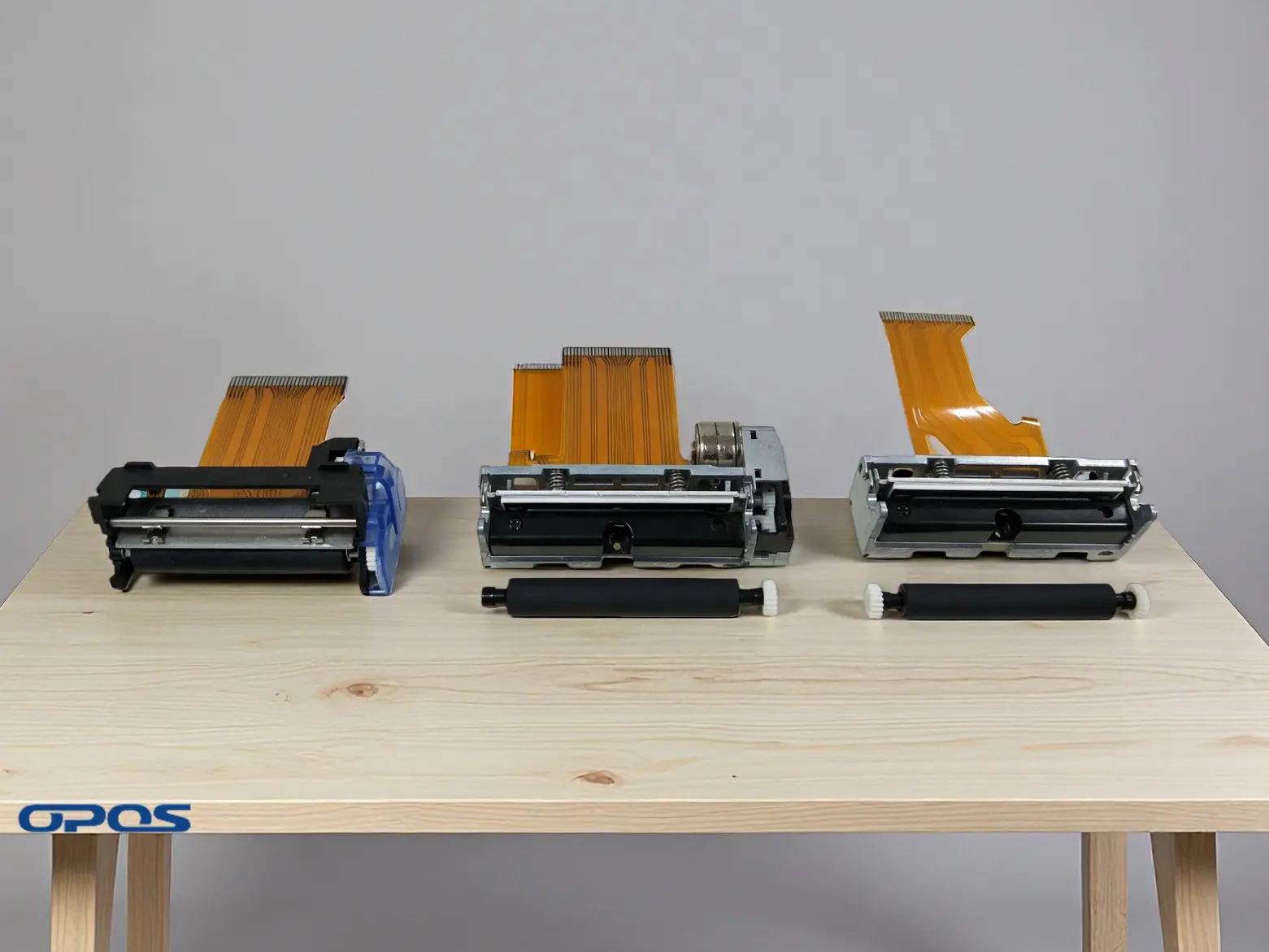
A technical overview explaining printheads, platen rollers, stepper motors, and how these components coordinate to create printed output.
Read More >Explore additional specialized thermal mechanisms, mobile label printers, and desktop barcode engines.
A portable receipt and label printing system featuring Bluetooth connectivity and built-in battery management.
Read More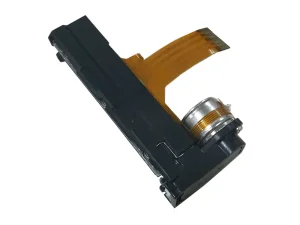
A drop-in mechanism replacement for SEIKO LTP02-245LV, designed for battery-powered handheld terminals.
Read More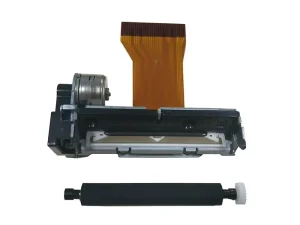
A high-performance mechanism designed to replace SEIKO LTPZ245D-C384-E in compact medical and retail systems.
Read More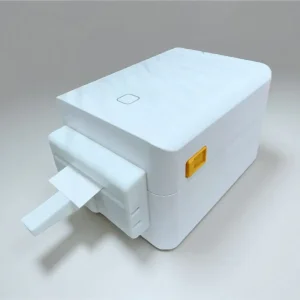
Designed for logistics setups, featuring an integrated cutter and support for linerless shipping labels.
Read More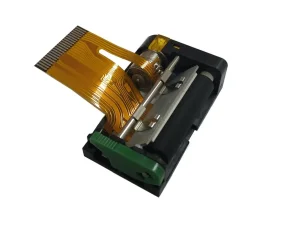
An OEM direct thermal printing mechanism compatible with APS MP105, offering stable paper feeding.
Read More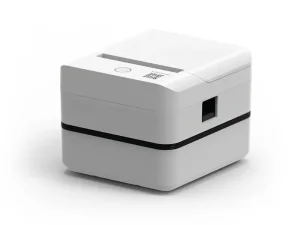
A mobile printer designed for printing barcodes and shipping labels on the go via Bluetooth.
Read More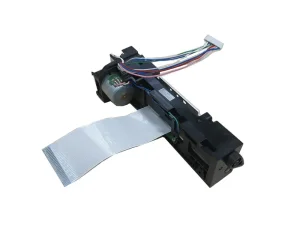
A robust print engine compatible with PRT PT1041S, designed for ticketing machines and kiosks.
Read More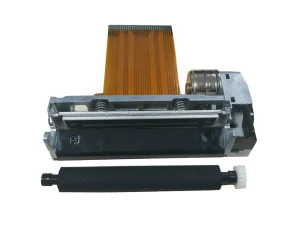
A compact mechanism designed for handheld meters and mobile POS units, compatible with FUJITSU FTP-628MCL101.
Read More