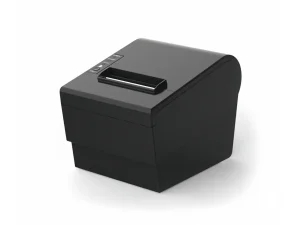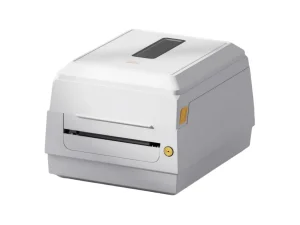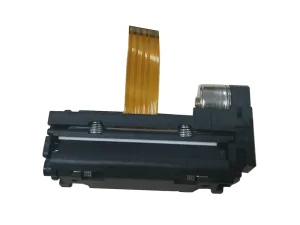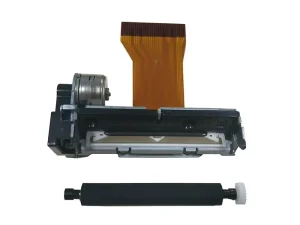
Explore our high-performance thermal mechanisms and robust industrial desktop printers engineered to optimize labeling efficiency.
An in-depth analysis of hardware evolution, industrial compliance, and customized OEM integration patterns.
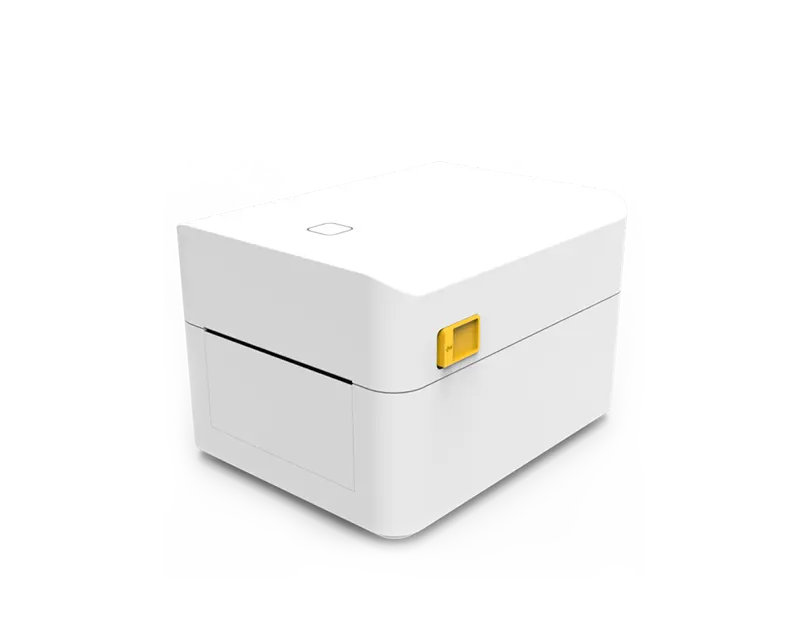
In the modern decentralized supply chain, the demand for reliable hardware that prints instantaneous data carriers—most notably QR codes and 2D barcodes—has soared. Global warehouse operators, e-commerce giants, and pharmaceuticals require continuous label generation with zero system downtime. An OEM QR Code Sticker Printer Supplier & Factory does not simply manufacture boxes; it provides the core infrastructure that enables end-to-end trace systems. From warehouse routing labels to asset tags, barcode sticker printing has transitioned from a utility to a mission-critical asset.
“System integration and thermal reliability represent the twin pillars of modern logistics tracking. Real-time data routing depends entirely on the readability and durableness of physical labels generated at edge facilities.”
Large B2B procurement managers prioritize hardware that balances technical adaptability with capital efficiency. When sourcing printer mechanisms or desktop units, procurement executives seek standard compatibility with local platforms. This includes robust Software Development Kits (SDKs) for Android, iOS, Windows, and Linux-based systems. A versatile OEM printer must run standard ESC/POS or custom command emulations flawlessly, allowing hardware substitution without rewriting existing middleware.
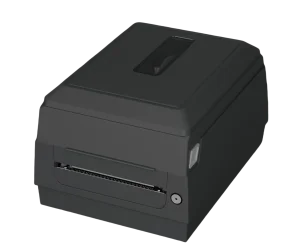
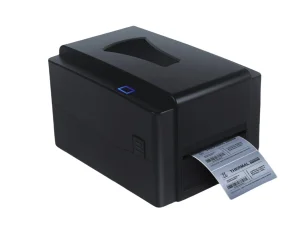
While direct thermal printing dominates short-lived parcel shipping labels due to its ribbonless simplicity, critical retail storage and automotive tracking systems demand thermal transfer alternatives. Using high-grade wax, wax-resin, or pure resin ribbons, thermal transfer QR label printers generate symbols resistant to UV exposure, friction, chemical solvents, and extreme temperatures. A mature factory must support both mechanism designs to satisfy varying industrial deployments.
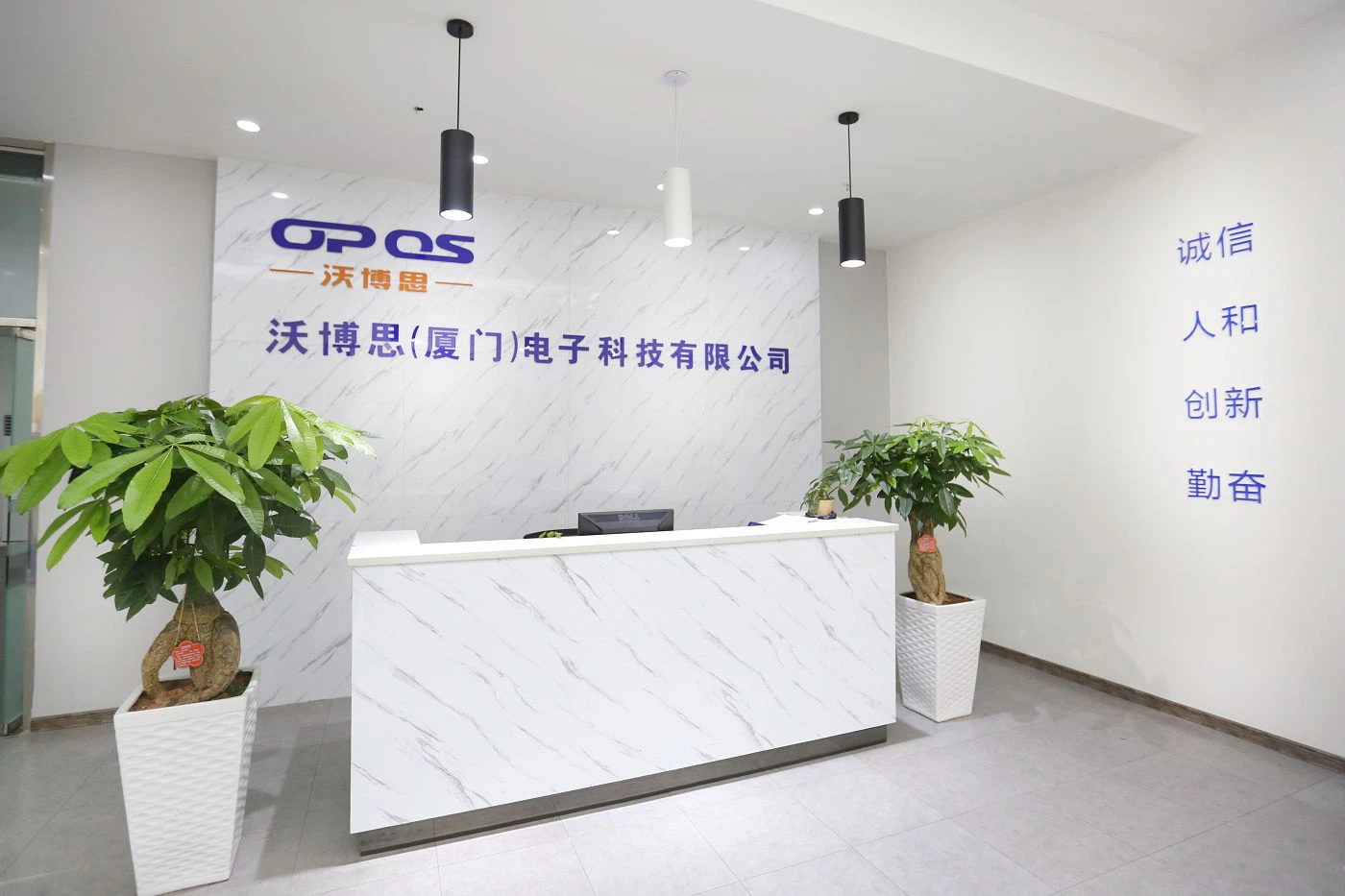
Established in 2005 and headquartered in Xiamen, Fujian Province, China, OPOS Electronic Technology is an early pioneer in the development of domestic dot matrix and thermal printing mechanisms. As a recognized high-tech enterprise, we integrate design, manufacturing, sales, and service to provide worldwide clients with elite printing options.
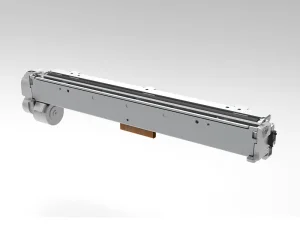
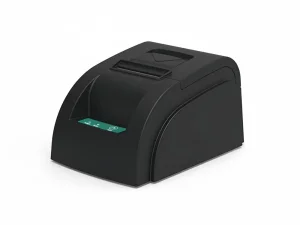
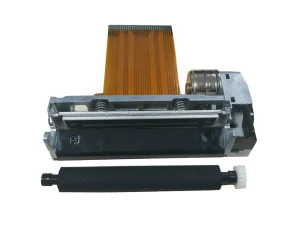
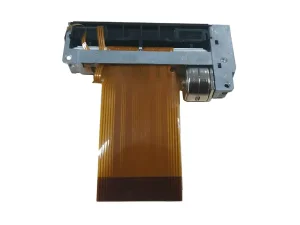
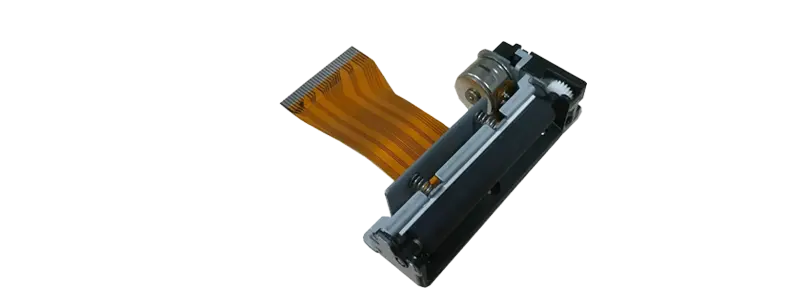
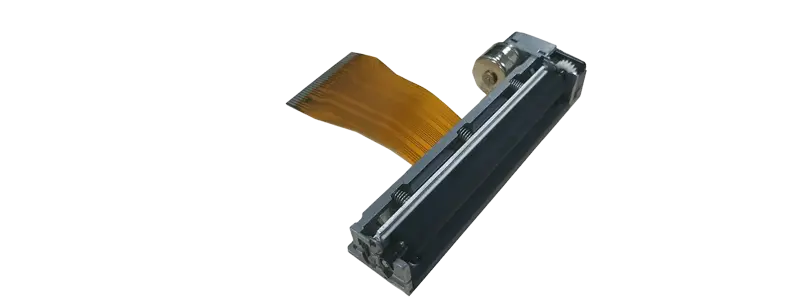
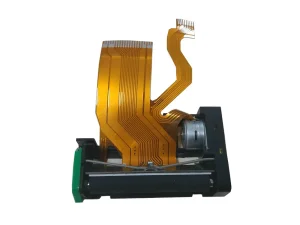
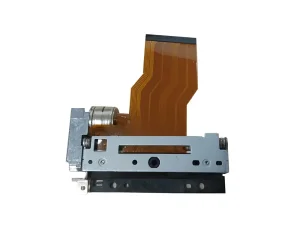
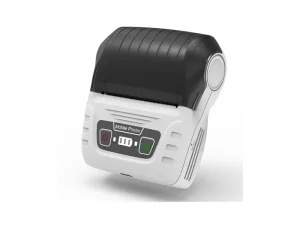
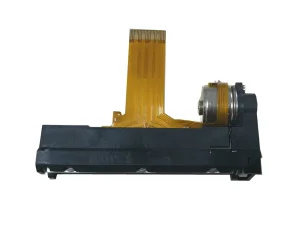
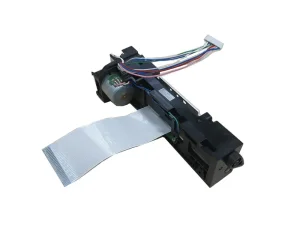
Our expansive product portfolio encompasses thermal printers, receipt mechanisms, label printer modules, and durable auto-cutter modules. By engineering every component from the ground up, we offer unmatched OEM/ODM agility, allowing global businesses to adapt our hardware to their proprietary kiosk housing, handheld mobile terminals, or industrial printing setups.
Read Our Story

Why Tier-1 global firms select OPOS for their complex thermal printing equipment deployments.

We craft tailored structural frameworks, tailor PCB layouts, and modify firmware logic to merge seamlessly with your native application architecture.

By retaining end-to-end design ownership, we minimize firmware bugs, accelerate update cycles, and assure direct access to primary developers.

Our dedicated applications support engineers resolve hardware integration and SDK conflicts, ensuring minimal development delays.

All mechanisms and printers undergo exhaustive functional tests, backed by a clear 12-month assurance and straightforward RMA protocols.
Developing hardware pathways for eco-friendly media, intelligent monitoring, and autonomous edge printing.
As the printing sector adapts to international sustainability frameworks and smart warehouse integrations, OPOS's research and development targets key milestones. The evolution of sticker printing demands more than just faster throughput—it requires resource efficiency and intelligent system health monitoring.
Standard labels produce considerable waste from discarded backing liners. Linerless labeling technology addresses this concern. By eliminating the silicone release liner, linerless printers accommodate up to 40% more paper length per roll, reducing paper changeover frequency and logistics costs. Developing linerless-capable printers requires proprietary non-stick roller materials and redesigned high-durability cutters to prevent adhesive buildup, which OPOS engineers are actively implementing.
In high-volume fulfillment environments, unexpected printer failures can halt entire packaging lines. Our future product roadmap introduces built-in sensors that track printhead resistance variations, real-time temperatures, and cutter cycle counts. This data is transmitted to central ERP systems via SNMP or cloud APIs, enabling maintenance teams to replace components before a failure occurs. This turns hardware from a passive peripheral into an active IoT component.
Supply chain tracing is shifting toward hybrid systems that combine optical codes (like QR codes) with wireless identification (RFID). Our industrial roadmap outlines the integration of compact UHF RFID encoder modules into our desktop thermal transfer series. This allows businesses to print high-resolution QR codes for consumer transparency while simultaneously writing RFID EPC data for internal warehouse tracking in a single pass.
High-efficiency labeling solutions for varied industrial, retail, and commercial environments.
Our systematic OEM/ODM methodology translates custom product requirements into reliable physical production.

Branding Consulting

Design & Customization

Making Samples

Mass Production

Final Checking

Shipment Delivery
Catch up with the latest technological rollouts, industrial exhibitions, and printing mechanism whitepapers.
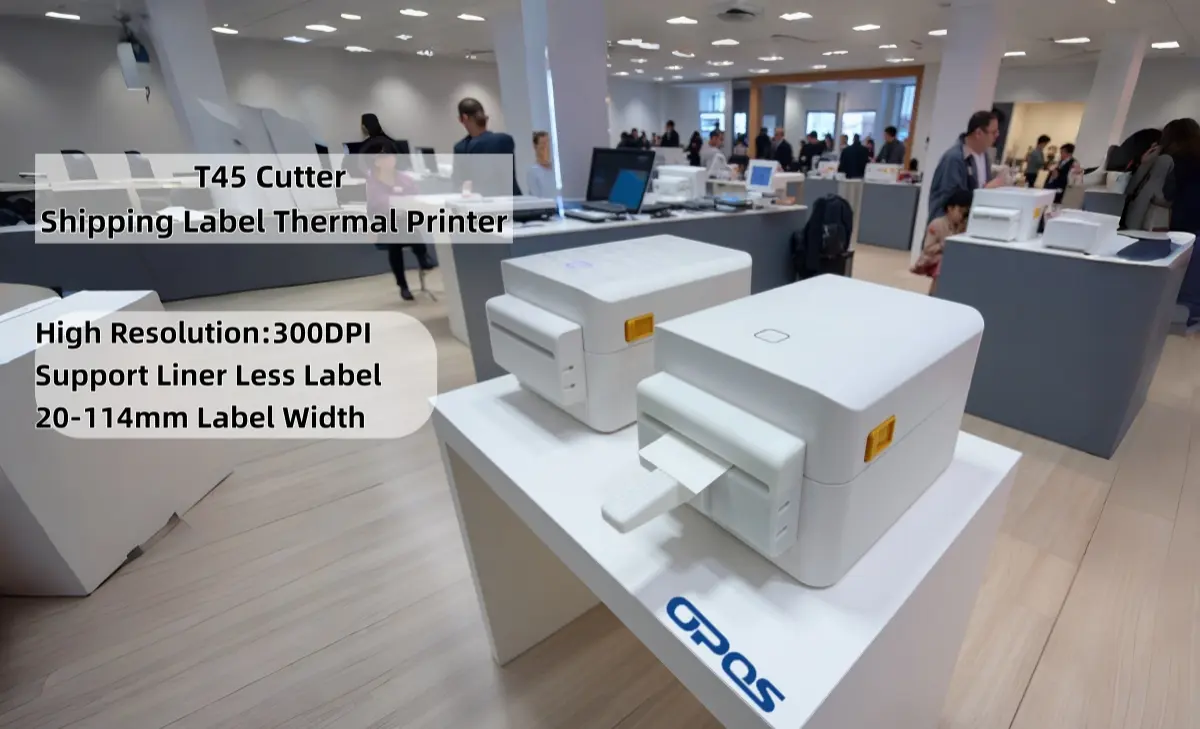
At Xiamen OPOS Printer, we are thrilled to announce the launch of our latest high-density printing modules, designed for micro-label applications.
Read Full Article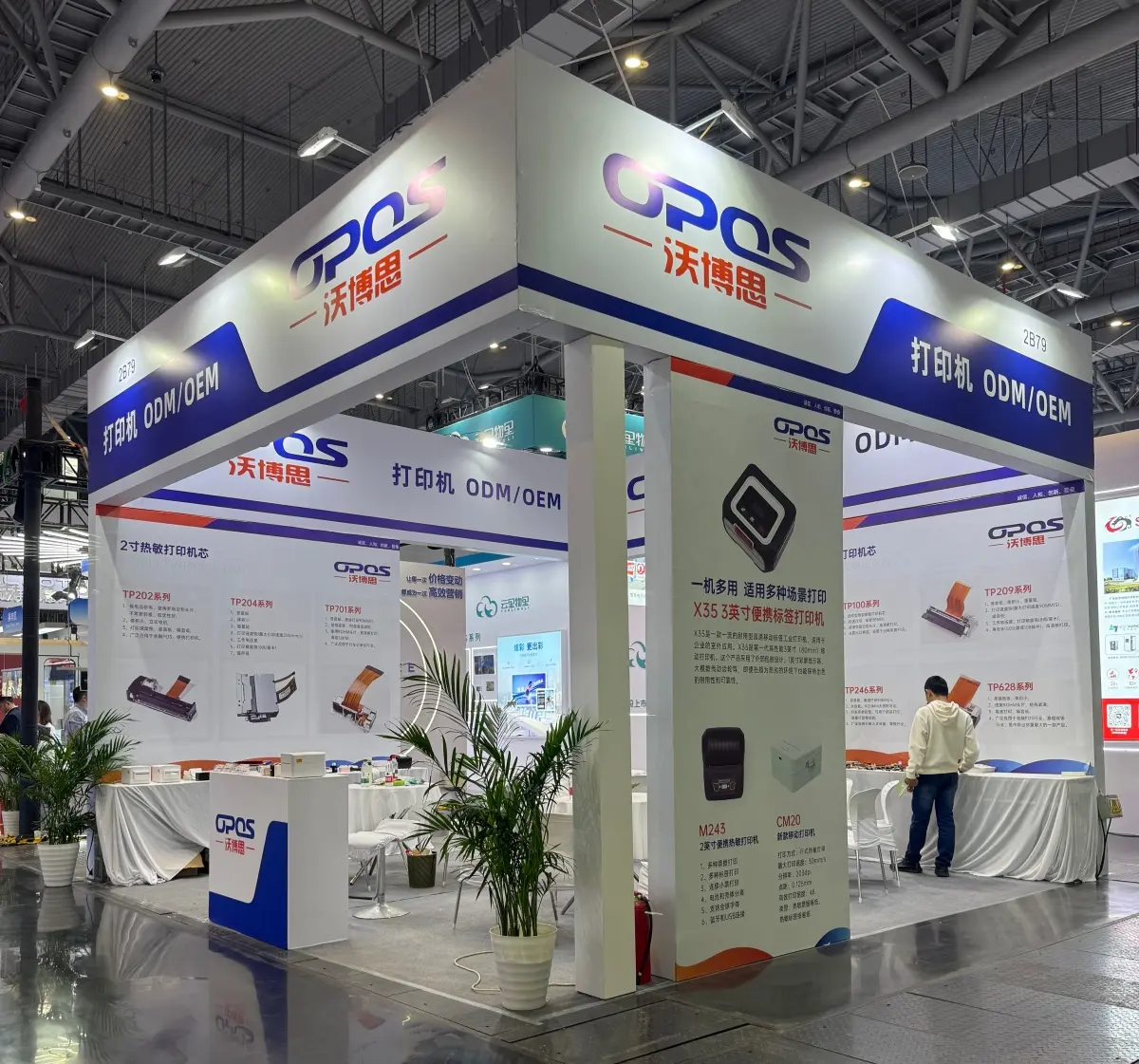
We are excited to share that OPOS Printer recently participated in the Chinashop Exhibition, highlighting our modular mechanisms for automated retail.
Read Full Article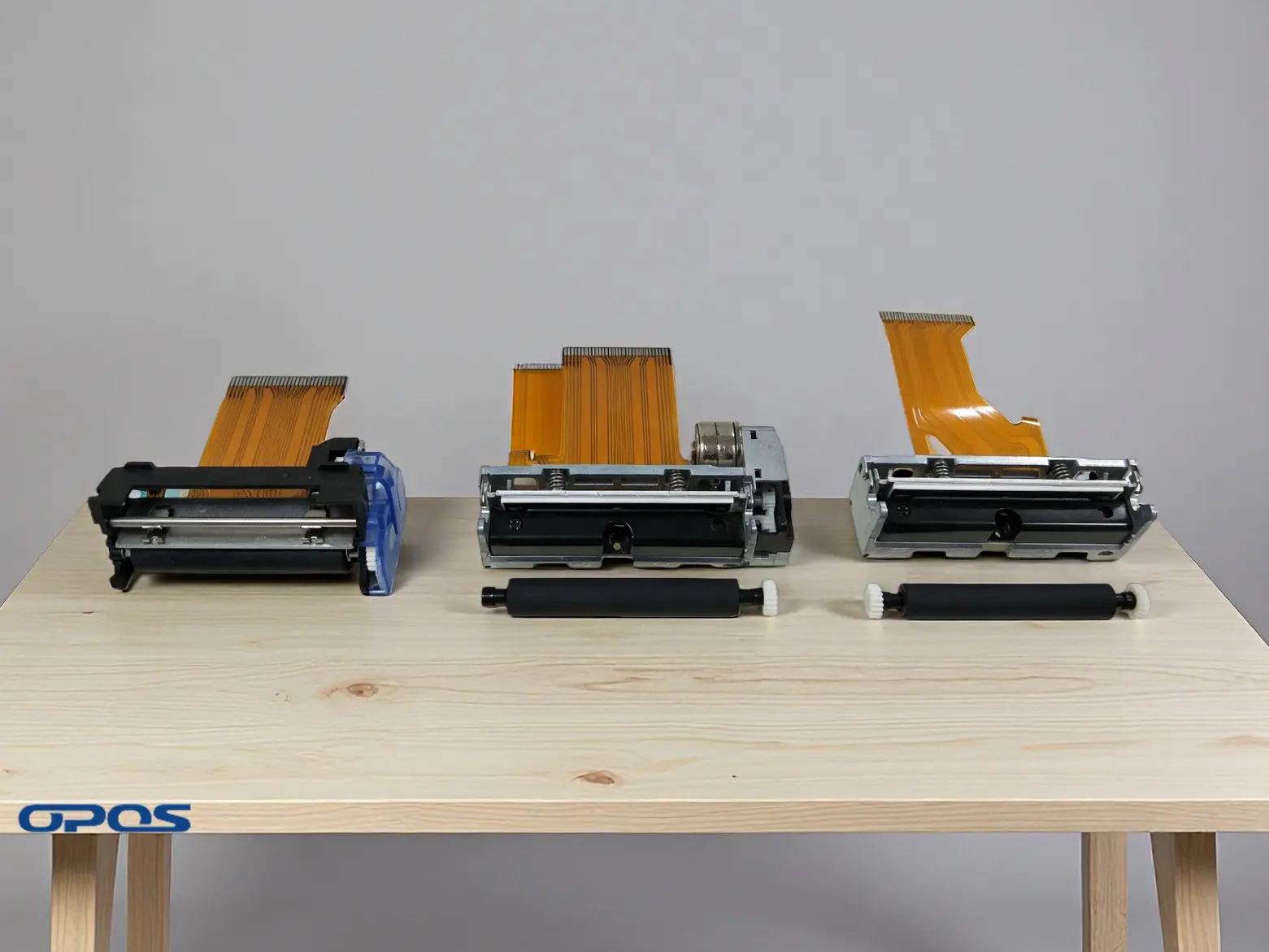
A thermal printhead, also known as a thermal printer mechanism, is the core component that manages thermal energy transfer to heat-sensitive media.
Read Full ArticleHow OPOS maintains quality assurance across varied regulatory landscapes and international shipping zones.
Operating a global supply chain requires strict adherence to international safety, environmental, and technical regulations. OPOS products are designed, manufactured, and tested to meet complex international standards, ensuring smooth customs clearing and regulatory compliance in target markets.
All finished desktop printers and integrated mechanism modules meet critical global directives. Electromagnetic compatibility (EMC) tests verify compliance with CE (Europe) and FCC (Americas) standards. Materials selection complies with RoHS and REACH directives, ensuring components are free from restricted hazardous substances, facilitating imports into regions with strict environmental regulations.
Hardware deployment often requires integration with legacy systems. OPOS offers comprehensive engineering integration documentation, driver libraries, and source code examples for custom software projects. Our technical support covers:
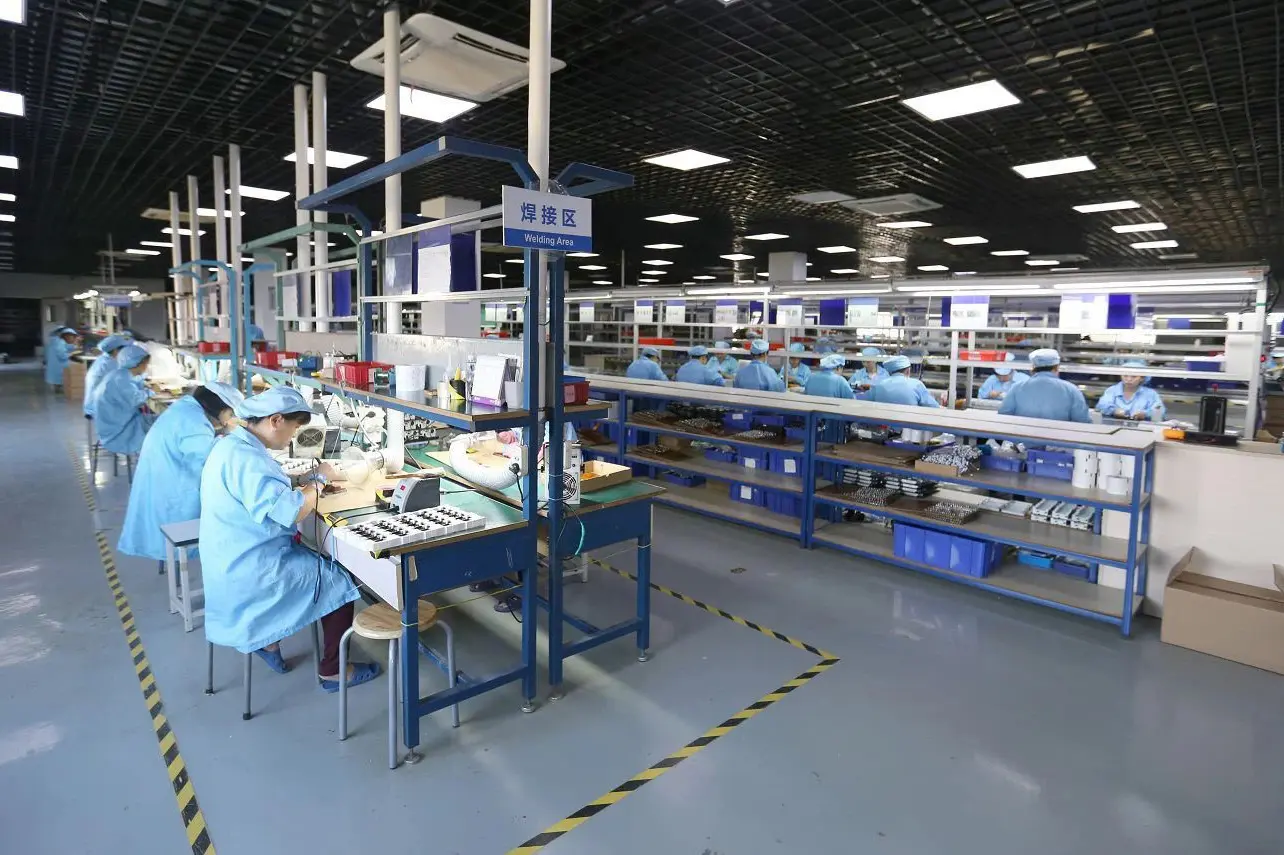
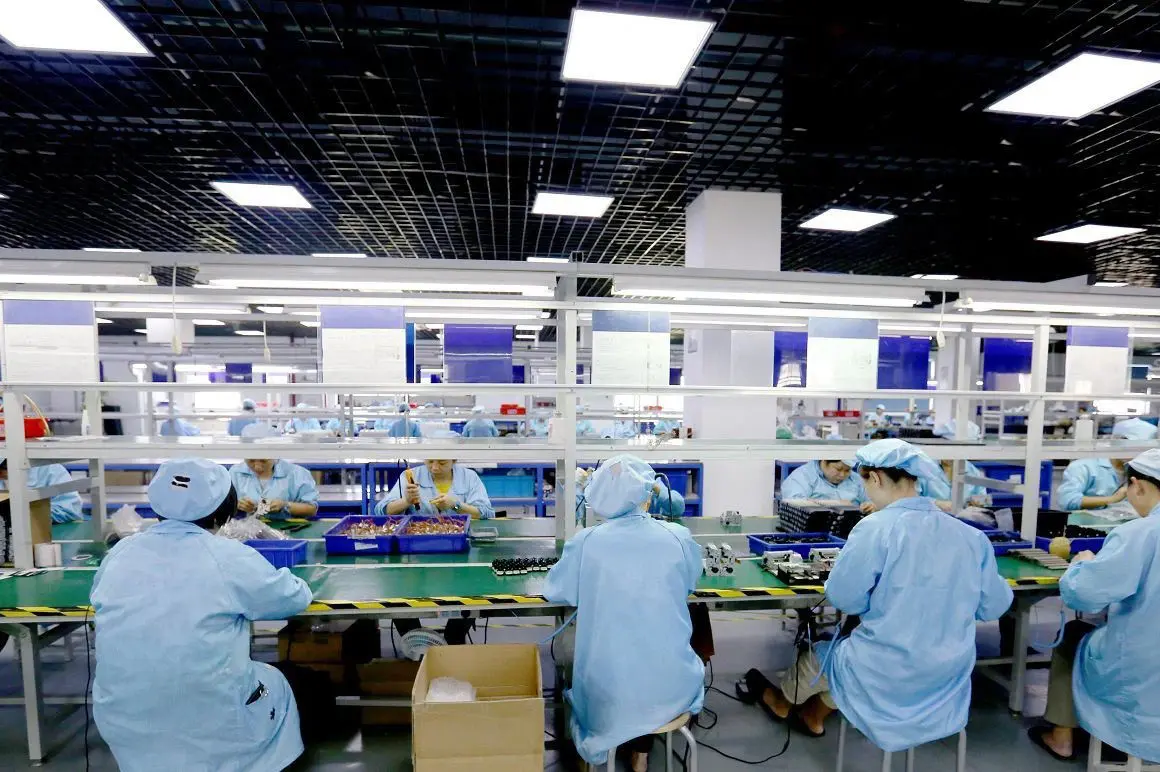
Our 5,000 m² factory in Xiamen features dust-free environments for assembling thermal printheads and auto-cutter modules. Component assembly is completed under strict ISO 9001:2015 quality standards. Every batch undergoes visual inspection, electrical testing, and mechanical cycling to ensure the hardware meets specified durability ratings before leaving the facility.
Detailed answers to key engineering and procurement queries regarding OEM QR code printer manufacturing.
Explore our secondary lineup of POS units, customized thermal transfer models, and high-compatibility print modules.