Advanced OEM Mechanical Solutions & Mini Portable Thermal Printers
Critical Engineering and Logistical Insights for Hardware Decision Makers
In the era of hyper-connected supply chains and instantaneous logistics processing, mobile print systems have evolved from niche operational accessories into core operational infrastructure. Driven by the massive expansion of third-party logistics (3PL), on-demand grocery delivery, healthcare point-of-care services, and smart warehousing, the global demand for compact, power-efficient, and rugged mobile printer machines has seen exponential growth. Enterprises no longer view mobile printer devices as simple peripheral receipt dispensers; instead, they are evaluated as critical nodes in Edge Computing systems and IoT ecosystems.
Integration of low-power Bluetooth 5.2, Wi-Fi 6, and NFC for instantaneous pairings in high-density corporate networks, ensuring seamless data packets transmission.
Dynamic voltage calibration keeps battery drainage to a minimum, scaling print speeds based on real-time hardware temperatures and operational demands.
Environmentally conscious configurations engineered specifically to process linerless labels, which eliminate backing paper waste and maximize labels per roll.
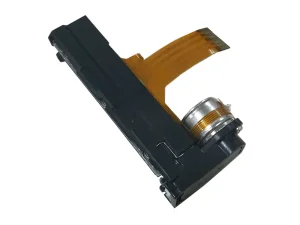
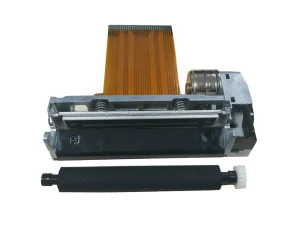
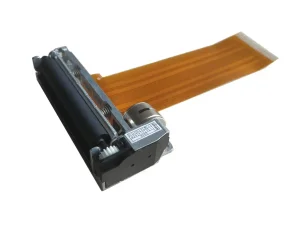
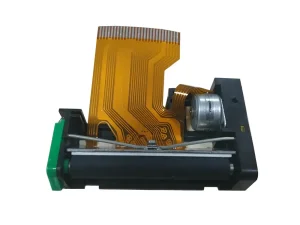
A primary failure point in mobile printer networks is the degradation of thermal printheads under harsh ambient conditions (extreme heat in delivery trucks, freezing environments in cold-chain logistics, and physical drops on concrete floors). Through collaborative research and custom structural design, modern thermal mechanisms, such as the TP202LV and TP628 series, utilize reinforced ceramic substrates and high-durability silicon coatings. These configurations guarantee seamless drop-in replacements for standard legacy systems (such as the Seiko LTP series and Fujitsu FTP series mechanisms) while providing superior heat dissipation profiles and extended life cycles up to 150km of linear print mileage.
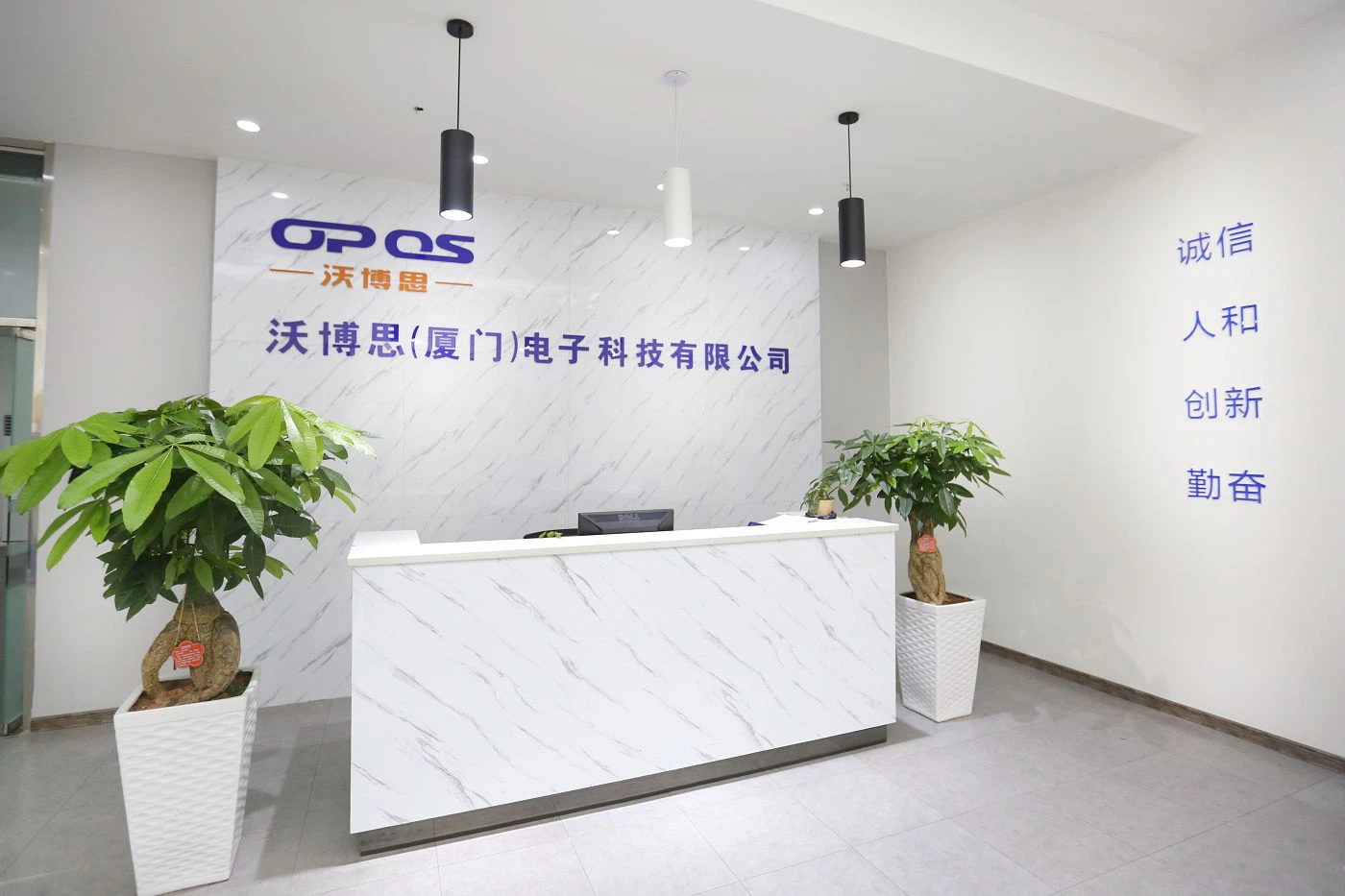
Established in 2005 in Xiamen, Fujian Province, China, OPOS (Xiamen) Electronic Technology Co., Ltd. represents one of the pioneering forces in the domestic printer mechanism manufacturing sector. Our legacy began with the dedicated research and development of early dot matrix mechanisms, laying the foundation for our deep expertise in precision thermal mechanics.
Today, OPOS is a certified high-tech enterprise integrating professional hardware design, large-scale manufacturing, and global sales of advanced Thermal Printers, POS printer mechanisms, mobile label/receipt printer mechanisms, and robust cutter components.
Precision Engineering from Micro Mechanisms to Complete Enterprise Label Systems
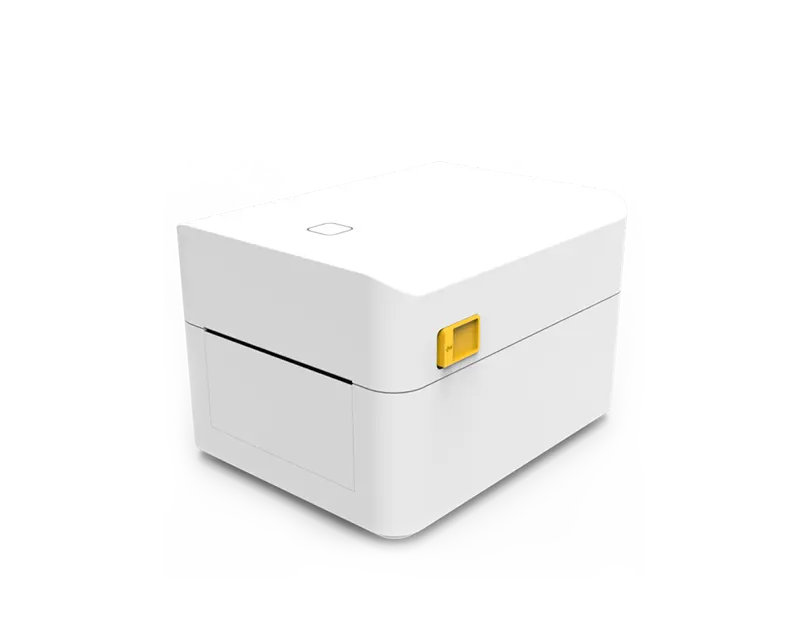
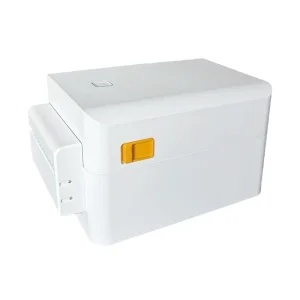
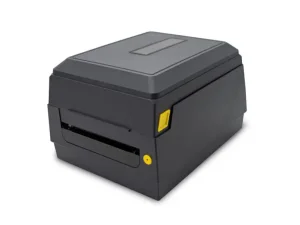
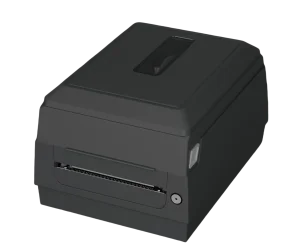
Heavy-duty desktop and thermal transfer label systems designed for high-resolution asset tracking and barcode printing.
View Products
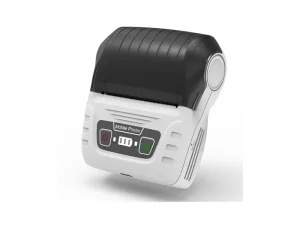
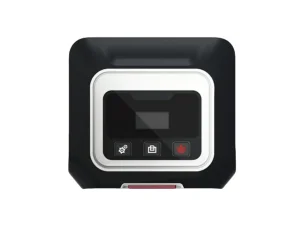
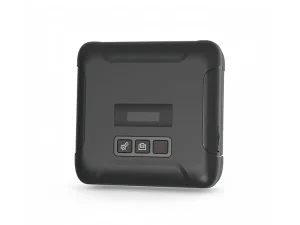
Robust, wireless, drop-tested handheld receipt and sticker printers optimized for field operations.
View Products
Ultra-fast desktop transaction printers compatible with multiple platforms and standard cashier systems.
View Products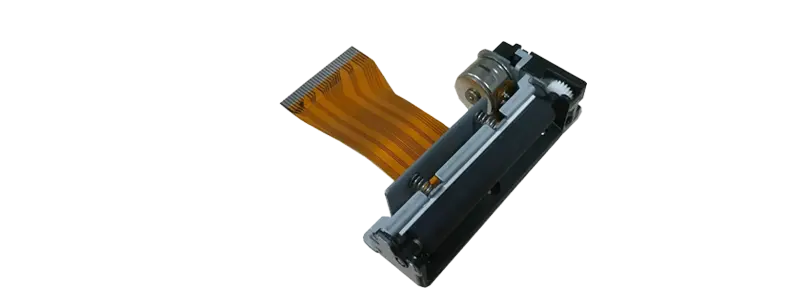
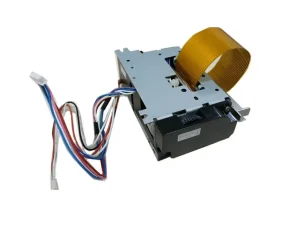
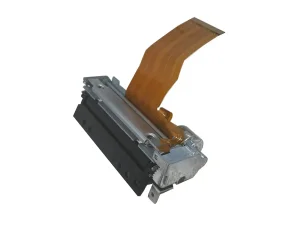
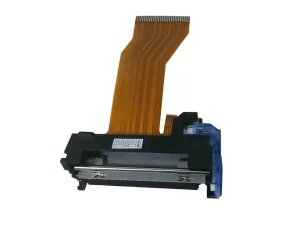
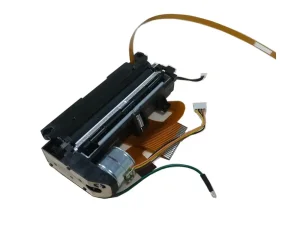
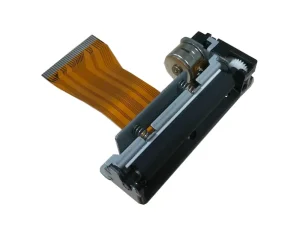
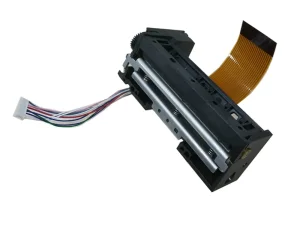
Compact micro print mechanisms for portable devices, hand-held POS terminals, and diagnostic equipment.
View Products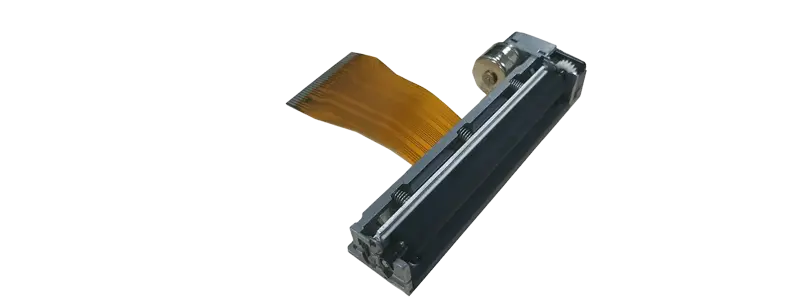
Heavy-duty mechanisms configured for POS cash registers, ticketing systems, and high-frequency self-service kiosks.
View ProductsHow OPOS Combines Structural Integration with Industrial Scale
In the modern global landscape, industrial buyers face significant vulnerabilities due to shipping bottlenecks, fluctuating component costs, and unreliable product tolerances. OPOS mitigates these risks by leveraging an integrated Smart Factory ecosystem located in Xiamen's premier high-tech zone. By combining modern automated SMT assembly lines, advanced robotic quality checks, and real-time ERP material tracking, we secure unparalleled production consistency and cost control.
Unlike simple assembly facilities, our factory maintains close partnerships with raw component manufacturers, allowing us to source and stock key materials directly. This vertical integration buffers our clients from sudden global semiconductor shortages and secures stable lead times for high-volume orders. In addition, our physical plant houses advanced environment chambers, drop-test platforms, and electromagnetic compatibility (EMC) testing labs to verify every batch under extreme simulated operations before dispatch.


Why Procurement Professionals and Engineers Choose OPOS

Complete adaptation of physical dimensions, voltage specs, and data pinouts to fit into any existing enclosure or device chassis.

Independent mechanical layout and firmware development. Fast prototype turnaround ensures accelerated speed-to-market cycles.

Dedicated field application engineers (FAE) available to support driver integration, firmware updates, and hardware troubleshooting.

Full engineering warranty coverage covering components, replacement parts, and direct calibration adjustments.
Proven Performance in Demanding Daily Operating Conditions





Addressing Common Design, Voltage, and Compatibility Queries
Stay Current with Developments from the OPOS Engineering Teams
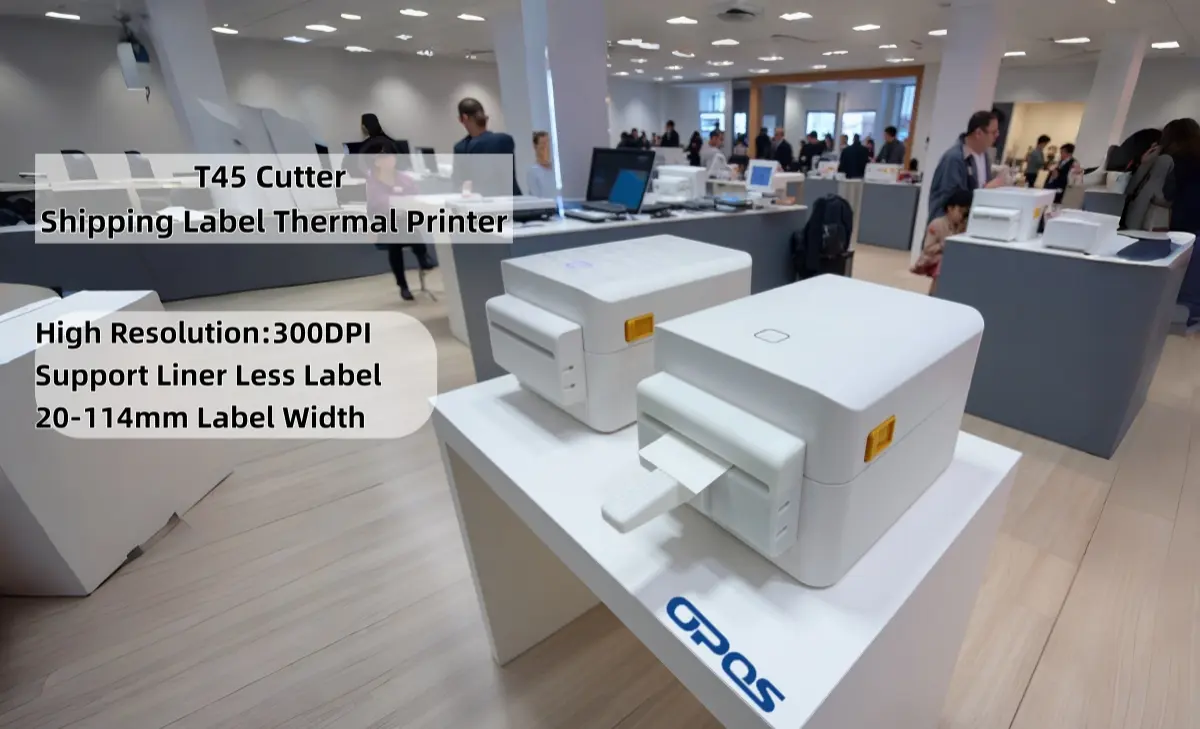
At Xiamen OPOS Printer, we are thrilled to announce the launch of our latest high-density mobile printheads, offering superior contrast ratios in challenging field environments.
Read Article →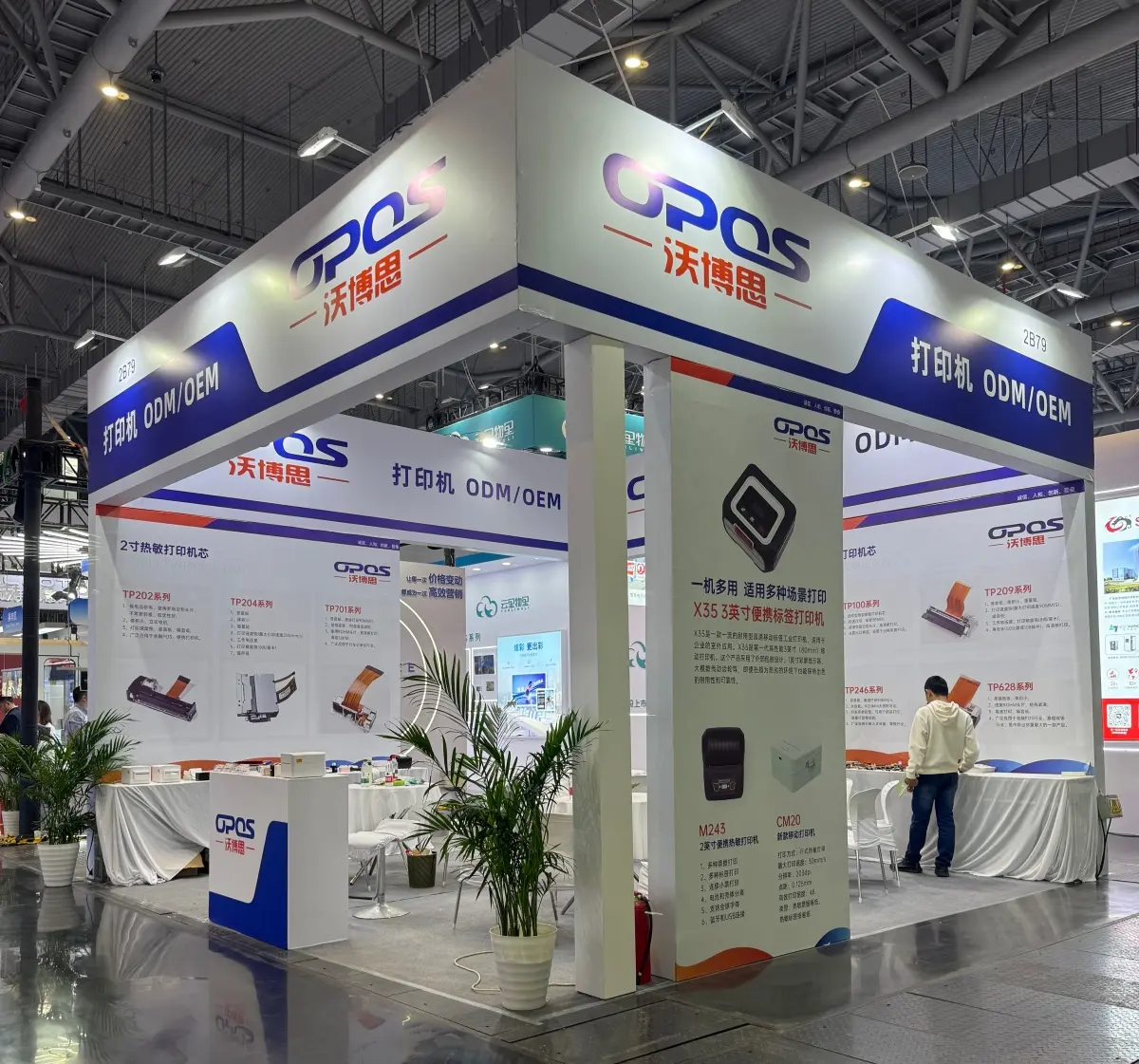
We are excited to share details from our participation at the recent ChinaShop Exhibition, highlighting next-generation POS models and high-speed auto-cut mechanisms.
Read Article →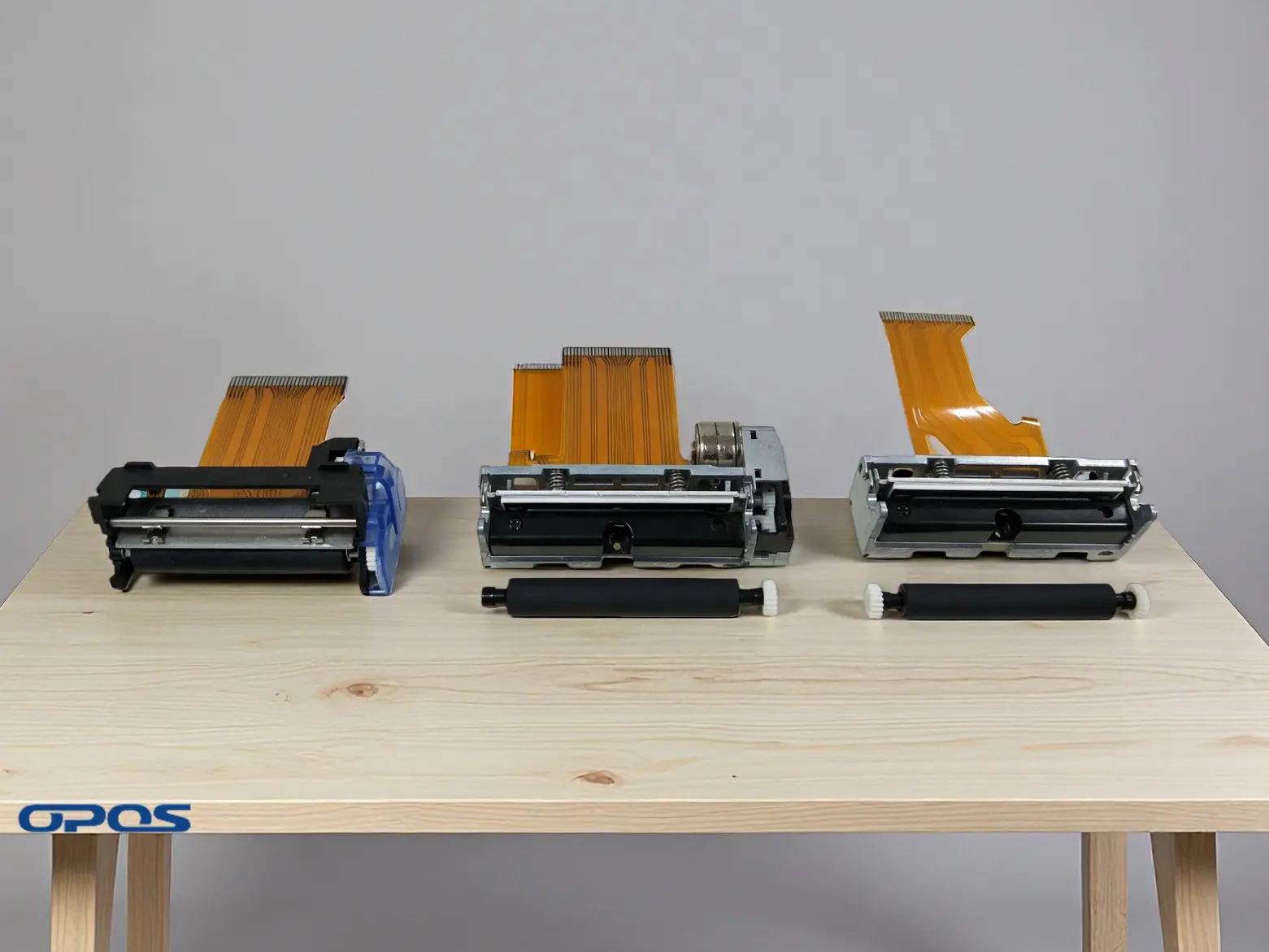
Understanding the core assembly: analysis of the printhead, platen roller, and stepper motor gear systems that coordinate accurate dot placements on thermal media.
Read Article →Robust Hardware Engineered for Continuous Duty Cycles