
Explore our foundational range of certified thermal mechanisms and fully integrated portable printers engineered for demanding supply chain architectures.
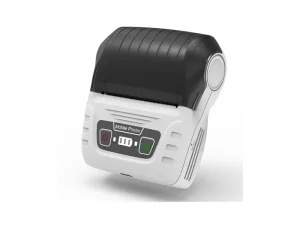
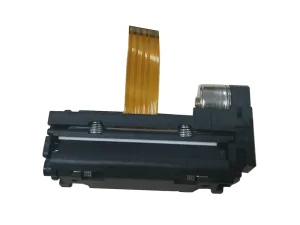
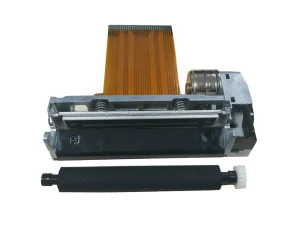
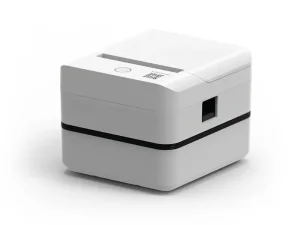
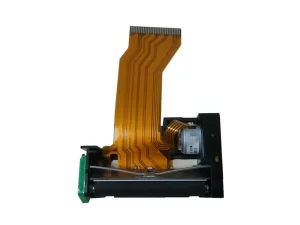
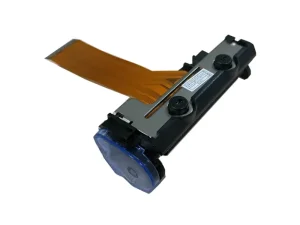
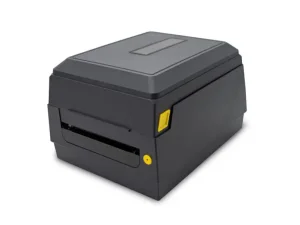
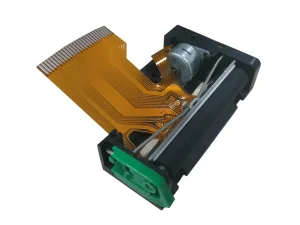
The global market for label printing and marking systems has shifted dynamic sectors—specifically automated logistics, distributed healthcare diagnostics, cold chain tracing, and smart retail configurations—into hyper-growth trajectories. Enterprises require direct interfaces, hardware component longevity, and high-performance print mechanisms that operate flawlessly in multi-shift scenarios. No longer limited to basic office stationery labeling, contemporary industrial applications rely on thermal direct and thermal transfer systems to encode high-density data matrices, RFID components, and variable shipping metadata.
As global supply chains expand, the fragmentation of hardware standards has emerged as a major operational bottleneck. Procurement executives face the challenge of reconciling divergent hardware footprints with centralized software stacks. This mismatch makes drop-in compatibility a critical requirement when sourcing print units. Mechanisms must match the dimensional blueprints and electrical characteristics of legacy Japanese standards (such as Seiko LTP and Fujitsu FTP series) while integrating advanced IoT capabilities, low-voltage power consumption, and durable cutter modules.
A critical barrier in high-volume industrial printer sourcing is mechanical wear resistance. The thermal printhead (TPH) is subjected to continuous abrasion from paper coatings and harsh chemicals. At OPOS (Xiamen) Electronic Technology Co., Ltd., we tackle these reliability challenges through advanced materials engineering. Our self-developed printer mechanisms integrate specialized protective coatings that minimize frictional drag and prevent carbon buildup on the heating elements.
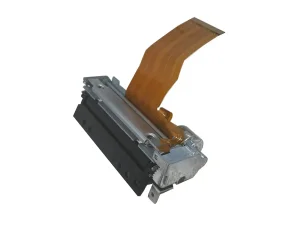
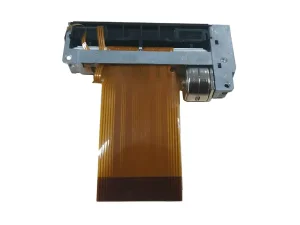
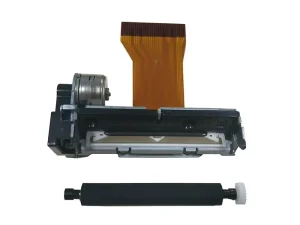
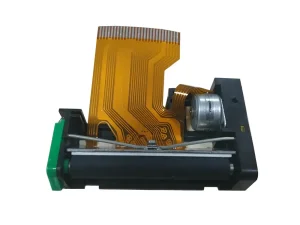
Furthermore, our engineering teams focus heavily on mechanical interchangeability. A significant portion of our portfolio consists of pin-compatible and footprint-compatible alternatives to global industry standards. This lets OEMs upgrade their thermal systems without redesigning their underlying enclosures or control PCBs. For instance, our TP628, TP206, and TP209-V series offer direct drop-in integration with legacy print engines like Seiko and Fujitsu. This compatibility helps global brands maintain supply chain resilience and lower their overall cost of ownership.
Comprehensive array of printer components and end-user devices optimized for seamless integration.
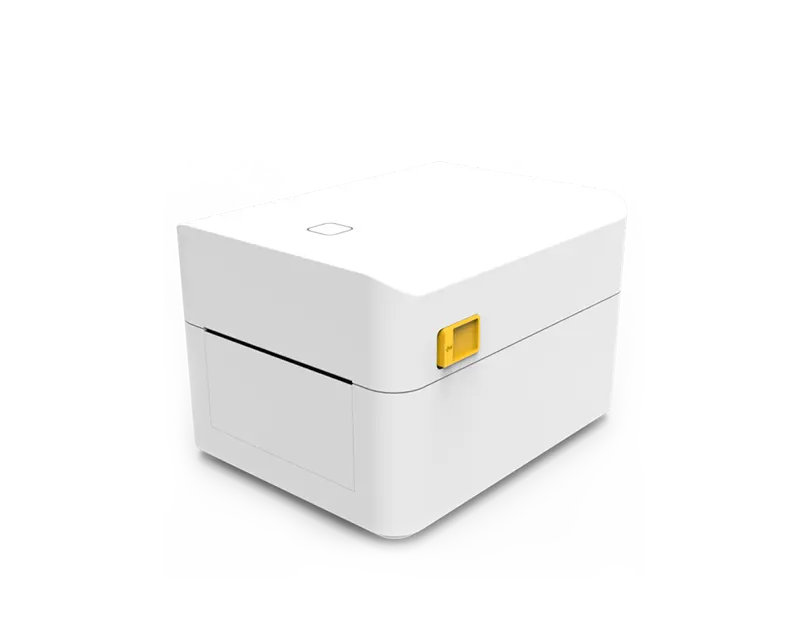


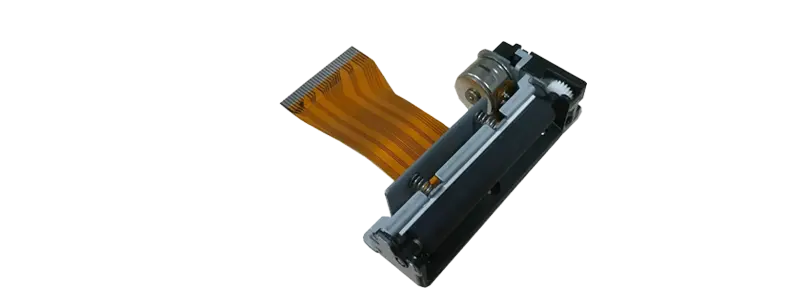
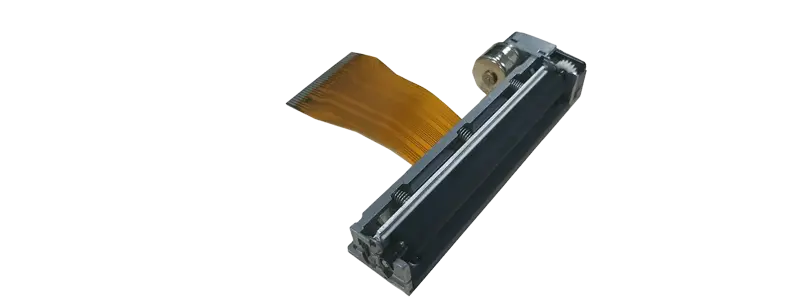
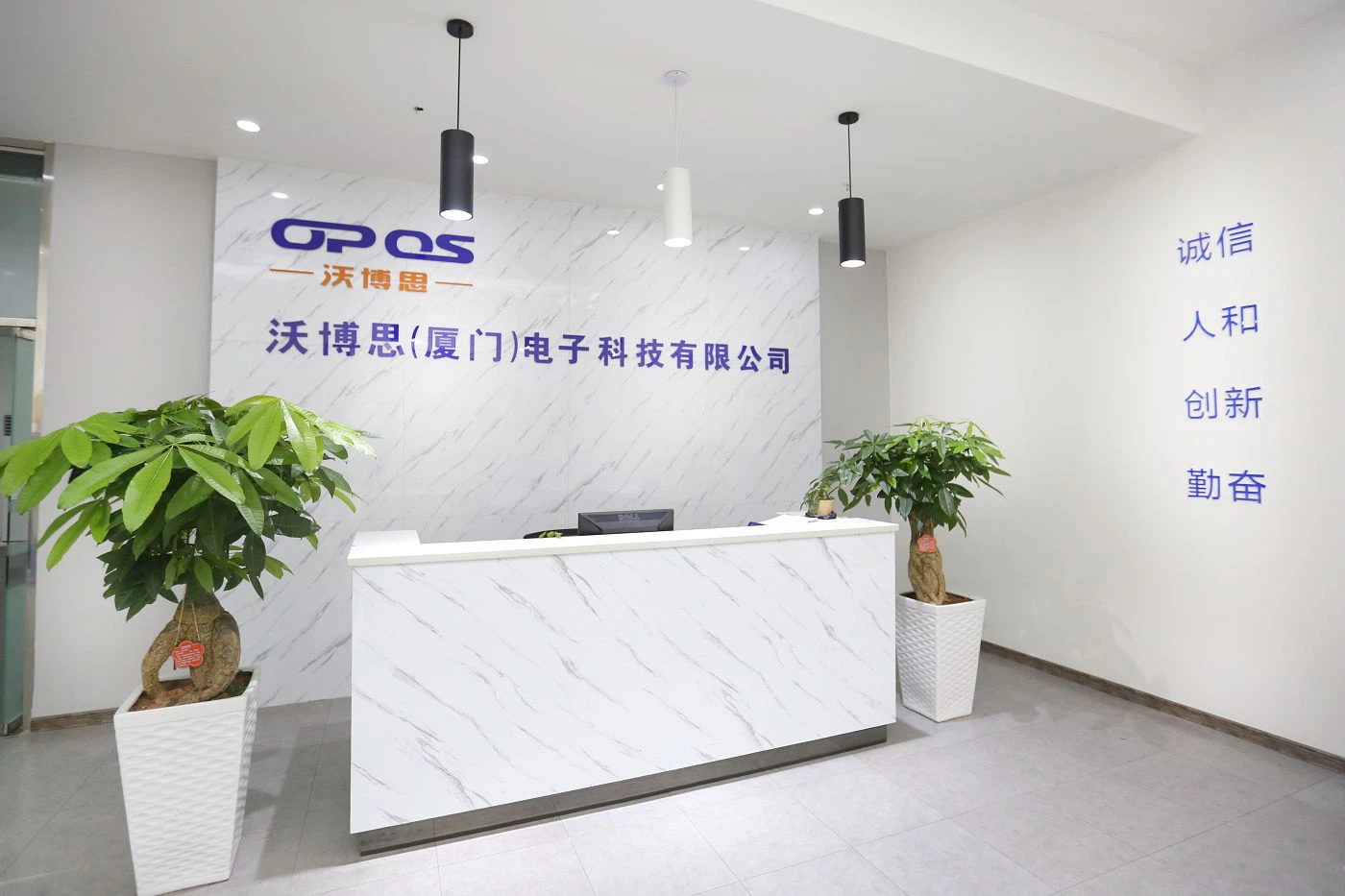
Established in Xiamen, Fujian Province, China, OPOS Electronic Technology Co., Ltd. has developed into a leading domestic thermal mechanism and specialized print engine factory. From our early days researching matrix printers, we have grown into a high-tech enterprise that designs, manufactures, and exports thermal label printers, POS systems, receipt mechanisms, and precision cutter components.
Our ISO9001-certified factory in Xiamen uses automated assembly and precision testing to ensure every mechanism delivers consistent printing performance, high dot-density, and long service life. By integrating R&D, structural design, and large-scale manufacturing, we serve clients in over 20 countries. This capability makes us a trusted OEM/ODM partner for global logistics providers, POS system integrators, and industrial labeling brands.
Why leading industrial manufacturers and logistics companies choose OPOS for their critical printing hardware.
Flexible engineering options for thermal engines, matching specific structural casings, custom pin configurations, and control board dimensions.
Over 70 industry patents, featuring proprietary designs for self-balancing printheads, low-voltage control circuits, and robust cutter assemblies.
Dedicated engineers resolve firmware integration issues, control command compatibility (ESC/POS, TSPL, ZPL), and interface challenges.
Full warranty coverage with supply-chain security for spare parts, helping clients maintain operational continuity and minimize downtime.
Operational technology engineered to perform in various demanding workplace environments.





A structured approach designed to fast-track thermal hardware development from concept to mass production.

Branding Consulting

Product Planning

Prototype & Testing

Mass Production

Inspection & Pack

Global Shipping
China's dominance in thermal printing manufacturing is built on integrated supply chains. In electronic clusters like Xiamen, factories operate close to major raw material refineries, specialized micro-motor manufacturers, semiconductor test firms, and deepwater shipping terminals. This proximity keeps regional transport costs low, provides access to skilled engineering talent, and enables rapid design iterations that western suppliers can rarely match.
At OPOS, this logistical layout is integrated directly into our production processes. Components move quickly through injection molding, precision SMT circuit assembly, robotic calibration, and aging chambers. As a result, we can design, build, test, and ship customized prototypes in times that match global supply chain cycles. Furthermore, our strong regional supplier networks help buffer against global commodity cost spikes, allowing us to maintain stable, competitive pricing for our international distributors.
When vetting OEM/ODM printing factories, sourcing teams should look beyond basic unit cost. Key criteria for long-term reliability and lower total cost of ownership include:
Complete your layout with our industrial mechanisms, desktop shipping units, and high-speed cutters.
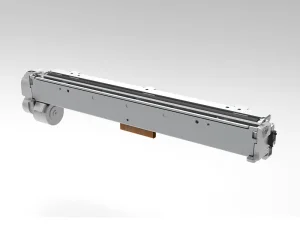
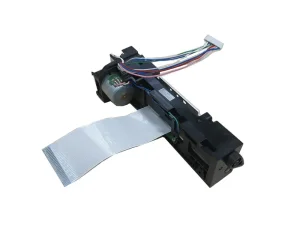
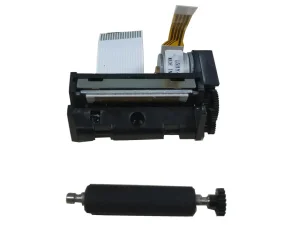
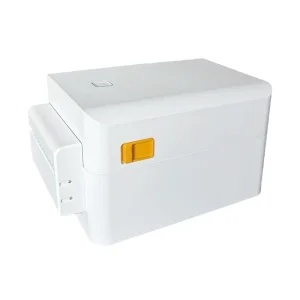
Explore recommended systems featuring linerless cutting mechanisms, high-output thermal transfer, and field-tested POS solutions.
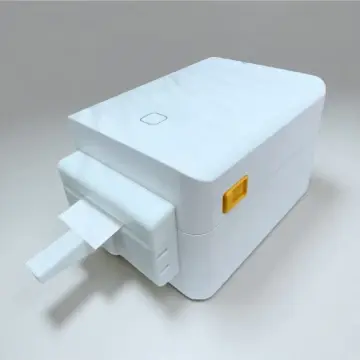
Designed for businesses seeking sustainable packing processes without backer waste.
Read More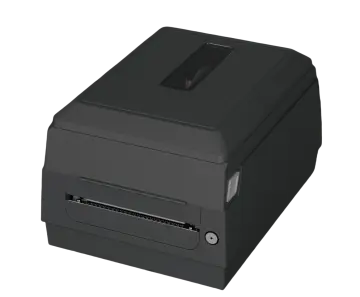
High-resolution printing engine optimized for shipping labels and retail logistics.
Read More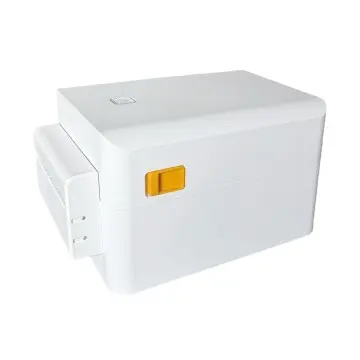
Sticker label printer featuring an ergonomic tearing knife for smooth manual execution.
Read MoreThe thermal printing sector is adapting to changing regulatory frameworks, green policies, and the growth of warehouse automation. One of the most significant shifts is the transition toward **Linerless Label Systems**. Conventional thermal labels generate substantial silicone-coated backing waste that is non-recyclable and ends up in landfills. Linerless systems use specialized non-stick release coatings and redesigned cutting mechanisms to print clean, variable-length labels without backing paper. This innovation reduces waste, allows more labels per roll, and lowers freight costs.
On the technology front, the integration of **IoT and Edge Computing** is transforming printer management. Modern systems do not just receive and process static print tasks. Instead, they run firmware with built-in diagnostics that monitor thermal wear, motor health, and roll levels in real time. These metrics are sent directly to central management systems via secure Wi-Fi or Bluetooth Low Energy (BLE), enabling predictive maintenance and preventing unexpected line failures.
Stay updated on our technological developments, exhibition showcases, and technical guides.
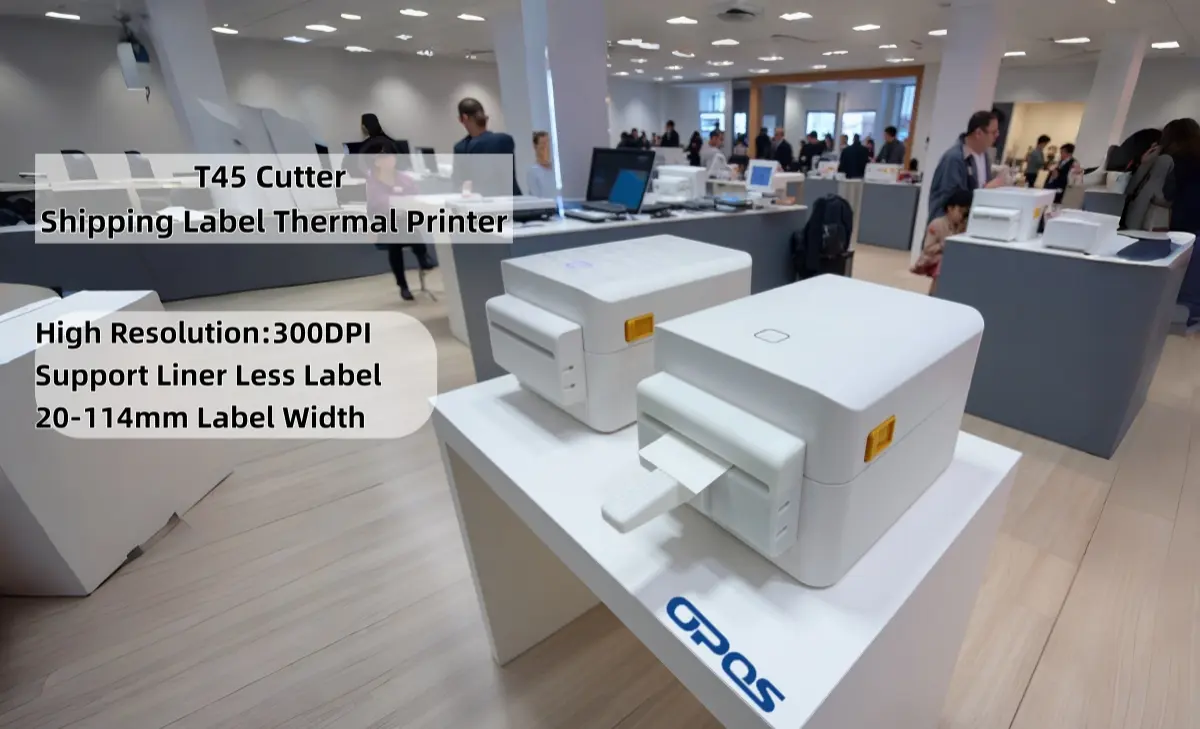
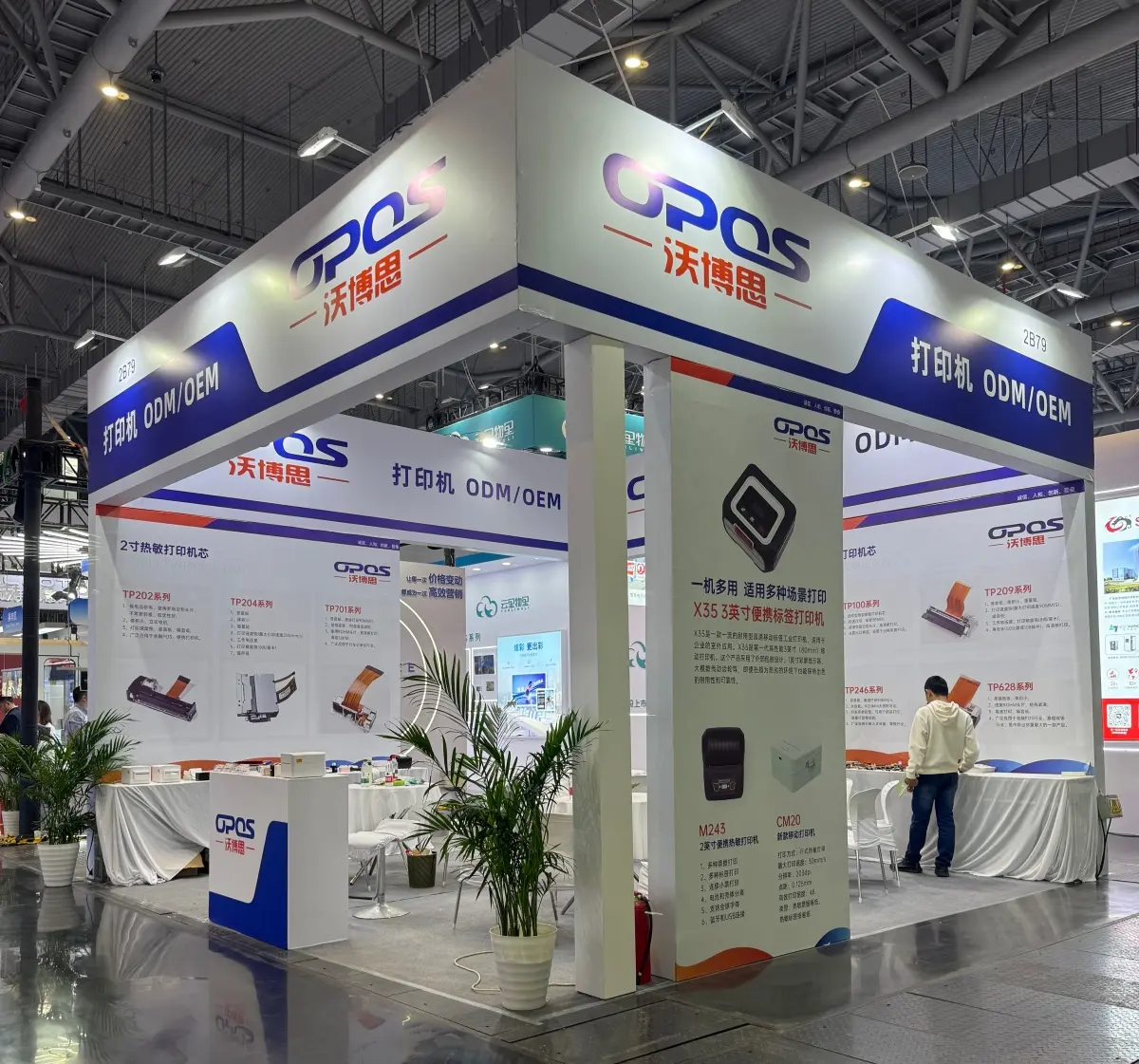
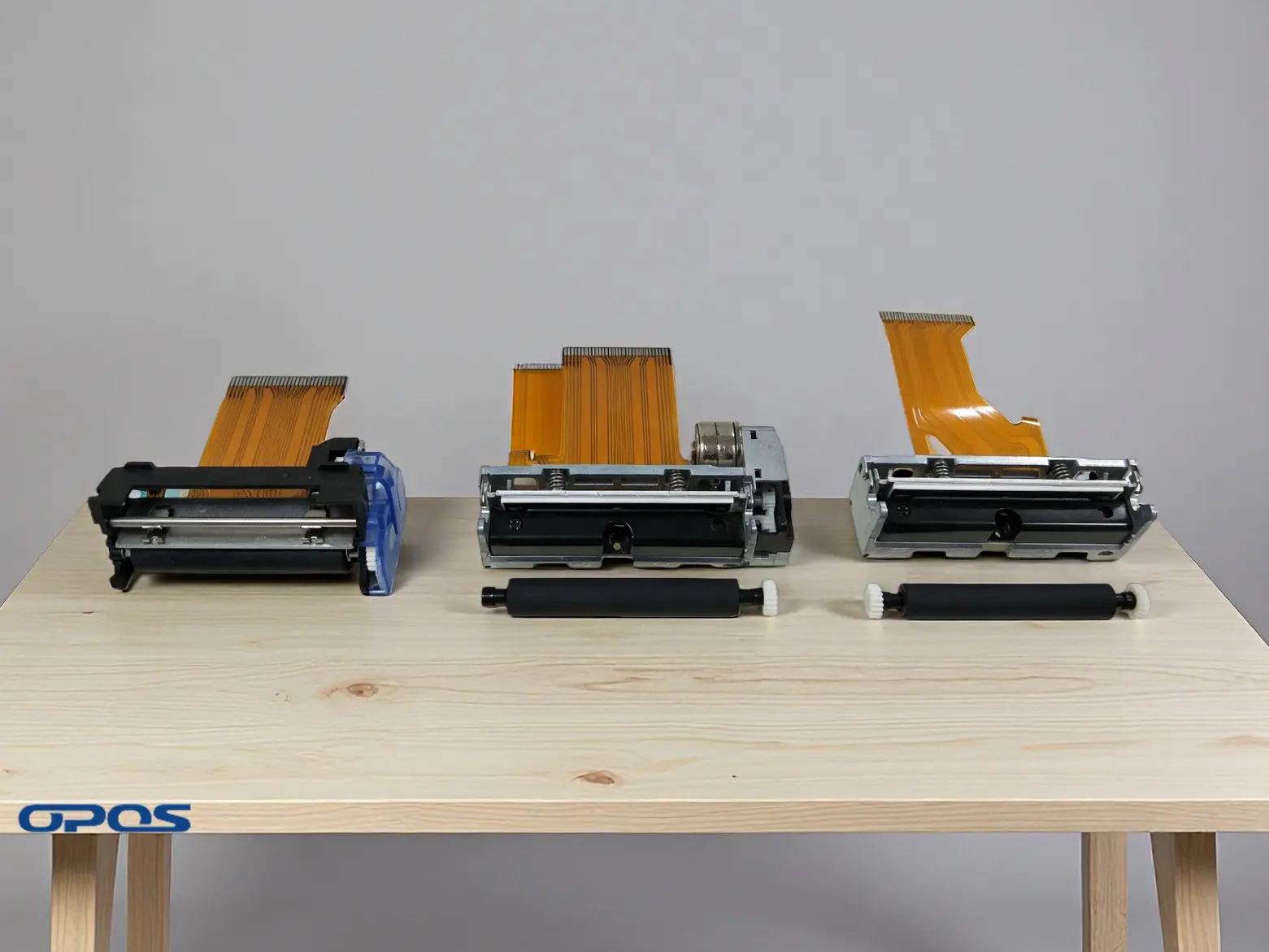
Technical guidance and sourcing tips for OEM label maker integration projects.