
Industrial performance meets seamless connectivity. Discover our core range of mechanisms and label printers optimized for continuous operating environments.
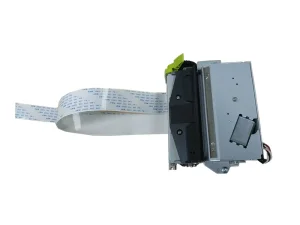
Heavy-duty, high-speed 3-inch thermal printing mechanism engineered for industrial self-service kiosk terminals.
Explore Customizations →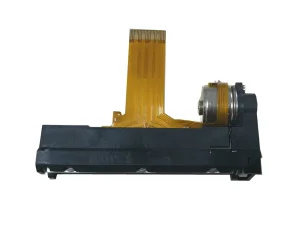
Ultra-compact 2-inch mechanism optimized for mobile handheld POS systems and portable medical diagnostics.
Explore Customizations →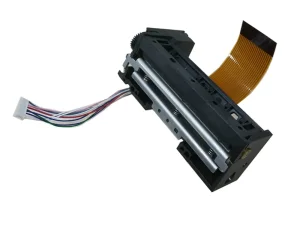
Precision curved-path 3-inch mechanism built for reliable utility billing receipting systems and retail applications.
Explore Customizations →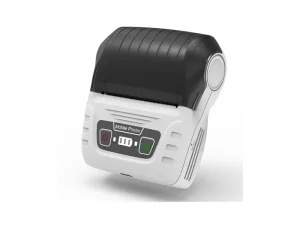
Pocket-sized direct thermal label printer supporting dual Bluetooth connection modes for iOS and Android.
Explore Customizations →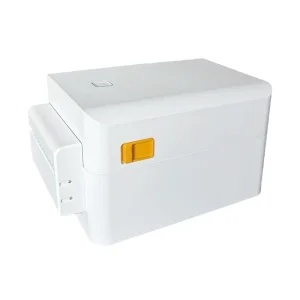
Robust desktop shipping label printer with integrated manual tear-bar, supporting standard 4x6 shipping sheets.
Explore Customizations →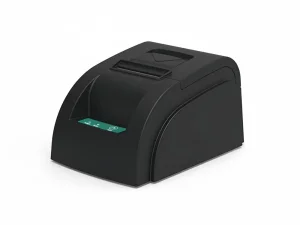
Compact footprint desktop receipt printer boasting 200mm/s print speeds and automated anti-jam cutter mechanisms.
Explore Customizations →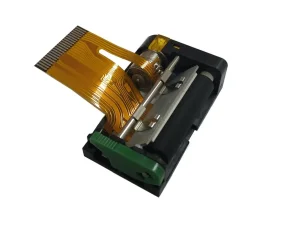
Super-thin 2-inch mechanism tailored for integration into gas station pumps, parking meters, and micro-terminals.
Explore Customizations →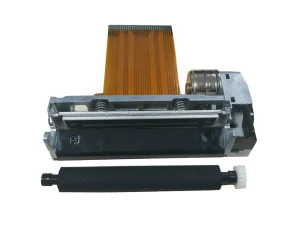
High-compatibility 2-inch horizontal design offering easy-paper-loading system and silent operations.
Explore Customizations →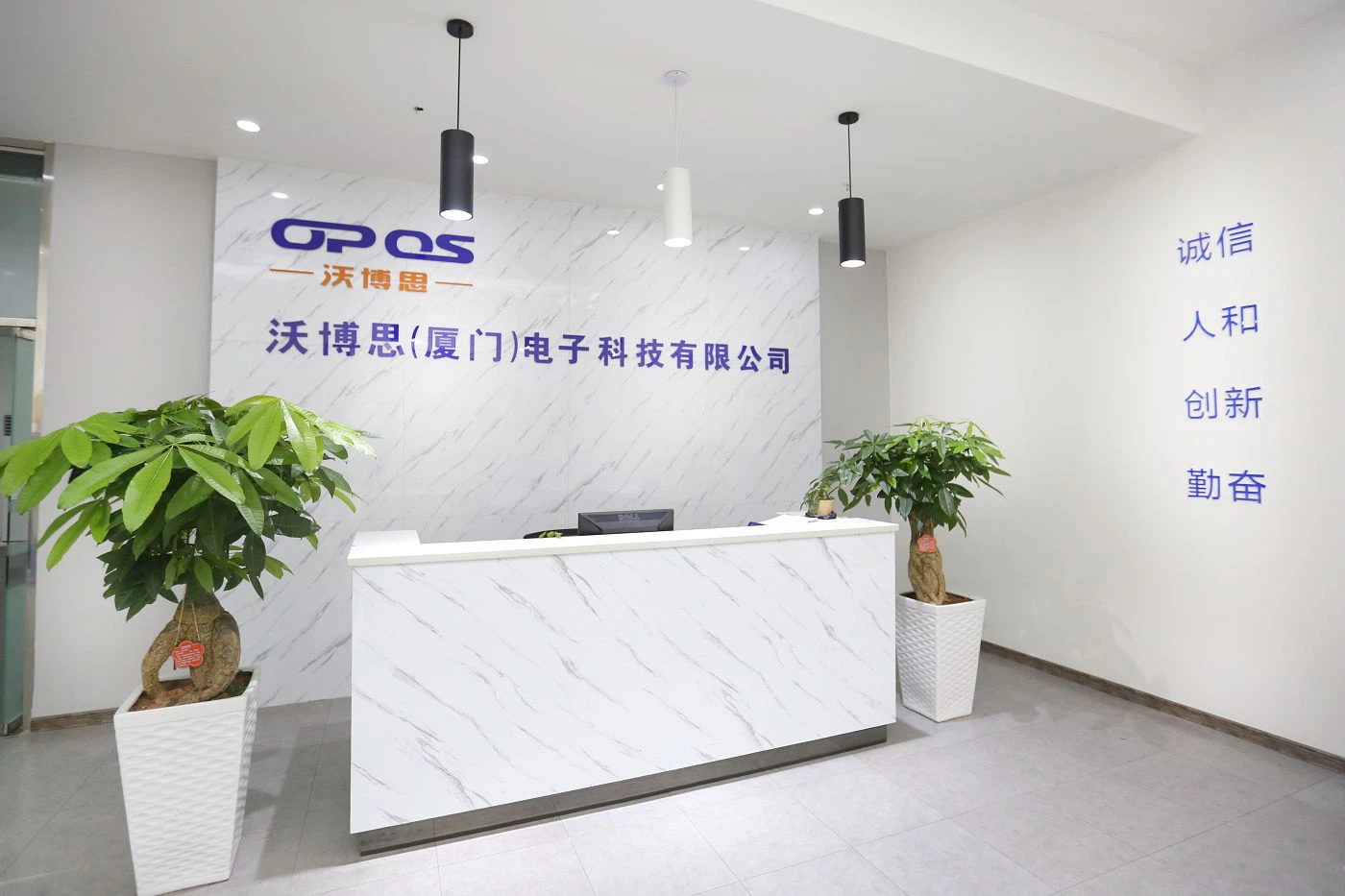
Established in 2005 in Xiamen, Fujian Province, China, OPOS (Xiamen) Electronic Technology Co., Ltd. has developed into a leading designer and high-tech manufacturer of professional thermal print engines, POS receipt printers, mobile label mechanisms, and integrated cutter modules. With decades of research and design experience, we operate at the intersection of mechanical reliability and hardware integration.
From initial design draftings to mass scale injection moldings and quality assays, we cater to strict global OEM and ODM specifications. We bridge the gap between complex hardware configurations and user-friendly printing terminals.
Get Corporate Profile →Why Tier-1 logistics networks and retail brands choose OPOS as their strategic manufacturing partner.

From firmware protocols (ZPL, TSPL, ESC/POS) to custom PCBA layouts and structural moldings, we match specifications cleanly.

Our in-house firmware and mechanical engineers continuously design next-generation print engines compatible with Seiko, Epson, and Fujitsu footprints.

We provide complete software development kits (SDKs) for iOS, Android, and Windows, alongside direct remote engineering access.

Rigorous hardware validation, component tracing, and a comprehensive replacement policy protect your deployment lifecycles.
The landscape of commercial label printing is shifting away from static, tethered desktop systems. In today's dynamic warehouse and industrial environments, printing infrastructure demands agility, low power budgets, and robust wireless performance. The evolution of Bluetooth technology—specifically the leap from Bluetooth Classic (SPP) to Bluetooth Low Energy (BLE 5.2/5.3) and Bluetooth Mesh networks—has redefined how shipping labels are handled on-site.
In next-generation logistics operations, printers act as active nodes within the Internet of Things (IoT). Our research and development timeline targets the implementation of dual-band Bluetooth coupled with Wi-Fi direct routing. This ensures that if a mobile operator moves beyond the typical 10-meter Bluetooth radius, the printer seamlessly handshakes with the nearest corporate WLAN access point without losing print queue sequences or dropping label serialization data.
Furthermore, environmental sustainability drives mechanical design. We are heavily investing in linerless printing architectures. Unlike traditional labels which generate tons of non-recyclable silicone-coated backing papers, linerless printers cut label material directly from a continuous adhesive roll. This demands highly specialized adhesive-resistant rollers and specialized cutter blades (as featured in our T45 Cutter range) to guarantee a lifetime exceeding 1,500,000 clean cuts without adhesive residue accumulation.
Thermal printing is not a one-size-fits-all product. Different industrial sectors place radically unique stress profiles on both the mechanical printing apparatus and the wireless connectivity logic.
Here, 4x6-inch shipping labels are the industry standard. High-speed desktop units like the T45, equipped with integrated tear bars or automated rotary cutters, must operate continuously in dusty transit hubs. They handle massive print queues sent via Bluetooth from tablet computers, generating high contrast barcodes compatible with high-speed automated sorting arrays.
Mobile micro-printers (such as the C30 80mm or MY58) must withstand mechanical drops of up to 1.5 meters onto concrete. They rely on high-capacity Lithium-ion battery packs and optimized low-voltage print heads that maximize print density while operating within strict thermal limits to avoid premature battery drain.
Medical tracking labels require highly specialized media compatibility. Standard direct thermal labels degrade when exposed to alcohols, high moisture, or cryogenic storage conditions. The thermal printhead must support high-heat transfers and precise micro-stepping to prevent barcode distortion on small vials.
Deploying thousands of devices globally demands strict compliance with national wireless standards and environmental mandates. Every wireless hardware asset exported by OPOS Xiamen undergoes exhaustive physical layer tests in accredited laboratories. We secure regional certifications including CE for the European Economic Area, FCC for the United States, KC for South Korea, and TELEC for Japan. This guarantees that the RF radiation profiles of our Bluetooth transmitters do not interfere with other critical business equipment.
Beyond physical RF compliance, software localization is a major bottleneck for global integrators. Our printers feature onboard storage arrays holding complex double-byte character sets (such as GB18030 for Chinese, Kanji for Japanese, and Hangul for Korean). This eliminates raw graphic transmission delays over the Bluetooth link, allowing the host device to send compact ASCII strings while the printer processes character vector rendering locally.
For seamless integration into pre-existing ERP and warehouse management suites (like SAP, Oracle, and Salesforce), our firmware natively interprets standard emulation dialects. Whether your network outputs raw Zebra Programming Language (ZPL), Eltron Programming Language (EPL), or standard Epson ESC/POS receipts, our microcontrollers parse these commands internally, matching exact layout coordinates without requiring costly third-party driver bridges.
Xiamen is a globally recognized manufacturing cluster for thermal printing equipment. Within this ecosystem, OPOS operates a fully vertically-integrated factory floor. By executing injection molding, precision metal stamping, clean-room surface mount technology (SMT) for PCBs, and final automated robotic test fixtures under a single roof, we isolate our production line from external supply chain bottlenecks.
Our manufacturing processes follow strict Factory 4.0 paradigms. Each printer mechanism is assigned a unique tracking matrix code during SMT assembly. As the unit advances through the winding of the stepper motor, the mounting of the ceramic printhead substrate, and the alignment of the platen roller, performance values (such as coil resistance, motor torque, and thermistor calibration) are logged directly to our internal ERP database. This allows us to trace any field failure back to the specific manufacturing shift and component batch, ensuring outstanding quality assurance.
B2B hardware sourcing managers face complex challenges when balancing upfront hardware unit costs against lifetime total cost of ownership (TCO). A cheap thermal printer with a short printhead life cycle (e.g., 30 kilometers of printed media) will cost double or triple the initial investment in field repairs, downtime, and replacement parts.
OPOS addresses this dynamic by utilizing Japanese-engineered ceramic substrates and specialized alloy heating elements within our printheads, achieving certified lifespans of 100km to 150km. Procurement teams must also confirm that factory partners can handle sudden scaling demands. With our dual semi-automated assembly lines in Xiamen, we maintain a baseline capacity of 80,000 printer mechanisms per month. This allows us to fulfill large bulk orders without extending standard lead times.
Providing robust performance in high-stress, real-world deployment scenarios.





From custom conceptual designs to final global deployments—our systematic engineering workflow ensures precision quality at every stage.

Consulting & Spec Analysis

Brand Solution & Drafting

Rapid Prototyping & Sampling

High-Capacity Mass Production

Final Quality Inspection

Global Delivery & Logistics
How OPOS keeps you ahead of evolving hardware standards and smart shipping infrastructures.
Integrating USB Type-C power delivery and high-efficiency dual-mode Bluetooth (Classic + BLE) directly onto POS mechanism motherboards.
Developing heavy-duty mechanical cutters equipped with special chemical non-stick coatings to prevent adhesive buildup from linerless labels.
Building local network printing endpoints that communicate directly with cloud databases via JSON, bypassing host drivers entirely.
Implementing real-time resistance scanning in the heating element arrays to predict and alert users of potential printhead degradation before failure.
Get technical insights from our product engineering team to make informed purchasing decisions.
Keep up with our latest product launches, exhibition highlights, and thermal printing insights.
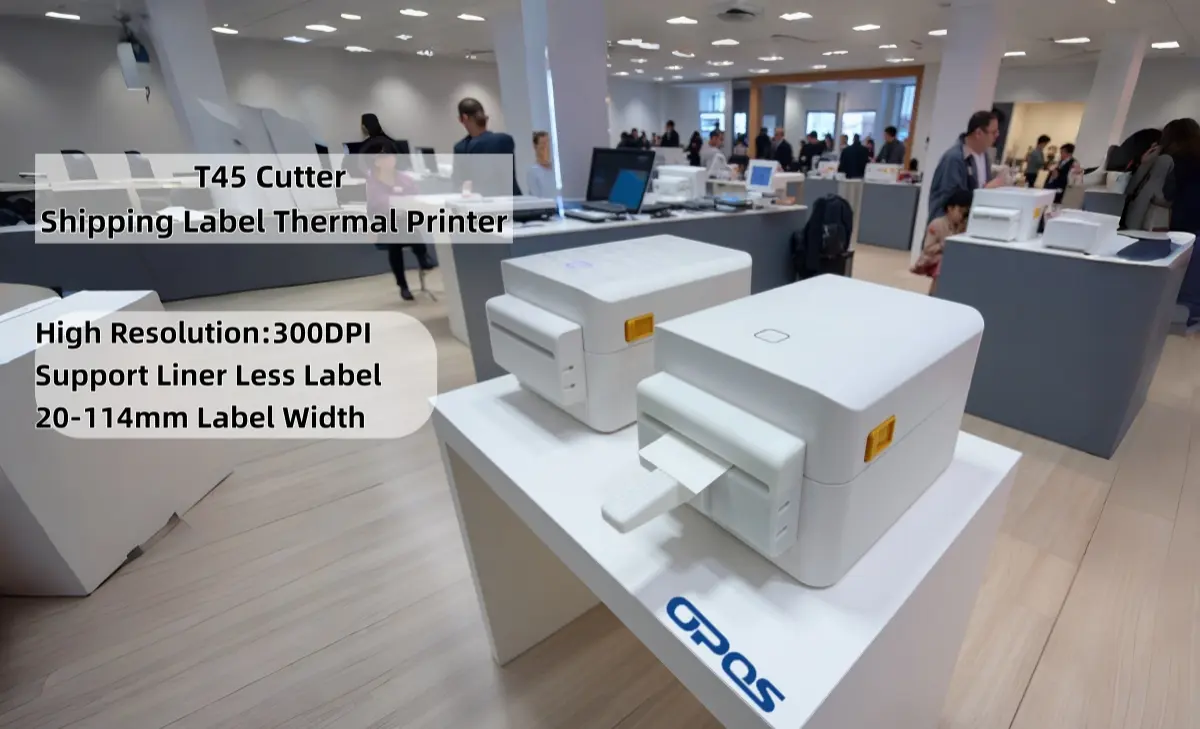
At Xiamen OPOS Printer, we are thrilled to announce the launch of our latest innovation: a high-resolution wireless printer series designed for precise, dense logistics waybills.
Read Detailed Article →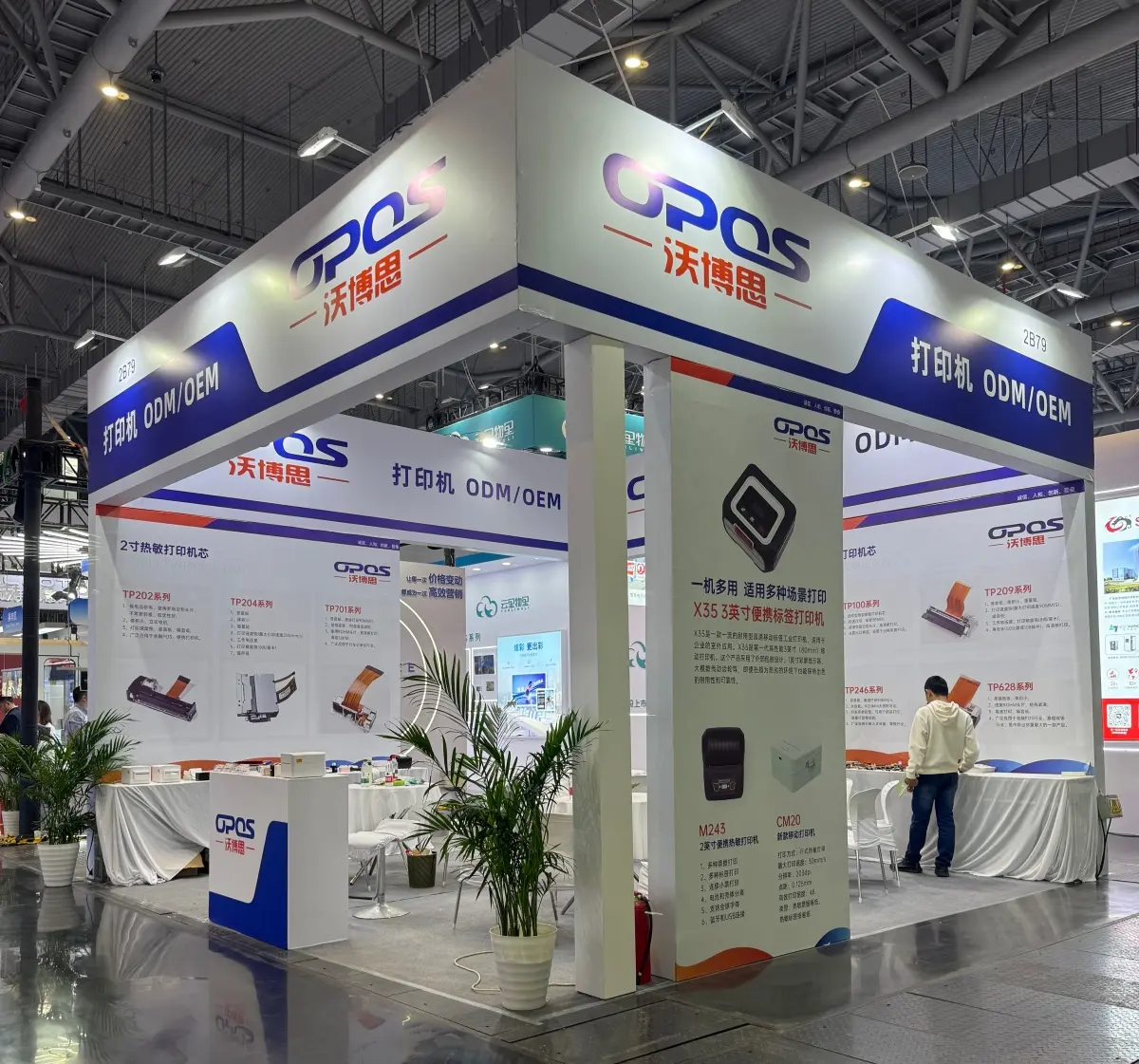
We are excited to share that OPOS Printer recently participated in the Chinashop Exhibition, showcasing our smart checkout systems and portable labeling devices.
Read Detailed Article →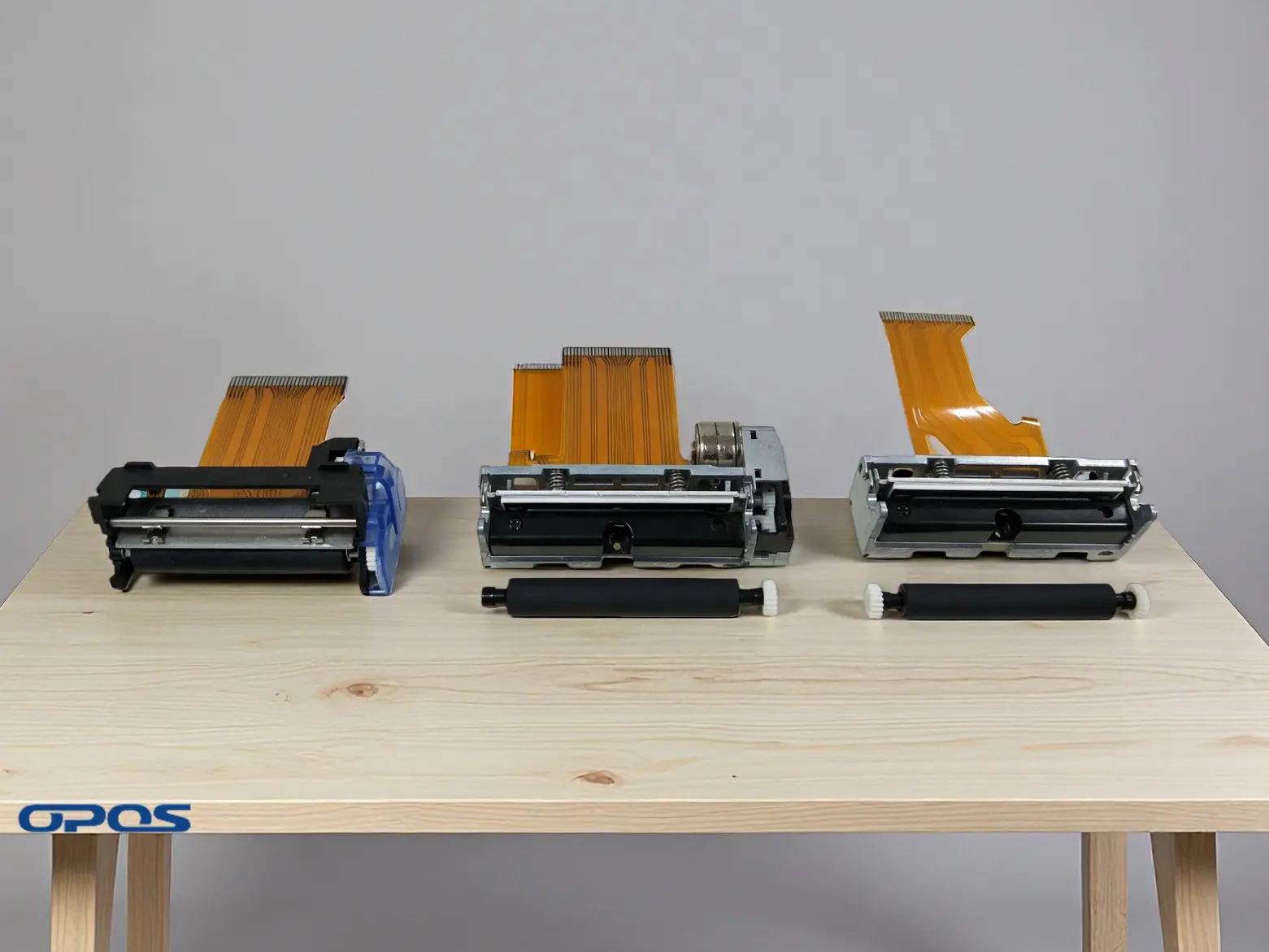
A thermal printhead, also known as a thermal printer mechanism, is the core component of direct thermal printing. In this guide, we break down its inner workings.
Read Detailed Article →Explore our wide range of compatible print engines and portable thermal label printers.
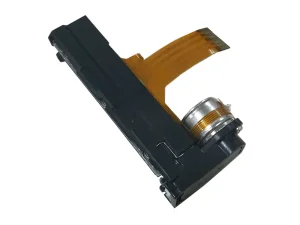
An energy-efficient 2-inch thermal mechanism designed for portable, battery-powered medical instruments.
Explore Customizations →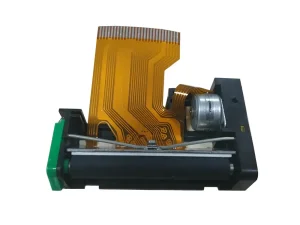
Compact 2-inch mechanism featuring a simple loading design, ideal for tax meters and micro-receipting units.
Explore Customizations →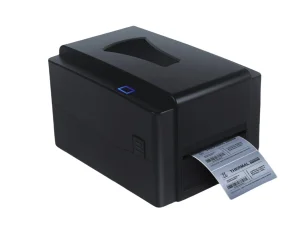
Heavy-duty industrial desktop barcode printer, supporting both direct thermal and thermal transfer ribbon configurations.
Explore Customizations →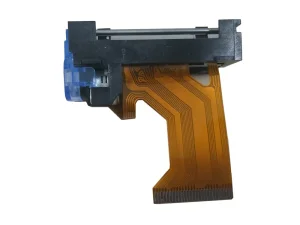
High-speed, low-voltage 2-inch printing mechanism designed for integration into parking meters and queue ticket terminals.
Explore Customizations →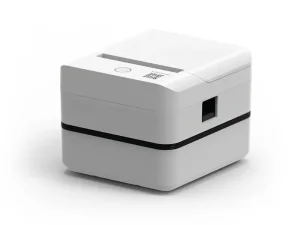
Rugged 3-inch mobile printer featuring dual Bluetooth pairing, designed for mobile warehouse inventory routing.
Explore Customizations →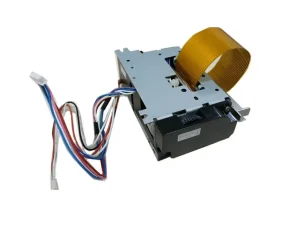
Heavy-duty 2-inch mechanism with integrated auto-cutter, engineered for robust kiosk payment stations.
Explore Customizations →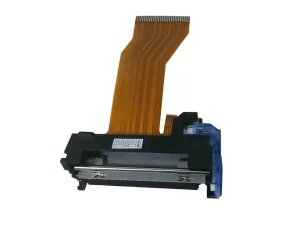
A low-voltage 2-inch printing engine designed to deliver high-contrast text and barcodes in battery-powered ticketing devices.
Explore Customizations →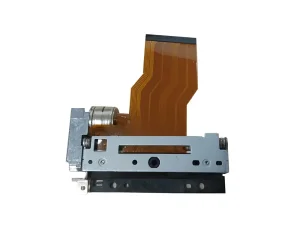
Ultra-low profile horizontal mechanism designed for space-constrained desktop calculators and micro-medical recorders.
Explore Customizations →Partner with OPOS Xiamen. Our engineering team will help you configure the ideal printer mechanisms, firmware emulations, and wireless protocols to fit your system requirements.
Contact Our Engineering Team →