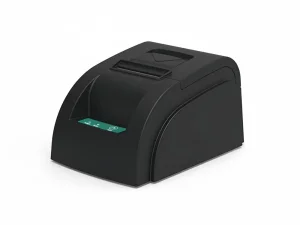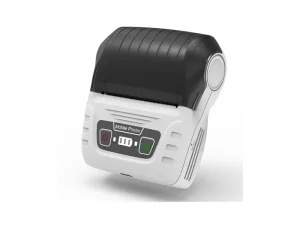
Reliable components engineered for seamless system integration and high-speed supply chain logistics.
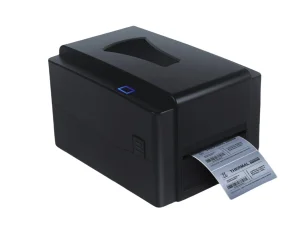
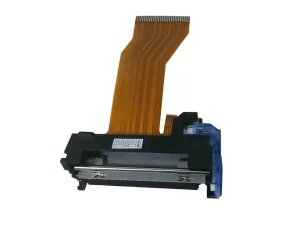
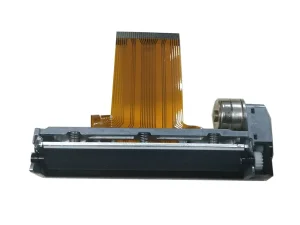
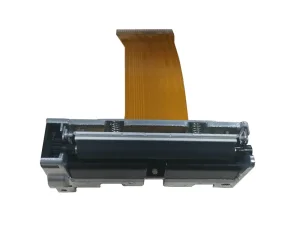
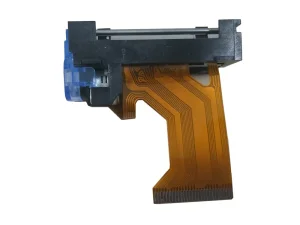
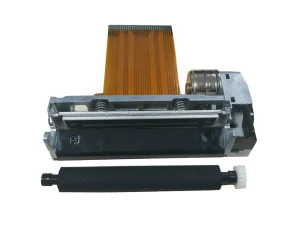
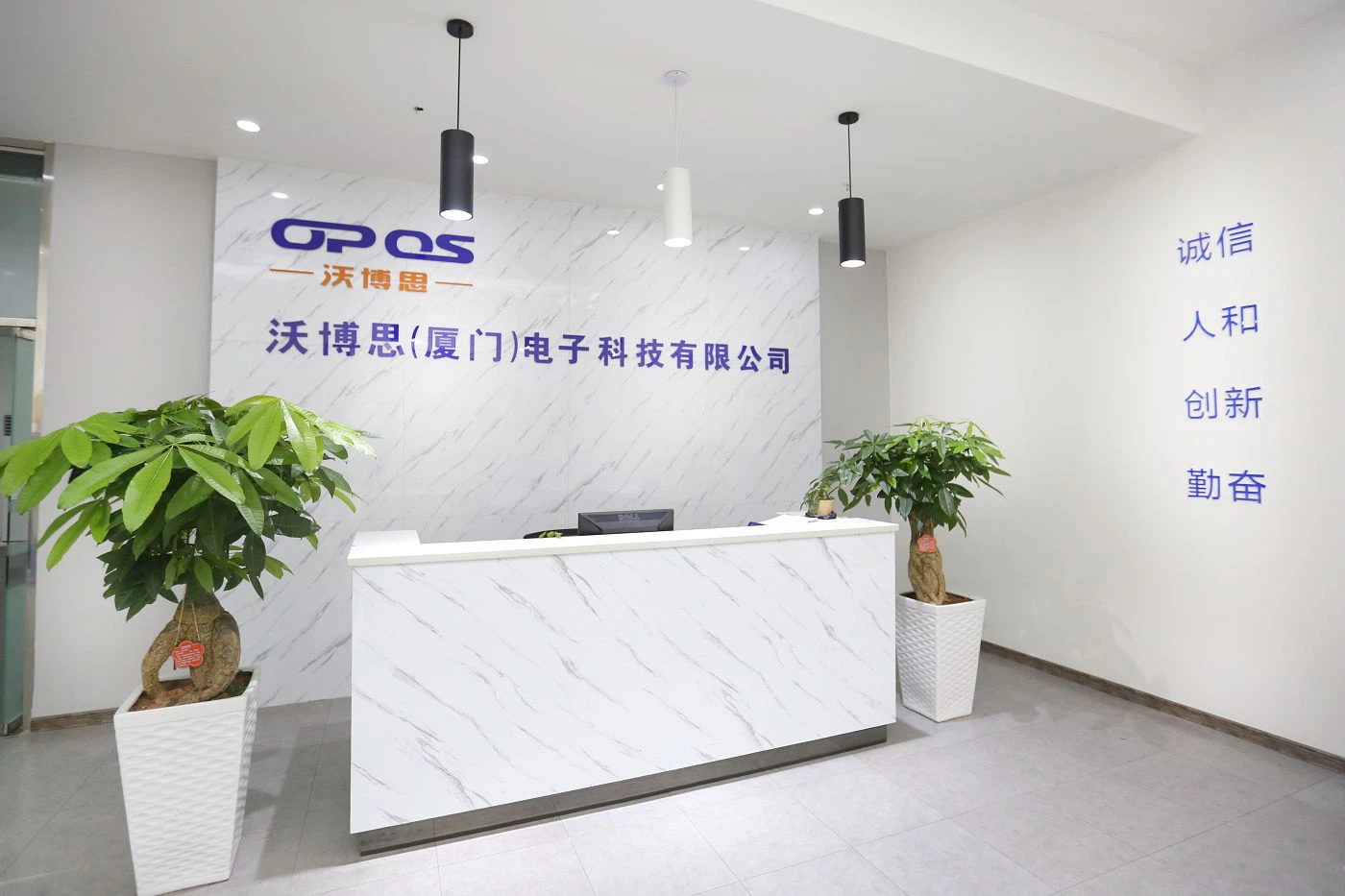
Founded in 2005 in Xiamen, Fujian Province, China, OPOS Electronic Technology Co., Ltd. has established itself as a cornerstone in the global Automatic Identification and Data Capture (AIDC) industry. We were among the pioneers of domestic dot matrix printer mechanisms and have steadily transitioned to lead the research, development, and high-volume fabrication of advanced direct thermal and thermal transfer systems.
Today, our specialized, high-tech facilities research, design, manufacture, and export thermal printers, POS mechanisms, micro-printers, and heavy-duty auto-cutters to over 20 countries. We continuously invest in our R&D vertical, maintaining a patent portfolio of over 70 invention and utility model clearances, ensuring our global enterprise clients leverage state-of-the-art print technology.
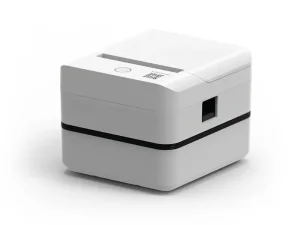
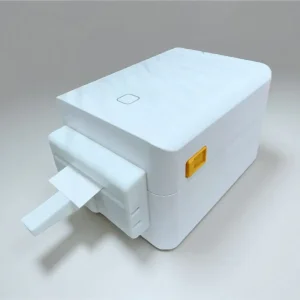
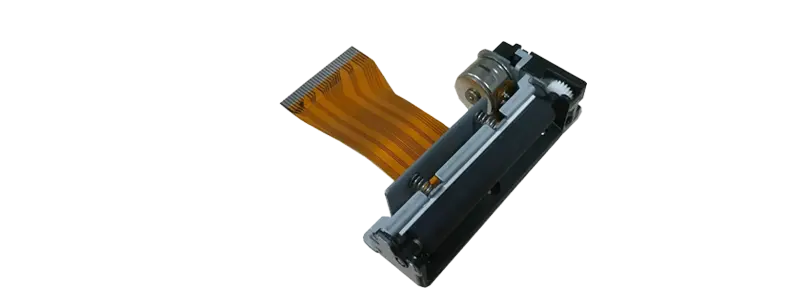
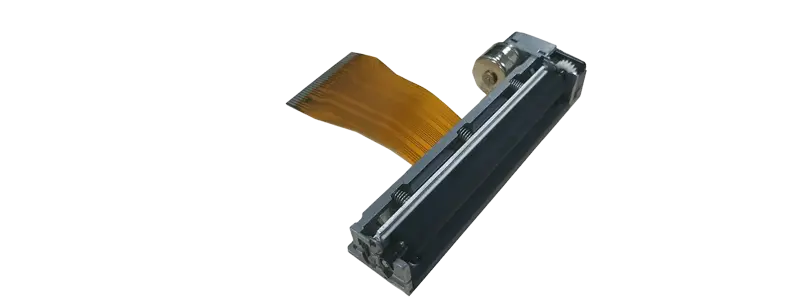
Explore Our R&D LabIndustrial printer architectures designed to fit custom kiosk configurations and desktop deployments.
In the era of rapid logistics, warehousing automation, and globalized e-commerce fulfillment networks, Automatic Identification and Data Capture (AIDC) technologies form the bedrock of supply chain visibility. Barcode and thermal label printers are no longer simple peripherals; they are crucial components in tracking systems that power retail POS, industrial assembly line diagnostics, pharmaceuticals management, and global cold-chain shipping.
The transition toward Direct Thermal (DT) and Thermal Transfer (TT) printing is accelerating due to the need for long-term label durability, reduced power profiles, and minimized device failure rates. Modern industrial environments demand rugged mechanisms capable of functioning within harsh temperatures, high humidity, and continuous duty cycles. Simultaneously, the rise of Micro-Fulfillment Centers (MFCs) requires compact, fast desktop and portable hardware configurations capable of printing sharp 203 DPI to 300 DPI high-density symbols.
Strategic Procurement Insight: Global B2B buyers increasingly prioritize supplier integration depth. Partnering directly with vertical manufacturing factories that own IP, engineering teams, and tooling design ensures long-term operational security and customized firmwares matching complex ERP architectures.
China's Fujian region, particularly the Xiamen high-tech industrial corridor, hosts one of the most robust electronics and printer mechanism manufacturing clusters globally. This regional ecosystem brings distinct advantages to procurement agencies and corporate buyers:
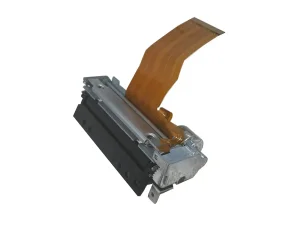
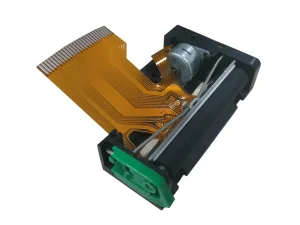
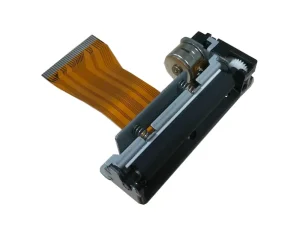
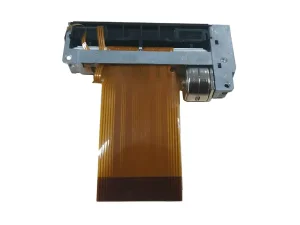
In the kiosk, ATM, medical diagnostic device, and ticketing sectors, terminal designers require reliable mechanism modules. Many legacy systems depend on expensive Japanese modules. OPOS Xiamen resolves this bottleneck by manufacturing high-durability, exact-fit compatible mechanisms:
Committed to providing global brand owners with robust, reliable, and compliant ODM/OEM options.
Custom industrial designs, specialized firmware, custom logos, and packaging options designed to fulfill your exact brand requirements.
Our dedicated internal engineering team develops the mechanical, electrical, and control boards, securing quality and patent protection.
24/7 technical help desks, hardware customization, testing environments, and API documentation support for integrators.
Every printhead mechanism and device undergoes thorough stress testing. We offer a 12-month replacement and repairs warranty.
A structured 6-step collaborative pipeline designed to secure brand integrity and hardware efficiency.

Branding & Technical Consultation

Custom Hardware & Firmware Engineering

Prototyping & Technical Validation

Mass Production & Rigorous QC Auditing

Packaging Realization & Final Checks

Secure Worldwide Freight & Compliance Delivery
Custom print configurations engineered for reliable execution in demanding field environments.





Stay informed with the latest technology breakthroughs and corporate actions from OPOS.
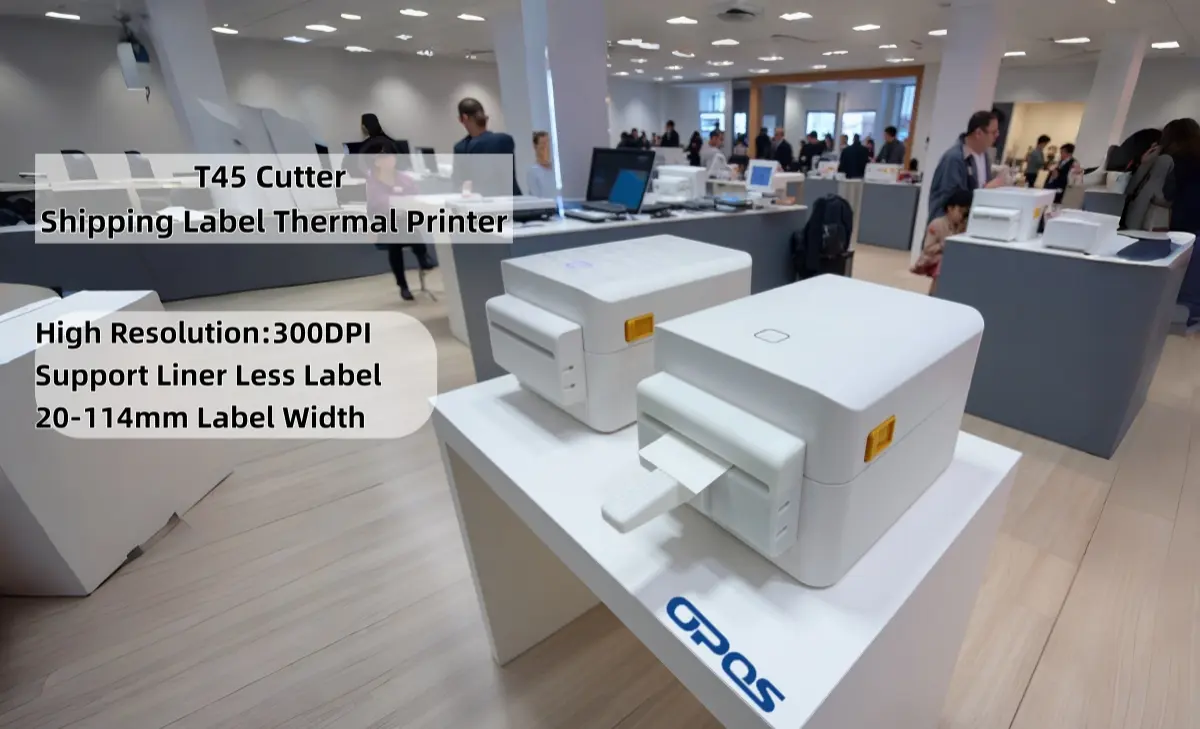
At Xiamen OPOS Printer, we are thrilled to announce the launch of our latest innovation: a high-resolution, ultra-durable thermal mechanism series designed to withstand continuous operating profiles in logistics.
Read Full Article →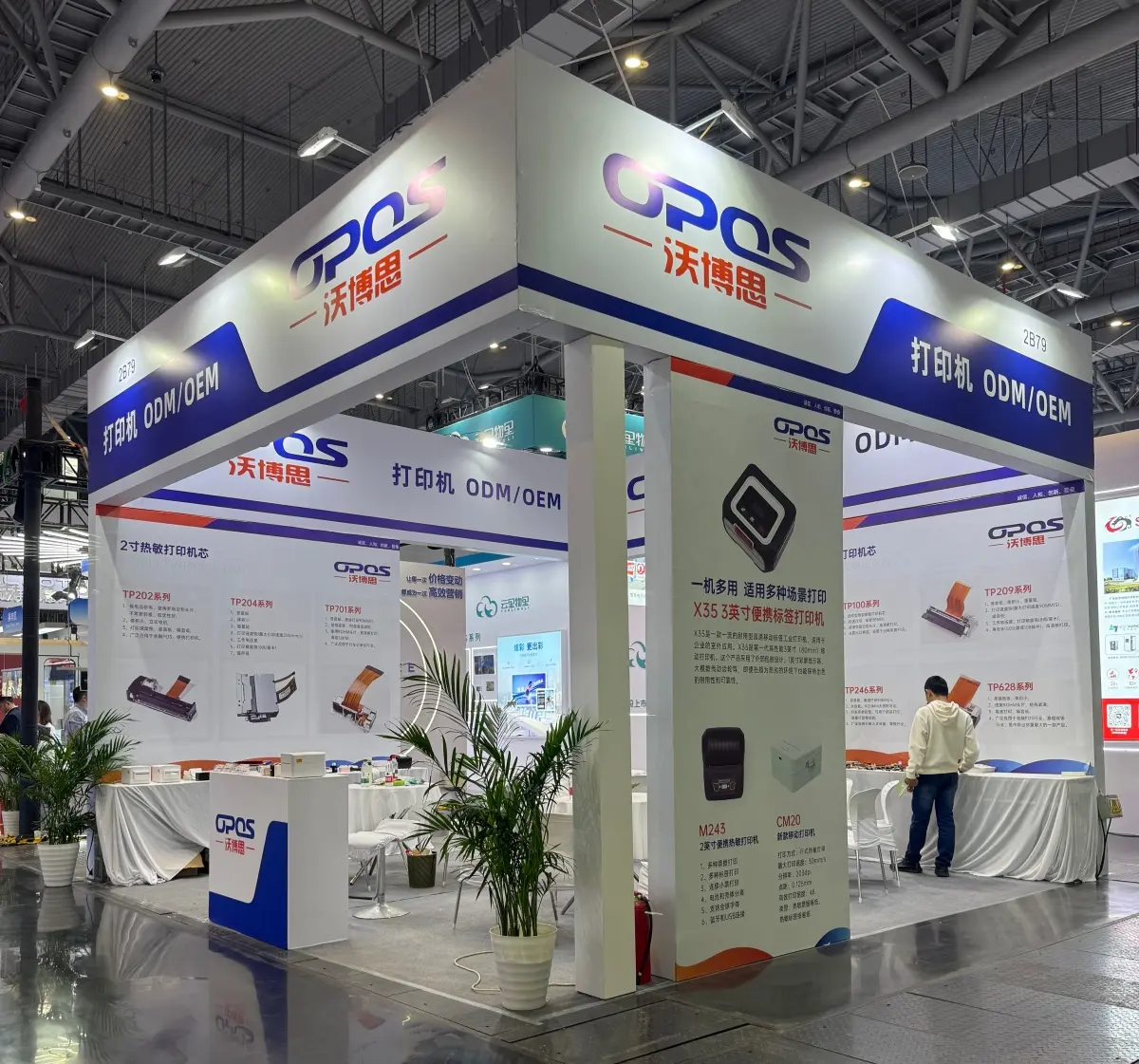
We are excited to share that OPOS Printer recently participated in the Chinashop Exhibition, showcasing our smart retail, linerless label solutions, and POS micro-mechanisms to industry leaders.
Read Full Article →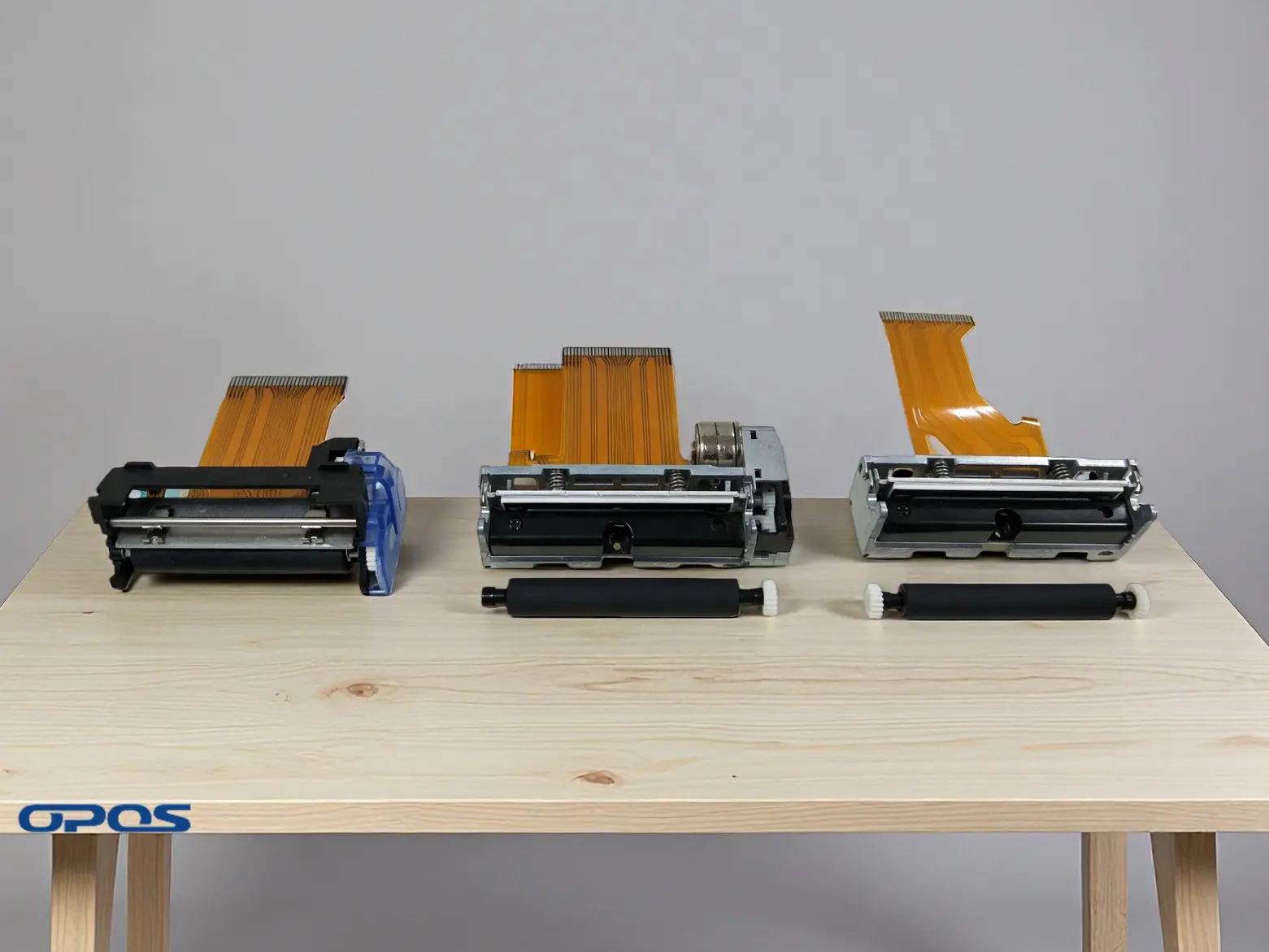
A thermal printhead, also known as a thermal printer mechanism, is the core component of a thermal printer. Learn about its engineering parameters, platen interfaces, and longevity tips in our engineering guide.
Read Full Article →Get answers to common integration questions from our engineering desk.
Yes. OPOS specializes in the engineering design of replacement modules. Our products are mechanically and electrically compatible with popular systems, including Fujitsu (e.g. FTP-628/638 series), Seiko (e.g. LTPD/LTPZ series), and APS (e.g. ELM205/208 series), allowing you to upgrade without redesigning your enclosure or changing your drivers.
Direct thermal printing uses chemically treated, heat-sensitive paper that darkens when it passes under the thermal printhead. It requires no ink or ribbon, making it ideal for temporary applications like shipping labels and retail receipts. Thermal transfer printing utilizes a thermal ribbon to transfer ink onto the label face. This technique produces long-lasting, smudge-resistant labels suited for warehouse inventory, chemical barrels, and outdoor tracking.
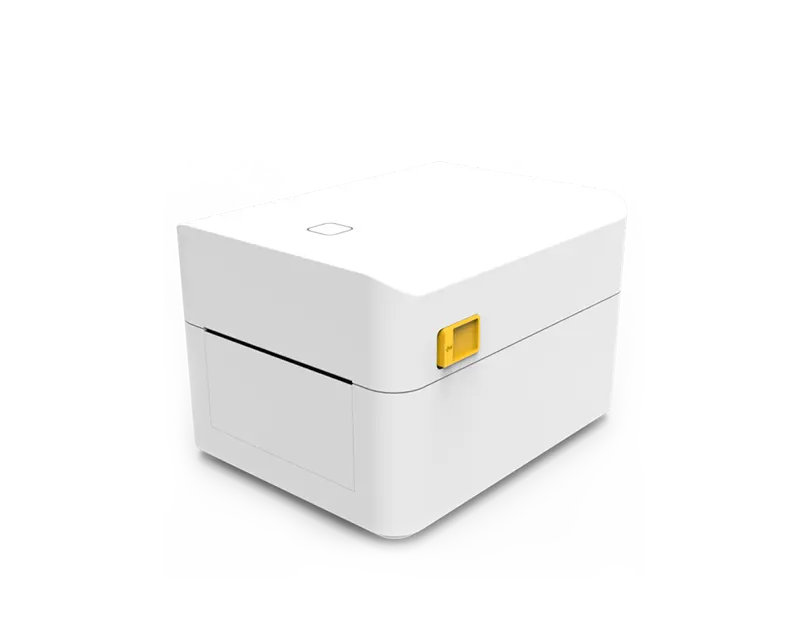
Linerless printers, like our wholesale T45 Liner Less series, use label rolls without a silicone release liner backing. By eliminating the liner, businesses reduce waste, fit up to 40% more paper on each roll (reducing down-time), lower shipping costs, and improve workplace safety by removing slippery liner waste from packaging facility floors.
Our OEM/ODM services cover structural adjustments to match existing kiosk designs, custom motherboard layouts (USB, Serial, Bluetooth, or Wi-Fi configurations), customized firmware to support special font tables or ESC/POS instruction structures, customized plastics, and custom-branded packaging.
As an ISO9001 certified manufacturer, we apply rigorous quality control tests throughout production. Every thermal printhead is tested for dot-line continuity, pressure consistency, and cutting-edge lifetime wear. Our components are manufactured using automated robotic lines, keeping defect rates below industry standards.
For standard models and catalog mechanisms, we maintain rolling inventories with minimal MOQs. For specialized OEM/ODM projects, MOQs vary depending on tooling requirements. Lead times range from 7 to 15 days for standard batches, and 30 to 45 days for complex custom configurations.
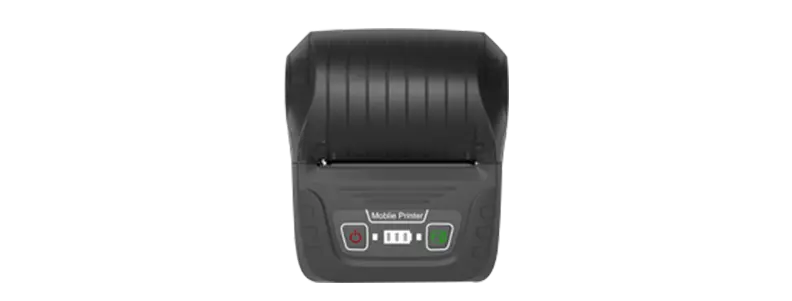
Explore our portable, desktop, and integrated mechanism systems designed for global distribution.