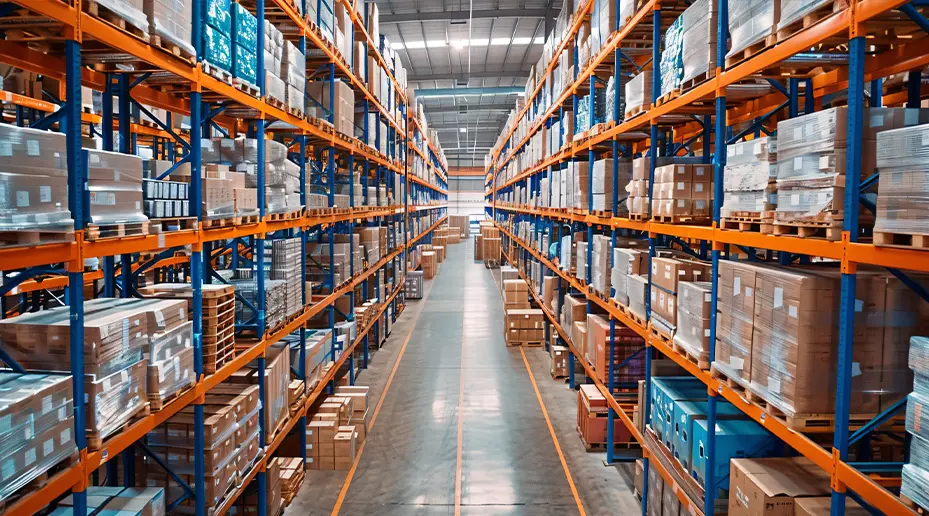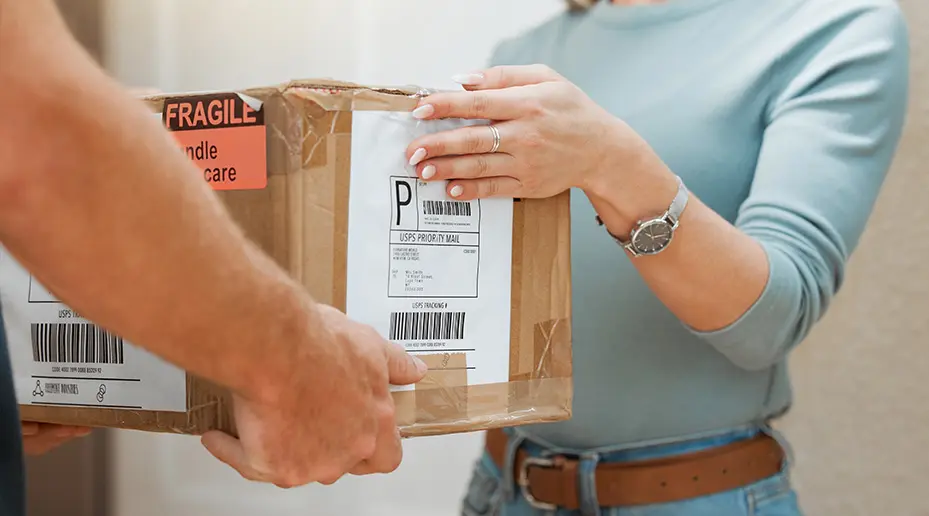
High-performance custom OEM / ODM micro-printing configurations, perfectly engineered for critical industrial and warehouse operations.
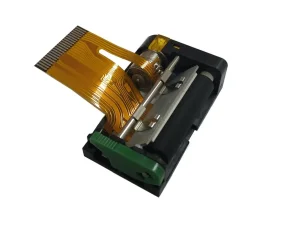
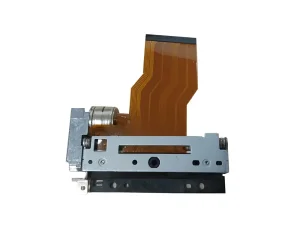
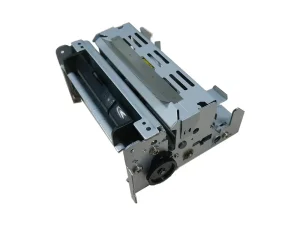
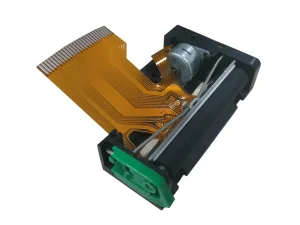
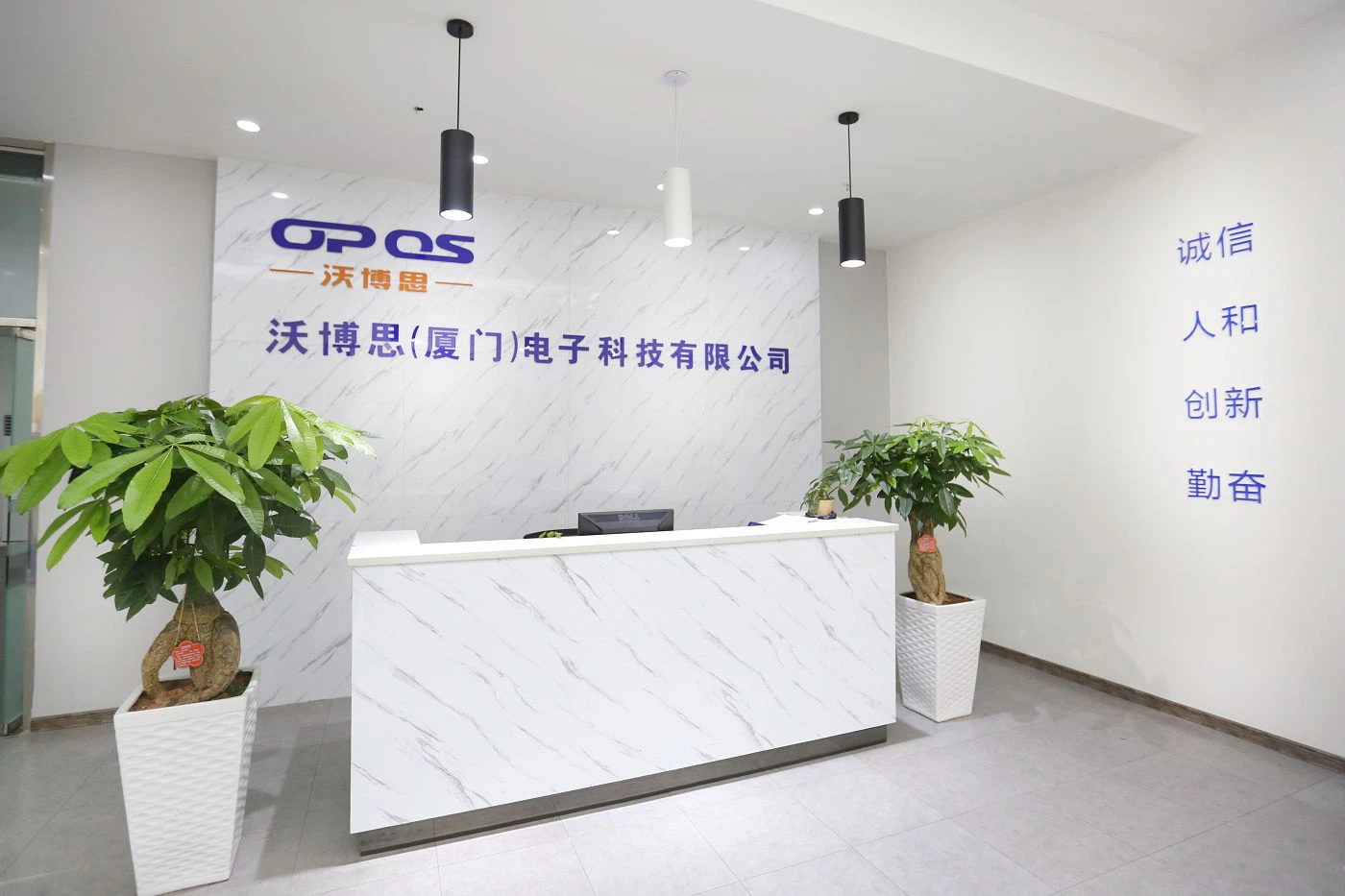
OPOS (Xiamen) Electronic Technology Co., Ltd. was established in 2005 and is located in the scenic industrial hub of Xiamen, Fujian Province, China. As one of the earliest domestic printer mechanism factories, our brand is anchored in dedicated R&D innovation, positioning us at the forefront of domestic dot matrix and direct thermal print mechanism design.
Today, OPOS is recognized as a national high-tech enterprise integrating professional product design, manufacturing, quality assurance, and global distribution. Our diverse product lineup includes heavy-duty Thermal Printers, POS printer mechanisms, mobile label/receipt printer mechanisms, dot matrix solutions, and high-precision cutter modules for logistics and industrial terminals.
Your Success, Our Commitment: Signature Products, Unmatched Quality
Analysis of changing regulatory landscapes, technology requirements, and engineering developments in hardware manufacture.
In modern e-commerce fulfillment, logistics networks, and courier operations, the performance of direct thermal and thermal transfer systems directly dictates operational throughput. A packaging or shipping facility operating without dynamic, high-speed label generation faces crippling latency in its supply chain. Consequently, global enterprise buyers are seeking industrial-grade custom packing shipping thermal printers capable of uninterrupted duty cycles, multi-resolution adaptability (203 DPI to 300 DPI), and native compatibility with popular systems like SAP, Oracle, and global carrier platforms (UPS, FedEx, DHL).
The transition toward digital warehousing infrastructure has driven a major evolution in printing equipment. Direct thermal label printers are no longer simple isolated peripheral units; they are key components in connected IoT environments. The global packing and shipping logistics sector is focused on three critical design requirements: linerless eco-labeling to eliminate silicon backing waste, automated integration with inline sorting conveyors, and predictive maintenance technologies built into print mechanisms. In response, engineering units must incorporate sensor networks that track printhead heating anomalies, abrasion limits, and feed torque variations in real-time, preventing unexpected downtime before it occurs.
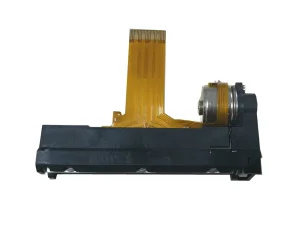
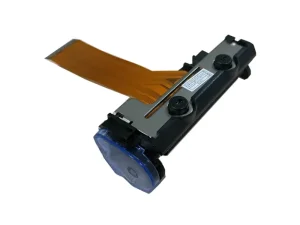
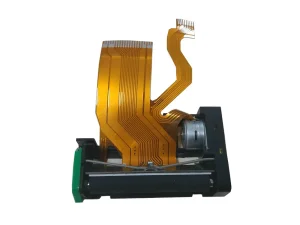
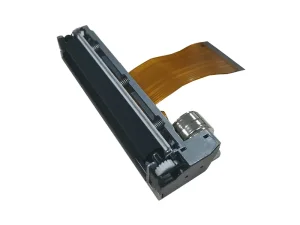
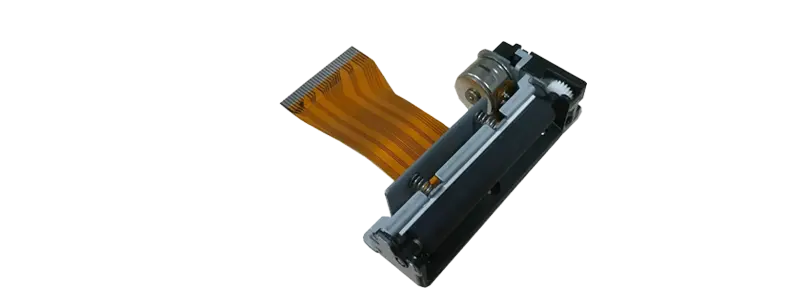
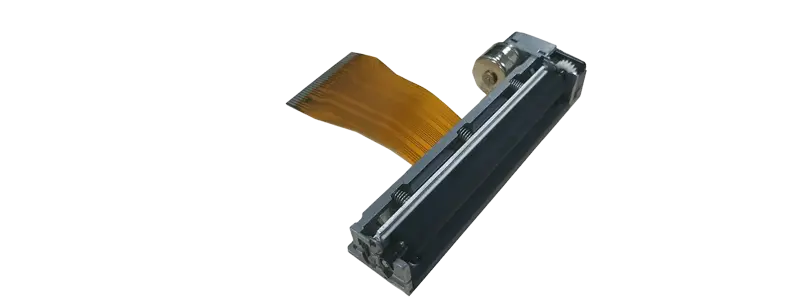
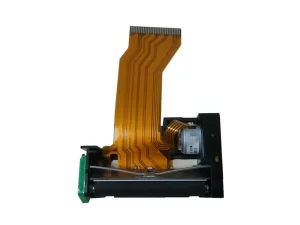
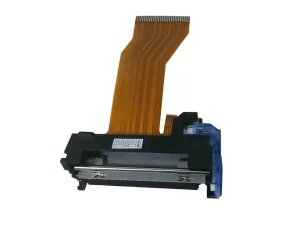
At the center of every desktop label printer or high-speed industrial terminal is the thermal print mechanism. A robust printhead must balance heat management with structural durability. Industrial architectures, such as the TP347-DL and the TP209-V (compatible with Seiko series), utilize advanced ceramic protective glazes and thick-film resistors to withstand continuous abrasions from paper dust and chemical coatings. Furthermore, the development of dual-motor drive systems reduces gear wear, maintaining precise paper alignment even during high-velocity shipping label runs (exceeding 150mm/s to 250mm/s). These key mechanical metrics prevent common issues like label slipping, barcode distortion, and premature printhead failure.
Why Industrial Product Managers & Global Procurement Officers Partner with OPOS
As a specialized manufacturer, we offer both OEM and ODM solutions for thermal printers and mechanisms, providing customized designs to meet your specific application requirements.
We independently design, research, and develop our thermal printers and printing mechanisms in-house. We manage production, direct sales, and ongoing client service.
Our technical support team is dedicated to quickly resolving any integration or operational issues you may encounter during setup and mass rollout.
We back our equipment with a 12-month quality warranty and reliable after-sales support, including troubleshooting resources, replacement parts, and direct engineer access.
From initial concept and branding adjustments to final quality checks and rapid global distribution.
A deep dive into system integration requirements, interfaces, and long-term quality standards.
B2B procurement teams must assess several key factors when sourcing print equipment. Beyond initial unit costs, the total cost of ownership (TCO) is heavily impacted by the frequency of printhead replacements, the reliability of integrated paper-cutting assemblies, and energy efficiency. Selecting high-grade thermal mechanisms that fit directly into existing hardware envelopes saves engineering time and reduces structural redesign costs.
To operate seamlessly within warehouse ecosystems, shipping label printers must connect easily with local controllers. OPOS printers utilize standard communication interfaces, including USB, RS-232 serial, Bluetooth (LE), and Ethernet/Wi-Fi options. From a driver perspective, we support primary command languages such as TSPL, ESC/POS, and ZPL, ensuring smooth drop-in replacements for older systems. Our SDK libraries for Android, iOS, Windows, and Linux allow developers to easily deploy printing routines within mobile warehouse management systems (WMS).
Modern international supply chains demand compliance with strict environmental standards. Every thermal printing assembly we manufacture meets RoHS and REACH requirements, ensuring they are free from restricted hazardous materials. In addition, our manufacturing facilities adhere to ISO 9001:2015 quality standards. This rigorous oversight ensures consistent mechanical dimensions, reliable power management, and uniform heat distribution across all production batches.
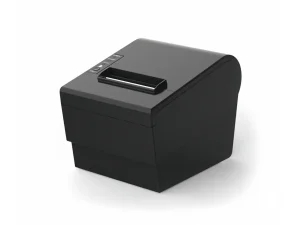
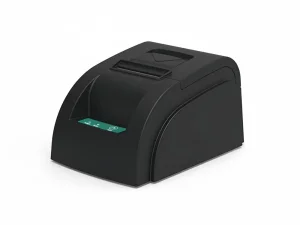
Explore our specialized desktop printers, portable express printers, and high-performance POS solutions.
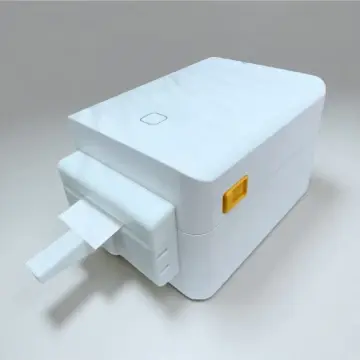
Designed for operations looking to eliminate backing paper waste while maintaining high printing speeds.
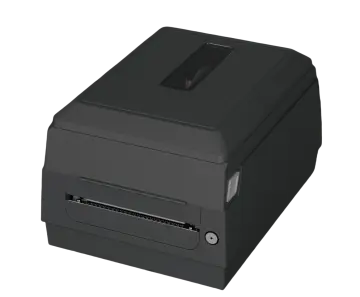
High-resolution printheads designed for retail labeling and industrial barcode systems.
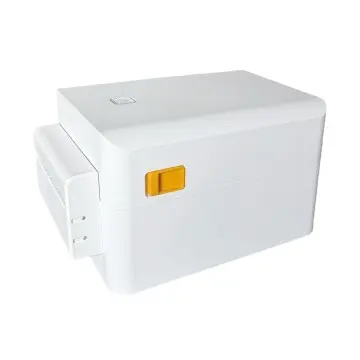
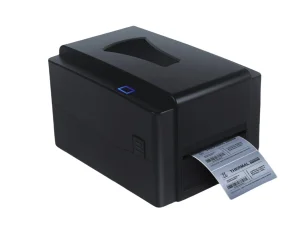
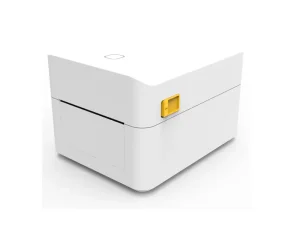
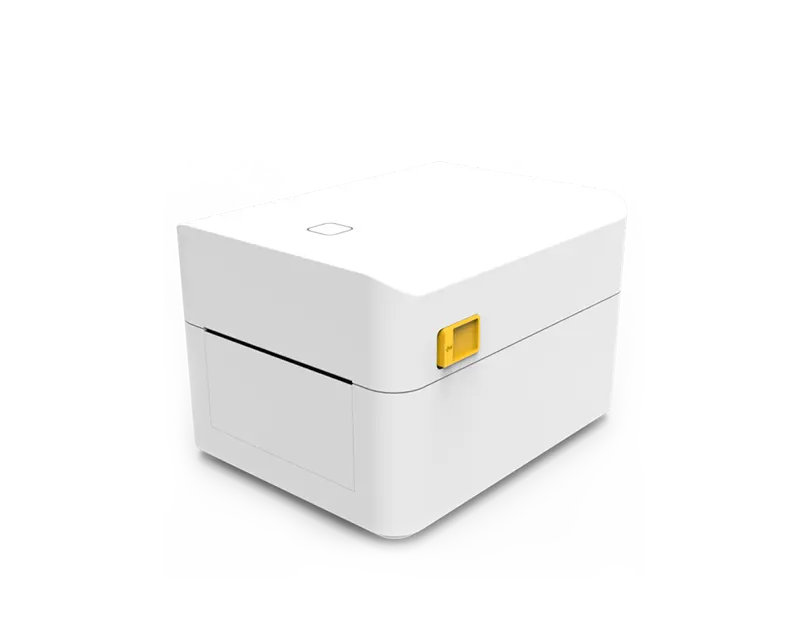
A durable desktop label printer featuring an integrated clean-tear mechanism for swift operations.
Stay Informed: Discover the Latest Product Updates and Insights from Our Engineering Team.
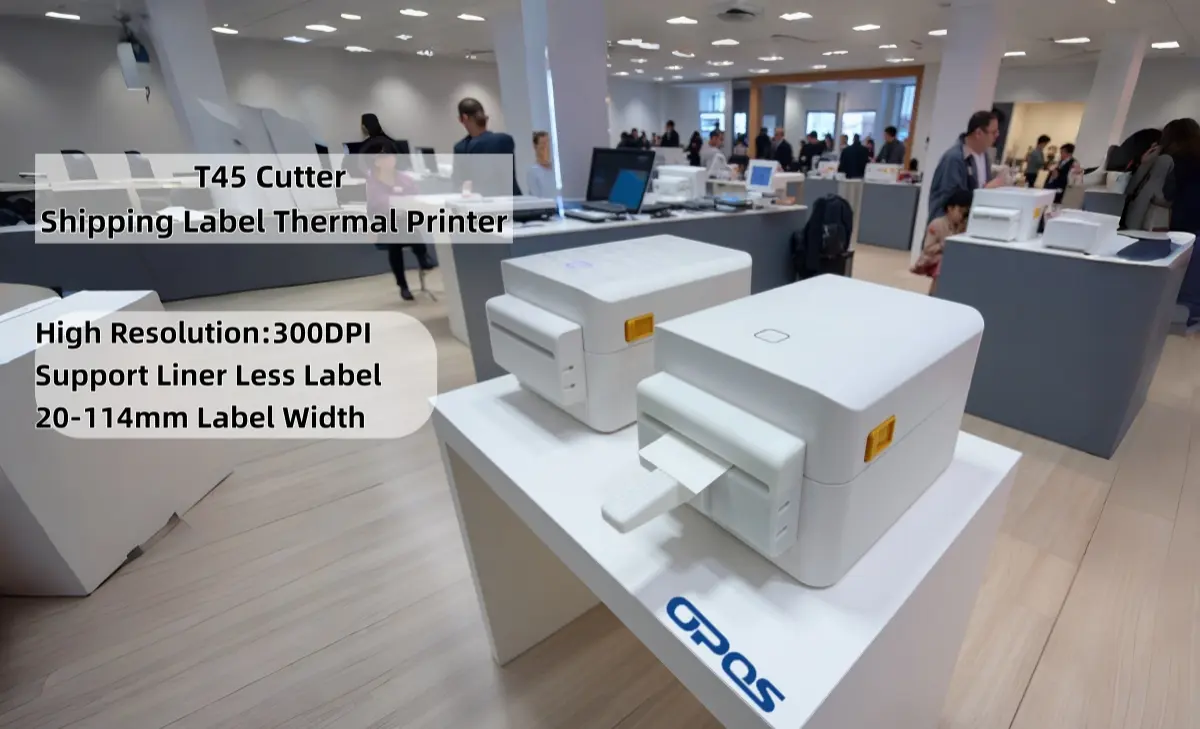
Xiamen OPOS Printer has launched its latest printhead line, featuring enhanced thermal stability for high-resolution labeling demands.
Read Full Post →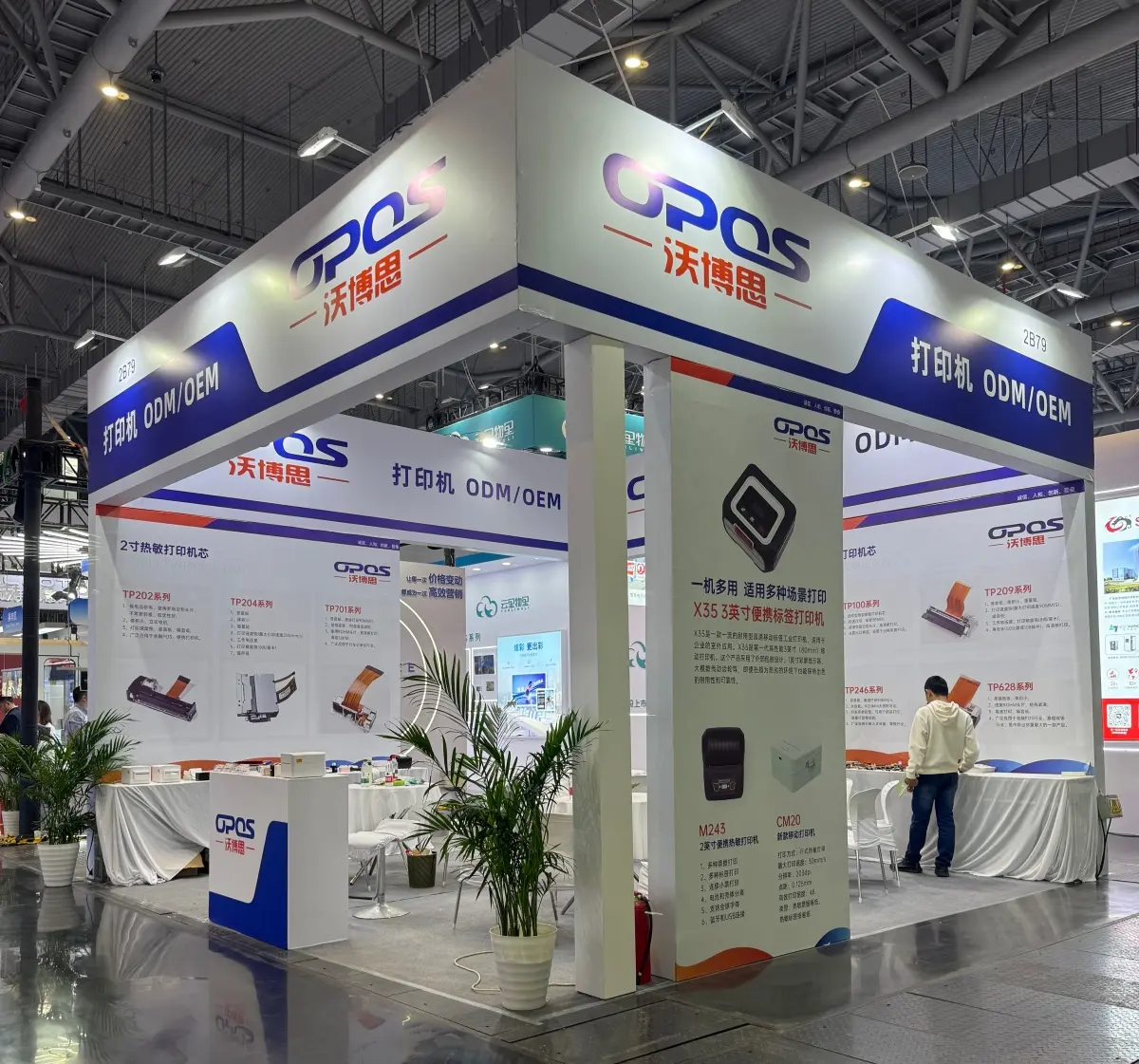
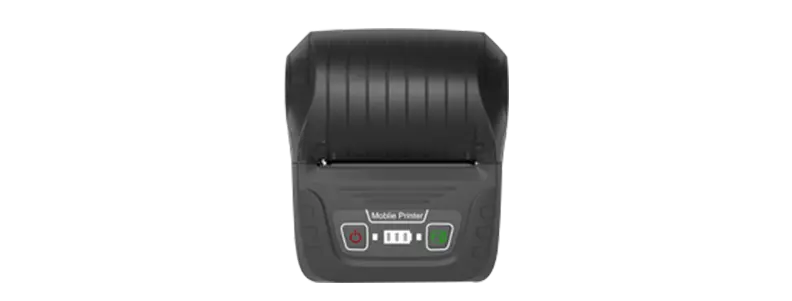
We showcased our latest smart-cutting mechanisms and mobile POS printing designs at this year's Chinashop exhibition.
Read Full Post →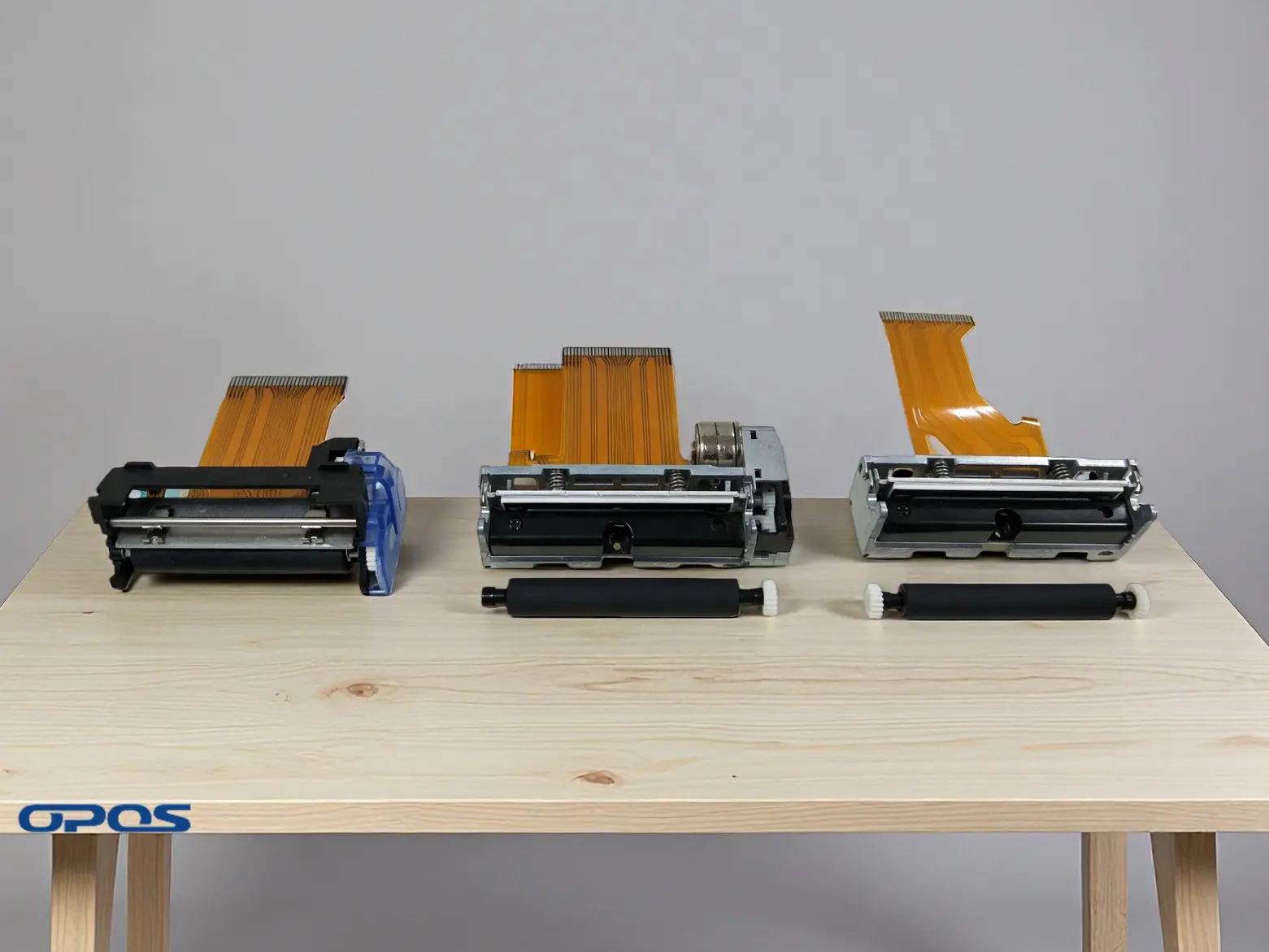
An educational breakdown explaining the core roles of thermal printheads, platen rollers, and drive motors in direct thermal printing.
Read Full Post →Technical details and integration answers curated by our engineering division for B2B buyers.
Our industrial-grade thermal mechanisms, including the Seiko-compatible and APS-compatible lines, are designed to print between 50km and 150km of media. Lifespan depends on media type, printhead voltage, and environmental conditions. Our designs use advanced wear-resistant coatings to maintain quality over long operational cycles.
Yes. We supply direct thermal printers (which do not require ribbons and are ideal for quick logistics labels) as well as thermal transfer units (such as our 4-inch desktop models, which use ribbons to produce highly durable, chemical-resistant labels).
Yes. As a manufacturer, we provide tailored physical frames, varying platen roller positions, custom gear designs, and specialized electronics interfaces to match your existing equipment housings.
OPOS printers support ZPL, TSPL, and ESC/POS control standards. We provide driver support for Windows, macOS, Linux, and custom SDKs for Android and iOS systems.
Yes. Our T45 Cutter Linerless printer is designed to handle backing-free media. This reduces waste, decreases media roll change frequency, and improves safety in packaging stations.
We offer a standard 12-month quality warranty on our hardware, starting from the delivery date. We also supply spare parts, diagnostic tools, and technical support to assist your engineering team.
Our production lines follow ISO 9001 quality guidelines. Every batch undergoes testing for optical alignment, print speed consistency, current consumption, and resistance to environmental stress before shipment.
Standard mechanism orders are shipped within 2 to 4 weeks. Custom OEM projects, which require customized structural parts or board adjustments, generally take 6 to 10 weeks depending on design complexity.
Explore our diverse direct thermal and thermal transfer systems designed for global distribution networks.