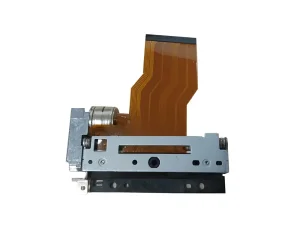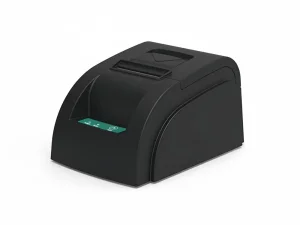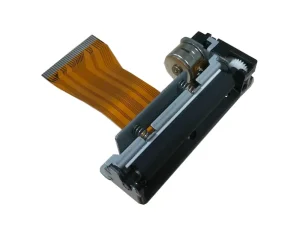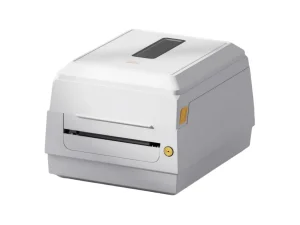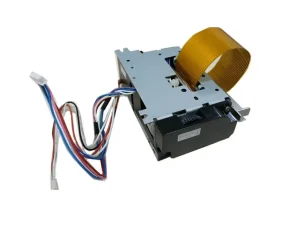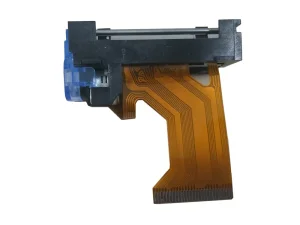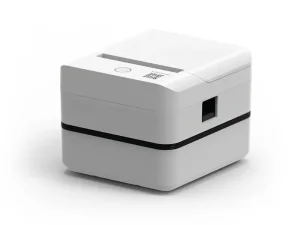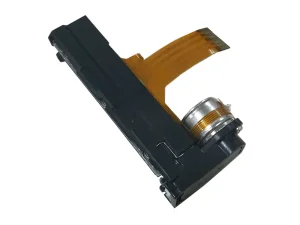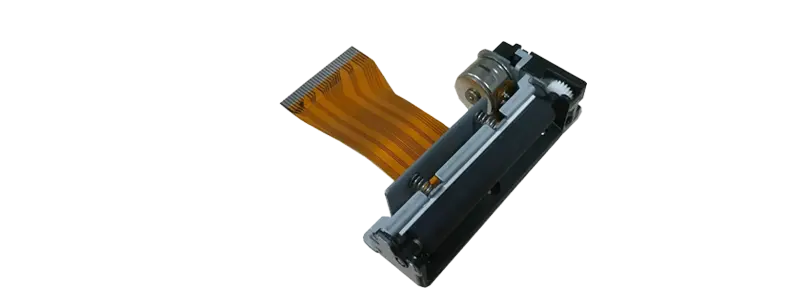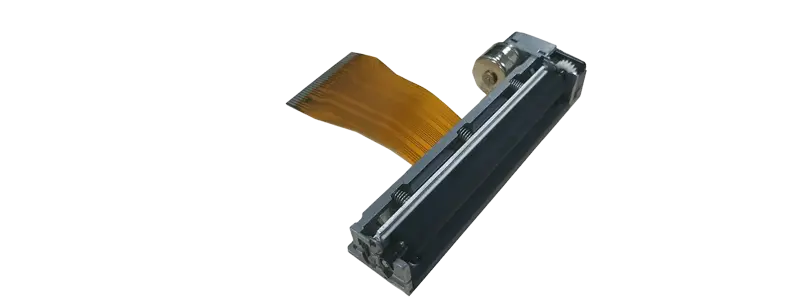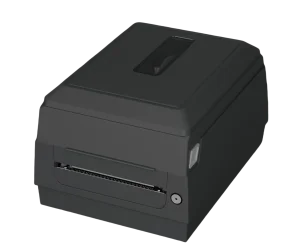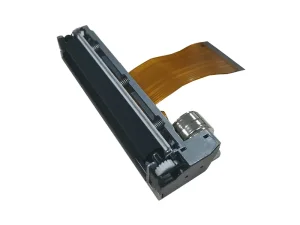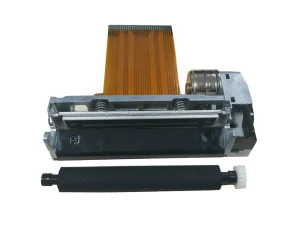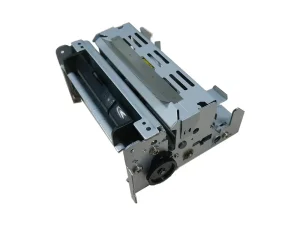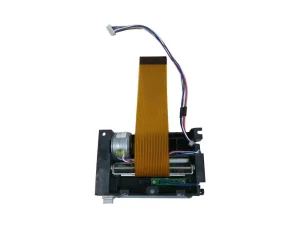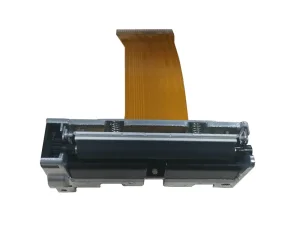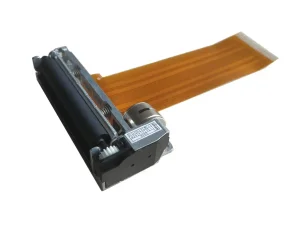
Explore our top-performing components designed for direct drop-in integration, high durability, and micro-precision output.
The global industrial footprint of thermal printing mechanisms has experienced massive shifts over the last decade. Driven by the rapid growth of automation, contactless transaction systems, and IoT integrations, the demand for highly reliable, custom-designed thermal printer heads has skyrocketed. At the center of this technological revolution is the demand for precision, specifically high-compatibility components that align seamlessly with global standards established by industry leaders such as Epson, Seiko, and Fujitsu.
Historically, thermal mechanisms were confined to basic desktop point-of-sale (POS) systems. Today, they form the core interface of diverse infrastructure installations: smart parking ticketing kiosks in Munich, self-checkout kiosks in Tokyo, automated banking terminals in New York, and portable logistics scanners navigating extreme environments in cold-chain transport networks. As systems scale, system engineers are prioritizing durability (measured in hundreds of kilometers of printed paper) and cutting life (extending to millions of clean cuts) over basic cost metrics. This shift highlights the critical nature of finding a trustworthy, highly capable manufacturing partner who can supply robust mechanisms that match or exceed original equipment manufacturer (OEM) standards.
In 2026, the rise of unattended retail kiosks, smart ticketing hubs, and medical instrumentation has created a strict set of electrical and mechanical prerequisites. Mechanisms must consume less standby power, operate at wider voltage ranges, and deliver faster printing speeds without suffering from heat accumulation. This requires advanced structural design and thermal management systems built directly into the housing of the printer mechanism.
Understanding compatibility is essential when integrating custom thermal mechanisms. Designers and developers often look for drop-in replacements for high-performance modules like the Epson M-T532 series or various Seiko LTPD and LTPZ units. However, achieving true hardware compatibility involves more than matching bolt holes and physical dimensions. It requires aligning electrical, firmware, and mechanical constraints.
Thermal printheads (TPH) consist of a line of tiny resistors that generate heat when current passes through them. If the resistor values deviate slightly from the host controller's profile, it can cause poor print quality, overheating, or even short circuits. At OPOS, we maintain strict manufacturing tolerances to ensure that our compatible mechanisms match the resistance profiles of Seiko and Fujitsu counterparts. This allows for drop-in replacement without requiring modification of the master control firmware's power curves or print head energy tables.
A mechanism is only as good as its driver logic. Standard protocols like ESC/POS (Epson Standard Code for Point of Sale) dictate how text styling, formatting, barcodes, and graphical assets are parsed. Our specialized interface boards feature controllers pre-programmed with advanced ESC/POS command line translators, allowing complete functional compatibility. Whether you are sending raw hexadecimal data from a legacy Linux application or running a modern Android-based POS terminal, our thermal mechanisms receive, process, and execute the instructions identically to their original counterparts.
Customizing a thermal printer mechanism is rarely a one-size-fits-all process. Local climates, regulatory environments, and user interaction habits change significantly by region, requiring localized design adjustments.
In public transit stations and outdoor ticketing kiosks throughout Northern Europe and North America, mechanisms must withstand freezing temperatures and high humidity. Our engineering team designs heated thermal head pathways and anti-condensation enclosures that prevent printhead corrosion. Additionally, these mechanisms feature specialized paper-out and paper-low optical sensors to reduce maintenance visits, maximizing uptime in rural or understaffed transit hubs.
With the rise of local delivery apps and micro-logistics in countries like Brazil, Indonesia, and India, delivery agents need portable Bluetooth devices that operate all day on a single battery charge. For these scenarios, we design low-voltage (5V-9V) mechanisms that run on optimized energy algorithms. By dynamically adjusting the pulse width according to battery levels and ambient temperatures, our mechanisms reduce power consumption by up to 30% compared to standard generic models, significantly extending device battery life.
Modern clinical hardware, such as electrocardiographs (ECG), fetal monitors, and laboratory diagnostics systems, requires silent operation and high precision. Using optimized mechanical gears and vibration-absorbing brackets, we deliver specialized printing mechanisms that operate below 45 dB. This ensures a quiet hospital room environment while outputting precise graphs and patient charts.
As we look toward 2030, the thermal printing mechanism sector is focusing on sustainability, smart diagnostics, and miniaturization.
Traditional labels rely on siliconized backing paper, which generates significant waste. The industry is rapidly moving toward linerless thermal label printing. Linerless paper features a release coating on the front and adhesive on the back, allowing it to wind onto a roll without backing. However, this adhesive can build up on cutters and rollers. Our engineering roadmap addresses this with specialized non-stick coatings on the cutter blades and platen rollers, enabling clean, continuous linerless cuts for thousands of cycles.
Unscheduled downtime is costly for self-service operators. The next generation of OPOS mechanisms features integrated IoT diagnostics. By embedding tiny thermal sensors and resistance monitors directly into the printhead substrate, the mechanism can flag potential failures before they happen. This telemetry is transmitted back to central maintenance dashboards, indicating exactly when a unit requires cleaning or replacement.
As hand-held payment terminals become sleeker, thermal mechanisms must shrink without sacrificing print speed or durability. Our ongoing development focuses on reducing the frame size of our 2-inch mechanisms, optimizing the gear layout to fit into ultra-slim housings while maintaining compatibility with standard 58mm paper rolls.

Established in 2005 in Xiamen, Fujian Province, China, OPOS is one of the nation's earliest dedicated thermal printer mechanism manufacturers. Starting as a research pioneer in dot matrix printer components, we have grown into a high-tech developer of thermal mechanisms, portable Bluetooth printers, desktop label solutions, and precision cutter systems.
Our 5,000-square-meter facility houses state-of-the-art testing equipment, automated assembly lines, and a dedicated team of R&D engineers holding over 70 national patents. From industrial kiosk integration to compact retail solutions, we support businesses in over 20 countries with reliable OEM/ODM printer mechanisms.
Read More About Our Journey
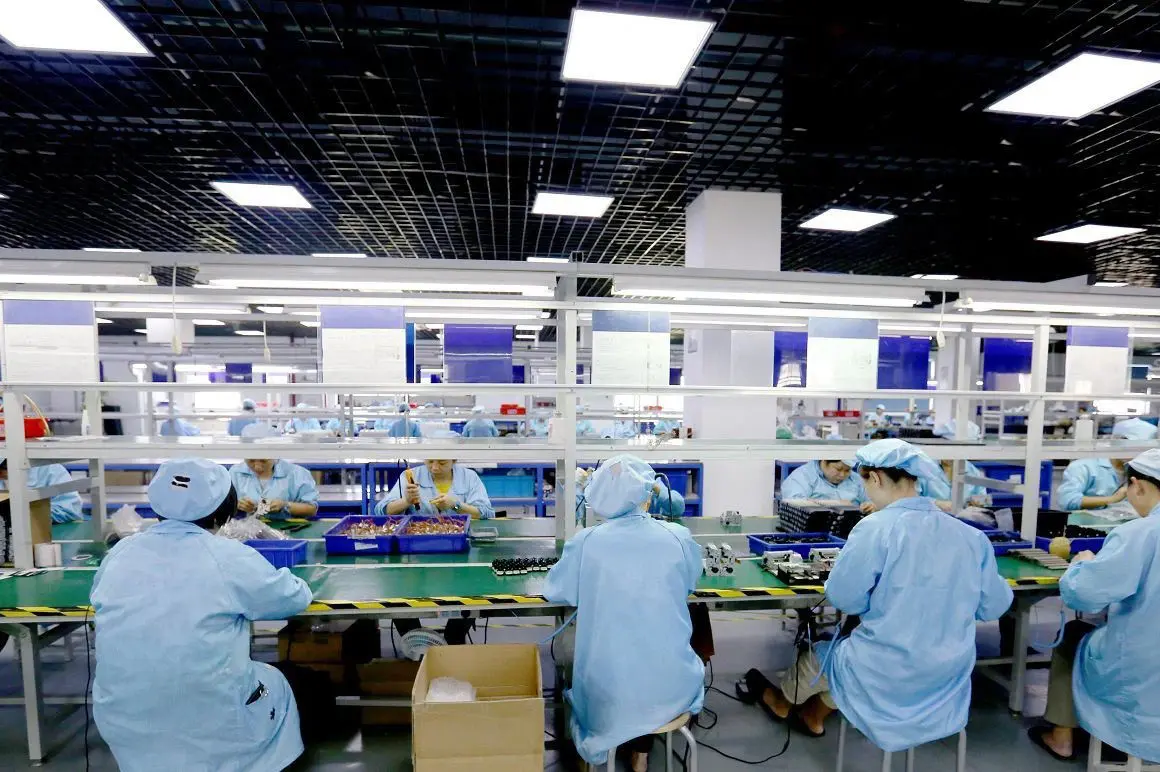

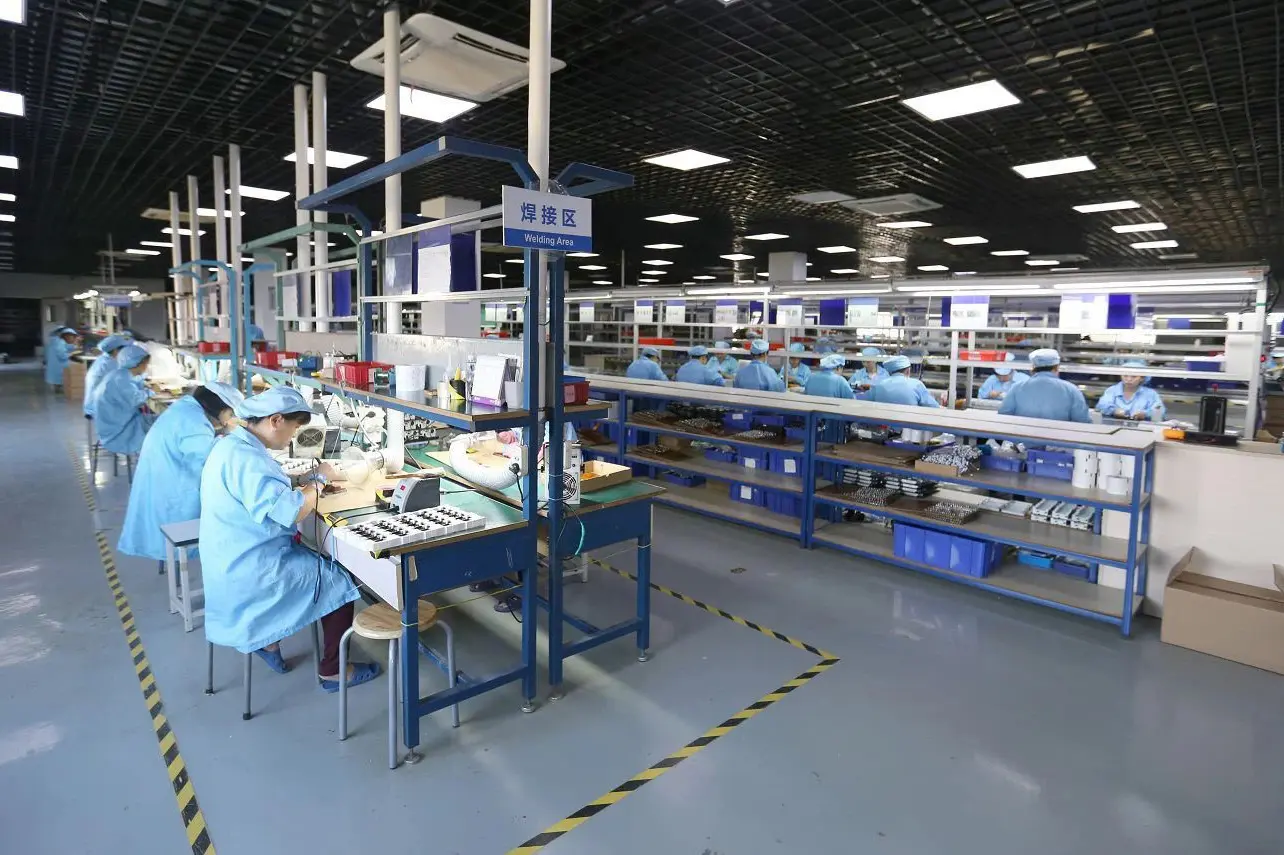
Why leading international system integrators choose OPOS for custom thermal printer mechanism design and supply.

We provide full design customization, mechanical housing integration, and control board programming tailored to your specifications.

From gear design to software protocol layers, our engineers develop our entire range, keeping us agile and cost-competitive.

Get direct access to our firmware developers and mechanical engineers for quick integration and troubleshooting.

All mechanisms are backed by a comprehensive warranty, covering spare parts, structural troubleshooting, and technical assistance.
Our step-by-step methodology ensures seamless product deployment from conceptualization to mass production.

Evaluating your integration requirements and compatibility needs.

Developing custom CAD layouts and choosing matching components.

Prototyping physical units for integration testing.

Manufacturing on automated assembly lines under strict quality control.

Testing printhead resistance, cutter pressure, and packaging.

Delivering safely through secure global logistics networks.
Discover our applications for a seamless and innovative journey.





Get answers to technical and operational queries about custom thermal printer mechanisms.
Stay Informed: Discover the Latest Updates and Insights from Our Team.
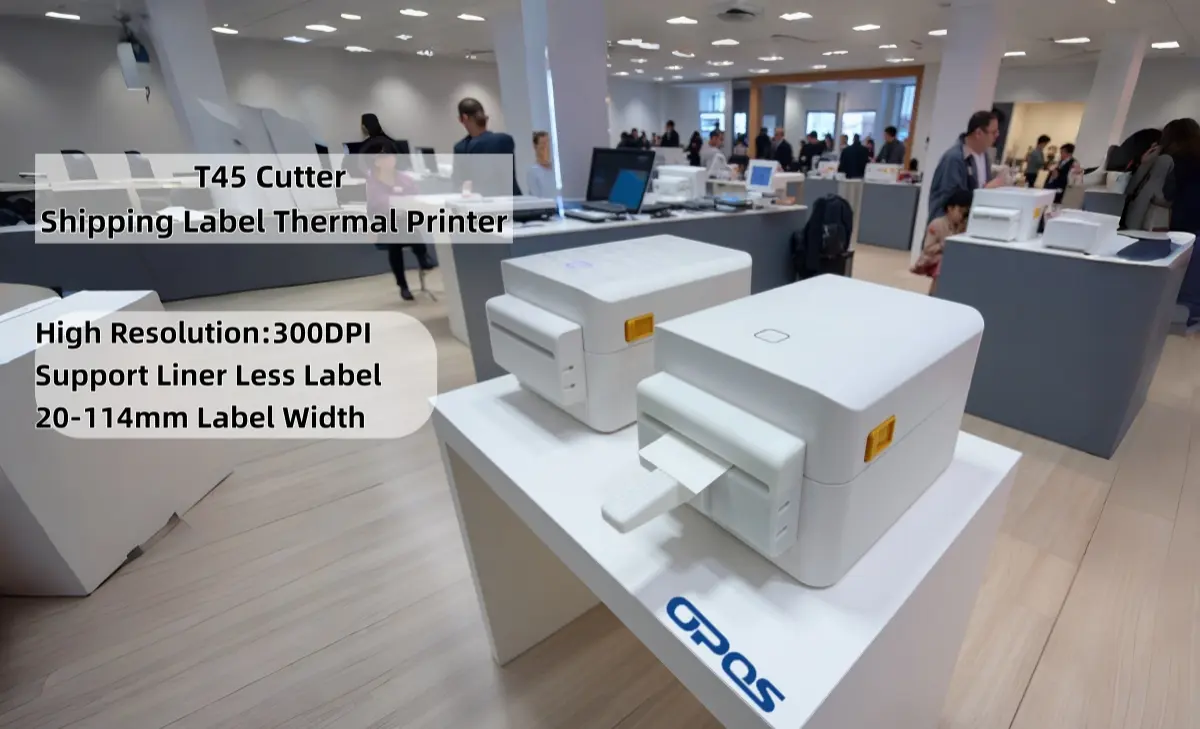
At Xiamen OPOS Printer, we are thrilled to announce our latest innovation: a high-resolution, ultra-durable thermal mechanism designed for advanced medical imaging...
read more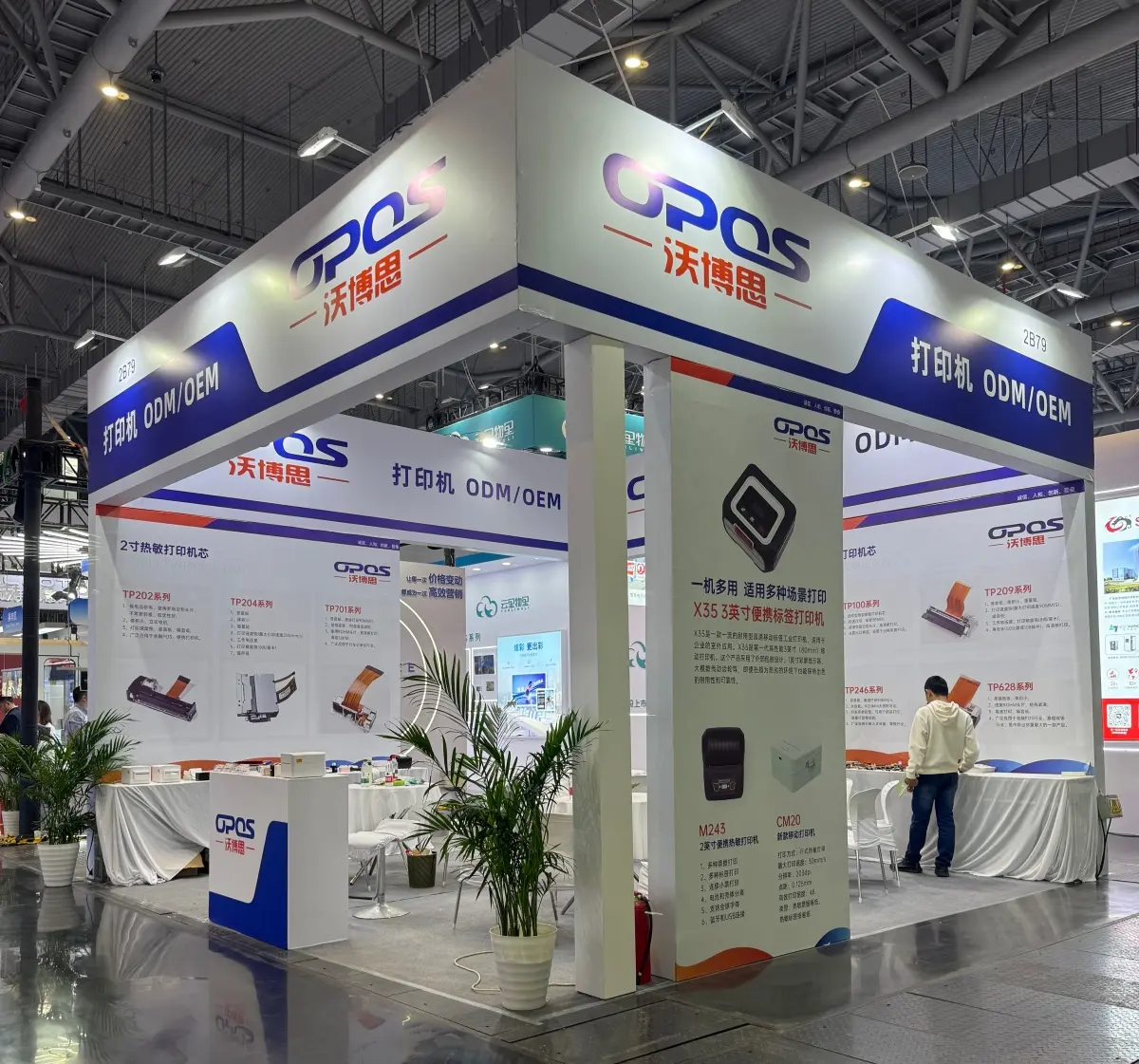
We are excited to share that OPOS Printer recently participated in the Chinashop Exhibition, showcasing our smart POS print modules to leading retailers...
read more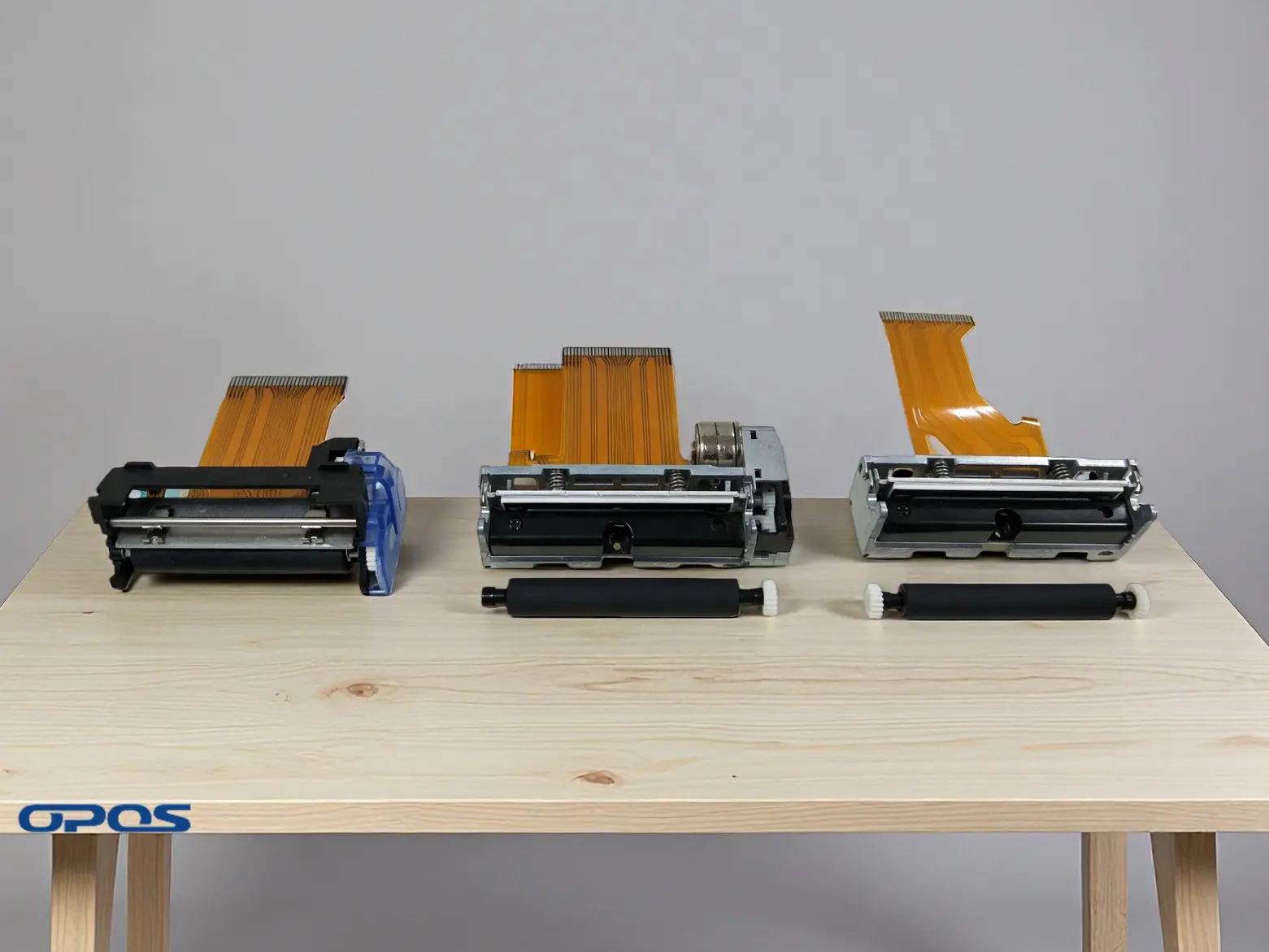
A thermal printhead, also known as a thermal printer mechanism, is the core component of a thermal printer. In this guide, we break down its components...
read moreExplore our range of desktop and mobile printing solutions designed for reliability and ease of integration.
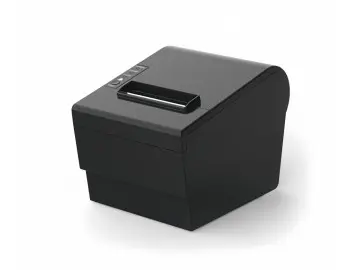
3 inches, 80mm Desktop POS receipt thermal printer...
Read More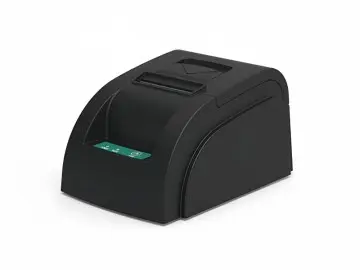
2 inches, 58mm desktop receipt thermal printer...
Read More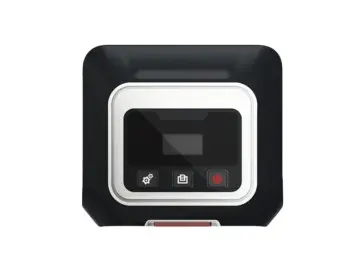
3 inch, 80mm Portable Thermal Printer...
Read More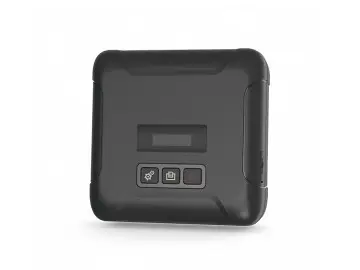
Portable Pocket Bluetooth Thermal Printer, 3 inches...
Read More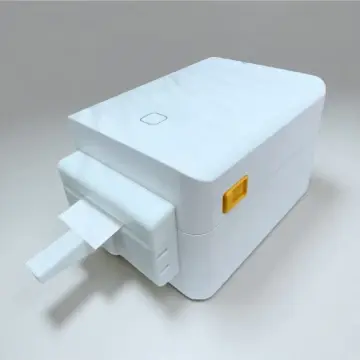
Designed for businesses seeking sustainable shipping solutions...
Read More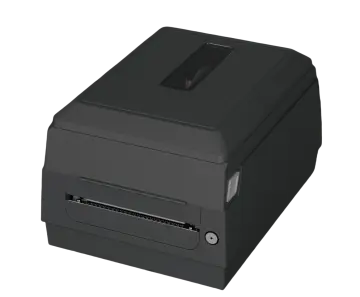
4’’x6’’ Desktop Thermal Transfer Label Printer...
Read More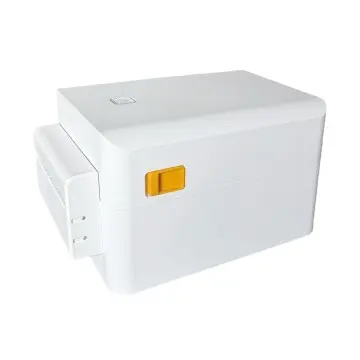
4x6” Shipping Sticker Label Thermal Printer with tearing knife...
Read More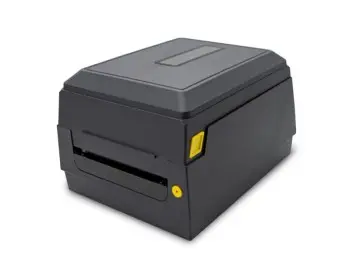
4’’x6’’ Desktop Thermal Transfer Label – Ideal printing...
Read MoreOur specialized, high-durability print mechanisms compatible with Seiko, Fujitsu, and other leading standards.