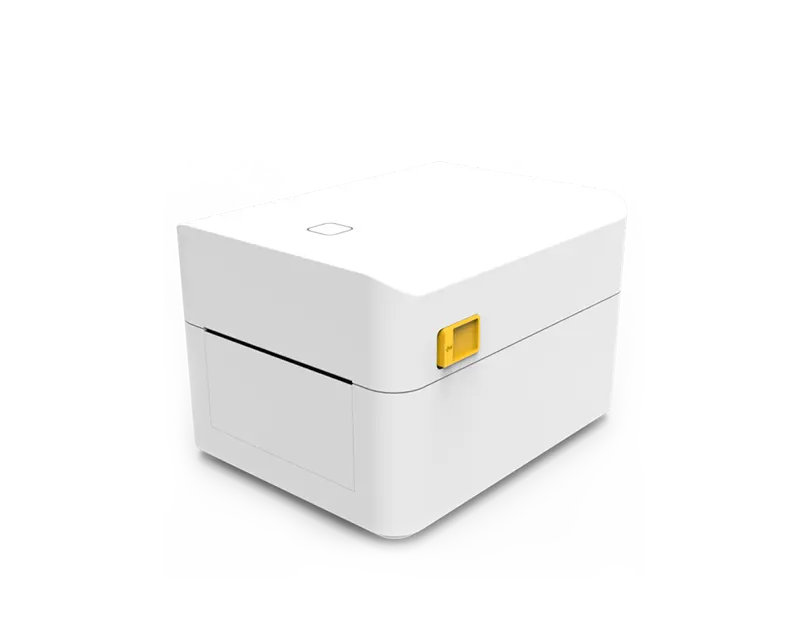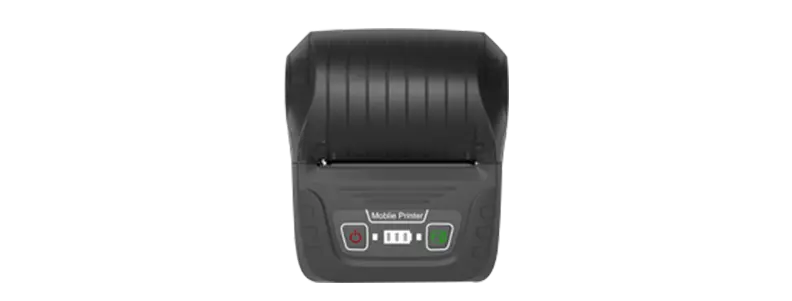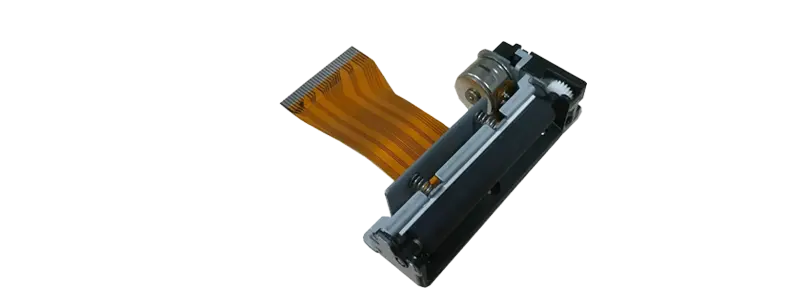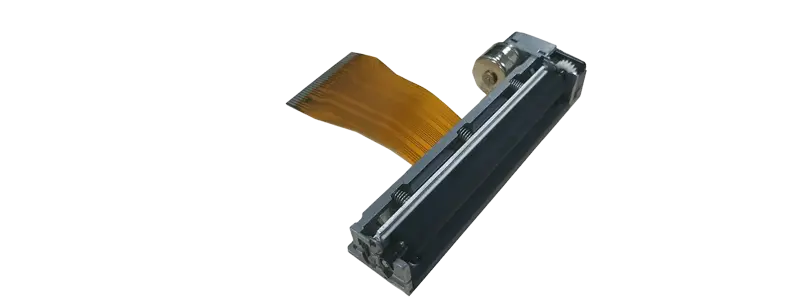
Premium desktop direct thermal and thermal transfer systems engineered for mission-critical industrial applications.
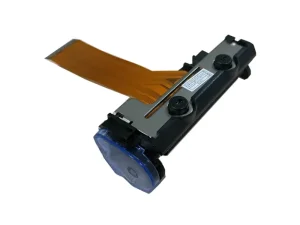
Ultra-compact 2-inch mechanism tailored for ticket machines and payment terminals, providing seamless drop-in compatibility.
View Details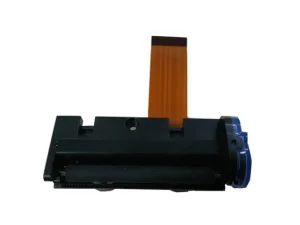
High-speed direct thermal mechanism optimized for fast point-of-sale checkout integration and retail terminals.
View Details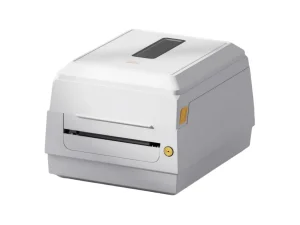
Dual-printing mode engineering supporting both thermal transfer and direct thermal labels for extreme environment resilience.
View Details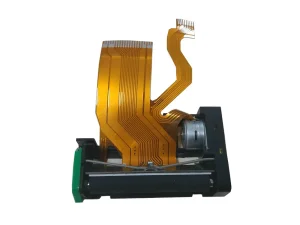
Compact print engine offering precise speed control and ultra-quiet operation for medical and scientific recording devices.
View Details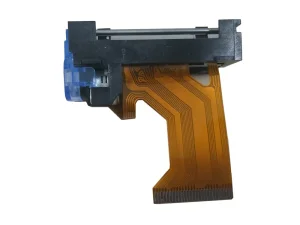
Robust mechanism featuring an integrated heavy-duty cutter, engineered for ticketing and self-service kiosk terminals.
View Details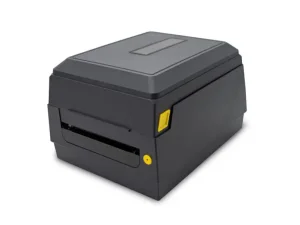
High-performance shipping label printer supporting high capacity ribbon supply, reducing changeover cycles.
View Details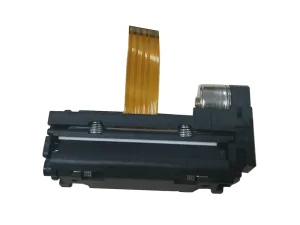
High reliability print mechanism engineered to drop into legacy configurations utilizing Seiko components.
View Details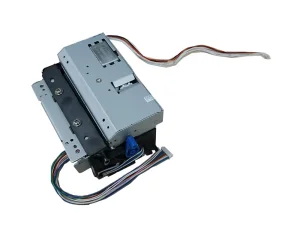
Heavy-duty 3-inch mechanism built for kiosk environments, featuring reliable paper jam avoidance systems.
View DetailsThe global industrial printing environment is transitioning through a paradigm shift, influenced heavily by automation, integration, and the requirement for absolute physical traceability in the supply chain. Today’s custom desktop thermal label printers are no longer viewed as isolated accessories, but rather as key hardware interfaces in sophisticated IoT logistics ecosystems. The requirement for precision at the node level has driven demand for highly durable thermal mechanisms capable of operating in variable environments—from temperature-controlled food distribution warehouses to highly sterilised hospital clinical settings.
Modern enterprises must evaluate which technology aligns with their long-term supply chain objectives. Direct Thermal (DT) printing systems rely on chemically treated, heat-sensitive substrates that darken upon contact with the microscopic heating elements of the printhead. While ideal for short-duration applications like transport labels, e-commerce packaging, and fresh product tags, DT prints are vulnerable to UV radiation, abrasion, and thermal degradation.
Conversely, Thermal Transfer (TT) technology employs a wax, wax-resin, or resin-based ribbon. The heating elements transfer molten ink onto paper or synthetic substrates (such as polyester, polypropylene, and polyimide). This creates highly durable barcodes capable of surviving chemical washing, cryogenic storage, and harsh outdoor elements. As a leading manufacturer, OPOS offers modular printer designs supporting both formats, ensuring that procurement teams can scale their fleet deployment relative to application requirements.
Technological advancement is currently focused on three core segments:
Our production capabilities span fully integrated printing units to OEM print mechanisms.
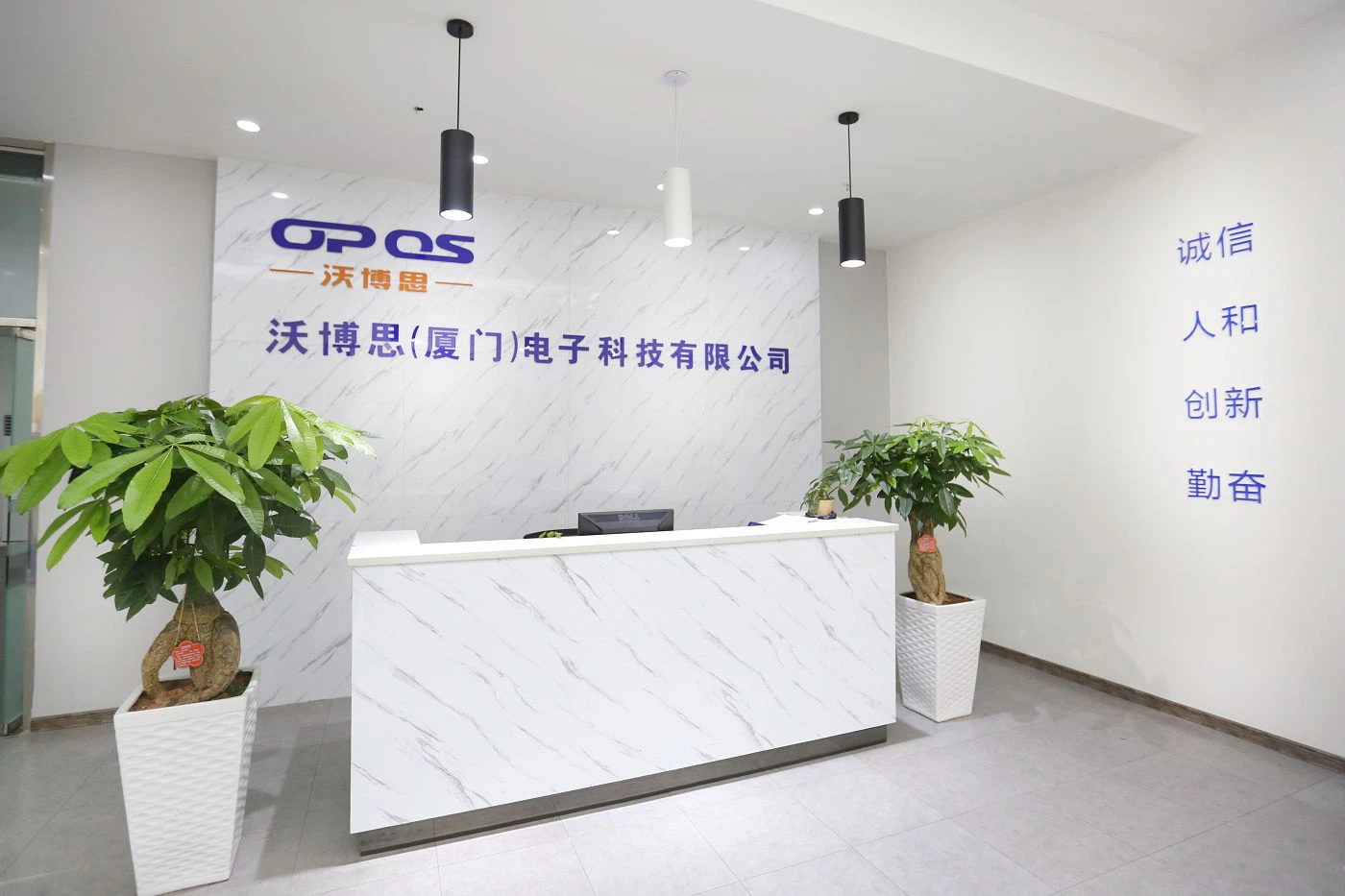
Established in 2005 in Xiamen, China, OPOS Electronic Technology Co., Ltd. has developed into a high-technology industrial manufacturer. We began as a specialist research group focused on early dot-matrix structures, and have since expanded into an integrated developer of thermal print solutions, heavy-duty cutter modules, and POS peripheral subsystems.
Through persistent investments in R&D, our Xiamen production plant delivers reliable designs, offering hardware customisations that comply with global industrial certifications. We support system integrators and distributors globally with dependable printer systems.
Global procurement directors face complex hardware choices when outfitting large fulfillment facilities or distributing products to retail locations. Sourcing managers must look beyond unit purchase costs and calculate the Total Cost of Ownership (TCO). The primary variables affecting structural TCO include printhead longevity, ease of driver integration, structural chassis durability, and power consumption efficiency. At OPOS, we address these challenges directly through our engineering standards.
The printhead is typically the most sensitive component of any thermal printing system. Frequent printhead replacements can disrupt logistics operations and increase running costs. By integrating dynamic heating algorithms, OPOS mechanisms actively balance energy distribution across individual heating elements. This prevents localised overheating, reduces thermal fatigue, and extends the operational lifetime of the mechanism to over 150 km of printed media.
Replacing legacy systems can be difficult when software stacks are built around specific print engines. OPOS has developed a suite of mechanisms that offer drop-in compatibility with international standards (such as APS, Seiko, Fujitsu, and PRT). This allows system integrators to upgrade legacy POS terminals, medical equipment, and self-service kiosks without rewriting firmware or redesigning physical mounting chassis.
To assist engineering and development teams during system design, the table below provides compatibility references for OPOS print mechanisms against industry standards:
| OPOS Mechanism | Drop-in Brand Compatibility | Paper Width (mm) | Optimal Operating Voltage | Standard Applications |
|---|---|---|---|---|
| TP203LV Series | APS SS205-LV Compatible | 58mm (2-inch) | 4.2V - 8.5V DC | Handheld POS, Parking Terminals |
| TP203 Series | APS SS205-HS Compatible | 58mm (2-inch) | 4.2V - 8.5V DC | Retail Receipting, Queue Management |
| MP1245 Series | APS MP1245-HS Compatible | 112mm (4-inch) | 24V DC ± 10% | Industrial Data Loggers, Lab Devices |
| TP205-RM Series | APS ELM205-HS Compatible | 58mm (2-inch) | 24V DC | Self-Service Ticketing Kiosks |
| TP206 Series | SEIKO LTPJ245G Compatible | 58mm (2-inch) | 4.2V - 8.5V DC | Portable Measurement Systems |
| TP347-DL Series | SEIKO LTP F347 Compatible | 80mm (3-inch) | 24V DC | Atm/Kiosk Banking Terminals |
| TP209-V Series | SEIKO LTPD245 (Vertical) | 58mm (2-inch) | 4.2V - 8.5V DC | Wall-mount Ticket Dispensers |
| MP208 Series | APS MP208-HS Compatible | 58mm (2-inch) | 4.2V - 8.5V DC | Mobile Payment, Logistics Receipting |
Engineered value delivery tailored for high-volume hardware distribution networks.
We provide full layout customisation, customized firmware programming, and interface adjustments to match your hardware ecosystem.
Our engineering division manages the research, component prototyping, and verification processes in-house.
Technical integration assistance, including API guidance and software SDK compatibility debugging, is provided by our team.
Every shipment is backed by a 12-month quality warranty, covering component debugging, spare parts replacement, and ongoing diagnostics.
Our technology integrates into critical logistics, retail, and healthcare infrastructures.





Our step-by-step framework ensures precision from concept validation to global supply distribution.

Analyzing structural specifications, host system compatibility requirements, and environmental compliance factors.

Optimizing mechanical housing dimensions, electrical connector paths, and thermal transfer performance parameters.

Creating functional prototypes and subjecting units to temperature cycling, abrasion, and stress testing.

Assembling units using ISO-certified processes with automated validation testing of every printhead assembly.

Verifying barcode legibility, scanning consistency, mechanical feed tolerances, and electrical safety profiles.

Coordinating export processes with shock-absorbent, anti-static bulk packaging to protect mechanisms during transport.
Expanding operations into international markets requires strict adherence to regulatory standards. In the thermal printing industry, compliance goes beyond electrical safety certifications (such as CE, FCC, and UL). It also encompasses chemical safety and environmental responsibility. OPOS manufactures all printer mechanisms, cutter subsystems, and complete labeling systems in compliance with the RoHS (Restriction of Hazardous Substances) directive and the WEEE (Waste Electrical and Electronic Equipment) initiative. This ensures that B2B enterprises sourcing our products face no regulatory barriers when distributing across the European Union, the Americas, or Asia-Pacific markets.
Operating a global distribution fleet requires printers that can adapt to localized requirements. OPOS addresses this through firmware support:
Looking to the future, OPOS is focused on upgrading thermal technology. Key developments on our product roadmap include:
Complete desktop solutions designed for retail checkout, logistics routing, and tracking applications.
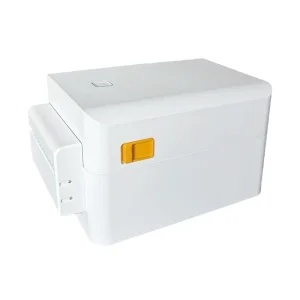
High-speed 4x6 direct thermal label printer equipped with an integrated manual tear bar, optimized for shipping operations.
View Details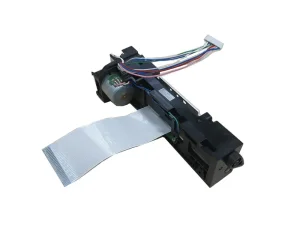
Heavy-duty 4-inch print mechanism designed for logistics labeling terminals, offering high-speed performance.
View Details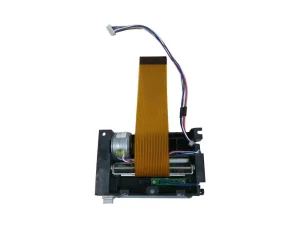
High-speed thermal receipt printer engine designed for integration into retail checkout terminals and kiosk enclosures.
View Details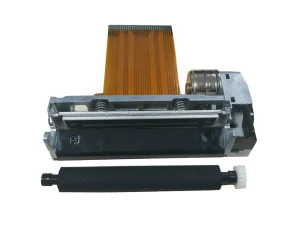
Drop-in replacement mechanism compatible with Fujitsu FTP-628 configurations, offering reliable print quality.
View Details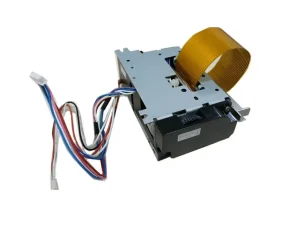
Specialised curved path thermal printer mechanism, suitable for curved ticket dispensaries and transport ticketing systems.
View Details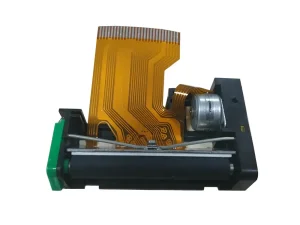
Ultra-low profile thermal printer mechanism designed for integration into tight physical spaces.
View Details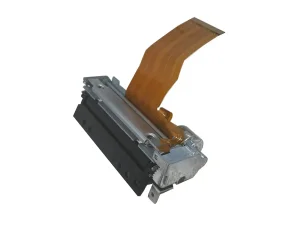
Vertical mounting configuration designed for space-constrained ticket terminals and entry gate systems.
View Details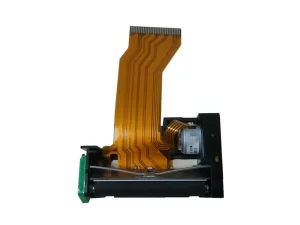
High-speed print engine designed for portable payment terminals, offering reliable printing on the go.
View DetailsStay updated on our technological developments, trade events, and engineering insights.
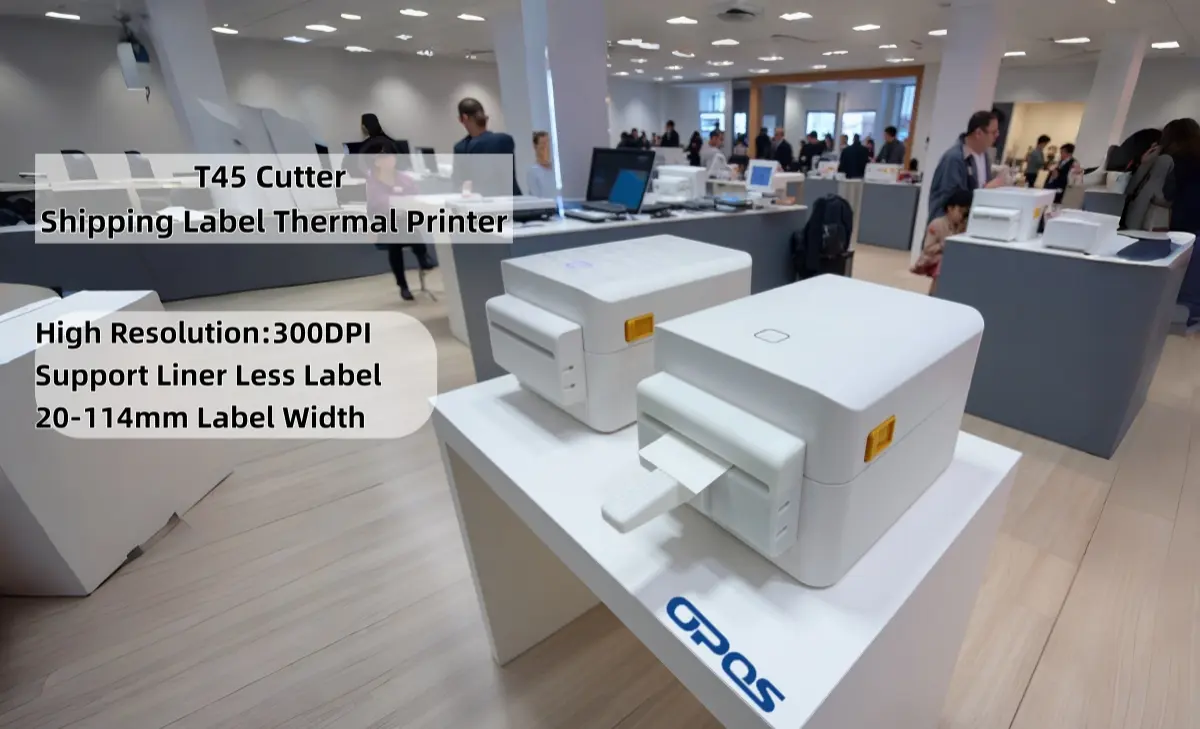
Xiamen OPOS Printer has launched a new high-resolution thermal mechanism designed for barcode verification and micro-labeling applications.
Read Article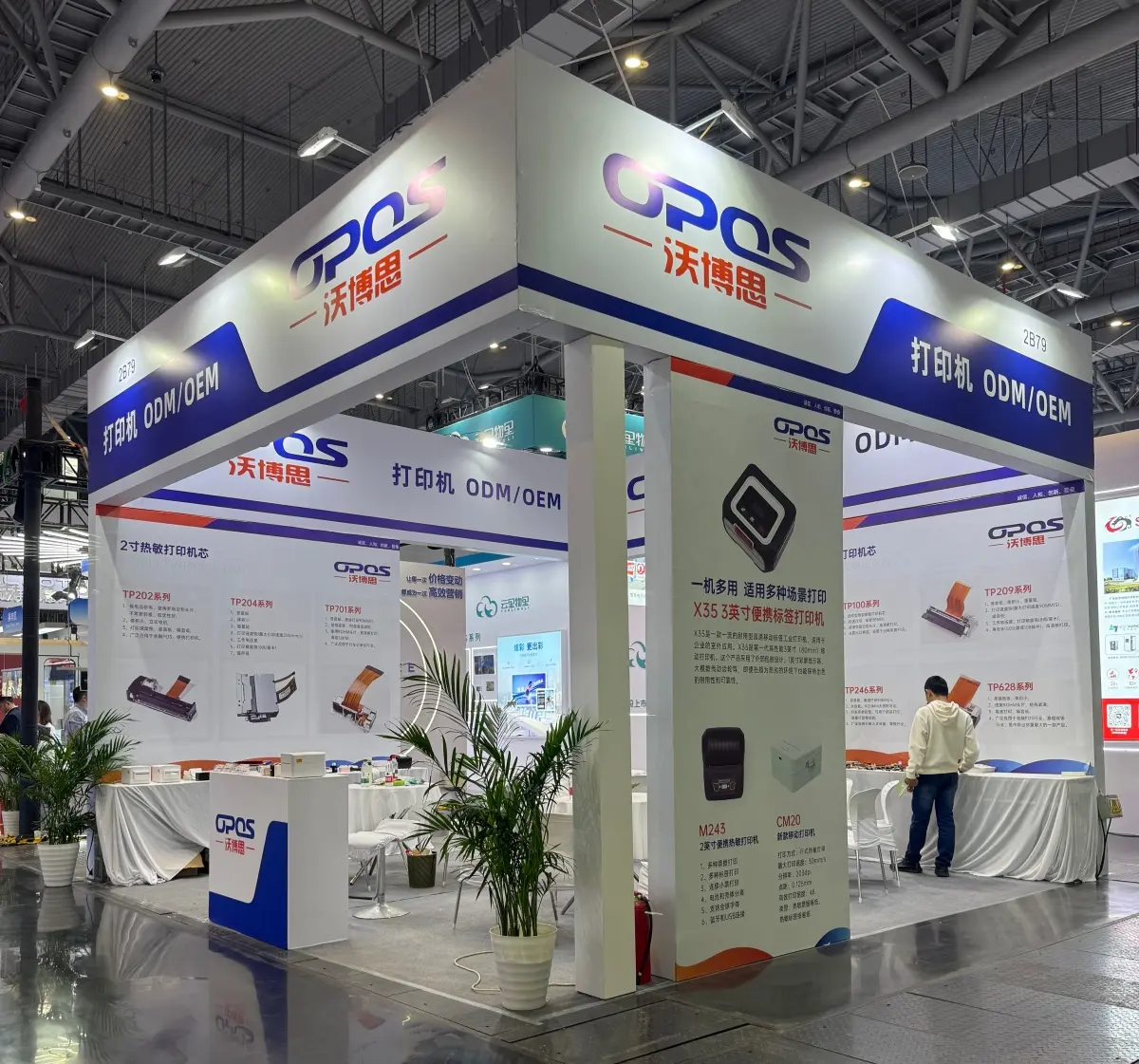
Our engineering and business development teams presented our latest direct thermal label printers and receipt engines at the annual Chinashop Exhibition.
Read Article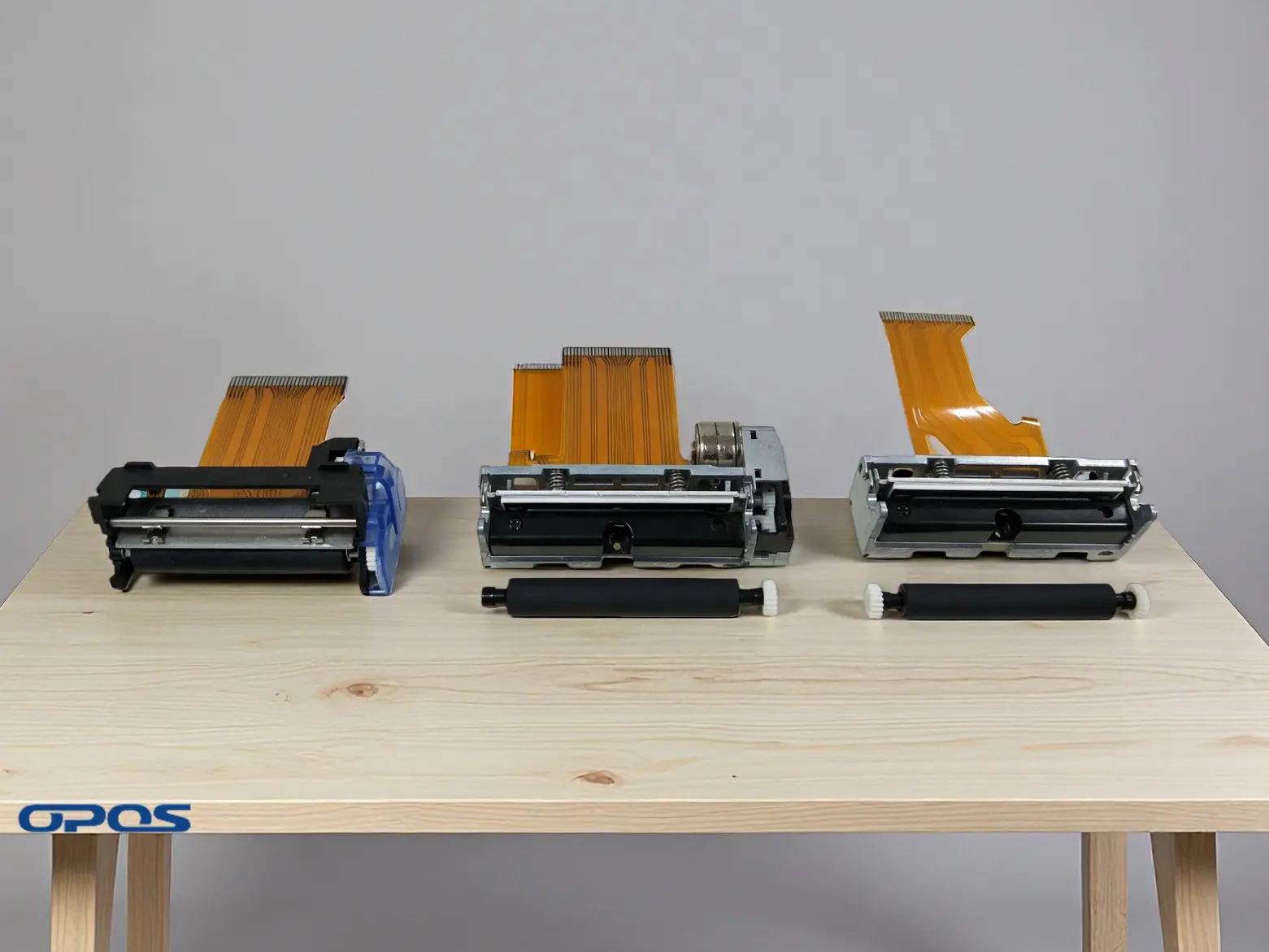
A technical guide to the core printhead components, platen rollers, and driving boards that power modern thermal printers.
Read ArticleTechnical clarifications and procurement guidance for OEM partners and system integrators.
Drop-in compatibility means our thermal printer mechanisms match the physical mounting dimensions, screw hole positions, electrical pin configurations, and command sets of competitor models (such as those from APS, Seiko, or Fujitsu). This allows engineering teams to replace legacy parts without redesigning their physical enclosures or rewriting device firmware.
We source high-durability printhead elements and integrate active thermal management algorithms into our driver boards. By monitoring printhead temperatures in real-time, our systems prevent excessive heat buildup, extending the operating life to 150 km of printed media, depending on environmental conditions.
Yes, our R&D team can customize communication interfaces (including USB, Serial, Ethernet, Wi-Fi, and Bluetooth) and adapt driver boards to meet specific space constraints or power input profiles for self-service kiosk terminals.
All our products are manufactured in compliance with RoHS and WEEE directives, and carry certifications including CE, FCC, and UL, ensuring smooth regulatory clearance in global markets.
Standard modifications of print mechanisms generally require 2 to 4 weeks for initial design validation and prototype assembly. Comprehensive ODM custom projects involving completely new housings or integrated cutter configurations can take 8 to 12 weeks, depending on complexity.