
Precision-engineered hardware optimized for high-durability tracking and identification
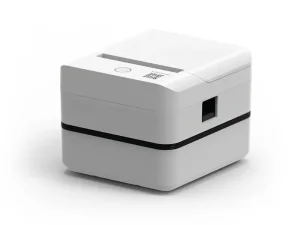
High-speed mobile printing solution for on-site cable marking and industrial barcode generation.
Read More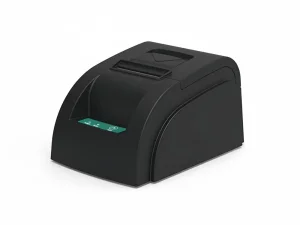
Reliable 2-inch desktop thermal printing system designed for high-frequency receipt and ticket generation.
Read More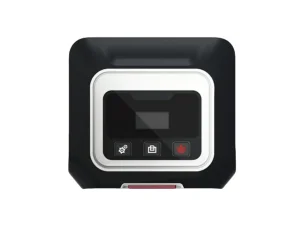
Ultra-compact portable label maker optimized for shipping labels, logistics tracking, and wire marking.
Read More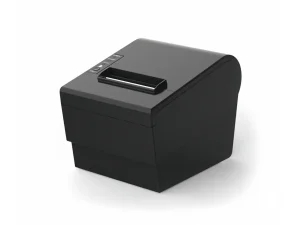
Heavy-duty 3-inch desktop POS printer featuring versatile wireless connectivity for modern retail environments.
Read More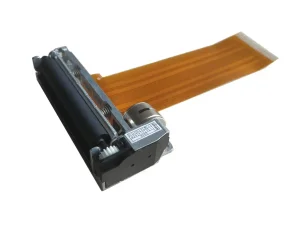
Industrial-grade thermal print mechanism offering seamless drop-in compatibility with legacy systems.
Read More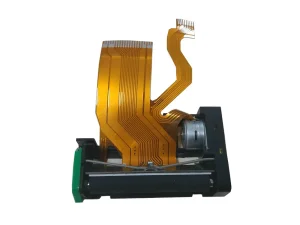
High-speed, compact thermal mechanism engineered for integration into medical devices and handheld terminals.
Read More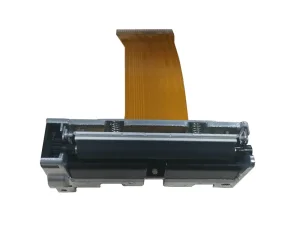
High-durability printhead assembly designed for ticketing kiosks and rugged outdoor terminals.
Read More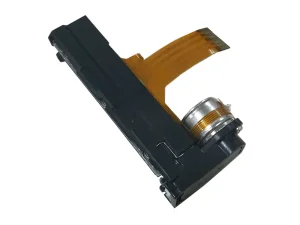
Low-voltage thermal mechanism optimized for battery-powered portable labelers and mobile POS units.
Read MoreAn in-depth analysis of structural identification, thermal printing technologies, and global procurement strategies
In the era of hyper-scale data centers, complex industrial automation, and sprawling telecommunication networks, physical cable management is no longer merely a matter of neatness—it is a critical parameter of operational uptime, safety, and compliance. Unlabeled or poorly labeled cabling systems lead to catastrophic troubleshooting delays, increased maintenance overhead, and elevated risks of accidental disconnections. A professional cable label maker is the cornerstone of structured cabling systems (SCS), enabling technicians to apply clear, durable, and standardized identification to power cables, fiber optics, patch cords, and control wires.
According to industry studies, structured cable labeling reduces network troubleshooting diagnostics time by up to 40% and significantly mitigates human error during critical hardware migrations.
Industrial environments demand labeling solutions that can withstand extreme conditions, including high temperatures, UV exposure, chemical contact, and mechanical abrasion. Standard paper labels fail rapidly under these stresses. Therefore, modern cable label makers utilize advanced thermal transfer or direct thermal technologies to print on specialized substrates such as heat-shrink tubing, self-laminating vinyl, and polyolefin wrap-around labels. As a leading supplier, OPOS (Xiamen) Electronic Technology Co., Ltd. designs and manufactures high-performance printing mechanisms and portable label makers that meet these rigorous industrial requirements.
When sourcing hardware from a cable label maker factory, procurement officers must evaluate the underlying print technology based on the intended application environment:
Sourcing from a specialized Chinese manufacturer like OPOS (Xiamen) Electronic Technology Co., Ltd. provides global enterprises with a distinct competitive advantage. Located in Xiamen, Fujian Province—a premier high-tech manufacturing hub—OPOS leverages a robust local ecosystem of precision engineering, component sourcing, and logistics infrastructure.
Our vertically integrated production model allows us to control the entire manufacturing process, from the initial R&D of thermal printheads and cutter components to the mass assembly of finished desktop and portable printers. This integration ensures that our OEM/ODM partners receive products that are not only cost-competitive but also engineered to the highest quality standards. With over 70 invention patents and a 5,000 square meter state-of-the-art facility, we continuously push the boundaries of thermal printing technology, offering compatible mechanisms that match or exceed the performance of legacy brands like Fuji, Fujitsu, and Seiko.
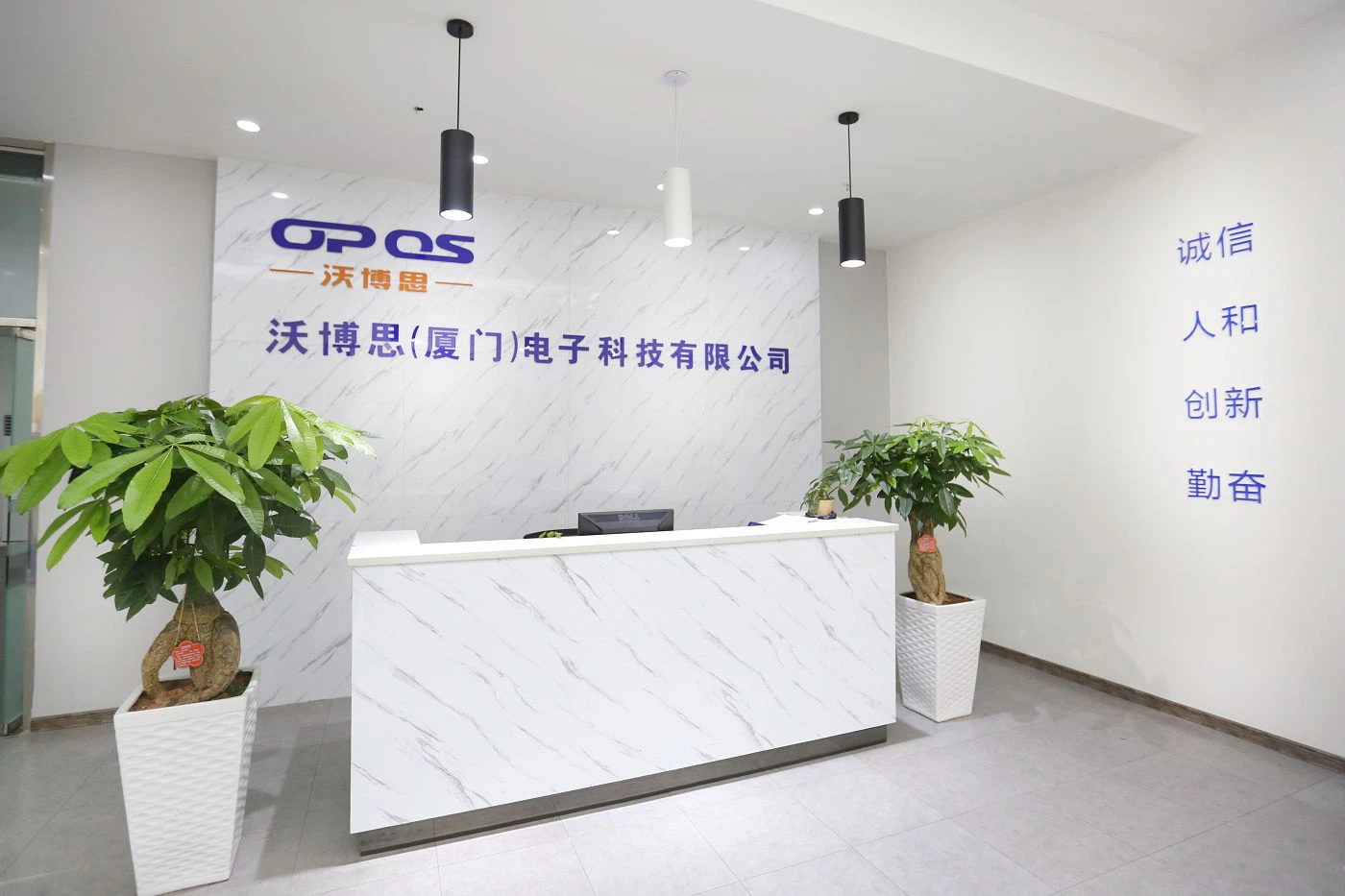
Established in 2005 in Xiamen, China, OPOS has grown to become one of the nation's earliest and most respected developers of printer mechanisms and thermal printing solutions. We specialize in the design, manufacture, and global distribution of Thermal Printers, POS printer mechanisms, label/receipt printer mechanisms, dot matrix mechanisms, and heavy-duty cutter components.
Our commitment to research and development has positioned us as a trusted OEM/ODM partner for global brands, providing tailored solutions that drive efficiency in retail, logistics, healthcare, and industrial sectors.
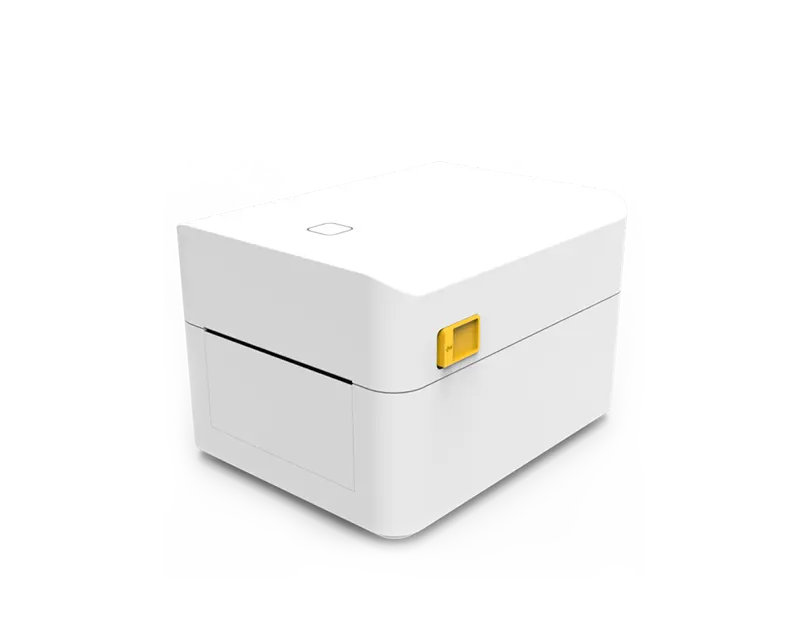
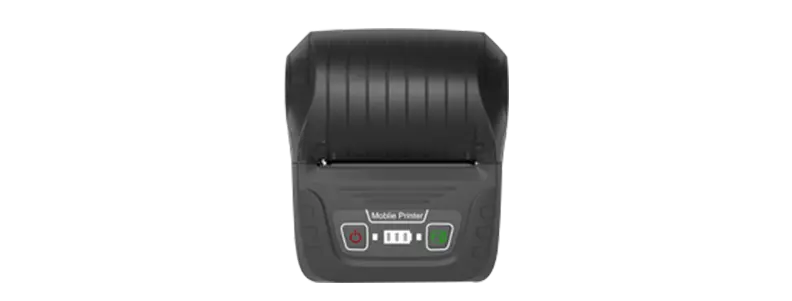
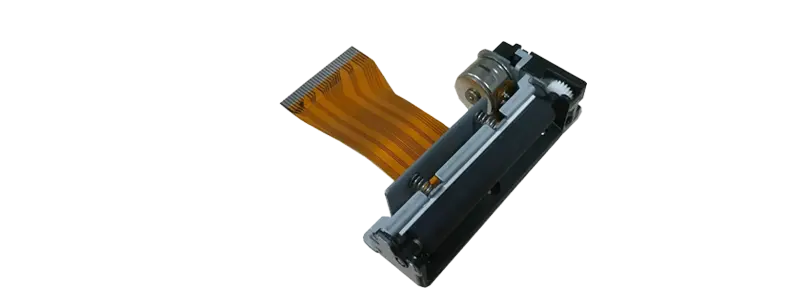
Explore our diverse portfolio of high-performance printing hardware and mechanisms

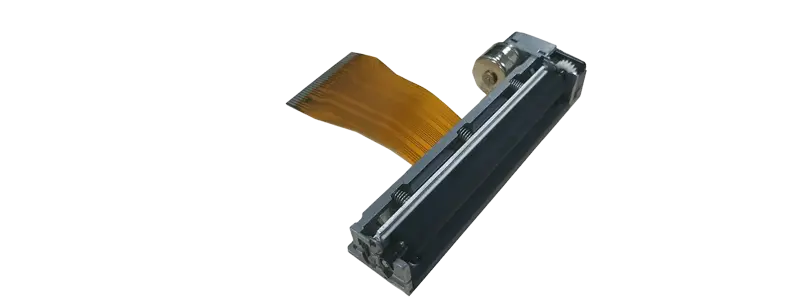
Why leading global enterprises choose OPOS as their manufacturing partner
We provide comprehensive design and engineering services to customize thermal printers and mechanisms to your exact specifications.
Our in-house engineering team independently develops proprietary printheads, cutters, and control boards, ensuring cutting-edge performance.
We offer responsive technical assistance and troubleshooting to resolve integration or operational issues promptly.
All products are backed by a comprehensive 12-month quality warranty, including spare parts replacement and hardware support.
For multinational corporations and global distributors, hardware compliance is a non-negotiable prerequisite. A professional cable label maker must comply with regional environmental and safety standards before deployment. OPOS printers and mechanisms are designed to meet global regulatory frameworks, including CE, FCC, RoHS, and REACH. This ensures that our products can be seamlessly imported and deployed in highly regulated markets such as the European Union, North America, and the Asia-Pacific region.
Beyond regulatory compliance, localization extends to software integration. Modern industrial environments utilize diverse Enterprise Resource Planning (ERP) systems, database architectures, and proprietary software. OPOS supports this ecosystem by providing comprehensive Software Development Kits (SDKs) for Windows, Android, iOS, and Linux. Our printers support standard command sets such as ESC/POS, TSPL, and ZPL, allowing seamless integration with existing network infrastructure. Furthermore, our devices support multi-language character sets, enabling localized printing in diverse regions without font rendering errors.
When sourcing cable label makers at an enterprise scale, procurement managers must look beyond the initial unit cost. The Total Cost of Ownership (TCO) is heavily influenced by reliability, maintenance frequency, and media compatibility. Key metrics to evaluate include:
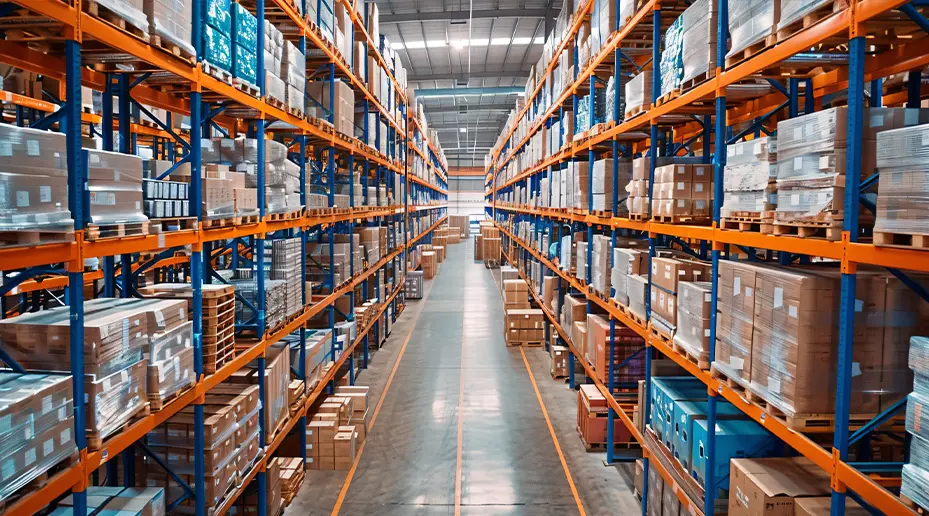
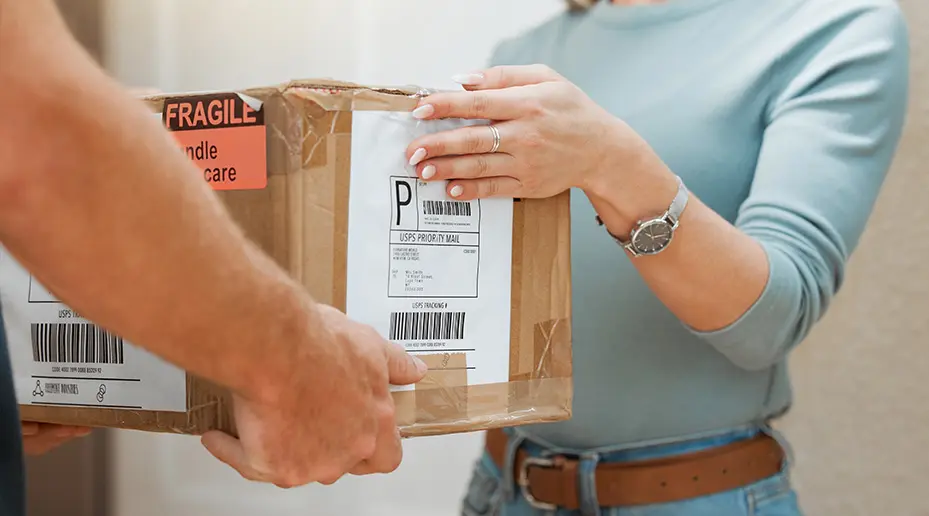
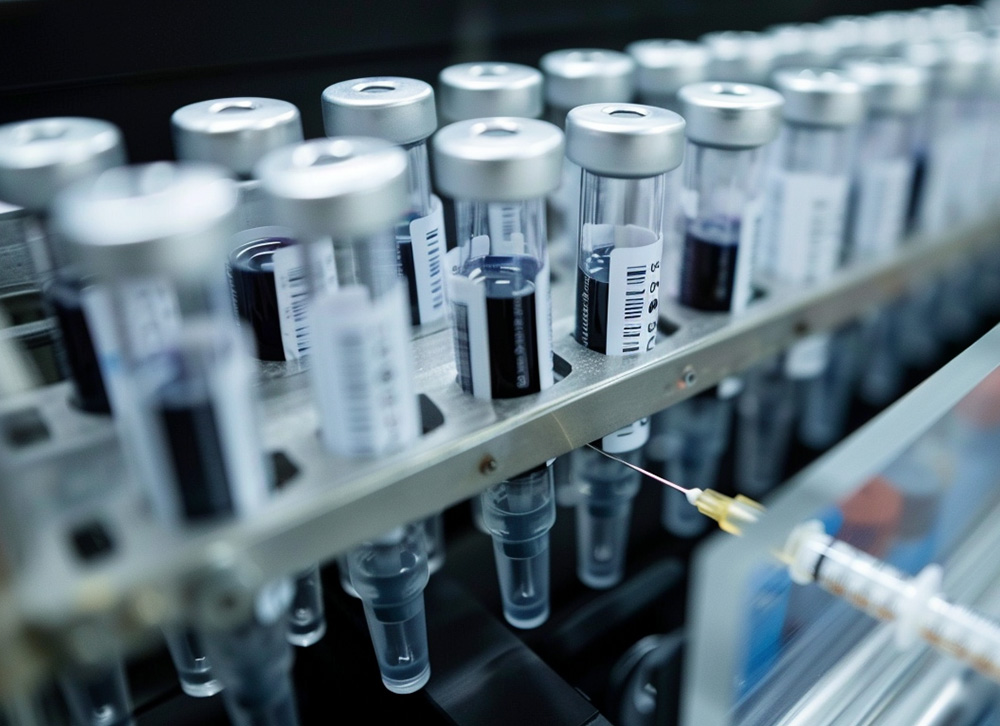
Where precision labeling meets operational efficiency


From initial concept to global delivery, we ensure seamless execution

We analyze your target market, technical requirements, and brand positioning to define the optimal product specifications.

Our engineering team designs the hardware layout, firmware protocols, and enclosure aesthetics tailored to your brand identity.

We manufacture functional prototypes for rigorous testing, environmental simulation, and client evaluation before mass production.

Leveraging our 5,000㎡ facility, we initiate high-efficiency manufacturing under strict ISO9001 quality control standards.

Every unit undergoes rigorous diagnostic testing, calibration, and customized packaging according to your logistics requirements.

We coordinate international logistics, customs clearance, and delivery to ensure your products arrive safely and on schedule.
The industrial printing landscape is evolving rapidly, driven by automation, IoT integration, and environmental sustainability. As a forward-looking manufacturer, OPOS is actively developing technologies to address these emerging trends:
Expert answers to common queries regarding cable label makers and print mechanisms
For network cabling, self-laminating vinyl or polyolefin wrap-around labels are highly recommended. Self-laminating labels feature a clear tail that wraps over the printed text, protecting it from moisture, abrasion, and handling. For high-density patch panels, flag-style labels are preferred to maximize visibility.
Yes. OPOS specializes in manufacturing high-quality thermal printer mechanisms that are drop-in compatible with major industry standards, including models from Fuji, Fujitsu, and Seiko. Our mechanisms offer identical physical dimensions, mounting points, and electrical interfaces, allowing for seamless integration.
Absolutely. We provide comprehensive SDKs and drivers for Windows, Linux, Android, and iOS. Our printers support industry-standard control protocols (ESC/POS, TSPL, ZPL), enabling developers to integrate our hardware into proprietary asset management or network design software easily.
The lifespan of a thermal print mechanism is primarily determined by the durability of the printhead, measured in kilometers of printed media. OPOS mechanisms are engineered using high-grade ceramic substrates and wear-resistant protective coatings, typically rated for 100km to 150km of continuous printing under optimal conditions.
OPOS operates under a strict ISO9001-certified quality management system. Every production batch undergoes rigorous testing, including printhead resistance calibration, cutter cycle durability tests, environmental chamber testing (for temperature and humidity tolerance), and final functional diagnostics before packaging.
Stay informed with the latest updates from the OPOS engineering and product teams
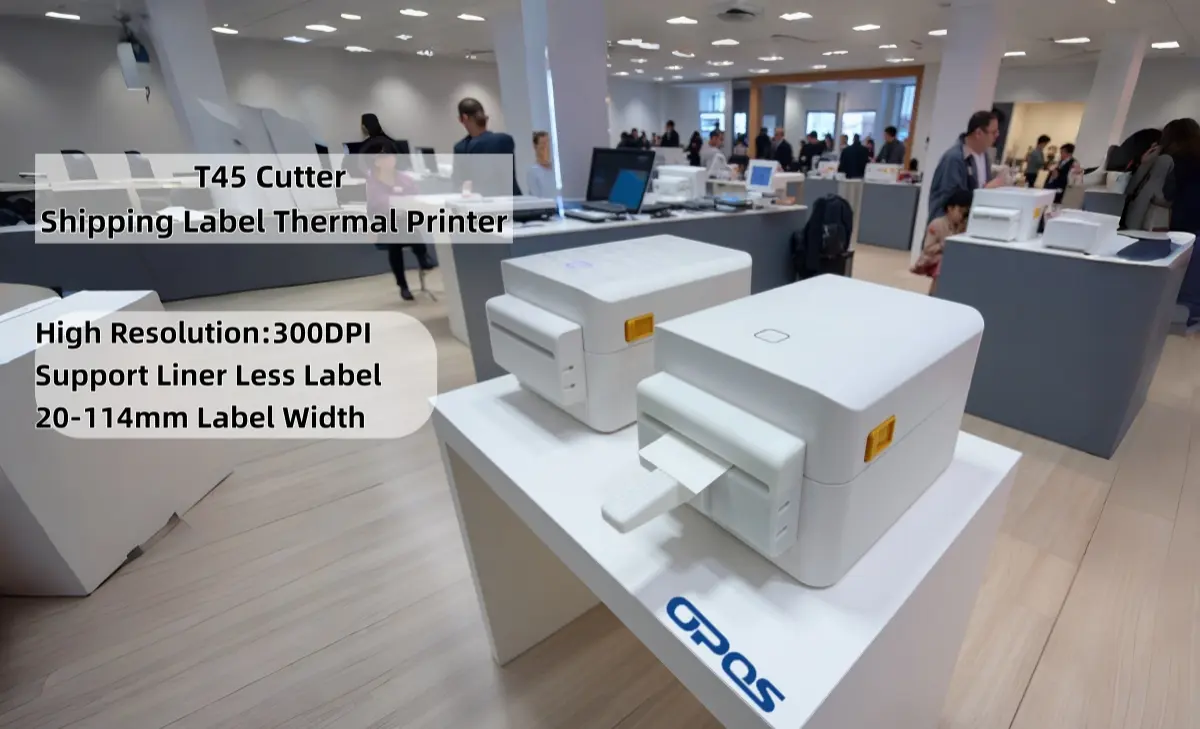
At Xiamen OPOS Printer, we are thrilled to announce the launch of our latest innovation: a high-resolution thermal printhead designed for micro-labeling applications.
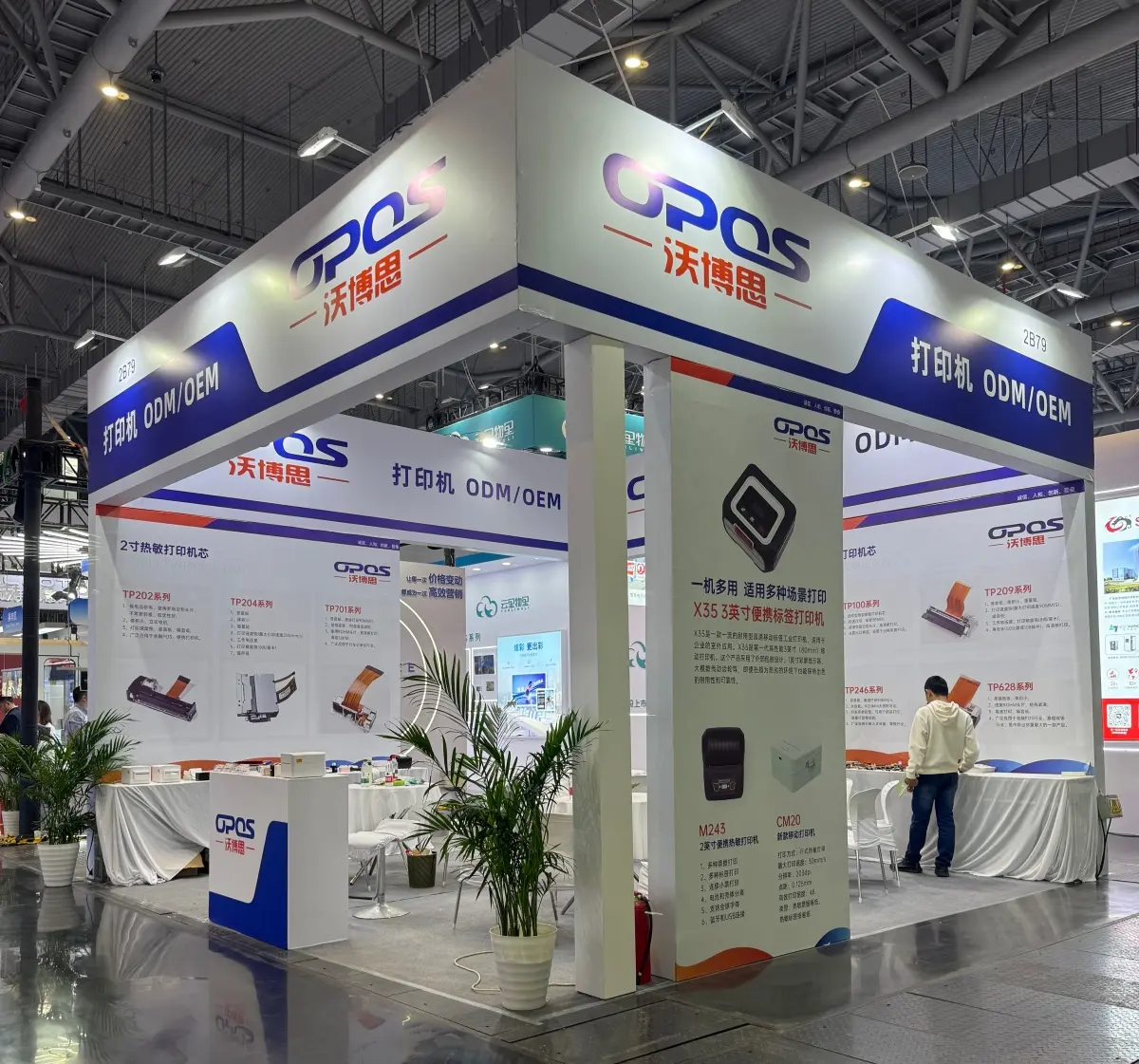
We are excited to share that OPOS Printer recently participated in the Chinashop Exhibition, showcasing our latest POS and mobile printing systems to global buyers.
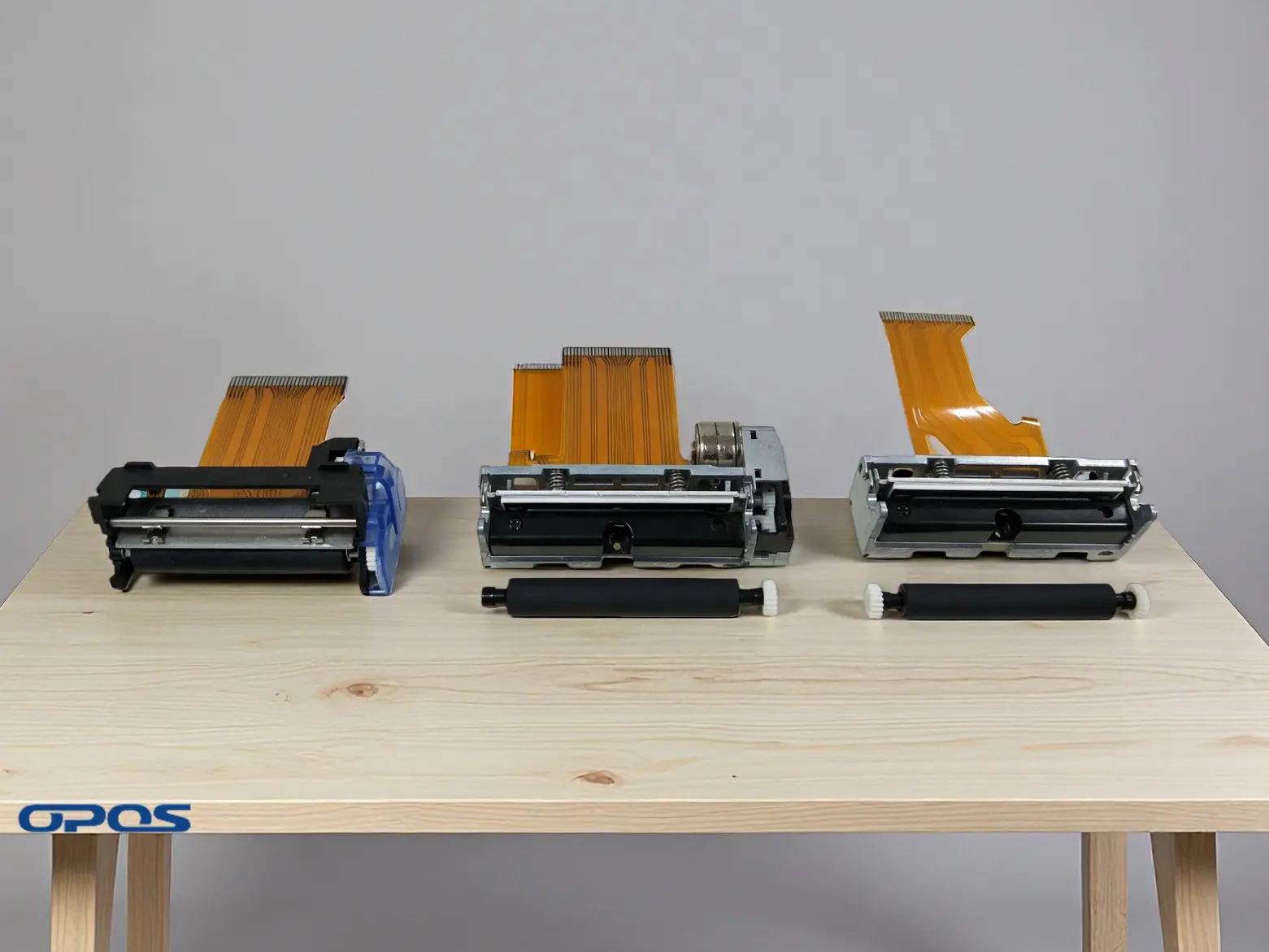
A thermal printhead, also known as a thermal printer mechanism, is the core component of a thermal printer. Learn about its design, operation, and maintenance in our guide.
Explore our high-durability print mechanisms and heavy-duty desktop labeling hardware
High-performance 2-inch thermal print mechanism designed for integration into retail POS terminals and medical devices.
Read More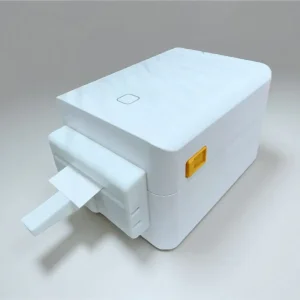
Heavy-duty 4x6 desktop shipping label printer featuring an integrated auto-cutter and linerless media support.
Read More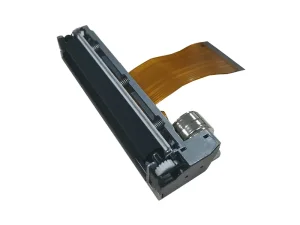
Industrial-grade 3-inch thermal mechanism offering drop-in compatibility with legacy Fujitsu systems.
Read More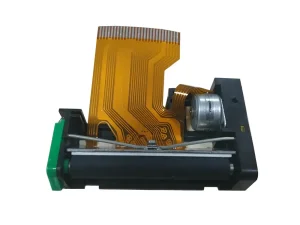
Ultra-compact 2-inch thermal mechanism designed for portable instrumentation and handheld terminals.
Read More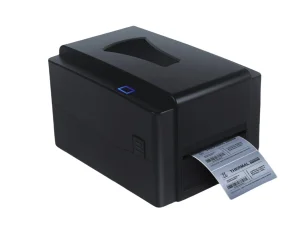
High-resolution desktop thermal transfer printer optimized for long-lasting industrial barcode and wire labeling.
Read More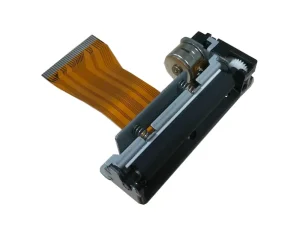
Low-profile, high-reliability thermal mechanism offering drop-in compatibility with Seiko LTPZ245 series.
Read More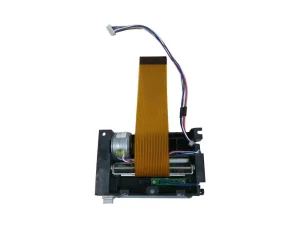
Heavy-duty 3-inch thermal print mechanism designed for high-speed receipt and ticketing kiosks.
Read More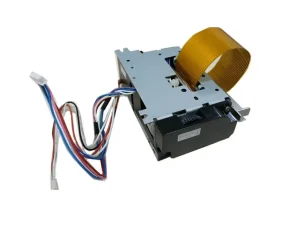
High-performance thermal printer mechanism featuring integrated auto-cutter and robust frame construction.
Read More