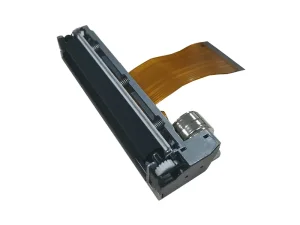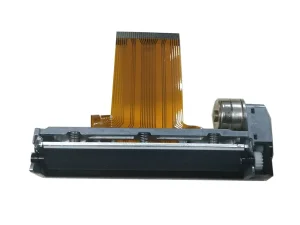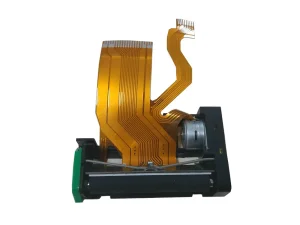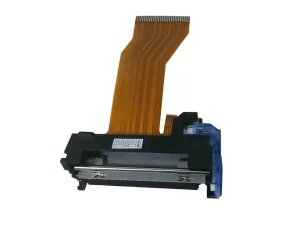
Reliable components designed for direct drop-in integration and high-volume deployment
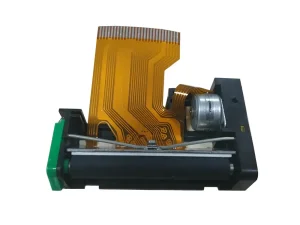
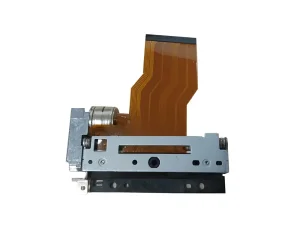
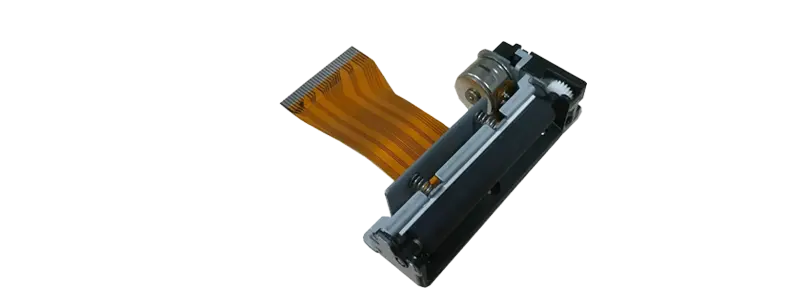
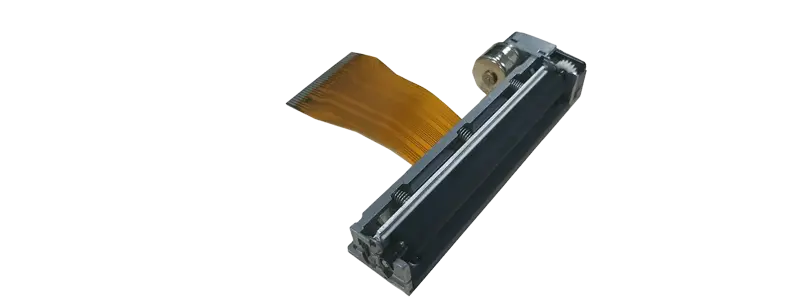
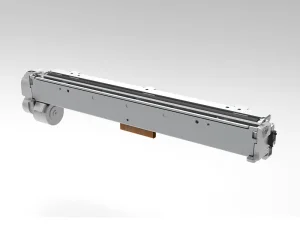
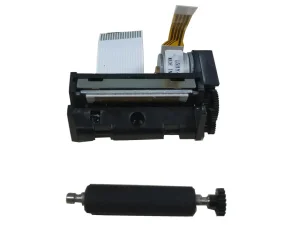 Custom TP100 thermal printer mechanism series (Compatible Woosim Porti-M100H)
Manufacturer, Factories
Custom TP100 thermal printer mechanism series (Compatible Woosim Porti-M100H)
Manufacturer, Factories
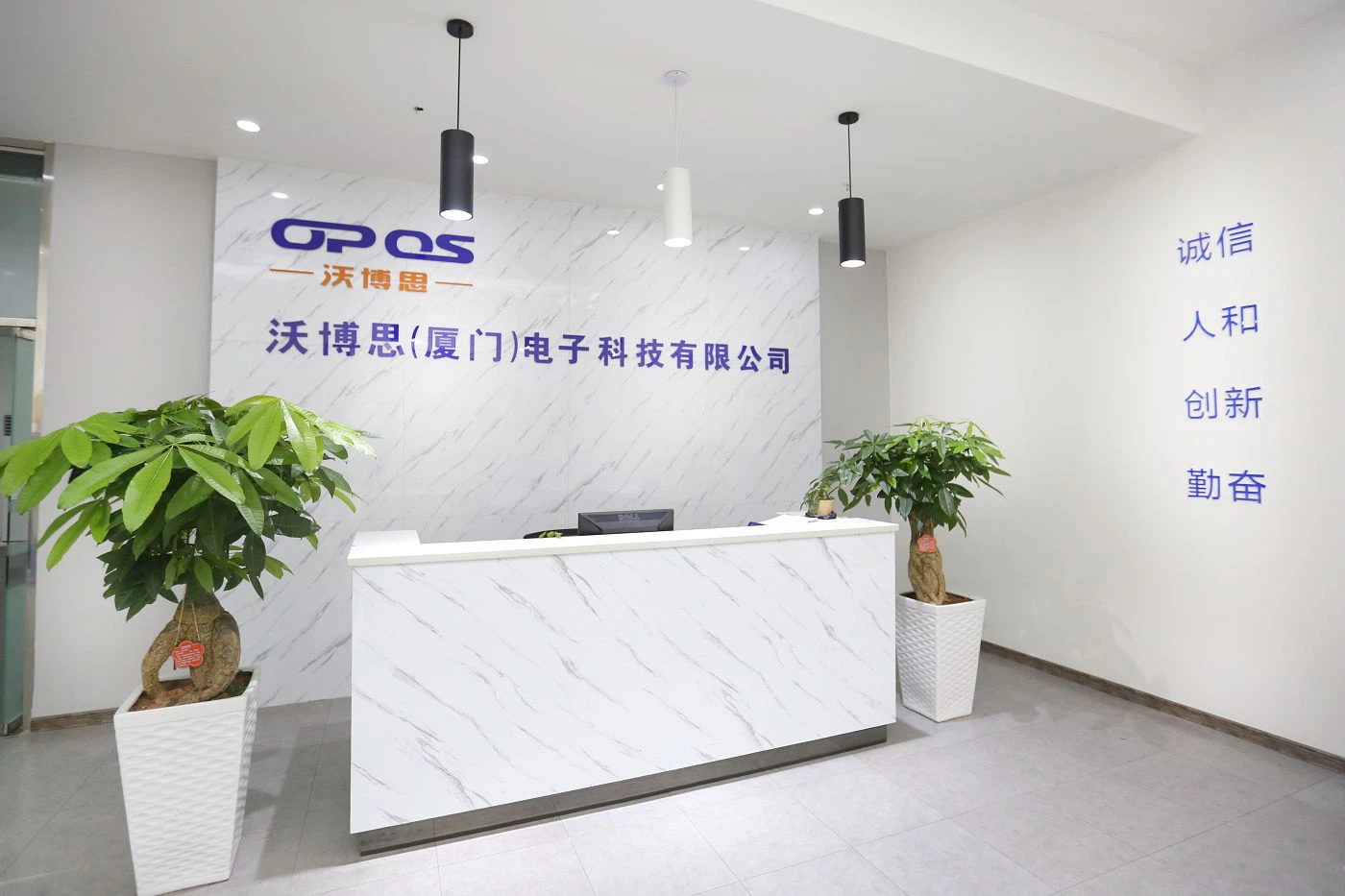
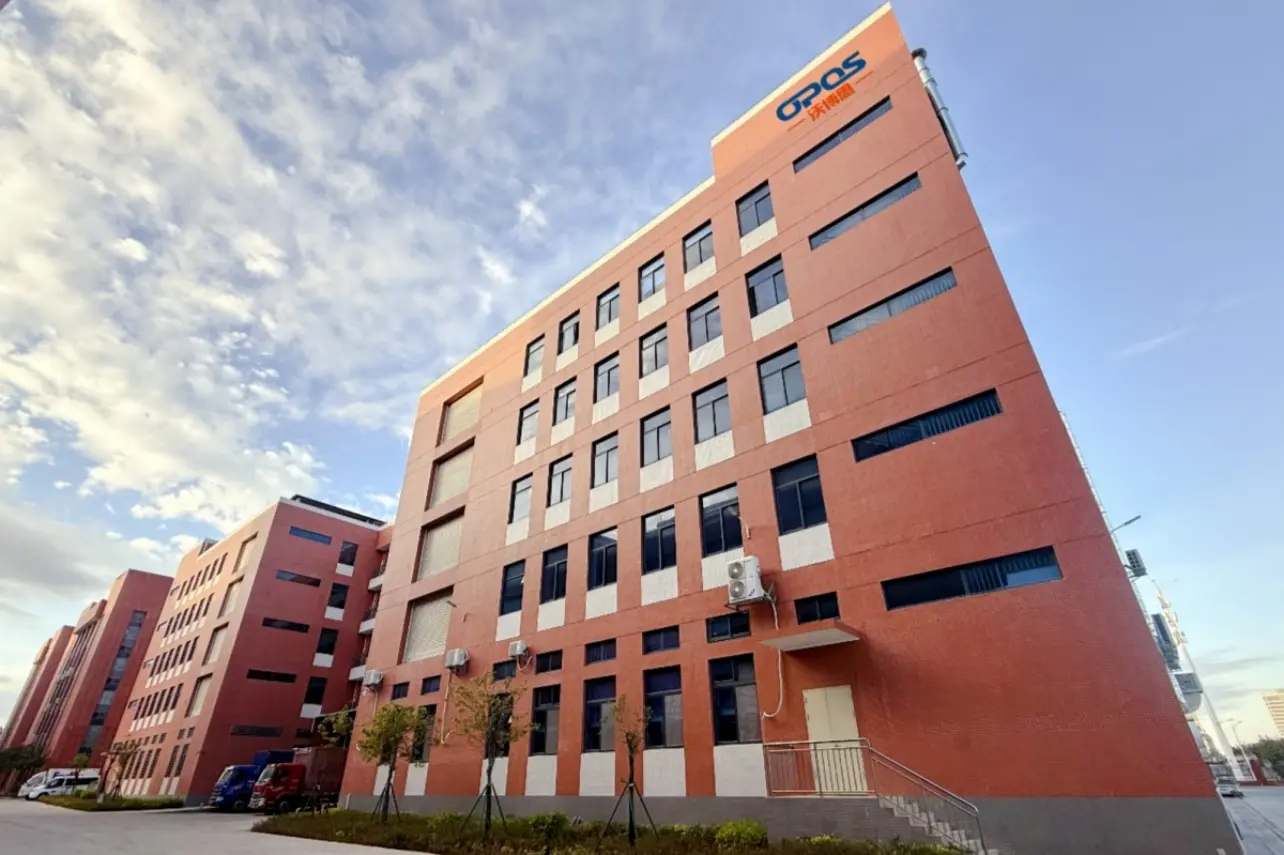
Founded in 2005 in Xiamen, Fujian Province, China, OPOS Electronic Technology stands as one of the pioneer forces in the research, development, and manufacturing of professional printing mechanisms. Recognizing the growing global demand for robust and custom barcode solutions, our company set forth on a path of independent technological R&D, designing advanced micro-printing and terminal label components early on.
Today, OPOS is recognized as a national High-Tech Enterprise. We seamlessly integrate structural design, precision electronic engineering, manufacturing, and international trade to deliver state-of-the-art Thermal Printers, POS Printers, Label/Receipt Mechanisms, Dot Matrix Printing Units, and Automatic Cutter modules. Guided by a customer-centric design philosophy, we provide the raw engine and complete product housings that power transactional and administrative processes worldwide.
Discover Our R&D CoreValidated metrics defining our manufacturing reliability and engineering achievements

Explore our core product groups built around modern thermal engineering systems
Ensuring enterprise continuity with customized solutions and reliable support structures

We provide full hardware customization support, custom interfaces, tailored casing design, and unique mechanical layouts matching major global equipment standards.

Our engineering division manages complete thermal driver microcode design, controller board layouts, and mechanism gear mechanical optimizations in-house.

Dedicated engineers address product integrations, command-set queries (ESC/POS, TSPL), driver compatibility, and firmware tailoring directly.

Our quality assurance program covers structural troubleshooting, component replacement diagnostics, and ongoing firmware upgrades for field devices.
An Industrial Guide on Engineering Specifications, Procurement Strategies, and Global Compliance Standards
Modern enterprises operating across manufacturing, automated sorting logistics, healthcare tracking, and smart retail systems face demanding hardware integration challenges. A barcode label printer is no longer a standalone peripheral; it represents a critical transactional hub at the edge of the supply chain network. To optimize total cost of ownership (TCO) and system reliability, international procurement teams are moving away from proprietary, locked-down hardware ecosystems in favor of open-standard OEM/ODM manufacturing partnerships.
Key procurement vectors currently center on high-performance compatibility. Equipment engineers require drop-in mechanism replacements that match the footprints of legacy models, such as Fujitsu, Seiko, and APS, without forcing redesigns of host enclosures or control circuits. Furthermore, the push for eco-efficiency is driving demand for linerless label systems, which eliminate paper backing waste and increase efficiency in high-volume distribution centers.
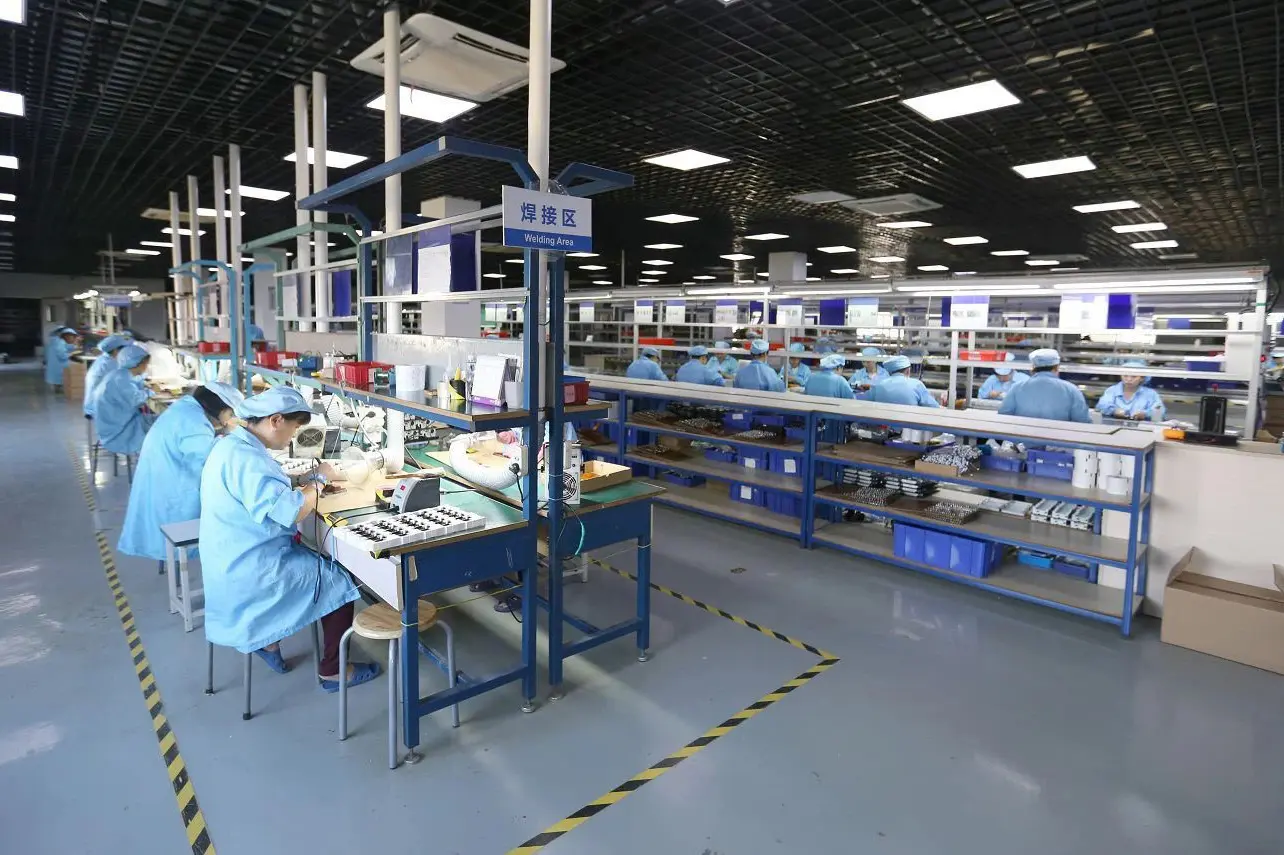
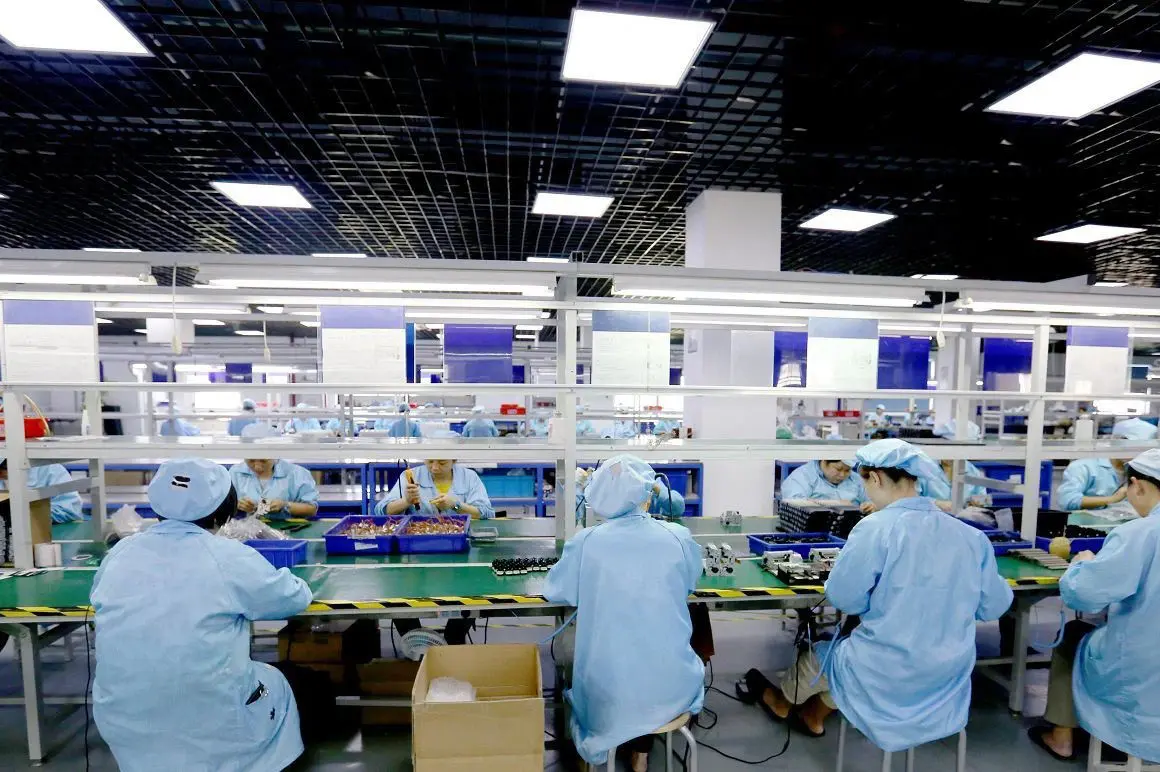
OPOS (Xiamen) Electronic Technology Co., Ltd. leverages the localized engineering infrastructure of Xiamen, Fujian Province, a leading global hub for micro-printing technology. This industrial concentration supports access to premium tooling facilities, specialized motor manufacturers, high-durability printhead foundries, and raw material suppliers. Our 5,000-square-meter facility features advanced surface mount technology (SMT) lines, clean-room assembly compartments, and multi-stage automated testing stations.
By streamlining component procurement and integrating key manufacturing steps, we provide high-performance solutions with structured cost efficiencies. For example, our 70+ invention and design patents show our focus on technical improvements—ranging from optimal gear torque transmission to thermal protection circuits that prevent printhead overheating during heavy use. This manufacturing system helps us deliver robust mechanisms that perform reliably in demanding operations.
Deploying label hardware globally requires adhering to regional regulatory frameworks and safety rules. OPOS manufactures all mechanisms and printers to comply with strict international standards, including CE, FCC, RoHS, and WEEE directives. This guarantees electromagnetic safety, low environmental impact, and reliable power efficiency when integrated into medical diagnostics devices or industrial packing machines.
At the firmware layer, our controllers support multi-language environments natively. By providing comprehensive SDKs for Windows, Linux, Android, iOS, and macOS, we facilitate fast integration across diverse host architectures. Our devices support industry-standard print command sets (ESC/POS and TSPL), ensuring easy software compatibility. Additionally, our dual-mode Bluetooth (Classic + BLE) and high-speed Wi-Fi components comply with global wireless certifications, ensuring secure and reliable data transfer in complex enterprise networks.
Engineered to deliver clear print quality across various industrial sectors





A structured approach path from engineering design to worldwide delivery

Collaborative project reviews to align product dimensions, resolution requirements (203/300 DPI), interface standards, and firmware features.

Developing schematic circuit layouts, structural CAD blueprints, thermal dissipation analysis, and mechanical gear dynamics for the printer mechanism.

Rapid CNC prototyping and 3D housing mockups. Real-world testing of print longevity, paper feed tolerances, motor heat levels, and drop resistance.

Deployment of production molds. Automated assembly of gears, motors, control boards, and printheads, followed by systematic line testing.

Rigorous quality checks for speed, noise, print density, and cutting accuracy, paired with customized packaging to secure components in transit.

Comprehensive customs brokerage and logistics coordination to manage freight transport (ocean, air, or land) directly to your integration facilities.
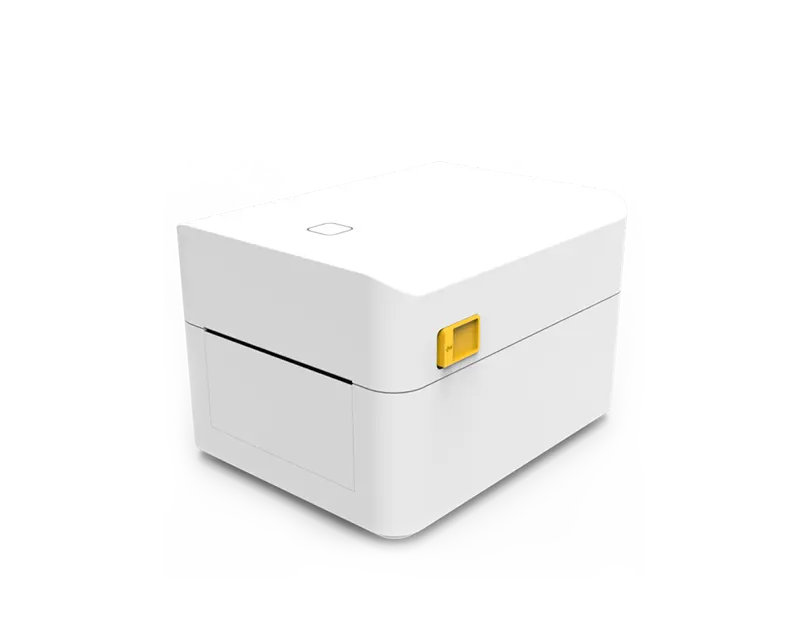
Complete retail-ready thermal printing equipment and industrial-grade barcode models
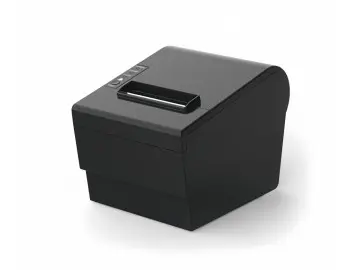
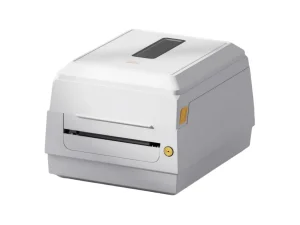
3 inches, 80mm Desktop POS receipt thermal printer for receipt, label, bill, ticket.
Read More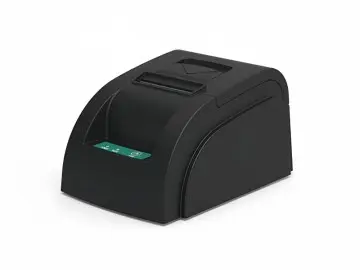
2 inches, 58mm desktop receipt thermal printer--Ideal for POS receipt, POS bill.
Read More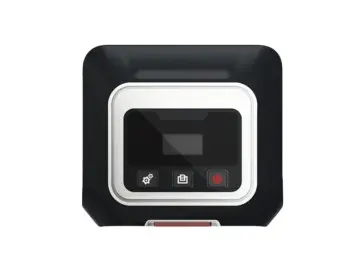
3 inch, 80mm Portable Thermal Printer, designed to be small and light for easy transport.
Read More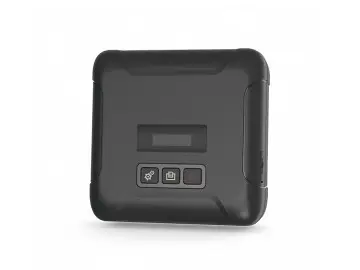
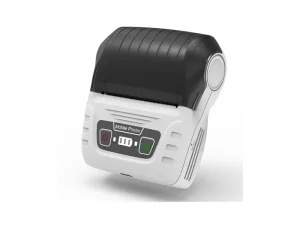
Portable Pocket Bluetooth Thermal Printer, 3 inches, compact design, lightweight.
Read More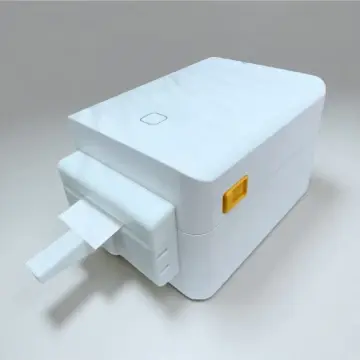
Designed for businesses seeking durable linerless printing solutions with high cutting reliability.
Read More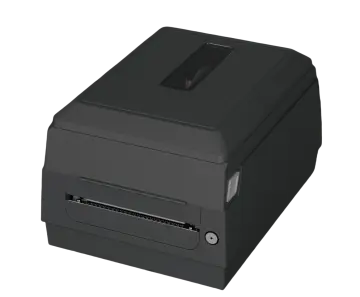
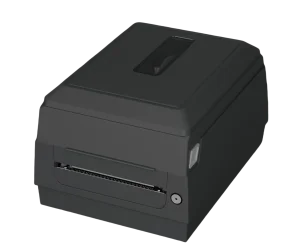
4”x6” Desktop Thermal Transfer Label – Ideal printing for shipping label logistics.
Read More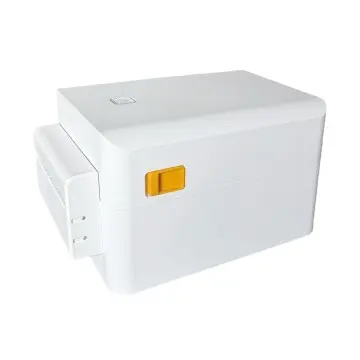
Ideal for shipping sticker labels and multi-format inventory tagging applications.
Read More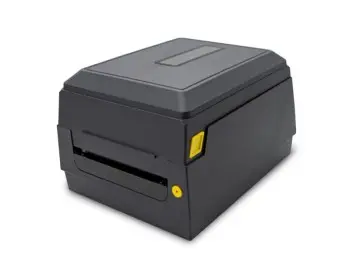
Premium thermal transfer system for industrial label durability in harsh warehouses.
Read MoreStay informed about global printing trends, exhibitions, and technological developments
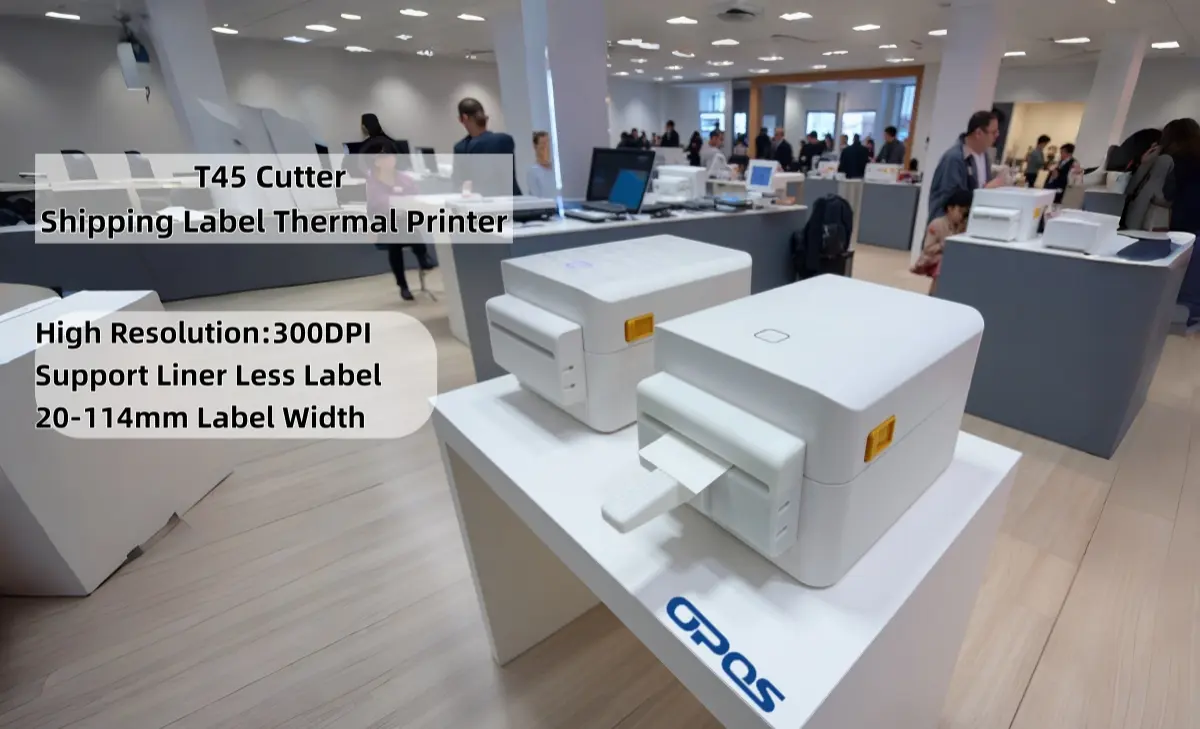
At Xiamen OPOS Printer, we are thrilled to announce the launch of our latest innovation: a high-resolution, long-lifetime printing mechanism designed for micro-labels.
Read Article →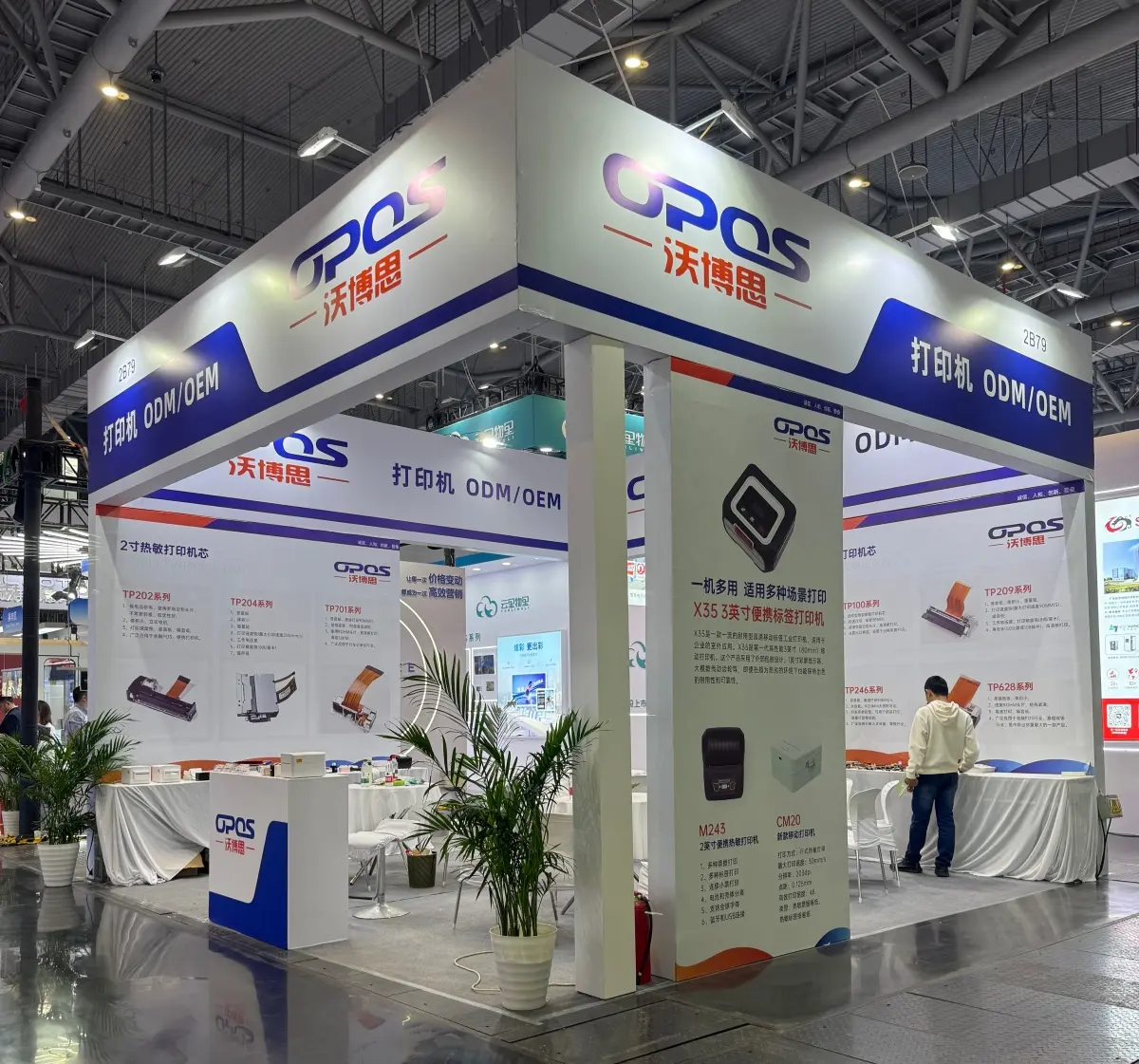
We are excited to share that OPOS Printer recently participated in the Chinashop Exhibition, showcasing our latest cloud printing and desktop linerless label setups.
Read Article →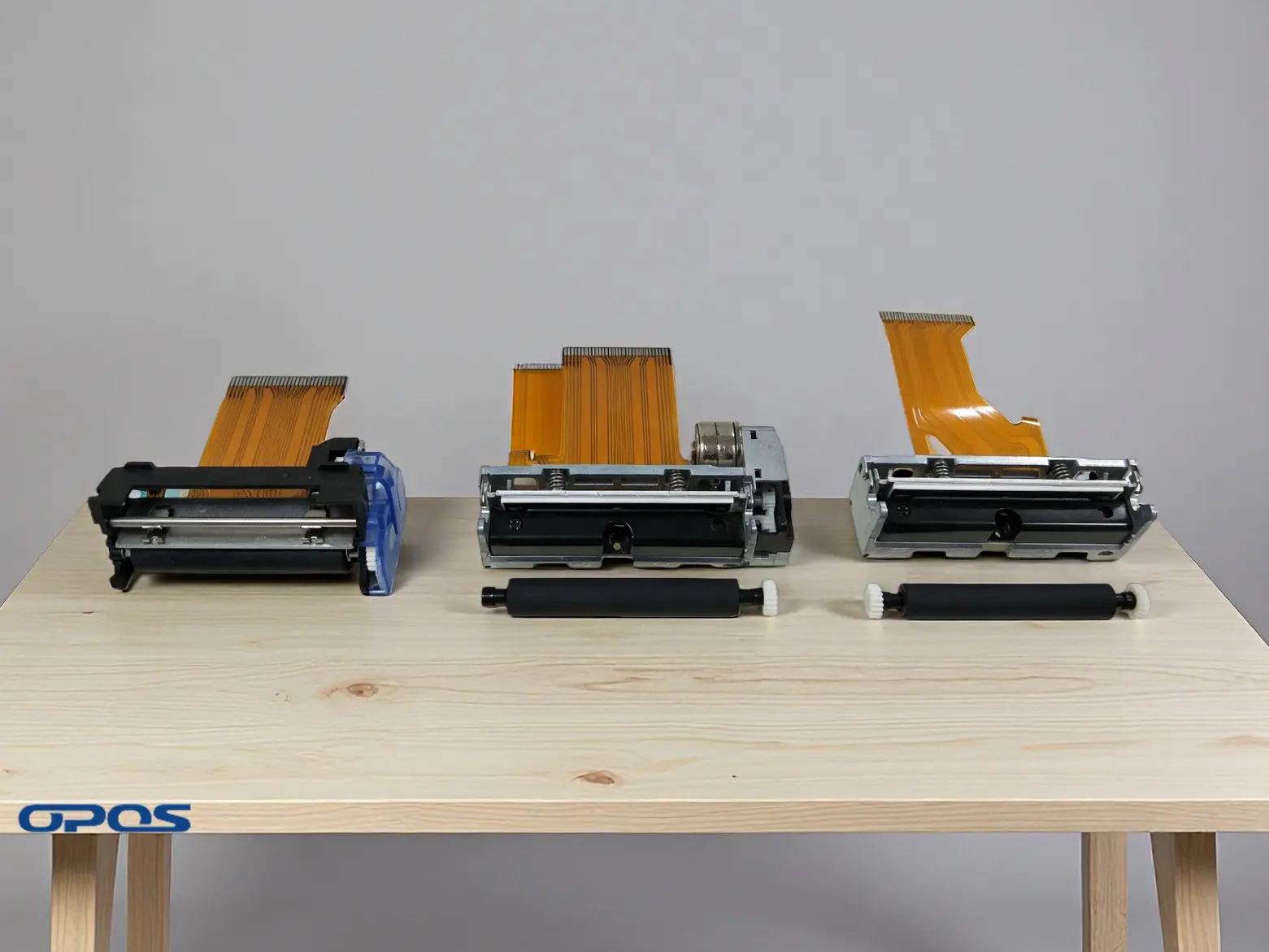
A thermal printhead, also known as a thermal printer mechanism, is the core component of a thermal system. Learn about its engineering parameters and lifespan calculations.
Read Article →Heavy-duty, precision mechanisms engineered for seamless integration
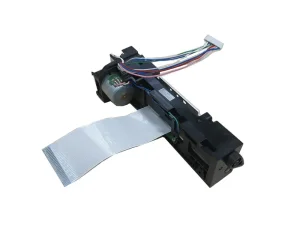
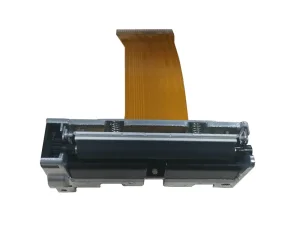 OEM TP701 thermal printer mechanism series compatible with FUJITSU: FTP-628MCL701
Factories, Exporters
OEM TP701 thermal printer mechanism series compatible with FUJITSU: FTP-628MCL701
Factories, Exporters
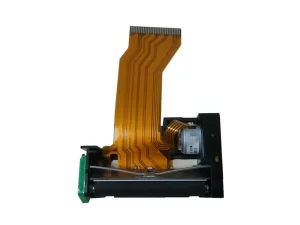
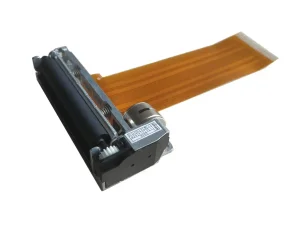 OEM TP628RM-101L thermal printer mechanism series Compatible FUJI: FTP-628MCL101
Supplier, Factories
OEM TP628RM-101L thermal printer mechanism series Compatible FUJI: FTP-628MCL101
Supplier, Factories
Direct engineering answers addressing critical design, integration, and logistic queries