
Explore our premium product selections built to heavy-duty industrial specifications, offering reliable drop-in replacements for standard APS formats.
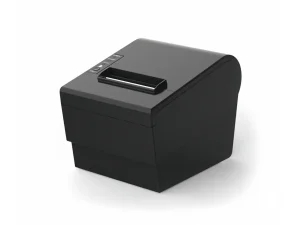
Compact design, lightweight, reliable 80mm POS billing interface with versatile Bluetooth connectivity.
Read More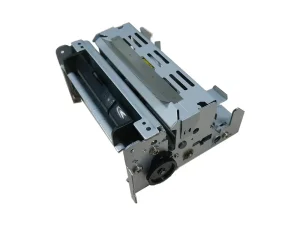
Precision alignment, high durability engineering, optimized for commercial point-of-sale systems.
Read More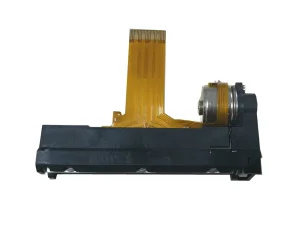
Robust structure, high operational frequency, smooth integration with major micro-controllers.
Read More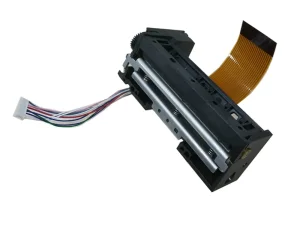
Direct alternative to SEIKO LTPV345C, reliable performance metrics, rugged design for tough environments.
Read More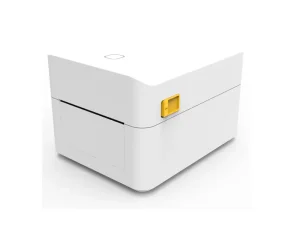
Reliable high-speed label processing, 4x6 inches printing field, ideal for heavy parcel sorting.
Read More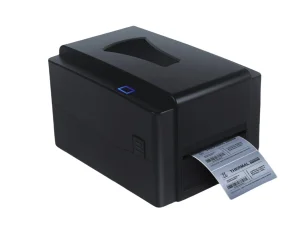
Dual printing modes (direct & transfer), highly durable structure for industrial tracking labels.
Read More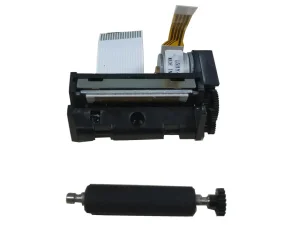
Engineered drop-in replacement for Woosim Porti-M100H terminals, features ultra-low power consumption.
Read More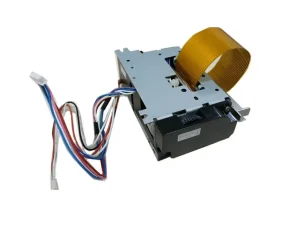
High speed thermal print mechanism, robust structural frame, versatile configuration settings.
Read MoreExecutive Summary: As global digitization accelerates, miniature direct thermal printing remains the backbone of retail POS, smart logistics, transport infrastructure, and medical diagnostic hardware. At the center of this ecosystem is the thermal printer mechanism. Choosing compatible, high-performance OEM replacements like the APS series requires evaluating structural tolerances, electrical resistances, and motor control dynamics to minimize total cost of ownership (TCO) and maximize field uptime.
Miniature thermal mechanisms have transitioned from basic mechanical printing components into highly sophisticated mechatronic units. The current industry landscape demand thermal mechanisms that operate under low-voltage battery profiles (down to 2.7V for mobile hardware) up to industrial-grade 24V inputs for high-speed terminal kiosks. The design of APS-compatible thermal printer mechanisms prioritizes lightweight structures, high integration density, and low-noise operational modes, meeting the stringent design needs of modern compact hardware housing.
Modern advancements focus on optimizing the thermal response time of micro-resistor elements. By utilizing thin-film ceramic substrates rather than traditional thick-film alternatives, manufacturers achieve faster heating-cooling cycles, leading to sharp, legible barcodes even at printing speeds exceeding 150mm/sec. Additionally, the development of wear-resistant protective coatings (such as diamond-like carbon layer structures) has pushed the lifespan of printheads beyond 50km or 100 million pulses, expanding their usability in demanding industrial operations.
Integrating a new thermal print engine requires strict component compatibility. Hardware system designers face difficulties when a manufacturer's proprietary physical layout forces single-source dependency. This has driven the industry to standardize mechanism mounting templates and driver configurations, particularly aligning with standard designs from leaders like APS (such as the MP208-HS and SS205-LV), Seiko (LTP series), and Fujitsu (FTP series).
A reliable custom exporter ensures their replacement mechanism features exactly matching mechanical mounting holes, paper-path entry angles, and flat flexible cable (FFC) connector layouts. Below is a detailed technical comparison of standard operational metrics across major commercial platforms:
| Mechanism Reference Standard | Typical Paper Width | Voltage Operating Range | Maximum Printing Speed | Recommended Industrial Applications |
|---|---|---|---|---|
| APS MP208-HS / Compatible Series | 58 mm (2 inch) | 4.2V - 8.5V DC | 80 - 100 mm/s | Mobile POS, Taxi Meters, Portable Instruments |
| APS SS205-LV / Compatible Series | 58 mm (2 inch) | 3.0V - 7.2V DC | 60 - 90 mm/s | Low-power Handheld Terminals, Medical Devices |
| SEIKO LTPV345C / Compatible Series | 80 mm (3 inch) | 24V DC | 150 - 200 mm/s | Kiosk Terminals, Retail Receipt Stations |
| FUJITSU FTP-628MCL / Compatible Series | 58 mm (2 inch) | 4.2V - 8.5V DC | 80 mm/s | Industrial Systems, Queue Management Systems |
Global procurement teams in Europe and the Americas are increasingly prioritizing supply diversity and component cost-effectiveness. Buying departments are shifting from proprietary brand-name components to reliable Chinese OEM/ODM factories capable of supplying high-quality, custom APS-compatible mechanisms. Key procurement factors include:
Moreover, modern procurement strategies focus on lifetime cost analysis rather than just unit purchase price. Reliability indicators like the Mean Time Between Failures (MTBF) of the automatic paper cutter and the abrasion resistance of the printhead are heavily scrutinized during the hardware validation process.
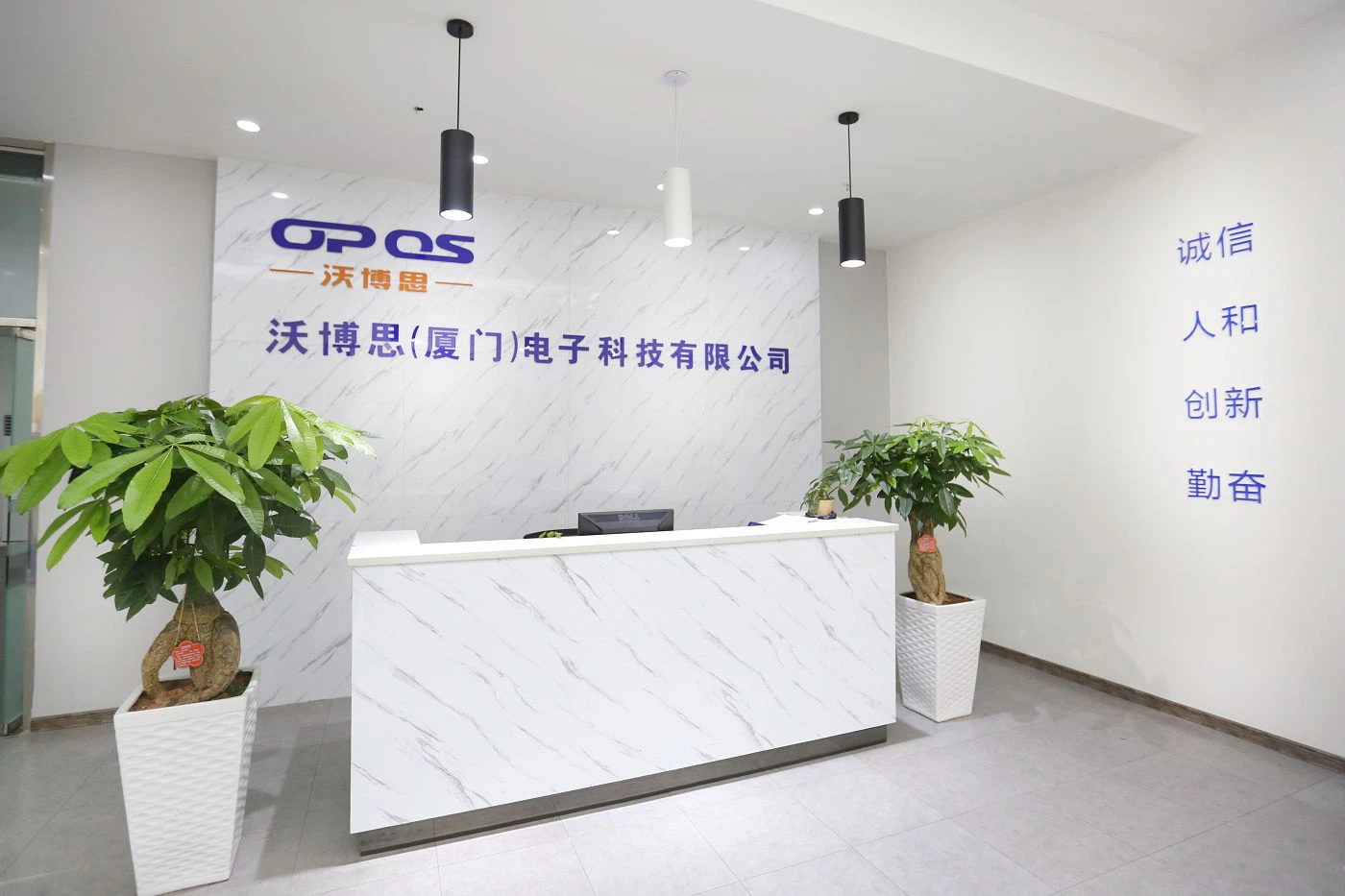
Established in 2005 in Xiamen, Fujian Province, China, OPOS (Xiamen) Electronic Technology Co., Ltd. stands as a pioneer in the domestic printer mechanism sector. We were among the first Chinese enterprises to lead the research, development, and high-volume manufacture of dot matrix and thermal printer mechanism technologies.
As a certified high-tech enterprise, OPOS specializes in the design, development, production, and sale of Thermal Printers, POS printer mechanisms, label/receipt printer mechanisms, dot matrix printer mechanisms, and integrated cutter components.
Our commitment to technical excellence and customer-focused engineering has established us as a trusted partner for global clients seeking reliable micro-printing components and custom ODM/OEM solutions.
The manufacturing facility of OPOS in Xiamen is a prime example of China's Industry 4.0 upgrade. We utilize automated production lines, computer-vision alignment equipment, and real-time Quality Management Systems (QMS) to ensure every thermal printhead and mechanical frame is assembled to precise tolerances.
Our advanced manufacturing capabilities allow us to manage every stage of production in-house: from initial circuit board design and metal stamping to precision gear molding and cleanroom printhead assembly. This complete internal control minimizes manufacturing defects and insulates our customers from global supply chain disruptions.
Technical Focus: How OPOS Achieves Micro-Level Quality Control
Standard thermal resistor arrays are manufactured with precision spacing of 8 dots/mm (203 DPI) or 12 dots/mm (300 DPI). Our automated optical inspection systems check the flatness and positioning of each array down to the micron level. This ensures consistent contact pressure between the printhead and the paper, eliminating faint prints and uneven wear.
Additionally, our environmental test facility subjects new designs to extensive durability runs: operating under high humidity conditions, undergoing thermal shock testing (-20°C to +70°C), and running continuous paper friction tests. This rigorous approach ensures our custom mechanisms perform reliably in any climate or operational environment.
Why leading global companies trust OPOS as their strategic supplier for custom thermal printing components.
We provide full-service OEM and ODM modifications, redesigning mechanisms to meet your specific physical and electrical requirements.
Our dedicated engineering department independently develops our thermal printing algorithms, mechanics, and cutting structures.
Our technical team provides swift, expert assistance to help resolve hardware integration and driver software challenges.
We back our hardware with a solid 12-month warranty, providing replacement parts and deep technical diagnostic support.
A comprehensive overview of our standard hardware designs, built for diverse thermal print formats.
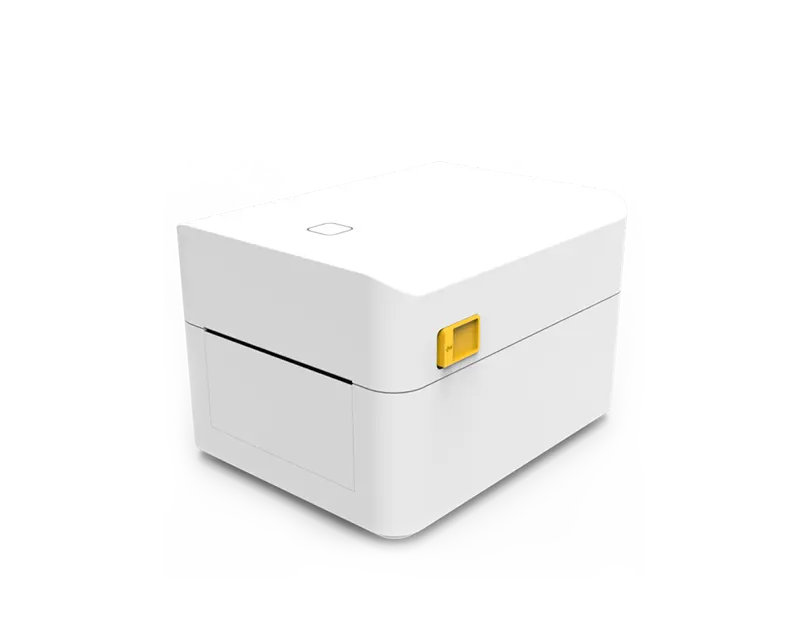


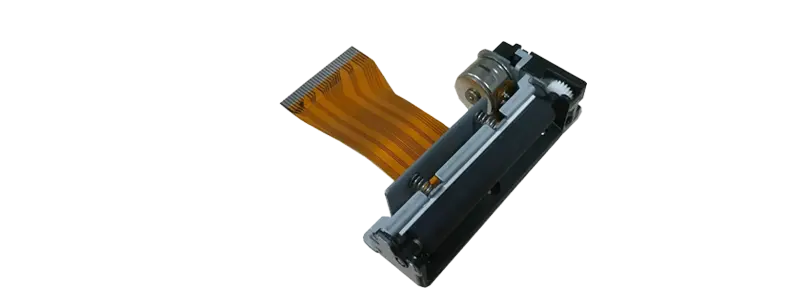
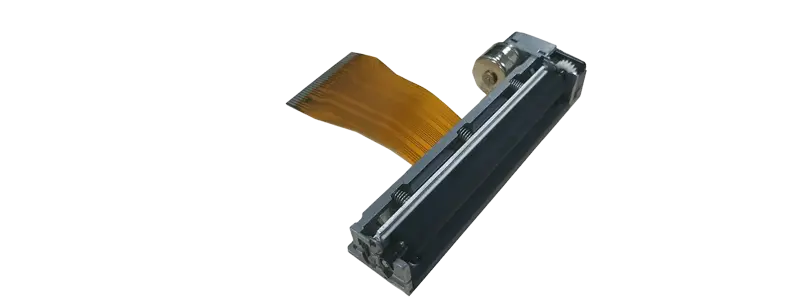
Discover our popular selections, featuring desktop receipt printers, portable labelers, and high-performance mechanism modules.
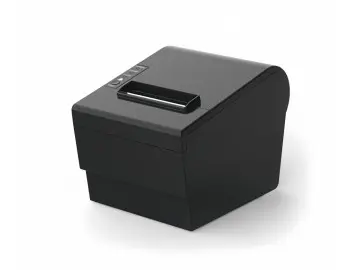
3-inch, 80mm desktop POS thermal printer for receipts, labels, and bill prints. Features a compact footprint.
Read More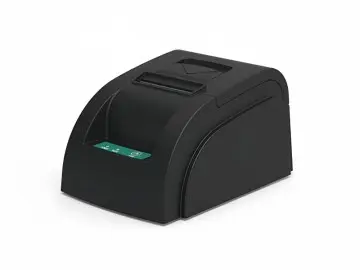
2-inch, 58mm desktop POS thermal printer. Highly recommended for small retail counters and restaurants.
Read More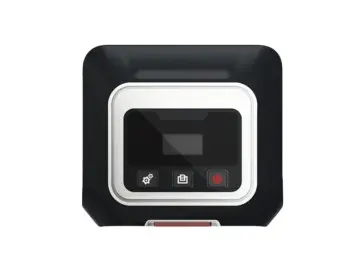
3-inch, 80mm mobile printer, designed to be compact and lightweight for logistics sorting operations.
Read More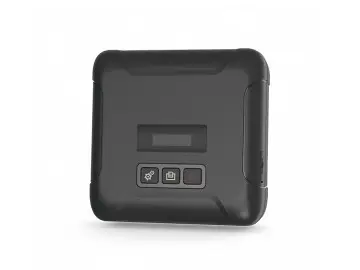
Portable pocket-sized Bluetooth thermal printing module, 3-inch format, ideal for mobile delivery agents.
Read More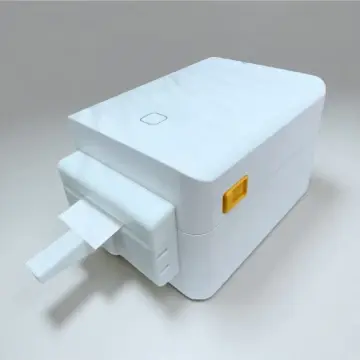
4x6 format, built-in heavy-duty cutter, engineered specifically for environment-friendly linerless labeling media.
Read More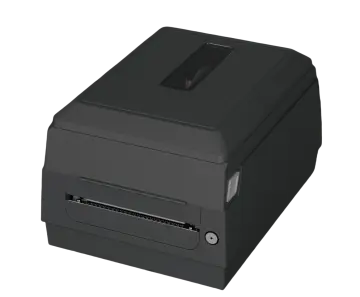
4-inch printing field, utilizes both thermal transfer ribbon and direct thermal media for high-durability labels.
Read MoreOur custom mechanisms are designed to perform reliably across a wide range of demanding industries.





From initial design concept to final mass production, we ensure your specific engineering parameters are met.
We work with your engineering team to define integration requirements, operating voltages, dimensional constraints, and communication interfaces.
Our engineers draft the mechanical design and circuit paths, selecting components that match APS, Seiko, or Fujitsu interface layouts.
We manufacture initial functional prototypes using 3D printing and precise CNC machining, verifying physical tolerances and operational capabilities.
Following prototype approval, we begin production on our automated lines in Xiamen, backed by strict quality inspection protocols.
Every mechanism undergoes automated functional testing, including print path verification, thermal profiling, and protective packaging.
We manage shipping configurations to coordinate with your supply chain, delivering components directly to your assembly plants worldwide.
Stay informed with technical updates and corporate news directly from our R&D facility.
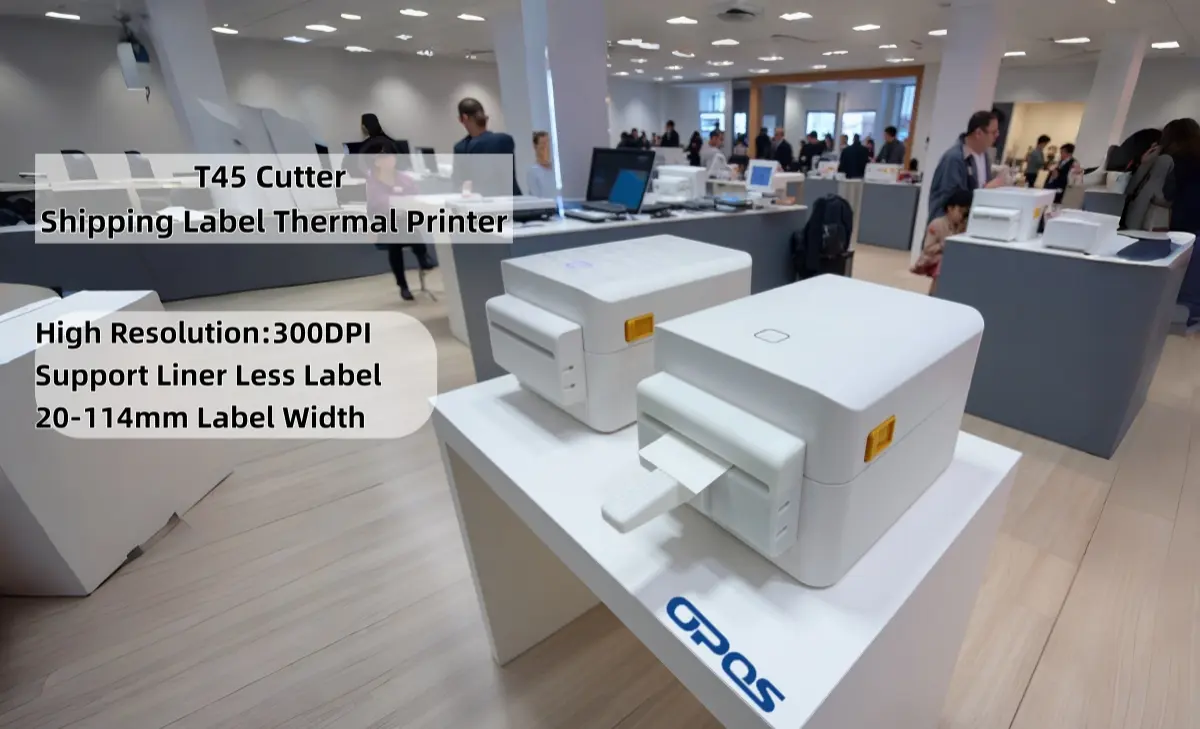
OPOS is excited to announce the development of high-resolution thermal mechanisms designed for barcode applications that require crisp details at small scales.
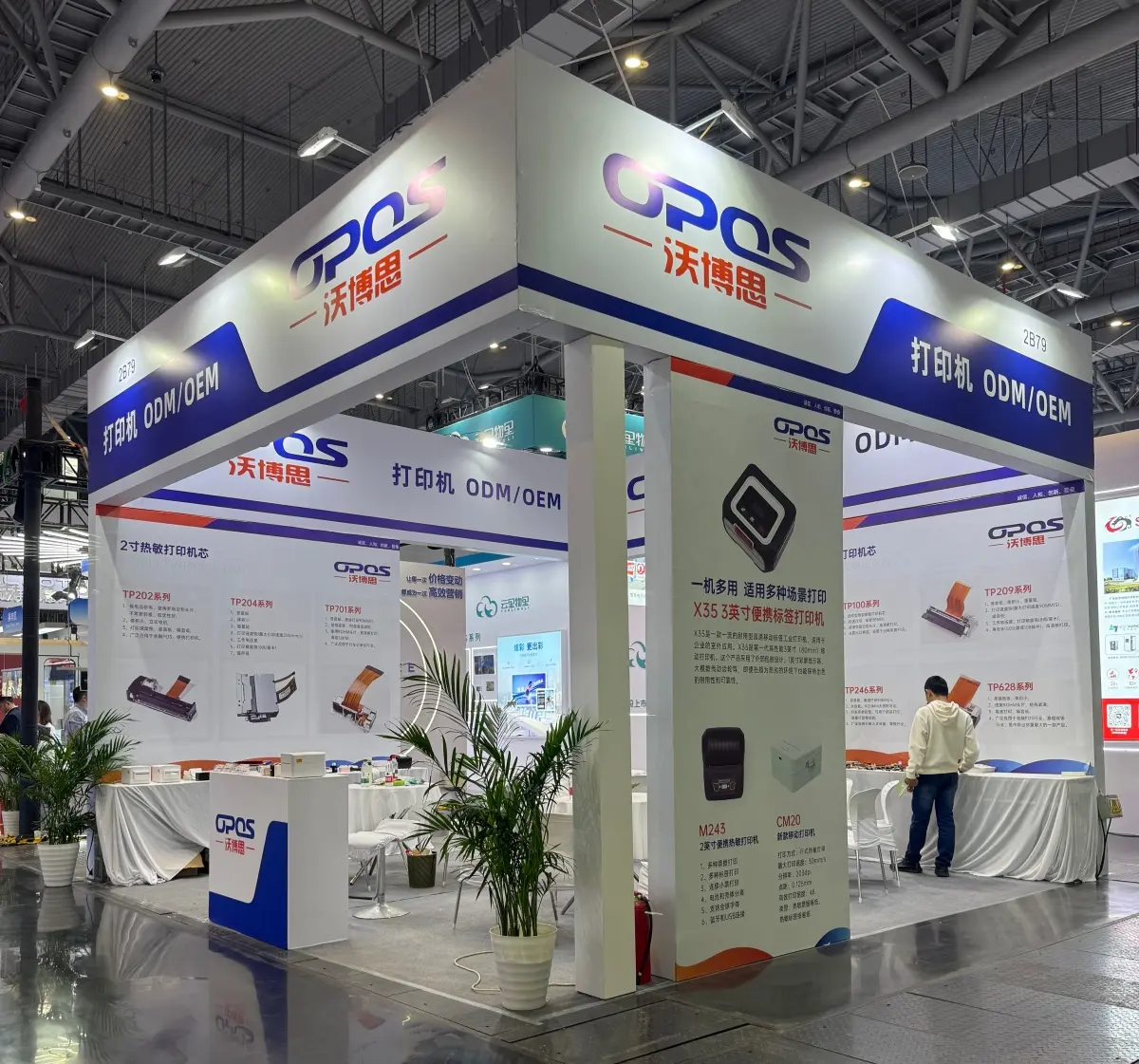
Our team recently presented our latest compact thermal receipt modules and automated cutter integrations at the ChinaShop exhibition.
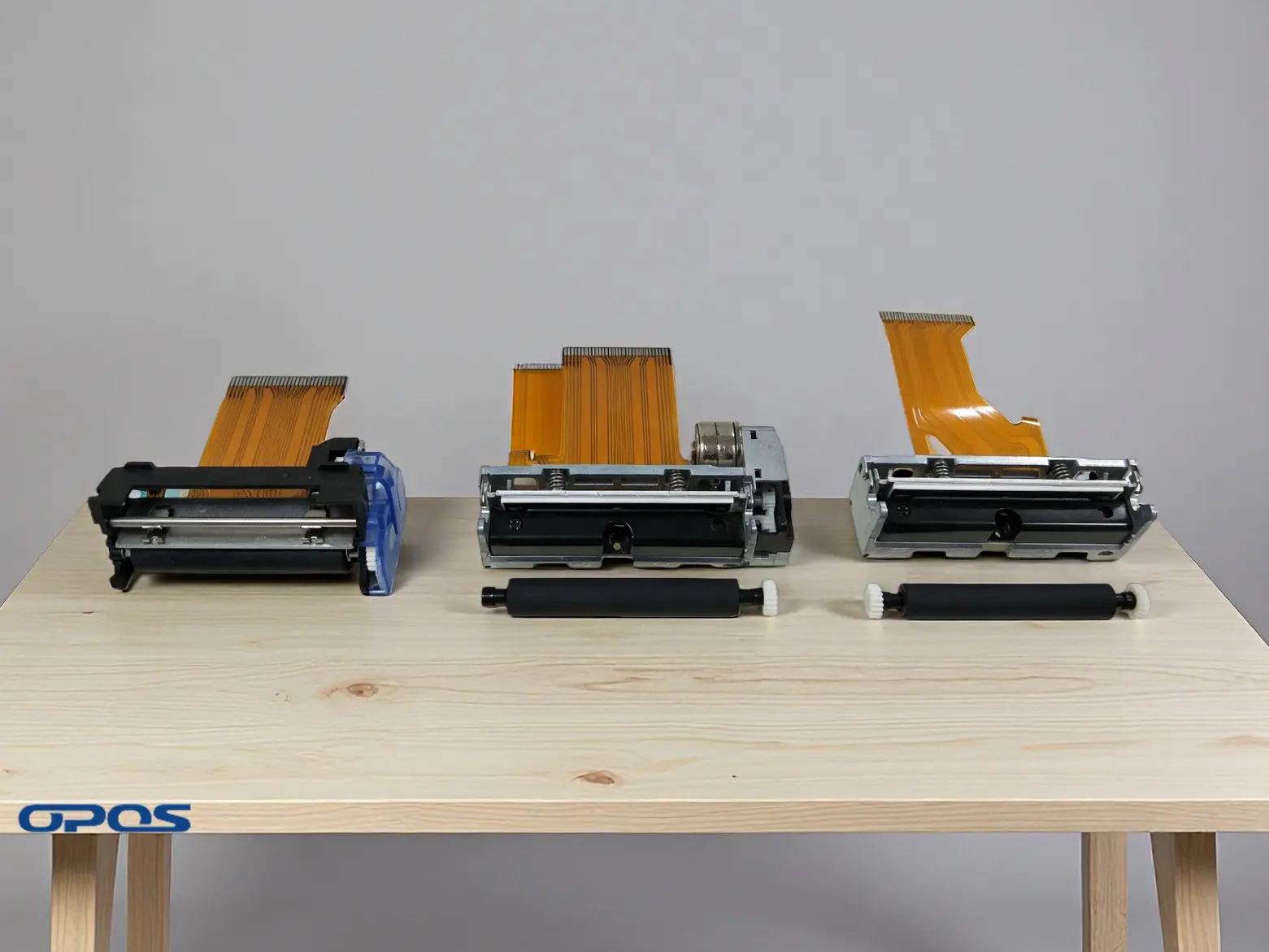
A detailed technical look at how step motor torque, printhead resistance, and mechanical pressure combine to produce clean thermal prints.
Clear, direct answers to common engineering and sourcing questions about custom APS-compatible mechanisms.
Compatibility is determined by the physical mounting layout, the FFC ribbon cable pinout configuration (typically covering the thermistor, stepper motor connections, and printhead dots), operating voltage, and structural features like the platen roller release path.
Lower resistance printheads draw higher currents, which can increase print density but shorten battery life. OPOS offers customizable heating element resistances to balance print quality and battery life for portable devices.
Yes, we offer mechanisms configured with specialized non-stick platen rollers and custom-coated blades designed to handle the adhesive of linerless media without clogging.
For custom ODM/OEM designs, prototype samples are generally delivered within 3-4 weeks. Once approved, mass production runs are completed in 4-6 weeks, depending on the order volume.
Explore our highly compatible component series, offering reliable drop-in replacements for standard APS, Fujitsu, and Seiko formats.
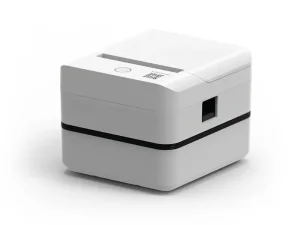
Portable sticker labeler with durable outer housing, optimized for mobile inventory management.
Read More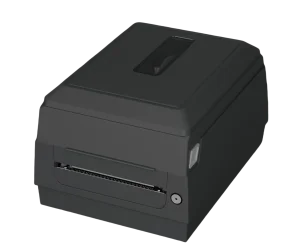
Industrial-grade desktop system built for high-throughput printing of transport and shipping barcodes.
Read More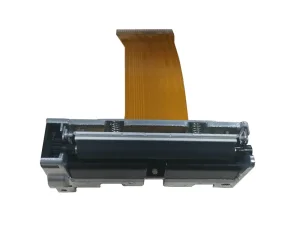
Direct alternative to Fujitsu FTP-628MCL701 mechanisms, featuring a heavy-duty frame and easy-loading design.
Read More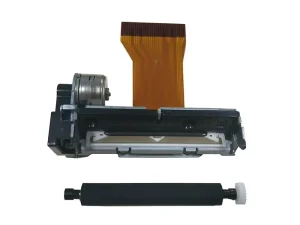
Fully compatible alternative to the Seiko LTPZ245D series, designed for portable medical and industrial instruments.
Read More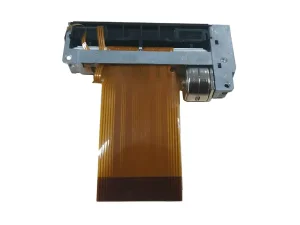
Drop-in replacement for Fujitsu FTP-628MCL103 models, providing reliable paper feed mechanics.
Read More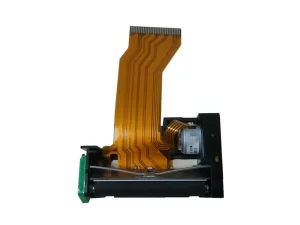
Highly reliable replacement for standard APS MP208-HS mechanisms, engineered for mobile POS terminals.
Read More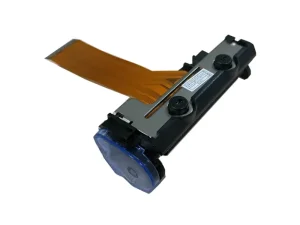
Low-voltage mechanism compatible with APS SS205-LV, designed for battery-efficient performance.
Read More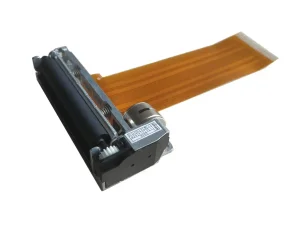
High-precision micro mechanical print engine compatible with the Fujitsu FTP-628MCL101 series.
Read More