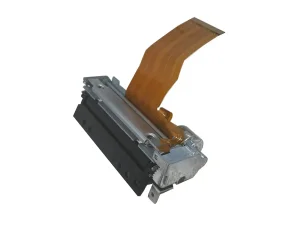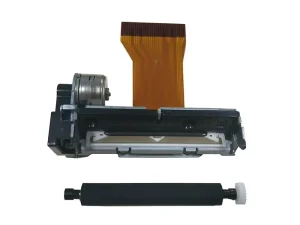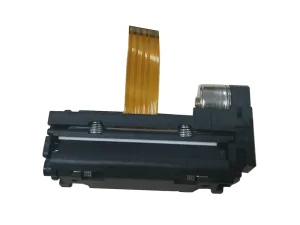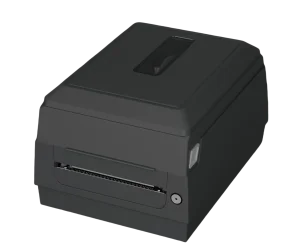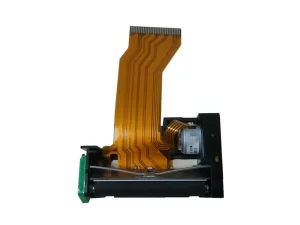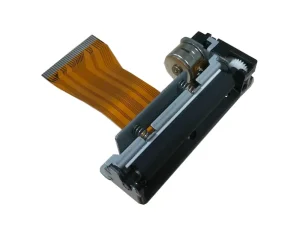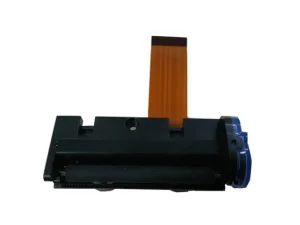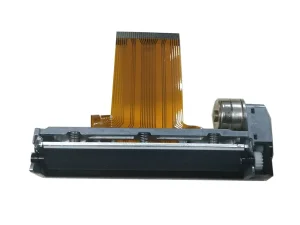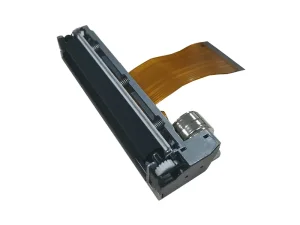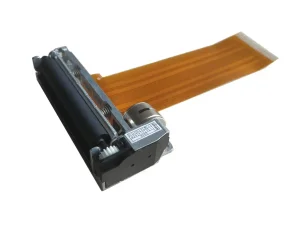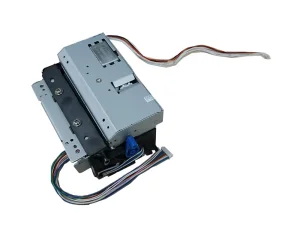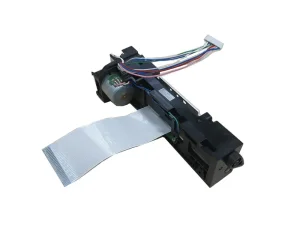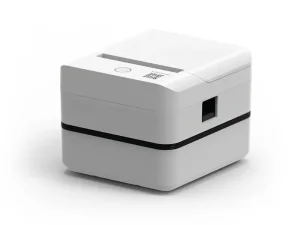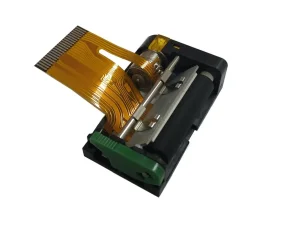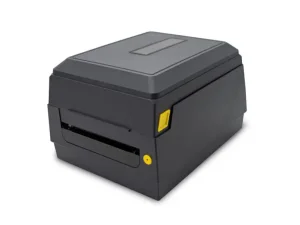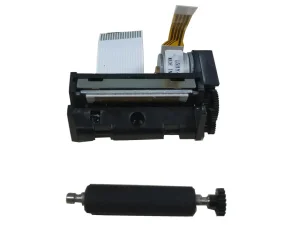
Explore our premium 2-inch mechanism lineups and desktop direct thermal configurations.
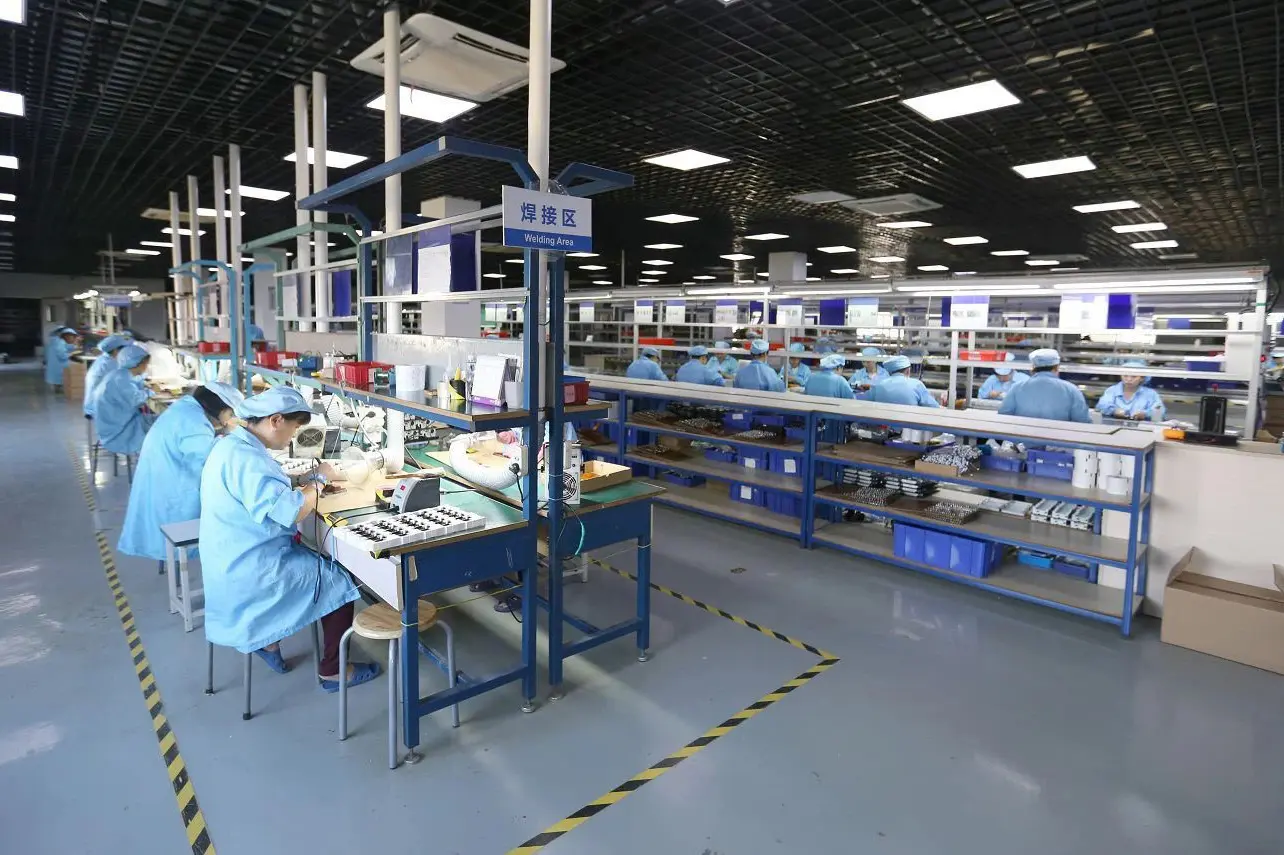
Established in 2005 in Xiamen, Fujian Province, China, OPOS Electronic Technology stands as a pioneer in the design, development, and manufacturing of professional micro-printing technology. We are recognized as one of the earliest domestic factories focused on dot-matrix and thermal printer mechanism research.
Today, our specialized, high-tech enterprise produces a comprehensive portfolio of Direct Thermal Printers, Mobile POS Printer Mechanisms, Label/Receipt Printer Components, and High-Performance Auto-Cutters. Serving system integrators and global brands, we bridge raw engineering excellence with scalable hardware deployment.
Explore our targeted product categories for specialized POS, retail, and mobile applications.
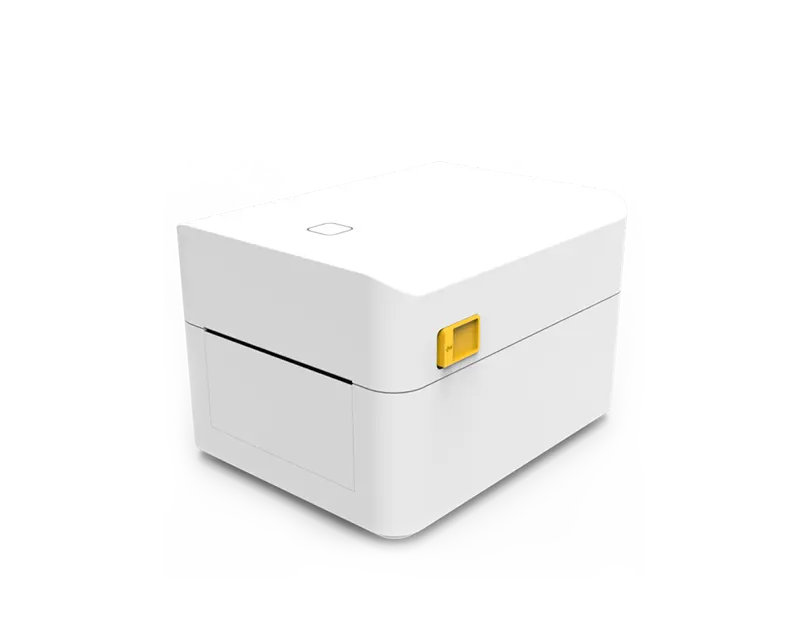
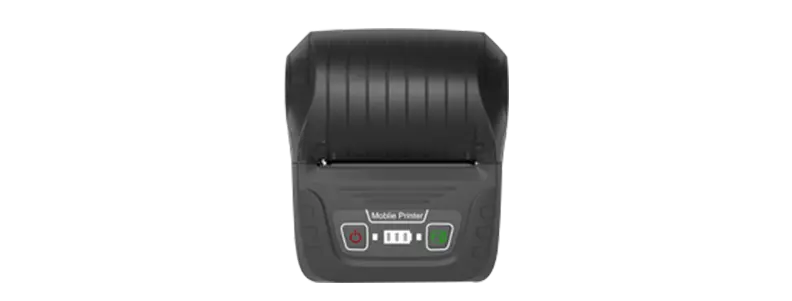

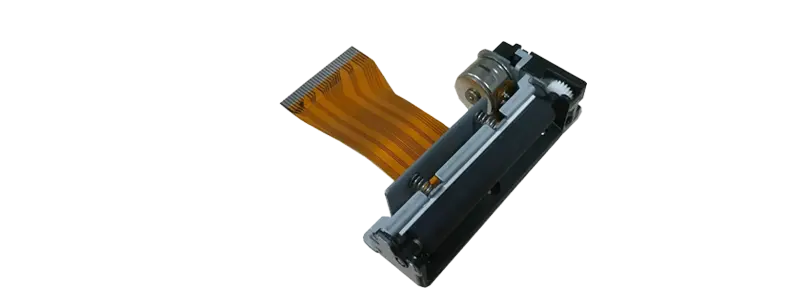
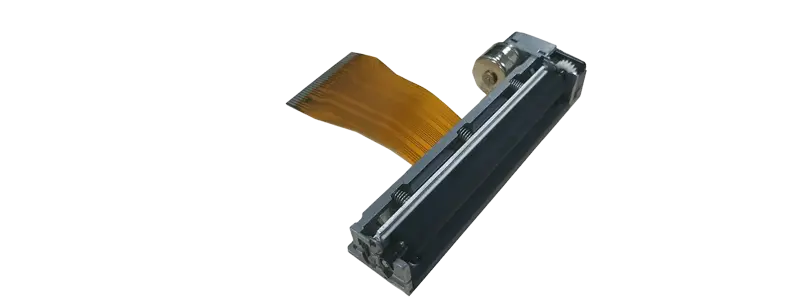
Global procurement specialists face critical technical tradeoffs when sourcing micro-printing hardware for self-service terminals, medical devices, and retail POS systems. The 58mm (2-inch) thermal printing architecture has emerged as the global standard for compact transaction logging and receipt generation. Its popularity lies in the optimal balance between physical footprint, readability, and thermal efficiency.
Integrating a 58mm mechanism requires precise attention to electrical characteristics, physical mounting alignment, and controller compatibility. As a specialized OEM/ODM manufacturer, OPOS ensures our printing mechanisms conform to standardized international dimensions. This enables plug-and-play compatibility with classic Japanese industry models, such as the Seiko LTPD245, LTPZ245, Fujitsu FTP-628, and FTP-638 series.
When sourcing custom 58mm printer mechanisms, key design parameters include print density (typically 8 dots/mm or 203 DPI), operational voltage ranges (specifically low-power 4.2V–8.5V variants for mobile terminals, or dedicated 24V units for high-speed POS), and maximum mechanical lifetime. Understanding these variables reduces engineering cycles and safeguards field operations.
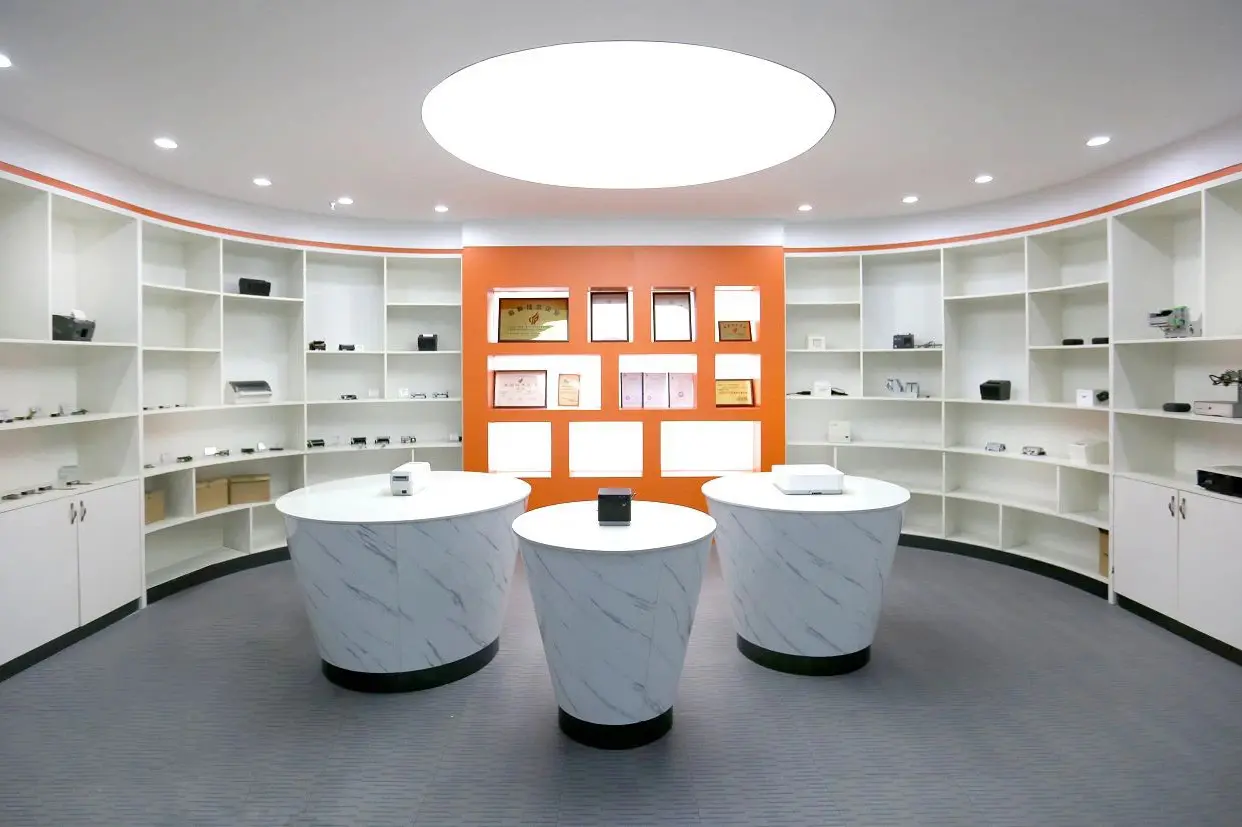
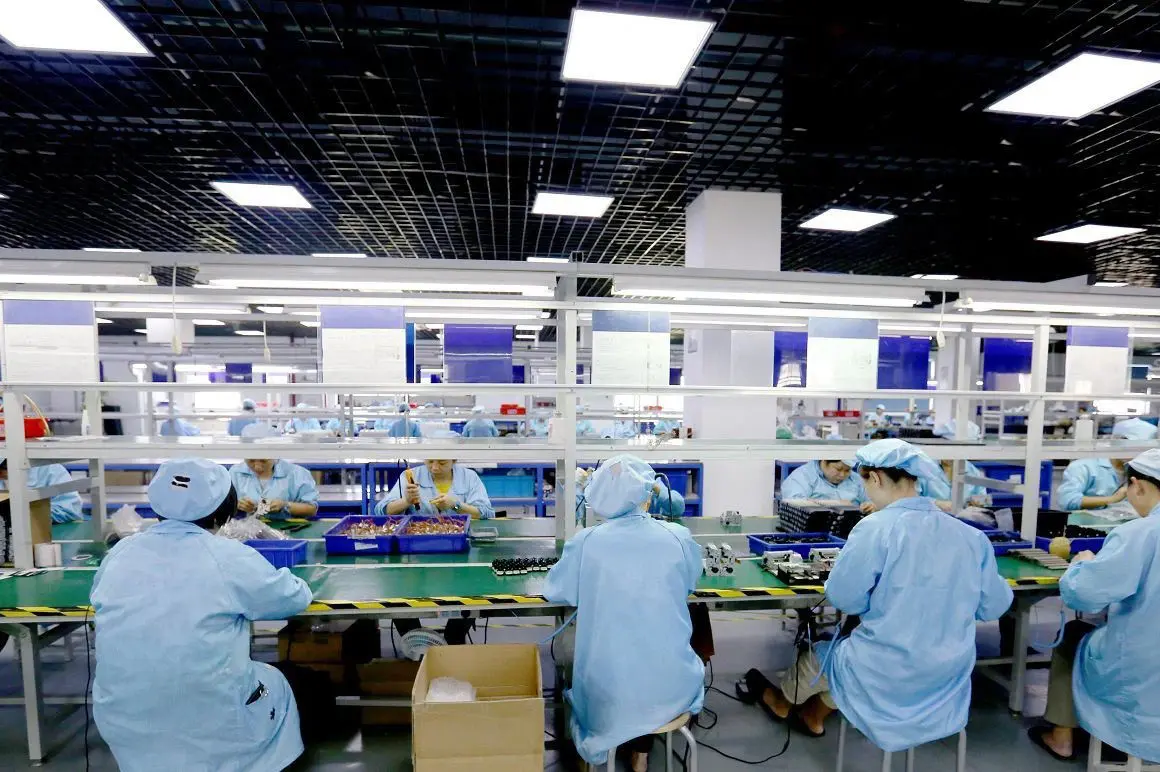
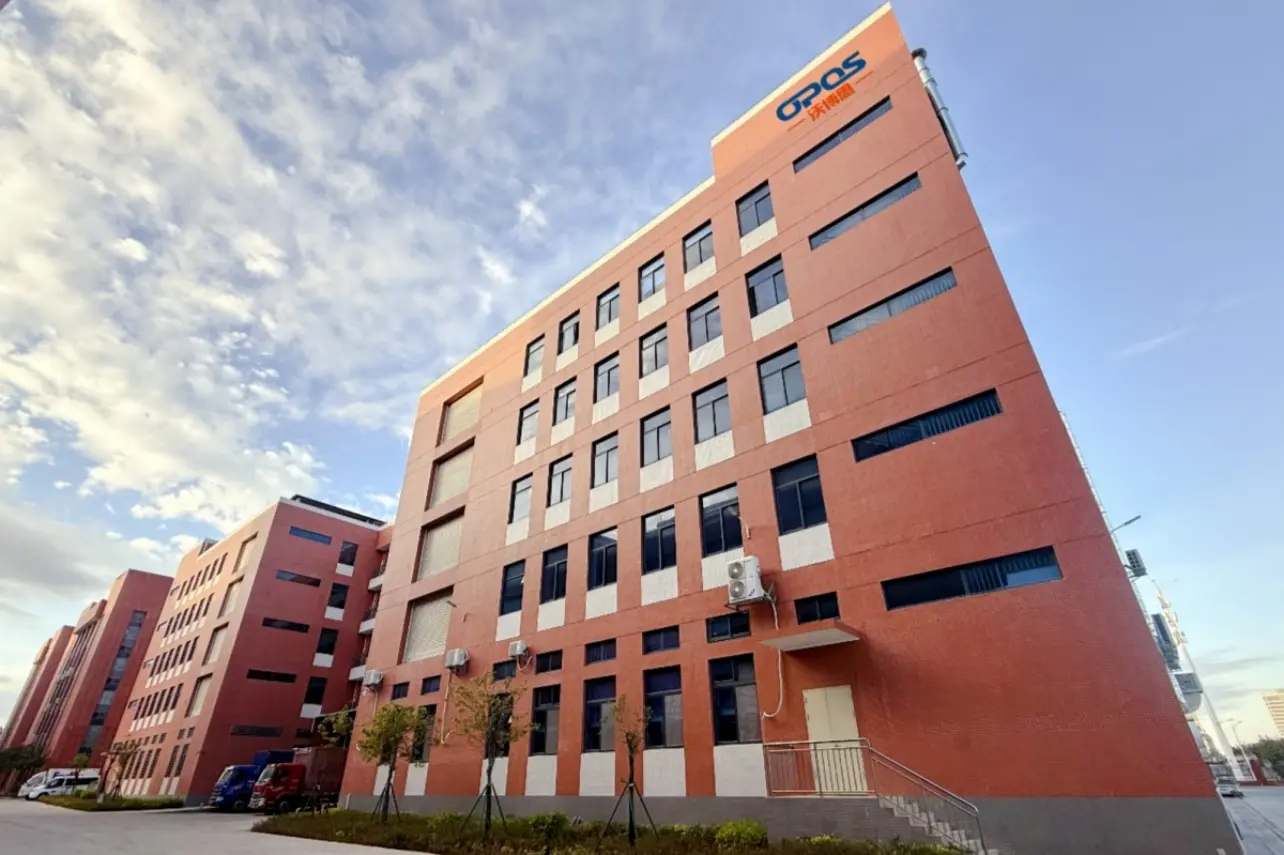
Partnering with a specialized Chinese exporter like OPOS (Xiamen) offers significant advantages beyond basic manufacturing cost reduction. The Southeast coast of China, particularly Xiamen, hosts a highly developed micro-electronics cluster. This geographic concentration gives us direct access to high-grade steel, precision stepper motor components, and advanced SMT capabilities, streamlining the entire production pipeline.
Our raw material procurement is managed under strict ISO9001:2015 protocols. This guarantees component consistency and prevents common thermal printer issues, such as thermal head mismatch, premature abrasion of gear assemblies, and voltage fluctuations. Our vertically integrated production model covers everything from metal stamping and injection molding to final optical and electrical testing.
Additionally, keeping design and engineering under one roof allows us to pivot rapidly. Whether adjusting a PCB layout for alternative connectivity options (like dual-mode Bluetooth or Wi-Fi) or modifying mounting brackets for specific kiosk configurations, our in-house engineering team shortens prototype turnarounds from months to weeks.
Deploying thermal printing hardware across borders requires compliance with local environmental regulations and system architectures. OPOS units are designed to meet the strict standards required for global distribution, carrying certifications such as CE, FCC, RoHS, and REACH. This regulatory compliance is critical for enterprise buyers who must guarantee eco-design standards and toxic-substance-free hardware across their networks.
Beyond physical compliance, software localization is a major factor in international deployment. Modern transaction processing systems require versatile print controllers capable of processing complex international character sets. Our control boards support standard multi-language code pages, including UTF-8, traditional/simplified Chinese, Cyrillic, Greek, Hebrew, Arabic, and diverse Asian character sets.
To support software engineers during deployment, OPOS provides robust SDKs for Android, iOS, Windows, and Linux. This enables easy integration of our desktop and mobile printers into cloud POS apps, mobile inventory software, and automated warehousing systems, minimizing system latency and ensuring plug-and-play reliability.
The thermal printing industry is shifting toward connected, intelligent, and environmentally friendly systems. The standard serial/USB interface is quickly evolving into an IoT-connected model where printers act as active nodes within distributed networks. This transition is visible in our latest cloud-enabled direct thermal mechanisms, which allow web services to send print payloads directly without a host computer.
Sustainability is another major force reshaping the industry. Direct thermal systems are inherently cleaner than ribbon-based thermal transfer models because they eliminate consumables like ink or ribbons. To further reduce waste, OPOS is developing linerless media mechanisms. These systems allow users to print variable-length labels without silicone backing paper, reducing material waste and carbon footprints across logistics and warehousing workflows.
Additionally, modern systems prioritize low-voltage efficiency. Through advancements in thermal head resistance control, our latest printer mechanisms operate with reduced energy consumption. This extends battery cycles for portable devices and helps lower overall electricity usage in large-scale retail configurations.
Why leading global enterprises partner with OPOS for custom micro-printing hardware.
We provide tailored branding, mechanical housing modifications, and customized PCB assemblies to match your application requirements.
Our engineers drive product development from schematic design and firmware optimization to tool fabrication and commercial validation.
Our technical team assists with code-page alignment, mechanical integration, and troubleshooting to keep your projects on track.
Every product is backed by a 12-month quality warranty, comprehensive technical documentation, and spare parts support.
OPOS print technology is used across global industries, ensuring reliable transaction logging in challenging conditions.





From initial design concepts to final batch delivery, we ensure quality control at every phase.


Stay informed with the latest technological developments, exhibition reports, and guides from our engineering team.
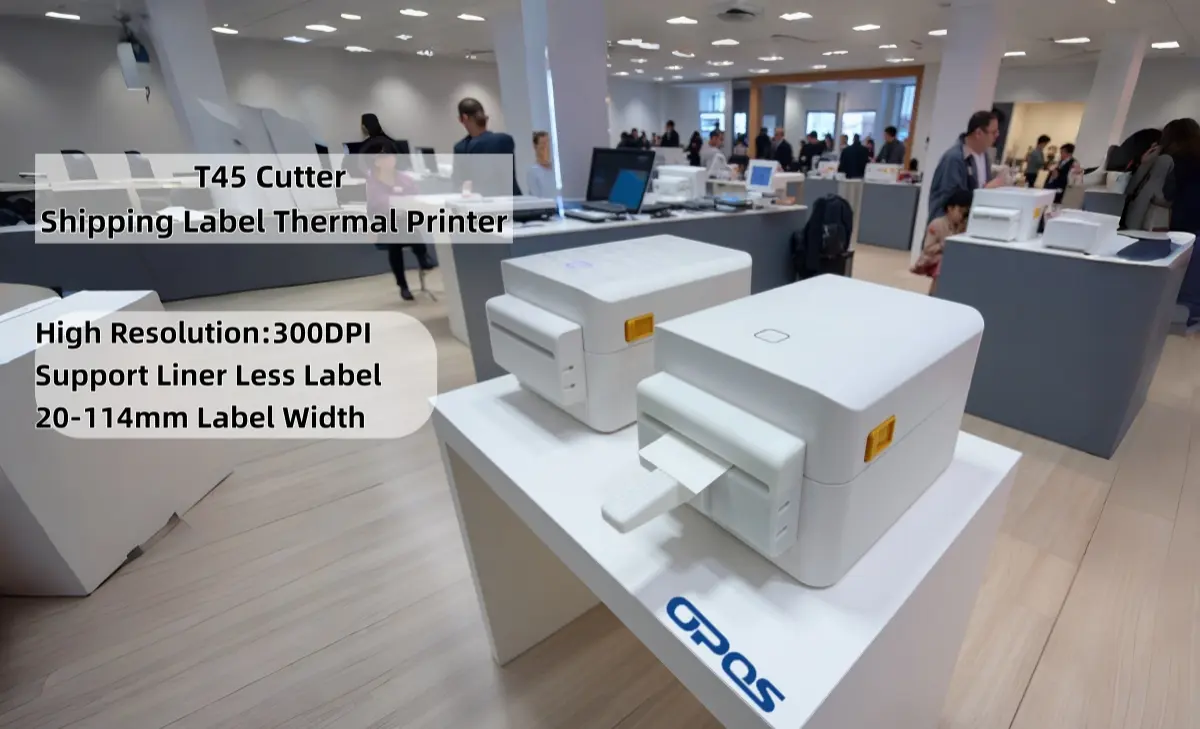
Xiamen OPOS Printer has released its newest direct thermal mechanism series, designed for high-throughput commercial and industrial applications.
Read Article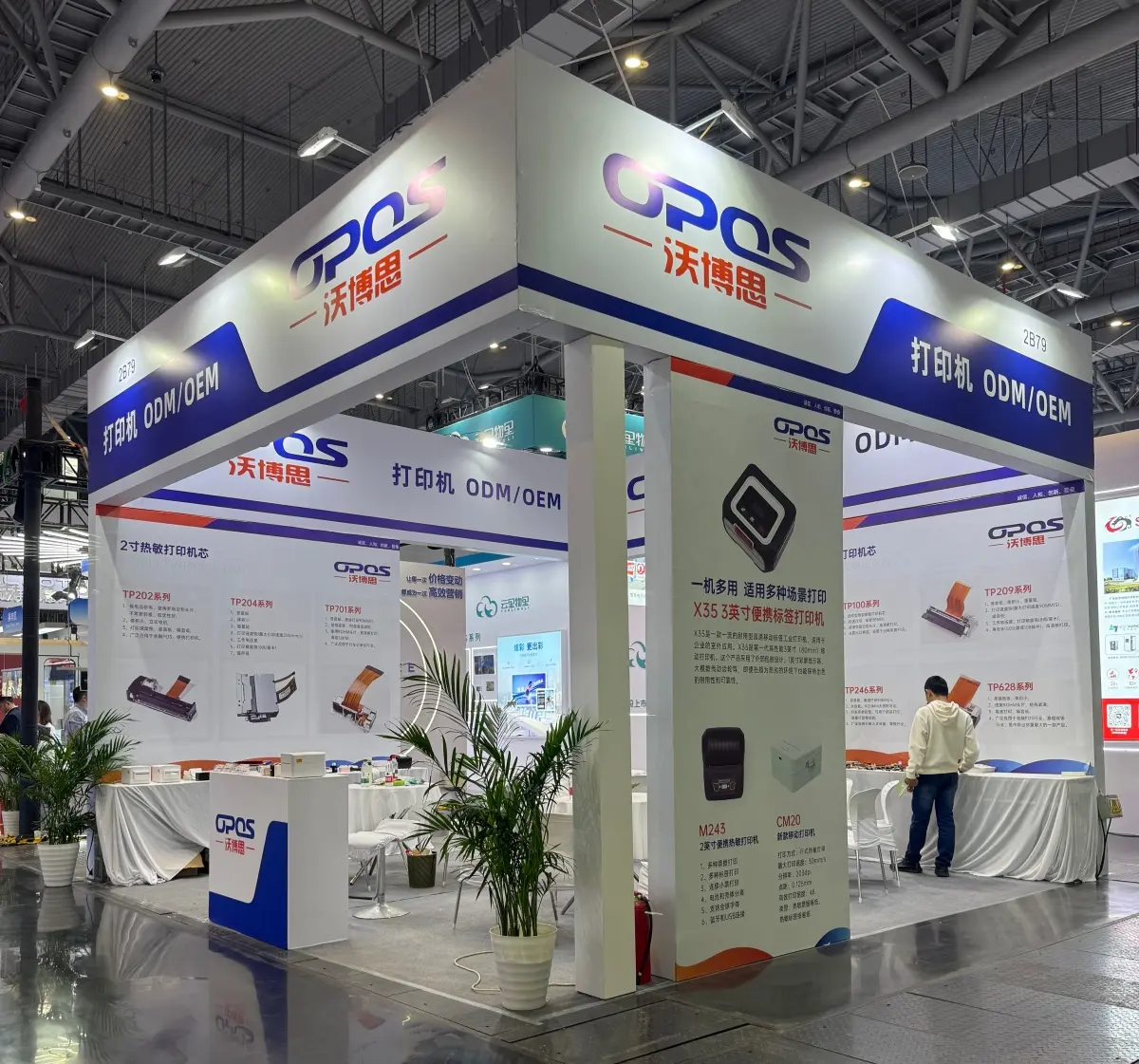
We showcased our upcoming line of smart mobile printers and low-voltage POS mechanisms at this year's Chinashop exhibition.
Read Article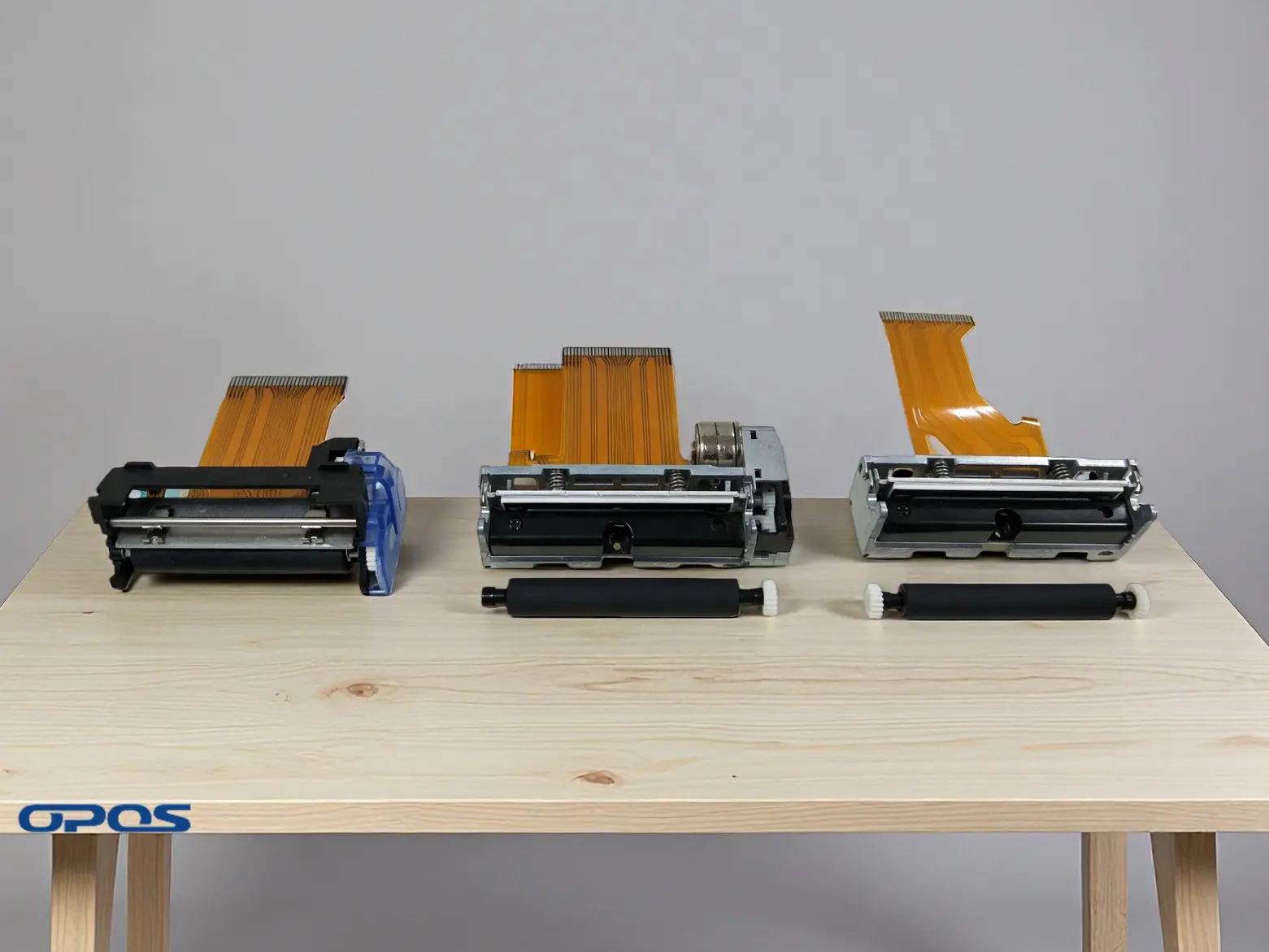
A technical guide detailing the core components of thermal printheads, stepper motors, and sensor arrays for system engineers.
Read ArticleCommon questions from hardware integration and procurement teams regarding our thermal printer mechanisms.
Yes. Our mechanisms are engineered to be structurally and electrically compatible with major industry standards, including Seiko (LTPD/LTPZ series) and Fujitsu (FTP series) models. We provide detailed pinout and structural layout comparison sheets upon request to assist with integration.
We design custom control boards supporting USB, Serial (RS232), Ethernet, Bluetooth (BLE 5.0), and Wi-Fi interfaces. We also provide SDKs for Android, iOS, Windows, and Linux to help shorten software development timelines.
Our standard 58mm printer mechanisms are designed to print at least 50 km to 100 km of media (depending on paper quality and environment) and are rated for 100 million pulses. Auto-cutters are tested to exceed 1 million cuts.
Yes. Through our OEM/ODM program, we provide full structural customization. This includes custom sheet metal brackets, custom injection-molded casings, and specialized cable harnesses tailored to fit specific self-service kiosks, medical systems, or vehicle dashboards.
Explore our industrial mechanisms, portable label units, and high-performance desktop options.