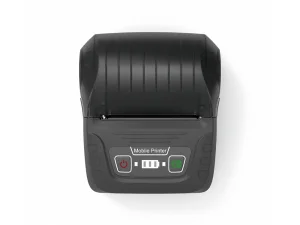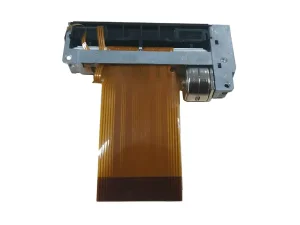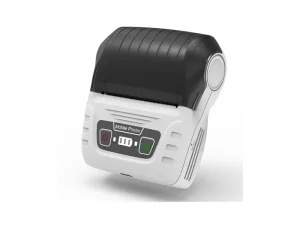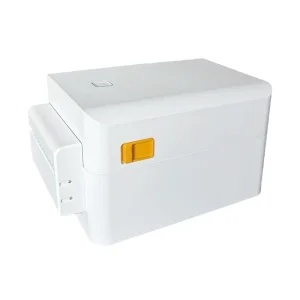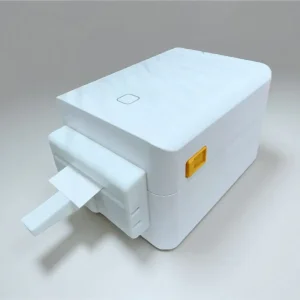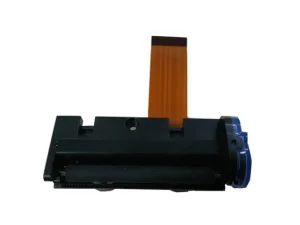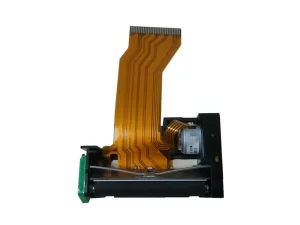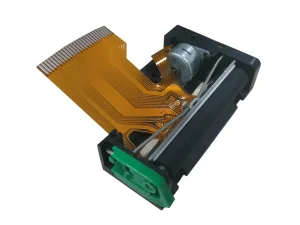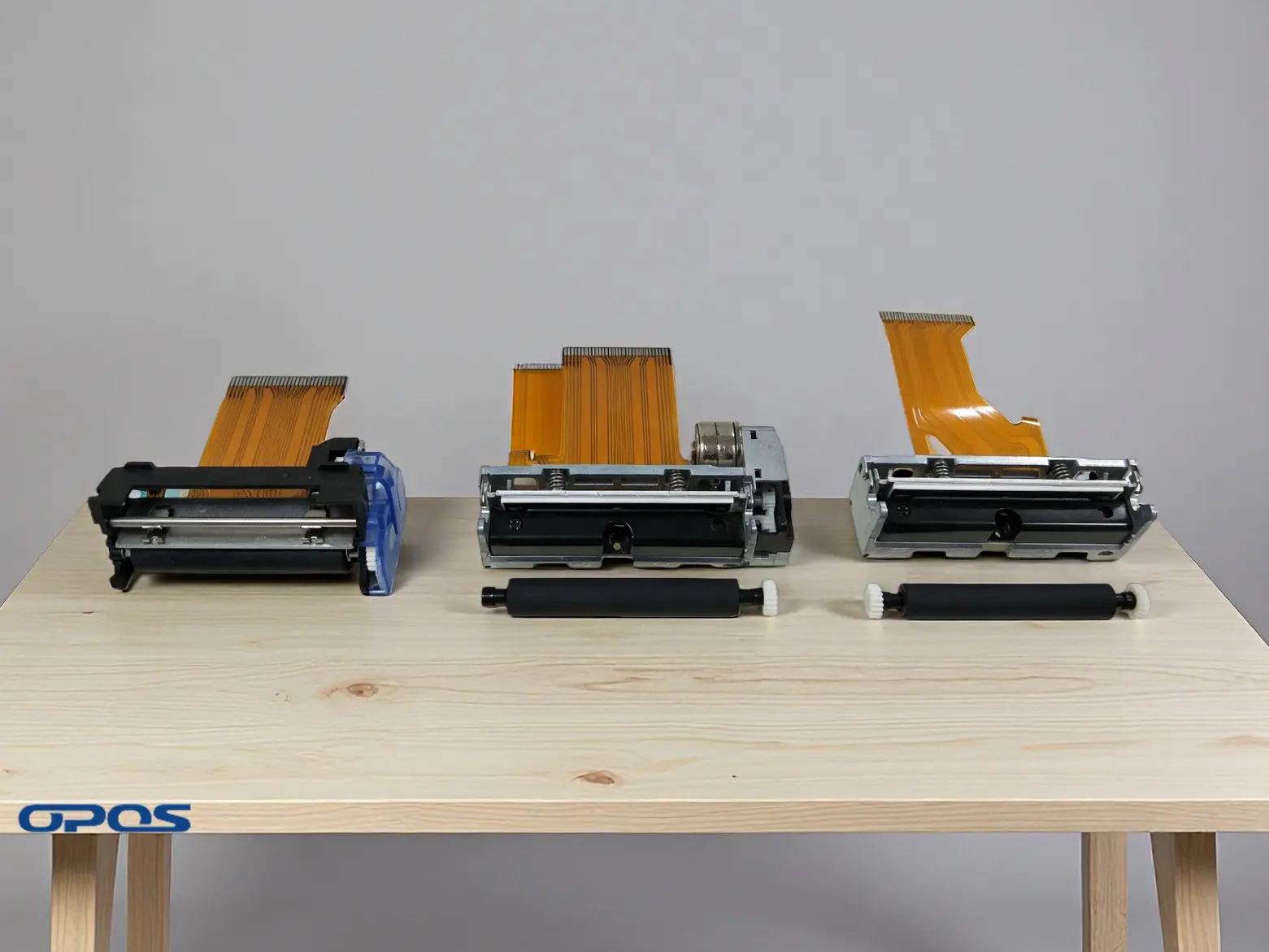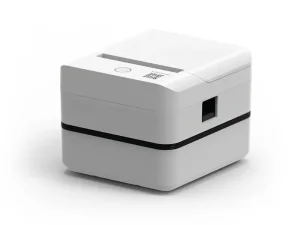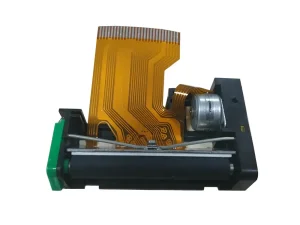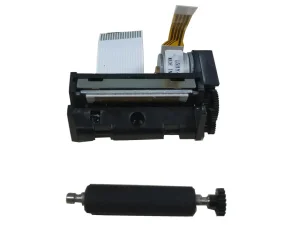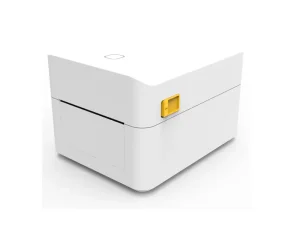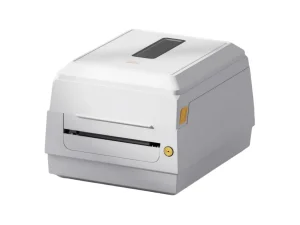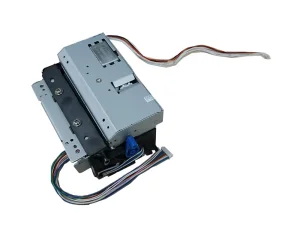
Engineered for direct drop-in integration, high duty-cycles, and precise tactile execution.
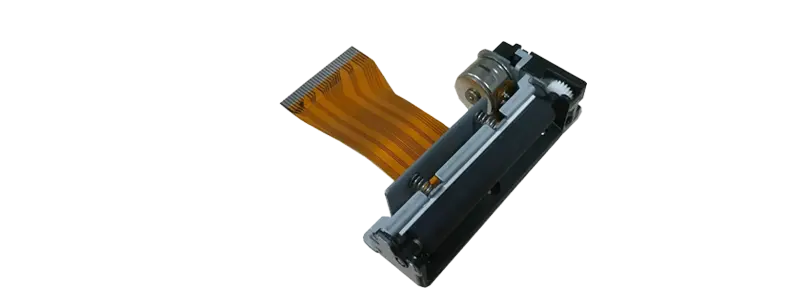
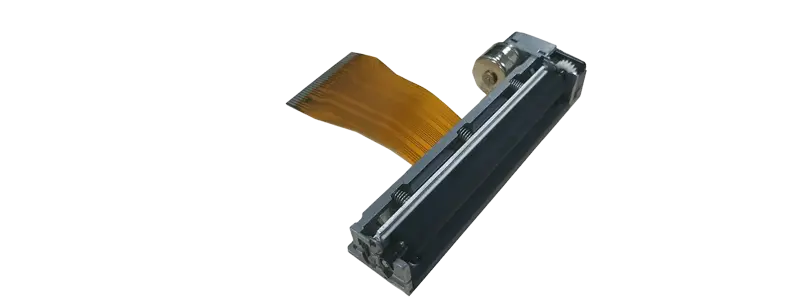
In the rapidly expanding IoT and digital transaction landscape, the reliability of micro-printing engines has become a pivotal point for operational hardware execution. The term "2-inch thermal printer mechanism" refers to the core electromechanical component responsible for producing physical transactions, tickets, receipts, and labels. Operating on a standardized 58mm paper width configuration, this component is the unsung workhorse within modern point-of-sale systems, medical monitoring devices, portable data terminals, and banking kiosks.
Our customized mechanisms are engineered to deliver premium drop-in replacement solutions for international benchmarks including Seiko, Fujitsu, APS, and Epson models. By integrating high-efficiency thermal printheads, low-noise high-torque stepper motors, and precision-molded gearboxes, we ensure that B2B product developers can source high-caliber components without encountering supply chain blockades or performance degradation.
Whether your engineering team requires specific custom logic boards (FPCs), alternative mounting brackets, or enhanced voltage input curves for battery-dependent field equipment, OPOS has the direct manufacturing capability to fulfill high-integrity ODM requests.
Explore OEM/ODM CapacitiesA deep commitment to quality, high volume scaling, and collaborative research and development.
Understanding the technical parameters that dictate reliability, longevity, and print output excellence.
The longevity of a 2-inch thermal printer mechanism hinges on the synergy between its primary constituent components. A detailed look at the anatomy reveals three critical systems that undergo optimization in our factory: the Thermal Print Head (TPH), the Stepper Motor Gear Train, and the Feedback/Sensor arrays. Through precise material science and mechanical calibration, our mechanisms sustain high-duty operating speeds (up to 150 mm/s) while preserving clean, readable contrast vectors.
| Performance Metric | Standard Baseline Target | OPOS Custom High-Performance Range | Critical Engineering Significance |
|---|---|---|---|
| Printing Width | 48 mm (Typical 2-inch configuration) | Customizable (32 mm to 54 mm physical paths) | Accommodates localized receipt margins and custom housings. |
| Dot Density | 8 dots/mm (203 DPI) | 8 dots/mm to 12 dots/mm (High-resolution options) | Determines barcode crispness and 2D QR-code scannability. |
| Operating Voltage | 4.2V - 8.5V DC (Logistics/Retail) | 3.3V - 24V DC Wide range inputs | Matches low-voltage portable batteries up to mains-power kiosks. |
| Pulse Life (Abrasion resistance) | 50 km of continuous feed | Up to 100 km / 150 million pulses | Minimizes device down-time and field service requirements. |
| Temperature Sensing | Thermistor control limits | Smart thermal profiling integrated on FPC board | Protects print head from burn-outs under long print queues. |
Discover where our high-reliability 2-inch thermal print engines solve critical real-world challenges.
Modern fast-food and retail counters experience intense transaction cycles. Our mechanisms ensure silent, rapid receipt output with integrated auto-cutters to withstand peak checkout demands without jam cycles.
For mobile delivery workers and courier dispatchers, high-performance battery efficiency is vital. Our low-voltage mechanisms print shipping stickers and tracking labels reliably under variable climate conditions.
Critical care units rely on silent, precise printing of patient vital signs and telemetry reports. Our micro-mechanisms provide clear diagnostic traces on medical thermal rolls, guaranteeing clinical compliance.

Established in 2005 in Xiamen, Fujian Province, China, OPOS (Xiamen) Electronic Technology Co., Ltd. has grown to become a reliable supplier of high-tech printing mechanisms. Specializing in thermal printer assemblies, POS printer components, mobile receipt engines, and integrated auto-cutters, we leverage advanced machinery to supply international markets.
By owning the research cycle, tooling fabrication, injection molding, and assembly line testing, our team delivers high compatibility with top global brands. This localized control translates to rapid prototyping cycles, predictable wholesale pricing, and stringent compliance control for B2B developers.
From conceptual logic integration to global shipping, we ensure consistency at every stage.
Our expert engineers assess your technical requirements, checking electrical inputs, FPC orientation, and mechanical compatibility.
We develop dedicated mechanical drawings and circuit schemes tailored to your specific application environment.
A physical prototype run is scheduled. Devices undergo rigorous print quality, noise, and duty cycle testing.
High-precision automated cleanrooms produce components with consistency under ISO9001 guidelines.
Final batch verification checks alignment and connection resistance. Components are packed to withstand international transit.
Components are delivered according to your timeline, supported by our ongoing global engineering assistance program.
Exploring the shifts towards green printing, automated cutting, and intelligent diagnostic features.
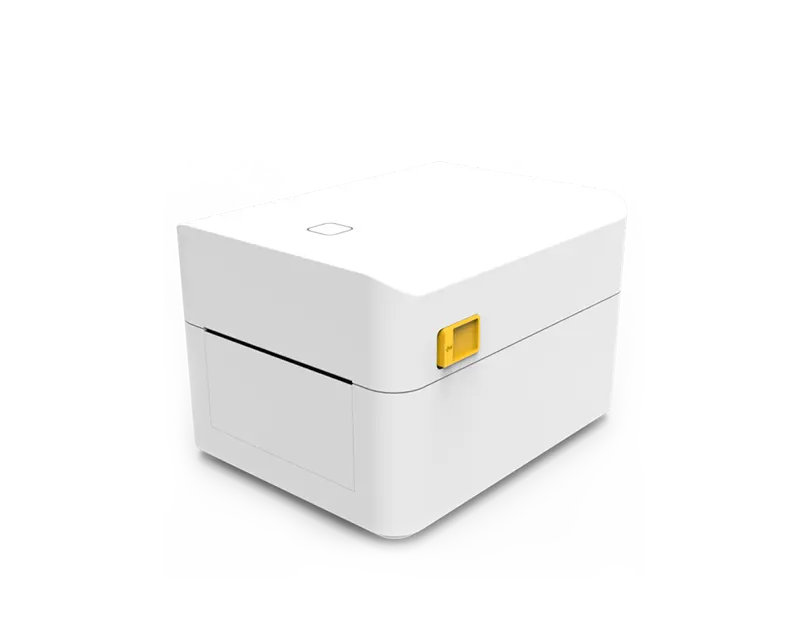
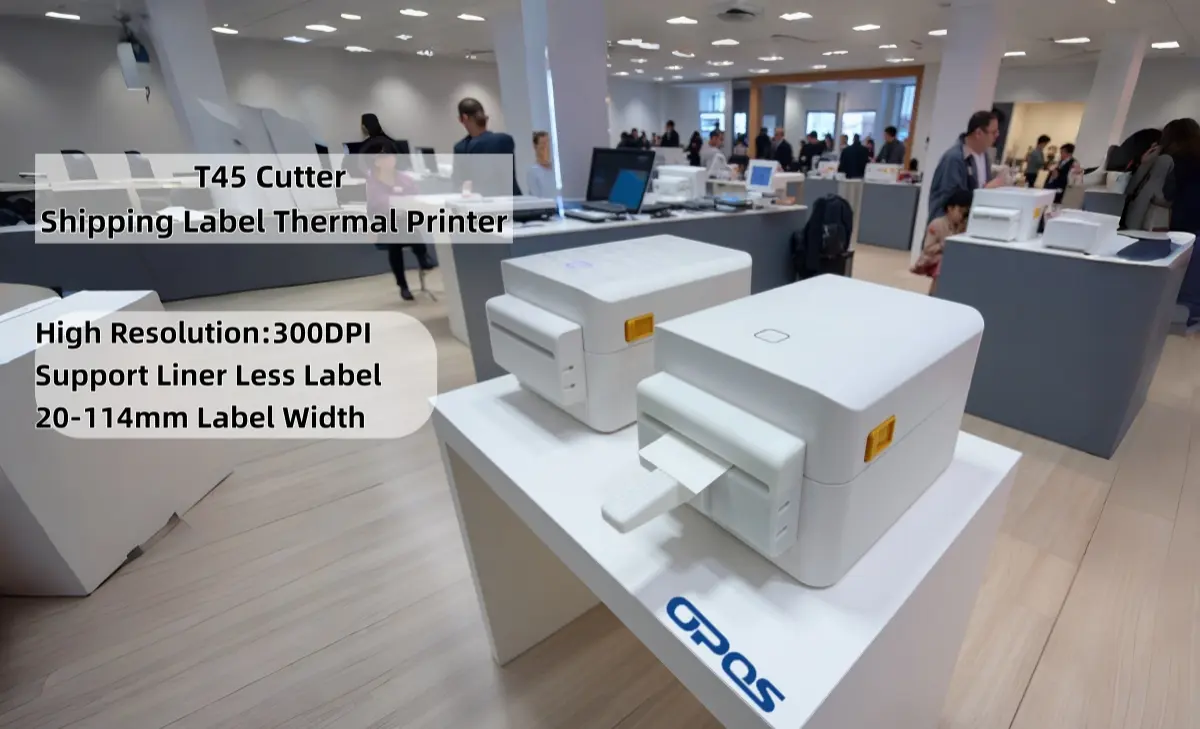
The global micro-printing market is shifting rapidly due to changing environmental regulations and the rising popularity of contactless payments. A key driver is the demand for linerless printing support. Traditional thermal labels generate substantial silicone-backed liner waste, which is difficult to recycle. By optimizing the platen rollers and non-stick paths within our 2-inch mechanism series (such as the T45 and associated assemblies), we allow logistics companies to feed linerless paper directly. This development reduces spatial transport requirements and eliminates industrial waste.
Concurrently, predictive maintenance interfaces are becoming standard. Rather than waiting for a thermal printhead to fail during peak operation, modern firmware tracks the cumulative electrical current passing through the thermal elements. This diagnostic data helps identify signs of deterioration, enabling preemptive replacements and preventing unscheduled operational downtime.
By utilizing advanced ceramic protective glazes over the print elements, our latest generation mechanisms are more resistant to dust and particulate build-up. This adaptation is crucial for outdoor parking meters, ticket dispensers, and harsh industrial environments.
Explore the breadth of our dedicated micro-printing catalog.
Stay updated with structural updates, factory releases, and technical breakdowns from our research lab.
OPOS engineering breaks boundaries with our latest high-density micro-resistive array. This mechanism improves QR-code scan speeds by 25% under varied ambient conditions, especially in portable receipt devices.
Read Technical Spec →Showing our deep ODM integration kits to smart kiosk designers. Highlights include our drop-in compatible mechanical blocks that replace standard Seiko and Fujitsu configurations.
View Event Highlights →An essential engineering analysis of the electromechanical relationships between motor torque, platen roller friction, and driver IC wave signals.
Review Analysis →Detailed technical answers to help design engineers configure their system integration projects.
Engineered for intense operations, ticket terminals, kiosks, and high-volume operations.