
Top 10 Things to Know About How Thermal Printers Work?

Time:2026-07-11 Author:Madeline
0%

Thermal printers have revolutionized the way we create printed materials. Understanding "Cómo Funciona Una Impresora Térmica" requires exploring their mechanics and applications. Renowned expert in printing technology, Dr. Elena Martinez, states, “Thermal printers are more than just tools; they are a bridge between digital data and tangible output.” Her perspective emphasizes their importance in today’s digital world.

Thermal printing technology operates on a straightforward principle. It uses heat to transfer ink onto paper. This process is efficient and reduces waste. However, challenges exist. For example, improper heat settings can lead to faded prints. Users must pay attention to printer maintenance to ensure quality outputs.

Moreover, the versatility of thermal printers is striking. They are utilized in various industries, from retail to healthcare. Yet, not all thermal printers are created equal. The quality of materials used can significantly affect performance. Understanding these nuances aids in making informed choices. Embracing this knowledge enhances both productivity and efficiency in diverse applications.
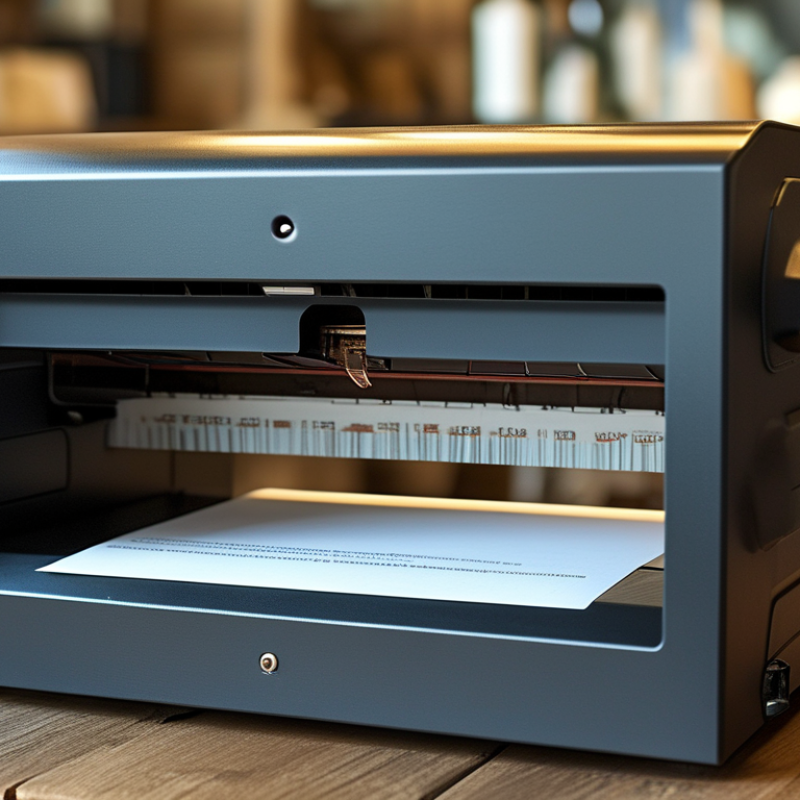
Top 10 Things to Know About How Thermal Printers Work?

Understanding the Basics of Thermal Printing Technology

Thermal printing technology is widely used for its efficiency and simplicity. This method involves using heat to transfer ink onto paper. It is commonly found in label printers and point-of-sale systems. Understanding how it works provides insight into its advantages and limitations.

In thermal printers, heat-sensitive paper reacts to heat applied by the printer's elements. When the print head heats up, it creates an image on the paper. This process is usually faster than traditional printing. One tip: always use the correct type of thermal paper. Using the wrong kind can result in poor-quality prints.

Thermal printing has its downsides too. The prints can fade over time, especially if exposed to heat or sunlight. Regular maintenance is crucial. Clean the print head regularly to enhance print quality. Another tip is to keep the printer away from direct heat sources to prolong the life of both the printer and the thermal media.

Top 10 Things to Know About How Thermal Printers Work

Dimension Details
Printing Method Utilizes heat to transfer ink onto paper
Types of Thermal Printing Direct thermal and thermal transfer
Components Print head, platen roller, and media
Heat Application Heat is applied only to specific areas of the paper
Speed Faster than traditional printing methods
Image Quality Sharp, clear images with high contrast
Media Types Thermal paper, labels, and tags
Maintenance Minimal maintenance required, but print heads need cleaning
Applications Used in retail, logistics, and medical sectors
Cost Efficiency Lower operational costs compared to ink-based printers

Key Components of Thermal Printers and Their Functions

Thermal printers operate using a simple yet effective mechanism. At their core, the essential components include the print head, thermal paper, and control circuit. The print head contains tiny heating elements. When these elements heat up, they activate specific areas of the thermal paper, creating the desired images or text. This process is often praised for being fast and low-maintenance.

Data suggests that around 60% of businesses prefer thermal printers for their reliability and efficiency. Thermal paper is coated with heat-sensitive materials, making it crucial for the printing process. Interestingly, the longevity and quality of thermal paper can vary significantly. Poor quality paper can lead to faded prints and increased waste. Moreover, the control circuit directs the timing and intensity of the heating elements. An unreliable circuit may result in inconsistent printing quality.

Understanding these components is essential for optimizing thermal printer performance. Regular maintenance helps prolong the life of the print head but can be neglected. Users often overlook the impact of environmental factors such as humidity and temperature on print quality. Failing to consider these aspects may lead to suboptimal results. The interplay between these elements defines the overall effectiveness of thermal printed outputs and their usefulness in various industries.

Types of Thermal Printing: Direct vs. Thermal Transfer

Thermal printing technology has two primary types: direct thermal printing and thermal transfer printing. Each method serves different needs in various industries. In direct thermal printing, the print head applies heat directly to heat-sensitive paper. This creates images without any ink or ribbon. This method is commonly used for receipts and labels. However, images produced this way are susceptible to fading over time, particularly when exposed to heat or sunlight.

On the other hand, thermal transfer printing uses a ribbon coated with wax or resin. The heated print head transfers ink from this ribbon onto the substrate. This results in more durable and higher-quality prints. According to industry reports, thermal transfer printers are preferred for applications requiring long-lasting labels, like product barcodes or asset tracking. Yet, this method does come with its own drawbacks. The cost of ribbon can add up, making it less economical for high-volume prints.

Both methods have their merits. Selecting the right type depends on specific requirements, such as print durability and environmental conditions. It's essential to evaluate your printing needs before making a decision. Understanding these differences can help streamline operations, but many overlook the longevity versus cost balance.

Heat-Activated Process: How Images Are Created on Materials

Thermal printers operate based on a heat-activated process that transforms images onto various materials. This innovative technology uses heat to create images, often on thermal paper. The process begins when the printer's thermal head heats specific areas of the paper. This heat activates the heat-sensitive coating, yielding an image corresponding to the pattern produced by the thermal elements.

Recent industry reports indicate that thermal printers are widely used in retail and logistics. Approximately 80% of receipts in stores are printed using thermal technology. This efficiency allows quick, reliable printing, essential in busy environments. However, there are limitations. The durability of thermal prints may suffer as they can fade when exposed to heat and light. Thus, the longevity of printed materials remains a consideration for businesses.

Understanding thermal printing technology is crucial for making informed choices. Users should assess the durability of their printed materials based on their needs. Different applications may require adaptation to various substrates. While thermal printing excels in speed and convenience, evaluating its limitations is necessary for optimal performance in specific use cases.

Understanding the Heat-Activated Process of Thermal Printers

Industry Applications of Thermal Printers and Market Trends

Thermal printers have found diverse applications across various industries, demonstrating their importance in modern technology. In retail, these printers create high-quality receipts and labels quickly, enhancing customer experience. According to a report by Market Research Future, the global thermal printer market is projected to reach USD 5.32 billion by 2028, reflecting a steady growth rate of 6.9%. This growth is driven by increasing demand in the e-commerce sector, where efficient labeling is essential.

In the healthcare field, thermal printers play a critical role in patient management. They are commonly used for printing wristbands and medication labels. A study by Research and Markets highlights that the healthcare segment accounts for over 20% of thermal printer usage. This statistic shows the reliance on accurate and clear printing in supporting patient safety and reducing errors. However, there are concerns regarding the environmental impact of thermal printing processes. The chemicals used can raise sustainability issues, prompting industries to seek eco-friendly alternatives.

Logistics companies also benefit from thermal printers, using them for shipping labels and tracking barcodes. The need for fast and reliable printing is crucial in supply chain management. Yet, many companies struggle to balance speed with print quality. Improving this aspect is essential for maintaining customer satisfaction. The evolving trends indicate a shift toward integrated systems that combine thermal printing with other technologies, but challenges remain. Addressing these issues will be key for industries to maximize efficiency while ensuring sustainability.

FAQS

: What is thermal printing technology?

: Thermal printing technology uses heat to transfer ink onto paper. It is efficient and simple.

What are the main components of a thermal printer?

Key components include the print head, thermal paper, and control circuit. Each plays a significant role.

How does a thermal printer create images?

The print head heats specific areas of heat-sensitive paper. This activation creates the desired images or text.

What is direct thermal printing?

In direct thermal printing, heat is applied directly to heat-sensitive paper. This method often fades over time.

What is thermal transfer printing?

Thermal transfer printing uses a ribbon to transfer ink onto the substrate. It produces more durable prints.

What are the maintenance tips for thermal printers?

Regularly clean the print head and keep the printer away from heat. This prolongs printer life.

Why is the quality of thermal paper important?

Poor quality thermal paper can lead to faded prints and waste. Always choose high-quality paper for best results.

What factors can affect print quality?

Humidity and temperature can impact print quality. These environmental elements are often overlooked.

Which thermal printing method is more economical for high-volume prints?

Direct thermal printing might be more economical since it doesn't require ribbons, but it has durability issues.

How can users determine the right thermal printing type?

Evaluate your printing needs based on print durability and environmental conditions when selecting a method.

Conclusion

Thermal printing technology operates on a few essential principles and components that define its functionality. Key to understanding "Cómo Funciona Una Impresora Térmica" is recognizing the difference between direct thermal printing and thermal transfer printing. In direct thermal printing, heat is applied directly to special heat-sensitive materials, creating images without the need for inks or toners. In contrast, thermal transfer printing uses a ribbon coated with wax or resin, which is heated and transferred onto the material.

The heat-activated process involved in both methods enables precise image creation, making thermal printers a popular choice across various industries, including retail, logistics, and healthcare. As market trends evolve, these printers are finding new applications, driven by increased demand for efficient and cost-effective printing solutions in modern business environments.

Madeline

Madeline

Madeline is a dedicated marketing professional with a wealth of expertise in our company's core offerings. With a keen understanding of the industry, she brings a unique perspective to her role, consistently delivering high-quality content that highlights the superior aspects of our products. As......