
In the fast-paced world of business, efficiency is crucial. Thermal printers have become essential tools for companies striving to streamline operations. According to industry expert, John Matthews, “A reliable thermal printer can transform your workflow.” His insights highlight the importance of choosing the right technology.
Thermal printers are known for their speed and quality. They are widely used in various sectors, from retail to logistics. Businesses rely on these devices for printing labels, receipts, and barcodes. Their ability to produce sharp, clear images helps enhance branding efforts. However, not all thermal printers are created equal.
Amidst the growing options, it’s vital to identify what suits your needs. Some models excel in volume while others prioritize portability. Each situation demands a unique printer choice. A wrong decision can lead to inefficiencies and wasted resources. Finding the balance between performance and cost is key in today's competitive landscape.
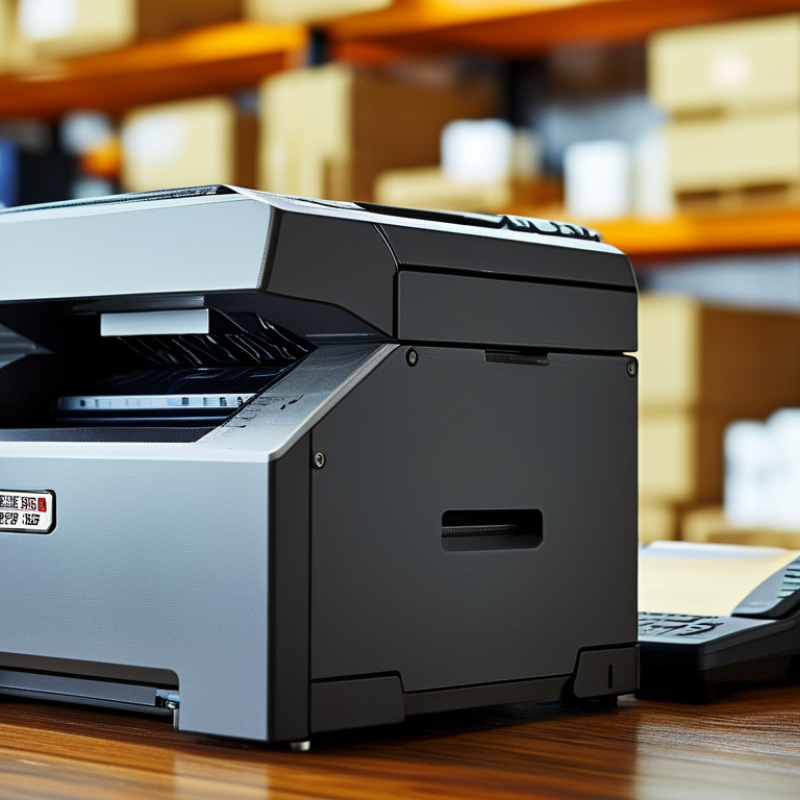
When choosing a thermal printer for business, consider speed and efficiency. Printers that deliver high-resolution images quickly can significantly enhance your workflow. Look for models that boast faster printing speeds without compromising quality. This can save time and improve productivity during peak hours.
Another key feature is connectivity. Modern thermal printers should support USB, Bluetooth, and Wi-Fi. This flexibility allows for seamless integration with various devices, including mobile phones and tablets. However, not all printers offer the same range of connectivity options. Assess your specific requirements to ensure you select a model that meets your operational needs.
Durability is also essential. A reliable thermal printer should withstand daily wear and tear, especially in busy environments. Consider the materials used in construction and whether the printer has a solid warranty. Moreover, maintenance needs can vary; some printers may require more frequent care than others. Being aware of these aspects can help you make a more informed choice.
When evaluating thermal printers, speed and efficiency play crucial roles for business needs. Fast printing speeds can significantly enhance productivity, allowing businesses to handle high volumes without delays. For instance, some printers can produce labels in under two seconds. This capability is essential in environments like warehouses or retail, where time is money.
However, speed isn't everything. It's crucial to consider the reliability of these printers. A rapid printer that frequently jams or produces poor-quality prints wastes time and resources. Businesses must balance speed with high-quality output. Sometimes, the cheaper options may look appealing, but they often compromise on durability and performance.
Efficiency also involves operational costs. High-speed printers usually consume more energy. Evaluating the long-term expenses tied to electricity and supplies is vital. Frequent maintenance needs can also be a red flag. Understanding these factors helps businesses make informed choices. Printing should be seamless, yet the quest for high efficiency can often lead to unforeseen challenges. Companies must be open to revisiting their options regularly to ensure they meet evolving demands.
This chart provides a comparative analysis of the printing speeds of the top 5 thermal printers, showcasing their efficiency for various business needs.
When considering thermal printers for business efficiency, cost-effectiveness is crucial. The initial investment can vary widely. Some models may cost less upfront but require expensive supplies. According to a recent industry report, long-term costs can make a small, cheaper printer more costly in the end. Maintenance and paper quality also play significant roles in these expenses.
Choosing a thermal printer involves assessing total cost of ownership. The American Institute of Graphic Arts estimates that poor printing choices could double operational costs over five years. Don't overlook factors like durability and print speed. Often, spending a little more on a printer can save money and time in the long run.
Tip: Evaluate your printing volume. High-volume environments often benefit from higher-end models that handle wear and tear better.
Another tip: Consider your total supply chain costs. Sometimes, a premium thermal printer has lower running costs due to better efficiency. It is also wise to read user reviews and industry analyses to ensure you make informed choices. Look for printers that offer reliability and warranty support, reflecting their long-term viability.
Thermal printers have become essential tools across various industries. They excel in providing quick and reliable printing solutions in sectors such as retail, logistics, healthcare, and hospitality. In retail, thermal printers are used for creating receipts and price tags. Their efficiency speeds up customer transactions, reducing wait times. Retailers appreciate this technology for its cost-effectiveness and reliability.
In logistics, thermal printers play a crucial role in labeling packages. Accurate labeling ensures smooth operations and reduces error rates during shipping. These printers can handle barcode labels, which are essential for tracking items in warehouses. The high-speed printing capability helps maintain inventory accuracy, which is vital for supply chains.
Healthcare facilities also benefit from thermal printers. They print wristbands for patient identification and labels for medications. Accurate labeling minimizes medication errors, making patient safety a priority. However, reliance on technology can sometimes lead to oversights, underscoring the need for regular checks and balances in printing processes. Users must also keep up with maintenance to ensure reliable performance.
Thermal printing technology has significantly evolved in recent years, catering to the fast-paced demands of modern businesses. Companies are increasingly looking for equipment that enhances efficiency and reduces operational costs. One innovation is the advancement of mobile thermal printers. These devices allow businesses to print receipts and labels on the go, streamlining service and promoting customer satisfaction.
Another trend is the integration of cloud technology. Businesses can now connect thermal printers to cloud services, facilitating real-time updates and securing remote access. This is especially beneficial for inventory management and logistics, where timely information is crucial. While these advancements appear promising, businesses must identify which features are most essential to their specific needs. Investing in complex technologies without understanding their application can lead to waste and frustration.
Additionally, sustainability is becoming a focal point. Many manufacturers are exploring eco-friendly materials and energy-efficient processes in thermal printing. However, adopting greener practices remains a challenge for some businesses due to cost implications. Yet, consumers increasingly favor companies demonstrating commitment to the environment. The industry must balance innovative solutions with practical implementation to meet both business demands and environmental responsibilities.
: Thermal printers are widely used in retail, logistics, healthcare, and hospitality. They enhance printing speed and reliability.
They create receipts and price tags quickly, reducing customer wait times. This efficiency helps improve customer satisfaction.
They ensure accurate labeling of packages, which reduces shipping errors. This accuracy is crucial for maintaining inventory control.
They print patient wristbands and medication labels, minimizing errors. However, regular checks are necessary to avoid potential oversights.
Mobile thermal printers have emerged, allowing on-the-go printing. This helps streamline service and boosts customer experience.
Cloud integration allows real-time updates and remote access. This is especially useful for inventory management and logistics.
Manufacturers are exploring eco-friendly materials and energy-efficient processes. However, cost can be a barrier for some businesses.
Understanding essential features is crucial. Investing in unnecessary complexities can waste resources and lead to frustration.
They must implement innovative solutions while considering environmental impacts. Striking this balance is vital for long-term success.
Regular maintenance ensures reliable performance. Neglecting it can lead to printing errors and disruptions in operations.
In today’s fast-paced business environment, choosing the right thermal printer can greatly enhance operational efficiency. When evaluating thermal printers, it is essential to consider key features such as printing speeds and overall efficiency, which can significantly affect productivity. Additionally, a comparative analysis of initial investment versus long-term operational costs reveals that high-quality thermal printers may offer better value over time despite their upfront costs.
Thermal printers are widely utilized across various industries, including retail, logistics, and healthcare, thanks to their ability to produce clear and durable prints quickly. Furthermore, the latest innovations in thermal printing technology are shaping the future of this sector, introducing trends that focus on improved speed, cost-effectiveness, and environmental sustainability. Understanding these elements can help businesses select the most suitable thermal printer to meet their specific needs and enhance their overall performance.
