
Top 10 Thermal Printer Modules for Your Business Needs?

Time:2026-08-05 Author:Sophia
0%

In today's fast-paced business environment, choosing the right Thermal Printer Module can significantly impact efficiency. Industry expert James Thompson, known for his insights on printing technology, once stated, “The right module can streamline operations and enhance productivity.” His words resonate strongly in a world where operational efficiency is vital.

Thermal printer modules are not just components; they are engines driving business workflows. With the growing demand for high-quality, reliable printing solutions, understanding the various options is crucial. Each module has specific features that cater to different business needs. However, selecting the wrong one can lead to delays and increased costs.

Many businesses overlook essential factors, such as compatibility and speed. It is easy to get overwhelmed by choices and miss out on what truly matters. A thoughtful evaluation of each module's capabilities is necessary. Finding the right Thermal Printer Module requires careful consideration. Business success often hinges on these small but significant decisions.
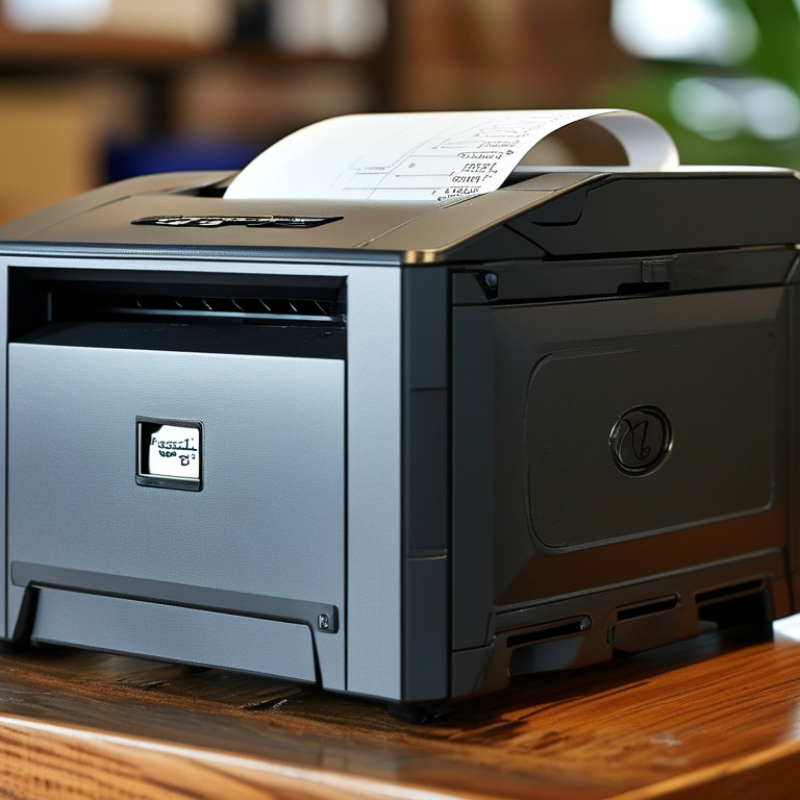
Top 10 Thermal Printer Modules for Your Business Needs?

Understanding the Importance of Thermal Printers in Business Operations

Thermal printers play a crucial role in various business operations. Their efficiency and speed make them highly valued for printing receipts, labels, and invoices. The lack of ink in thermal printing simplifies maintenance. However, the reliability of thermal printouts can be challenged by exposure to heat and sunlight, leading to fading over time.

Many businesses struggle to choose the right printer module. It's essential to assess operational needs and print volume. A mismatch can result in inefficiencies. Companies also need to consider compatibility with existing systems. Enough research can help avoid potential hiccups later. Furthermore, the choice of printing technology should align with business goals for durability and cost-effectiveness.

One surprising aspect is the user experience. While thermal printers are known for speed, some users may find them challenging to operate without proper training. It's a reminder that investing in technology also involves investing in staff training. Understanding how to use these devices effectively can lead to smoother operations and better customer satisfaction.

Key Features to Look for in Thermal Printer Modules for Efficiency

When selecting a thermal printer module for your business, efficiency is key. Look for models that offer fast print speeds. This can significantly boost your operations. A module that prints at least 200 mm per second can handle high-volume tasks effortlessly. Compatibility with various label sizes is another crucial feature. Flexible sizing allows you to adapt to different tasks easily.

Durability is also essential. Opt for printer modules made from robust materials. A rugged design can endure the demands of a busy environment. Additionally, consider features like energy efficiency. Modules that consume less power can reduce operating costs over time. Ensure the thermal printer has easy maintenance options. This is often overlooked but can save valuable time in the long run.

While many modules boast impressive features, user-friendliness is often undervalued. Check if the interface is intuitive. If not, training staff may take longer and lead to errors. Finally, keep an eye on customer service support. Quick and reliable assistance can make a substantial difference during technical issues. Balancing these factors will lead you towards a printer that fits your specific needs.

Top 10 Thermal Printer Modules Comparison

Comparison of Top Brands in Thermal Printer Modules: A Data-Driven Approach

In today’s fast-paced business environment, selecting the right thermal printer module is crucial. A recent industry report indicates that the thermal printing market is projected to grow significantly, with an expected CAGR of 6.9% from 2023 to 2030. This illustrates a surge in businesses seeking efficient printing solutions. When comparing different brands, focus on features such as print speed, connectivity options, and durability.

Consider evaluating key metrics like print resolution and ease of integration. A survey found that 68% of businesses prioritized speed over other features. Many businesses overlook the long-term cost of ownership, which includes maintenance and consumables. This oversight can lead to higher operational expenses.

Tips: Always look for user-friendly interfaces. Employees should find the device straightforward. Research customer reviews to get insights into real-world performance. Understand your specific needs, whether it’s for barcode printing or receipt generation. Regularly assess your printing requirements; flexibility can save costs in the long run.

Cost-Benefit Analysis: Investing in Thermal Printer Modules for Your Business

When considering thermal printer modules for your business, a cost-benefit analysis reveals key insights. The global thermal printer market was valued at approximately $3.5 billion in 2022 and is expected to grow steadily. Companies that invest wisely can experience improved efficiency and reduced operational costs. For instance, a report from Smithers indicates that using thermal printing can reduce costs by up to 20% compared to traditional printing methods.

Investing in high-quality thermal printer modules can lead to significant long-term savings. Businesses report lower maintenance costs and faster printing speeds. These modules can produce high-resolution prints that enhance product labeling and receipts. However, not all modules are created equal. Some may have high upfront costs but offer long-term reliability. Companies should consider total cost of ownership rather than just initial expenses. Embracing a comprehensive evaluation approach enables better decision-making.

Future Trends in Thermal Printing Technology and Their Business Implications

The future of thermal printing technology is poised for significant transformation. According to a recent industry report, the global thermal printer market is expected to reach $52 billion by 2026, growing at a CAGR of over 6%. This growth reflects increasing demand across various sectors, including retail, logistics, and healthcare. Companies are recognizing the efficiency and cost-effectiveness of thermal printing.

Emerging trends such as cloud printing and smart technology integration are shaping the landscape. Businesses are increasingly adopting IoT-enabled thermal printers, allowing real-time monitoring and analytics. This shift can reduce downtime and improve operational efficiency. Additionally, eco-friendly options are gaining traction, as companies strive to lower their environmental impact. Many thermal printers now utilize recyclable materials, appealing to sustainability-conscious consumers.

Despite these advancements, certain challenges remain. Compatibility issues with existing systems can hinder seamless integration. Moreover, not all businesses are equipped to leverage these new technologies effectively. Research indicates that nearly 40% of companies still rely on outdated printing methods. This gap creates an opportunity for growth among those willing to adapt and invest in modern solutions. As thermal printing evolves, businesses must stay informed to navigate these changes successfully.

Top 10 Thermal Printer Modules for Your Business Needs

Model Print Speed (mm/sec) Resolution (dpi) Interface Best For
Module A 150 203 USB, Serial Retail
Module B 200 300 Ethernet, Bluetooth Logistics
Module C 100 180 USB, Wi-Fi Healthcare
Module D 120 203 Serial, Bluetooth Manufacturing
Module E 250 300 Ethernet, USB Shipping
Module F 90 150 Serial Kiosks
Module G 180 203 Wi-Fi, USB Event Ticketing
Module H 220 300 Bluetooth, Ethernet Retail
Module I 130 180 USB Mobile Printing
Module J 110 203 Serial, USB Inventory

FAQS

: What are key features to look for in a thermal printer module?

: Focus on print speed, connectivity options, and durability.

Why is print speed important for businesses?

68% of businesses prioritize speed for efficient operations.

What should I consider regarding the total cost of ownership?

Look beyond initial costs. Maintenance and consumables can add up.

How can businesses save costs with thermal printers?

Thermal printing can reduce costs by up to 20% compared to traditional methods.

What emerging trends are influencing thermal printing?

Cloud printing and smart technology integration are shaping the future.

What challenges do businesses face with new thermal printing technologies?

Compatibility issues and outdated systems hinder effective integration.

How can regular assessments improve printing efficiency?

Regularly evaluating needs allows flexibility, saving costs in the long run.

What advantages do eco-friendly thermal printers offer?

They appeal to sustainability-conscious consumers by reducing environmental impact.

How do high-quality thermal printer modules benefit businesses?

They lead to lower maintenance costs and faster, high-resolution printing.

What is a common oversight businesses make when choosing printers?

Many overlook the long-term costs, focusing only on upfront expenses.

Conclusion

Thermal Printer Modules have become essential tools for enhancing business operations, offering reliability and efficiency in printing needs. Understanding their importance, businesses should prioritize key features such as speed, durability, and connectivity when selecting a thermal printer module. This strategic approach ensures that organizations can maximize productivity and minimize downtime.

Additionally, a data-driven comparison of leading thermal printer module brands helps businesses identify which options provide the best performance and value. Conducting a thorough cost-benefit analysis further supports informed investments in these modules, ensuring that businesses are equipped with the latest technology. As future trends in thermal printing technology continue to evolve, companies must stay abreast of innovations to maintain a competitive edge and adapt to changing market demands.

Sophia

Sophia

Sophia is a dedicated marketing professional with an exceptional depth of knowledge about her company's products and services. With a keen understanding of market trends and customer needs, she crafts insightful blog posts that not only inform but also engage readers, enriching the company’s online......