
Choosing the right thermal printer can significantly impact your business operations. According to Dr. Martin Schutz, a leading expert in the thermal printing industry, "The right printer can enhance efficiency and reduce waste." This statement emphasizes the importance of making an informed choice.
When selecting a Thermische Printer, consider various factors. Compatibility with your existing systems is crucial. You also need to assess the volume of printing required. High-volume needs may demand robust models with faster print speeds. Exploring the quality of prints is essential. A clear, crisp output is vital for labels and receipts.
While researching, examine different brands and models. User reviews provide valuable insights into reliability and performance. Some printers may have shortcomings, such as software issues or connectivity problems. Reflecting on user experiences can guide you toward better decisions. Making a choice requires balancing features, cost, and personal needs. A thoughtful analysis can lead to a successful investment in a Thermische Printer.
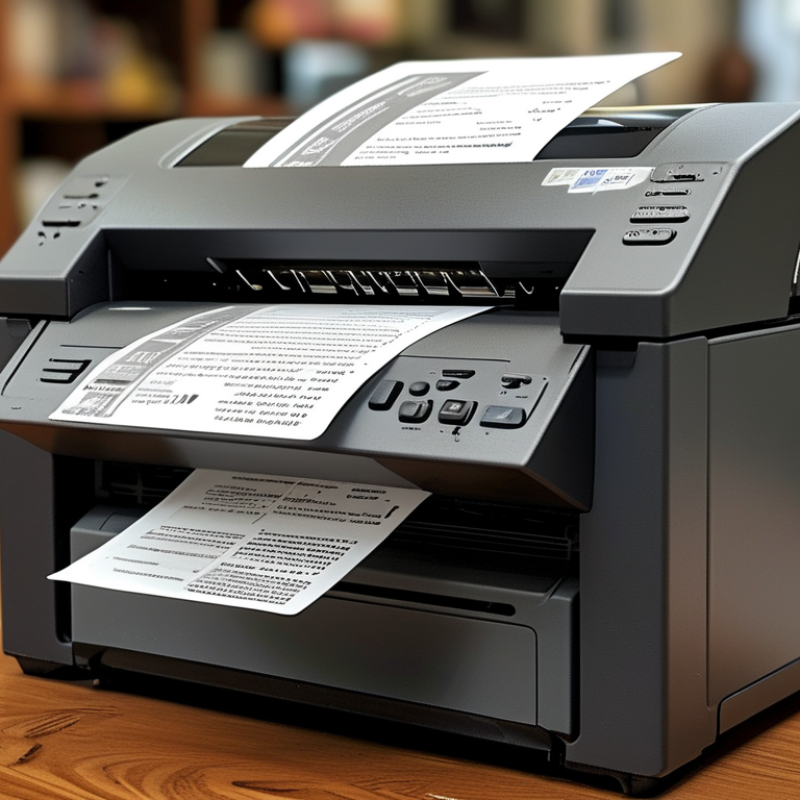
Understanding the basics of thermal printers is crucial when selecting one for your needs. Thermal printers use heat to print images on specialized paper. They are commonly used in shipping, retail, and various business environments. Knowing how they operate helps in making an informed choice.
When choosing a thermal printer, consider the print quality. High-resolution printouts ensure clarity. This is particularly important for barcodes and labels. Another factor is the printer's speed. Faster printing can boost productivity in busy settings. Evaluate how much volume you will be printing daily.
Tips for selecting the right thermal printer include checking compatibility. Ensure that the printer works smoothly with your current systems. Think about the type of thermal printing you need: direct thermal or thermal transfer. Each has its own advantages. Finally, weigh the cost of consumables. Inconsistent pricing for paper and ribbons can affect your budget. Keeping these details in mind can guide you to a satisfying choice.
| Feature | Description | Importance |
|---|---|---|
| Print Quality | Resolution and clarity of prints, measured in DPI (dots per inch). | High importance for labels and barcodes. |
| Print Speed | Speed at which the printer can produce prints, typically measured in mm/second. | Essential for high-volume printing environments. |
| Connectivity Options | Available interfaces such as USB, Ethernet, or Bluetooth. | Important for integration with existing systems. |
| Compatibility | Ability to work with various operating systems and software. | Critical for ease of use and implementation. |
| Size and Weight | Dimensions and portability of the printer. | Relevant for space-constrained environments. |
| Cost | Initial price and ongoing operational costs like consumables. | Key factor in budget planning. |
When considering thermal printers, it’s essential to understand the different types available.
Direct thermal printers, for example, produce images by heating specific areas of thermal paper. This method is commonly used for shipping labels and receipts. According to a report from Smithers Pira, direct thermal printing has a growing market, projected to reach $23 billion by 2025. These printers are often compact and affordable, making them ideal for small businesses.
Another type is thermal transfer printers, which use a ribbon to transfer ink onto various materials.
This type is well-suited for applications that require durable labels, such as in manufacturing or chemical industries. The durability of the prints created by thermal transfer technology can withstand extreme conditions. A 2022 study indicated that thermal transfer printers boast a higher lifespan, reaching up to 5 years in harsh environments without fading.
It's also crucial to mention mobile thermal printers, which have surged in popularity. Many industries use these devices for on-the-go printing needs. Field workers find them indispensable for invoices and service reports.
However, while mobile options are convenient, their print quality may sometimes fall short. Users might experience issues with battery life or connectivity, reflecting the trade-offs necessary for portability. Ultimately, selecting the right thermal printer involves weighing these characteristics against specific operational needs.
When selecting a thermal printer, several key features can greatly impact your choice. Print speed is a crucial aspect. According to a recent industry report, modern thermal printers can achieve speeds up to 300 mm per second. This can significantly improve workflow efficiency in retail and logistics settings. However, be aware that higher speeds may lead to increased wear on the printer components. Regular maintenance will be necessary to ensure longevity.
Print quality is another vital feature. Many users prioritize resolution over speed. A common standard is 203 DPI, which produces sharp and clear labels. Some advanced models offer higher resolutions, closer to 300 DPI. While these may provide better clarity, they often come at a higher price point. Assessing the application of your prints will help determine which resolution is adequate.
Connectivity options are also worth considering as they enhance usability. Wireless capabilities are becoming standard, allowing printers to connect seamlessly to various devices. However, potential connectivity issues can arise in crowded environments. Ensuring a reliable network setup is important. Ultimately, focusing on these features can help you to select a thermal printer that meets your needs while remaining mindful of potential challenges.
When selecting a thermal printer, evaluating
print quality and speed is crucial. Research indicates that nearly 80%
of users prioritize print quality
over price. Thermal printers produce sharp images and text.
They excel in environments where labels, receipts, or tags
are necessary. According to a recent industry report, a resolution of at least 203 dpi
is standard for optimal clarity. Users should assess their specific needs. High-resolution printing
enhances readability, especially for smaller fonts.
Speed is another essential factor to consider. On average, thermal printers can output around
40 to 300 mm per second. A higher speed is vital in busy settings like retail transactions.
However, users should note that faster printers often consume more power. This trade-off can
affect overall efficiency. A balance between speed and
power consumption is important.
Users may also reflect on their experiences with various printers. Sometimes, a printer's speed
may lead to compromised quality if not aligned properly. Understanding the specifications is
key to informed choices. A well-rounded decision will enhance results
and ultimately, user satisfaction.
When selecting a thermal printer, cost is a critical consideration. The initial investment can vary widely. Entry-level models might cost around $100, while high-end versions can exceed $1,000. According to industry reports, businesses should allocate an additional 30% of the initial cost for supplies like thermal paper and maintenance. This ongoing expense can add up significantly.
Budgeting for supplies is essential. The average cost of thermal paper rolls can be around $20 for a pack of 10. This frequent replacement could be a surprise. Moreover, certain models might require specialized ribbons, inflating long-term costs. Regular maintenance is necessary to ensure optimal performance. Skimping on quality supplies can lead to more frequent breakdowns.
To make cost-effective choices, consider consulting industry reports. These documents provide updated insights on long-term savings versus initial expenses. Analyze your printing volume. High-volume users benefit from bulk purchasing discounts. Do check if your selected model has a reputation for low operational costs.
Prioritize research about warranty and support services. The right support can save you money on repairs down the line. Remember to factor in potential downtime costs. Your printer choice impacts overall efficiency. Stay informed; your investment deserves careful scrutiny.
: The main types are direct thermal printers, thermal transfer printers, and mobile thermal printers.
They produce images by heating specific areas of thermal paper, suitable for labels and receipts.
They use a ribbon to transfer ink, creating durable labels for manufacturing and chemical applications.
Users prioritize print quality; a resolution of at least 203 dpi ensures optimal clarity, especially for small fonts.
Typical speed ranges from 40 to 300 mm per second, essential for busy environments like retail.
Initial costs can vary widely, with ongoing supplies like thermal paper adding significant long-term expenses.
Mobile printers offer convenience, but users may face issues with battery life that can impact usability.
Regular maintenance ensures optimal performance, and skimping on supplies can lead to breakdowns.
Consulting industry reports, analyzing printing volume, and considering bulk purchasing can lead to savings.
Faster printers may consume more power, balancing speed with efficiency can be challenging.
When selecting the best thermal printer, it's essential to grasp the basics of how these devices operate and the various types available for different applications. From direct thermal to thermal transfer printers, understanding these distinctions will help you choose a suitable model for your specific needs, whether for labels, receipts, or shipping.
Key features to consider include print quality and speed, which are crucial for efficiency. Evaluating these alongside cost factors, such as the initial investment and ongoing supplies required, will ensure that you find a thermische Printer that meets both your budget and operational demands. Ultimately, taking the time to assess these elements will lead to a more informed and beneficial purchasing decision.
