
How Does a Thermal Printer Work for Global Buyers?

Time:2026-08-20 Author:Amelia
0%

Thermal printers have become a vital part of modern printing technology. Many global buyers are keen to understand how these devices work. Expert Jean Dupont, a leading figure in the printing industry, once noted, "Understanding how a thermal printer operates is crucial for effective utilization." His insight reflects the growing demand for knowledge in this area.

For those asking, "Comment Fonctionne Une Imprimante Thermique?" the answer lies in the way these devices generate heat. They apply heat to special thermal paper, which reacts to create images or text. This process is efficient and reliable, making thermal printers a preferred choice in various sectors, from retail to logistics.

Many still find thermal printing complicated. Misunderstandings about its mechanisms can lead to improper usage. A clear grasp of the technology can result in better performance. With the right knowledge, global buyers can maximize their investments and streamline their processes effectively.
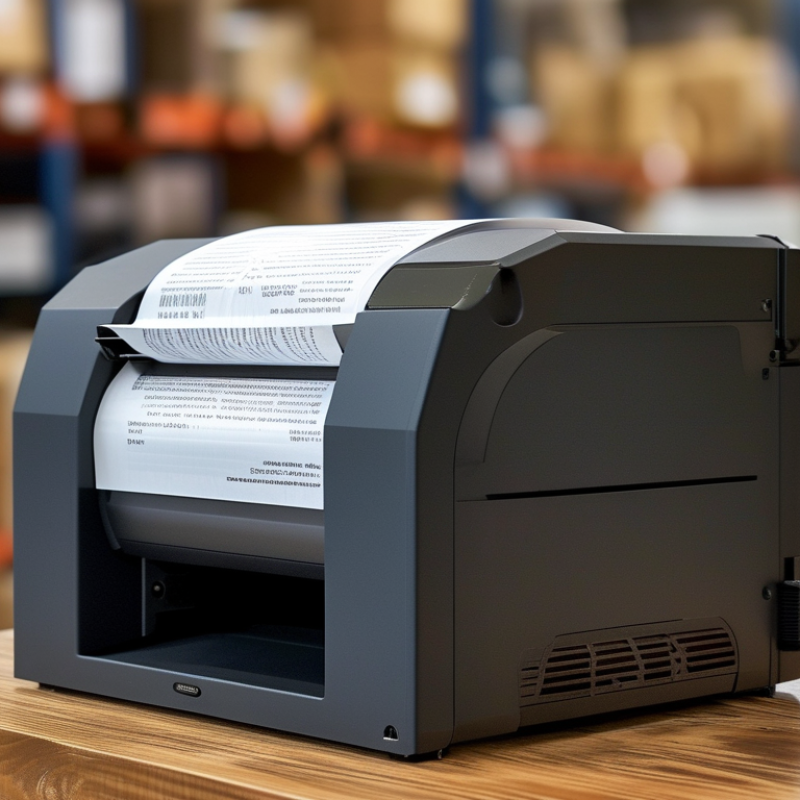
How Does a Thermal Printer Work for Global Buyers?

Overview of Thermal Printing Technology

Thermal printing technology has transformed how businesses handle printing needs. This method uses heat to create images on special thermal paper. It eliminates the need for ink or toner, making it a more efficient option. Thermal printers are widely used for receipts, labels, and barcodes. Their quick printing speeds and low maintenance make them attractive for various industries.

The process involves heating specific elements in the printer head. When these elements heat up, they transfer heat to the thermal paper. This causes a chemical reaction that produces dark images. Users often appreciate the clarity and quality of these prints. However, the longevity of thermal prints is sometimes a concern. Over time, exposure to light and heat can fade the printed images. This issue requires users to consider storage conditions carefully.

Many are drawn to this technology for its cost-effectiveness. It can reduce material expenses since there's no need for ink. Despite the benefits, businesses should weigh the drawbacks. Not all thermal printers are suitable for high-volume tasks. Choosing the right equipment can be challenging. Understanding these details will help buyers make informed decisions.

Types of Thermal Printers and Their Applications

Thermal printers are essential tools used across various industries. These devices operate through heat to transfer ink onto paper. Their simple mechanism is why they are popular. In the market, there are two primary types: direct thermal printers and thermal transfer printers.

Direct thermal printers use heat-sensitive paper. The printer head heats specific areas on the paper, creating images. This method is common in shipping labels and receipts. It’s efficient but requires careful paper handling. If exposed to heat or light, the prints can fade quickly. On the other hand, thermal transfer printers use a ribbon. The heating elements melt the ribbon onto the medium. This technique produces high-quality images. It’s suitable for products needing durability, like barcode labels.

Each printer type has its applications. Retailers often use direct thermal printers for quick receipts. Businesses needing permanent labels tend to choose thermal transfer printers instead. Each method presents unique advantages and challenges. Quality control is essential for achieving consistent outputs. With many choices available, buyers must consider their specific needs.

Key Components of a Thermal Printer

Thermal printers are widely used due to their cost efficiency and ease of use. Understanding their key components is critical for global buyers. The primary elements include the thermal print head, thermal paper, and control circuitry. The print head heats up to transfer ink onto the thermal paper, which is coated with a heat-sensitive layer. Reports indicate that thermal printers can reduce printing costs by 40% compared to traditional ink-based printers.

A crucial factor for effective printing is the thermal paper quality. Not all thermal papers perform equally. Poor quality can lead to fading prints and inconsistent output. Data from industry analysts suggest that investing in high-quality thermal paper can enhance print longevity by up to 30%.

When choosing a thermal printer, consider usability and maintenance factors. Check how easy it is to load paper and clean the print head. Tips for maintenance include regularly checking the print head for debris and using the recommended cleaning kits. This ensures optimal performance and longevity of the printer. Always think about the sustainability of your choices, as some thermal papers may contain harmful chemicals.

The Thermal Printing Process Explained

Thermal printing is a fascinating technology widely used today. It operates on the principle of heat transfer. The process begins when an electric current heats up a thermal print head. This generates heat, which activates specially coated thermal paper. The coating reacts to heat, producing visible marks or text.

Different types of thermal printing exist, including direct thermal and thermal transfer. Direct thermal printing uses heat-sensitive paper. It can fade over time when exposed to sunlight or heat. Thermal transfer, on the other hand, uses ribbons. This method is often more durable and produces sharper images. However, it can be more complex and require maintenance.

Understanding thermal printing helps buyers make informed choices. Often, users encounter issues with thermal printers, such as paper jams or inconsistent print quality. Choosing the right type for specific needs is crucial. While thermal printing is generally reliable, not all brands provide the same level of quality. Exploring multiple options is wise to avoid pitfalls in selection.

Advantages and Disadvantages of Thermal Printing

Thermal printing has become a popular choice across various industries. It offers distinct advantages that can enhance efficiency. For instance, thermal printers operate quietly and at a rapid pace. They can print up to 300mm per second, making them ideal for high-volume environments. A study from the Association for Printing Technologies noted that thermal printing can reduce operational costs by up to 30%.

Yet, there are disadvantages to consider. Thermal prints can fade over time, especially when exposed to heat and light. Reports indicate that thermal papers may lose legibility within months if not stored correctly. Additionally, the requirements for specialized thermal media can add to costs. Users must also ensure that the printer’s thermal head is maintained, as wear and tear can lead to inconsistent print quality.

The choice of thermal printing should be context-dependent. While it is advantageous for short-term applications like receipts and labels, its long-term durability is questionable. Being aware of these factors can help buyers make informed decisions about adopting thermal printers in their business operations.

How Does a Thermal Printer Work for Global Buyers? - Advantages and Disadvantages of Thermal Printing

Feature Description
Printing Technology Thermal printers use heat to transfer ink onto the paper, providing quick and silent printing.
Advantages Fast printing speeds, low operating costs, minimal noise, and simple design.
Disadvantages Limited color options, fade over time, and thermal paper sensitivity to heat and light.
Common Applications Shipping labels, receipts, tickets, and barcodes.
Environmental Considerations Thermal printers use less energy and can help reduce paper waste through efficient printing.

FAQS

: What is thermal printing technology?

: Thermal printing uses heat to create images on special thermal paper. It doesn't require ink or toner.

What are the main benefits of thermal printers?

They are efficient, quick, and low-maintenance. They work well for receipts, labels, and barcodes.

What are the types of thermal printers?

There are two main types: direct thermal printers and thermal transfer printers. Each serves different applications.

How does a direct thermal printer work?

It uses heat-sensitive paper and creates images by heating specific areas. However, prints can fade quickly if not handled properly.

What is the downside of thermal printing?

Thermal prints can fade over time, especially when exposed to light and heat. This affects their longevity.

Can thermal printers handle high-volume tasks?

Some thermal printers may struggle with high-volume printing. Choosing the right type is essential for efficiency.

How can users maintain print quality?

Regular maintenance of the printer’s thermal head is necessary to avoid wear and inconsistent quality.

Are thermal prints suitable for long-term use?

Thermal prints are best for short-term applications. Businesses should consider durability for long-term needs.

What should buyers consider before purchasing thermal printers?

Buyers need to assess their specific printing needs, costs, and storage conditions for thermal papers.

Are there specific storage conditions for thermal prints?

Yes, storing thermal prints away from heat and light can help maintain their legibility over time.

Conclusion

Thermal printing technology has revolutionized the way businesses produce labels, receipts, and various printed materials. This process relies on heat to transfer ink from a ribbon or directly onto heat-sensitive paper. There are two main types of thermal printers: direct thermal printers, which use heat-sensitive media, and thermal transfer printers, which use a ribbon to create durable prints. Each type has its unique applications, from retail and shipping to healthcare.

The key components of a thermal printer include the print head, control circuit, and media feed mechanism, all of which work together to create an image on paper. Understanding "Comment Fonctionne Une Imprimante Thermique" involves recognizing its advantages, such as fast printing speeds and low maintenance requirements, while also considering potential disadvantages like print longevity and media compatibility. Overall, thermal printers play a crucial role in various industries by streamlining printing processes and providing efficient solutions for businesses globally.

Amelia

Amelia

Amelia is a seasoned marketing professional with a wealth of expertise in our company’s core offerings. With an unwavering passion for driving growth and innovation, she plays a pivotal role in shaping our marketing strategies and enhancing brand visibility. A key aspect of her responsibilities......