
Thermal printers are essential for efficient printing in today’s fast-paced world. Their technology streamlines processes across various industries. According to industry expert Jan Kowalski, “Jak Działa Drukarka Termiczna is foundational for modern printing solutions.” His insights highlight the importance of understanding this technology.
Thermal printers work by applying heat to specialized thermal paper. They produce precise images and text through this process. As businesses increasingly rely on speed and accuracy, thermal printers meet these needs effectively. However, many overlook their maintenance requirements. Neglecting regular checks can lead to reduced performance.
Moreover, while thermal printing is highly efficient, it has some limitations. For example, its inability to print in color can be a drawback for certain applications. As we explore the intricacies of thermal printing, understanding both its strengths and weaknesses becomes crucial for optimizing its use in various contexts.
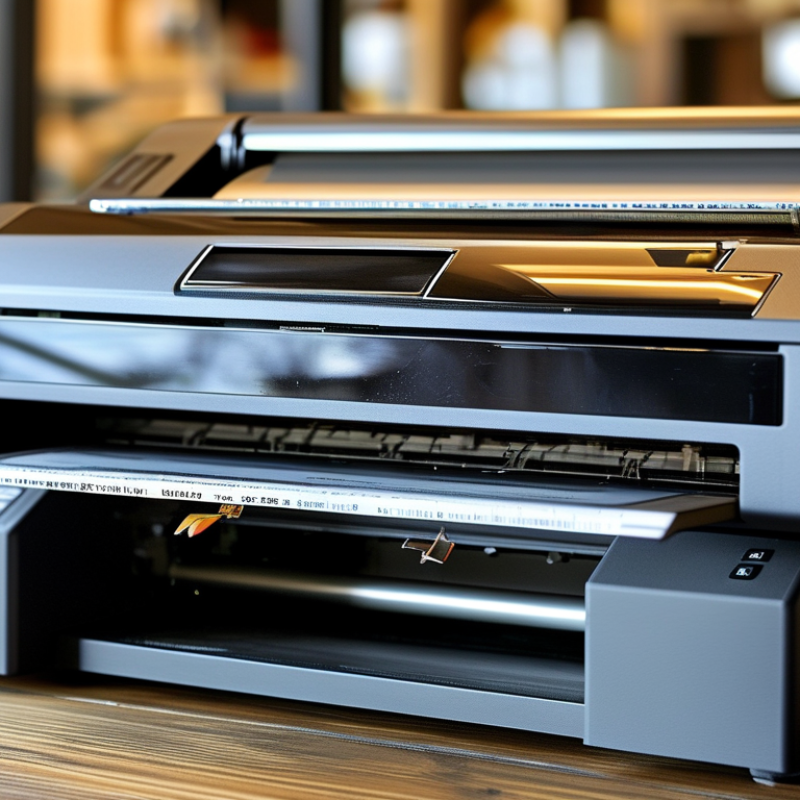
Thermal printing technology utilizes heat to transfer images onto paper. It is widely used in various applications, including receipts, labels, and product packaging. This method can achieve a high printing speed, making it suitable for environments where efficiency is crucial. According to a study by Smithers Pira, the global thermal printing market is expected to grow significantly, reaching over $36 billion by 2025.
The technology operates on two main principles: direct thermal and thermal transfer. Direct thermal printers use heat-sensitive paper, which darkens when exposed to heat. In contrast, thermal transfer printers use a heat ribbon to transfer ink onto the substrate. This results in more vibrant graphics and is ideal for long-lasting prints. Data shows that thermal transfer printing can produce up to 300 dpi, ensuring clarity and detail for essential labels.
Tips: Always use recommended paper types for better print quality. Regular maintenance of the printer can prevent discrepancies and maintain efficiency. Be mindful that overuse of thermal printers might result in print head wear, affecting performance. It’s essential to evaluate your printing needs regularly, ensuring that thermal printing remains the best choice for your operations.
Thermal printers are widely used for their efficiency. They use heat to produce images on paper. There are two main types: direct thermal and thermal transfer. Understanding these types can help in choosing the right printer for specific needs.
Direct thermal printers work by applying heat to specially coated thermal paper. This process creates images without ink or toner. It’s a simplified method, leading to low maintenance. However, the prints can fade over time when exposed to heat or light. This limitation makes them less ideal for long-term records.
On the other hand, thermal transfer printers use a ribbon that melts ink onto the surface. This results in sharper and more durable prints. It’s suitable for labels that need to withstand harsh environments. However, the upfront cost is often higher due to the need for ribbons. Users must assess the balance between cost and quality for their specific applications.
| Printer Type | Printing Method | Cost Efficiency | Best Usage | Speed |
|---|---|---|---|---|
| Direct Thermal Printers | Heat-sensitive paper | Low operating costs | Shipping labels, receipts | Fast printing, up to 300mm/sec |
| Thermal Transfer Printers | Ink ribbons on various materials | Higher ribbon costs | Durable labels, barcodes | Moderate speed, up to 200mm/sec |
| Commercial Thermal Printers | Variable methods based on application | Cost varies by type | High-volume printing, industrial use | Very fast, speed varies |
Thermal printers are recognized for their efficiency and simplicity. Their primary components include the thermal print head, platen roller, and paper feed mechanism. The thermal print head consists of tiny heating elements that create images on specially coated thermal paper. This process requires minimal intervention and allows for quick, high-quality prints.
The platen roller is crucial; it applies pressure to the paper while the print head transfers the image. This ensures clear and accurate printing. Around 70% of businesses rely on thermal printers for labels and receipts due to their speed and low operating costs. Reports indicate that the market for thermal printers will grow by 5% annually as efficiency demands rise.
Analyzing the thermal printing process reveals areas for improvement. For example, the dependency on thermal paper can lead to environmental concerns. The durability of printed materials also poses a challenge. Users often notice fading prints over time, which is not ideal for long-term records. These factors remind us that while thermal printers are efficient, there is still a need for advancements in material technology.
Thermal printers play a pivotal role in modern printing technology. They convert digital data into printed material using thermal transfer and direct thermal methods. This process begins when a digital signal is sent from a device. The printer then activates its print head, which generates heat. This heat is strategically applied to thermal paper, causing a chemical reaction that produces text or images.
In 2022, the global thermal printer market was valued at approximately $5.1 billion. It is projected to grow at a CAGR of 6.2%, reflecting rising demand in sectors like retail and logistics. A key reason for this growth is thermal printing’s efficiency. The units require no ink or toner, drastically reducing operational costs.
However, limitations exist. Thermal printers only work with specific materials, making them less versatile. The durability of prints can also be questioned. Prolonged exposure to heat and light can fade printed images. Industry studies indicate that while thermal printers excel in speed and cost-effectiveness, their longevity must be considered, particularly in high-use environments. Enhancements are ongoing as manufacturers strive for improved print longevity and broader media compatibility.
Thermal printing is an efficient technology widely used in various industries. It employs heat to transfer ink onto paper, providing high-quality prints without the need for traditional ink cartridges. These printers are popular for their speed and durability, making them suitable for labels, receipts, and barcode printing.
One major advantage of thermal printing is its cost-effectiveness. Since it requires minimal consumables, businesses save money over time. Additionally, thermal printing systems work quietly and swiftly, allowing for quick transactions in retail sectors. This efficiency leads to improved customer satisfaction and reduced wait times.
Tips: Regular maintenance is crucial. Clean the print head periodically to ensure optimal performance. Also, consider the type of thermal paper. Not all paper is created equal; using quality paper will result in clearer prints and longer-lasting labels.
Thermal printers are widely used in logistics and inventory management. They help streamline operations, enabling efficient tracking of products. However, one must reflect on the limitations. For example, thermal prints may fade over time, especially when exposed to heat and light. Understanding these factors allows businesses to make informed decisions on their printing needs.
: The main components include the thermal print head, platen roller, and paper feed mechanism.
They use tiny heating elements in the print head on coated thermal paper. Heat causes a chemical reaction.
They are valued for speed and low operating costs, with 70% of businesses relying on them for labels and receipts.
Environmental concerns arise due to dependency on thermal paper. Printed materials may fade over time.
The market is expanding due to rising efficiency demands, projected to grow 5% annually.
It requires no ink or toner, decreasing expenses for businesses.
Printed images can fade when exposed to heat and light, impacting long-term usability.
No, they only function with specific materials, limiting their applications in various settings.
Manufacturers are focused on improving print longevity and expanding media compatibility.
Companies must consider long-term durability and environmental impacts of thermal materials used.
Thermal printers are innovative devices that utilize heat to produce prints efficiently. The technology behind them can be divided into two main types: direct thermal and thermal transfer. Direct thermal printers use heat-sensitive paper to create images, while thermal transfer printers use a ribbon to transfer ink onto the substrate. Key components such as heating elements, print heads, and media handling systems play crucial roles in this printing process.
The process of how thermal printers convert digital data to print involves precise heating of the print head to create patterns on the surface of the material. This technology offers numerous advantages, such as faster printing speed, reduced maintenance, and cost-effectiveness, making it ideal for various applications ranging from shipping labels to receipts in retail environments. Understanding "Jak Działa Drukarka Termiczna" can help users appreciate the efficiency and convenience these printers bring to modern printing needs.
