Thermal printers have transformed industries with their efficiency and speed. In China, the rise of thermal printing technology is notable, with recent reports indicating that the market is expected to grow by 7.5% annually. A leading expert in the field, Dr. Klaus Berger, emphasizes, "Understanding 'Wie Funktioniert Ein Thermodrucker' is crucial for leveraging its full potential." His insights highlight the importance of grasping the underlying mechanics of thermal printers.
These printers operate through a process where heat is applied to specially coated paper. As a result, images or text are produced almost instantaneously. However, the technology is not without its flaws. Issues such as print head wear and ink quality can impact performance. Additionally, many businesses still overlook proper maintenance, which can lead to inconsistent results. Understanding how to navigate these challenges is essential for maximizing operational efficiency.
The growing demand for reliable printing solutions is reshaping the market. Companies must balance cost and quality, often leading to tough decisions. Familiarity with technologies like thermal printing is no longer optional; it’s a requirement for success in today's fast-paced environment.
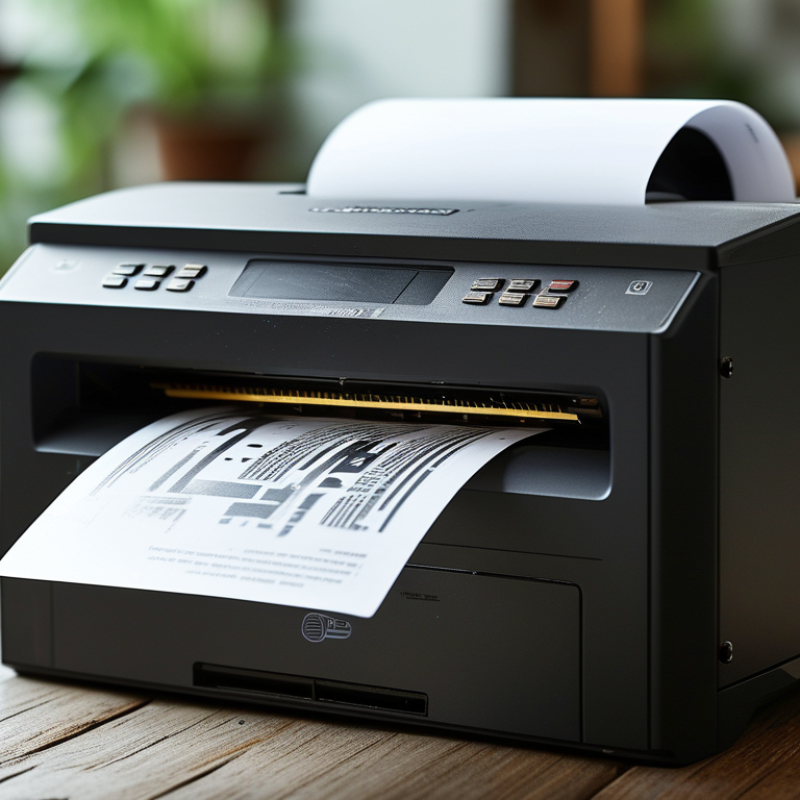
Overview of Thermo Printers in China
Thermo printers are becoming increasingly popular in China, particularly in industries like retail and logistics. These printers utilize heat to transfer ink onto various materials, making them efficient and cost-effective. According to recent industry reports, the demand for thermo printers has surged by over 12% annually. This growth reflects their essential role in improving operational efficiency.
Understanding how these printers function is crucial. They work by applying heat to special thermal paper or ribbons, which produces clear images and text. This technology eliminates the need for ink cartridges, resulting in less waste and lower maintenance costs. Users often appreciate their speed and ability to produce high-quality prints quickly.
**Tip:** Regularly clean your printer head to avoid smudging and improve print quality.
Despite their benefits, there are also challenges. For example, thermal paper can fade over time, affecting the longevity of printed materials. Users must be aware of proper storage conditions to mitigate this issue.
**Tip:** Store printed documents in a cool, dry place to enhance their lifespan.
While thermo printers are advantageous, continuous advancements in technology lead to evolving user expectations. The market is competitive, pushing manufacturers to innovate. Embracing these changes is key for businesses looking to stay ahead in this dynamic environment.
Top 10 Thermo Printers in China - Performance Comparison
Principles of Thermal Printing Technology
Thermal printing technology is a widely used method for producing high-quality prints. It operates on the principle of heat transfer to create images on paper. A thermal printer uses a heated printhead to selectively heat areas of special thermal paper. This reaction causes a chemical change in the paper, producing the desired image or text. The process can be fast and efficient, making it suitable for various applications.
Many users appreciate the simplicity of this technology. It requires fewer moving parts, which can lead to lower maintenance needs. However, the choice of paper is crucial. Using the correct thermal paper can significantly impact print quality and longevity. Thermal printing works best in environments where prints are handled properly, as exposure to heat or sunlight can degrade the printed material.
Tips:
Ensure your thermal printer is regularly cleaned to maintain optimal performance. Avoid prolonged exposure of printed materials to direct sunlight, which can cause fading. Store thermal paper in a cool, dry place to prevent damage. Remember, while thermal printing is efficient, not all applications benefit from it. Consider your specific printing needs before choosing this method.
Components of a Thermo Printer Explained
Thermal printers operate using a straightforward mechanism that is easy to understand. At their core, these devices use heat to transfer ink onto paper. The primary components include the thermal printhead, the paper, and an interface. The thermal printhead contains tiny heating elements. These elements create images by selectively applying heat to the thermal paper.
The thermal paper is coated with a heat-sensitive layer that turns dark when heated. This process produces clear images, making thermal printers ideal for printing receipts and labels. While this technology has its advantages, it isn't without flaws. For example, the printed text can fade over time due to exposure to heat and light.
Another aspect to consider is the printer's interface. It connects the printer to a computer or another device, enabling data transfer. However, issues like compatibility can arise. Not all printers support all types of interfaces. Understanding these components helps users make informed choices.
China Top 10 Thermo Printers - Components of a Thermo Printer Explained
| Feature |
Description |
| Print Head |
The component that generates heat to transfer ink from the ribbon to the media. |
| Media Sensor |
Monitors the presence of media and ensures proper alignment during printing. |
| Control Board |
The brain of the printer, managing operations and communication with the software. |
| Thermal Ribbon |
A consumable item coated with ink that is heated to transfer images onto the media. |
| Printing Media |
The substrate onto which the images are printed, such as labels or receipts. |
| Power Supply |
Provides the necessary electrical energy to operate the printer. |
| Interface Ports |
Connectors that allow the printer to communicate with other devices (e.g., USB, Ethernet). |
| Housing |
The outer shell that protects internal components and provides structural integrity. |
| Cooling System |
Prevents overheating of components during extended use. |
Popular Brands and Models in China's Market
In China's competitive market, several thermo printer brands stand out. Research indicates that the country's demand for
thermal printing technology is projected to increase by 8% annually. This growth
is fueled by sectors like retail, logistics, and healthcare. Popular models can handle
direct thermal and thermal transfer printing,
showcasing versatility.
Key features drive consumer choices.
Many models emphasize speed and reliability. For instance, a printer can produce labels at speeds
up to 200mm per second. However, some users report issues with print quality
over time, highlighting the need for ongoing maintenance. Moreover, the cost of printers can vary significantly. Buyers should weigh
price against features, especially for large-scale operations.
Sustainability is another concern. As industries shift towards eco-friendly
practices, printers that use thermal transfer technology with recyclable materials are gaining traction. Yet, some brands lag in
transparency regarding material sourcing. This leads to questions about corporate responsibility. Addressing these
shortcomings will be vital for future growth in the industry.
Applications and Uses of Thermo Printers in Various Industries
Thermo printers are widely used across various industries. These printers use heat to produce images on thermal paper. They are popular for their efficiency and cost-effectiveness. Retailers often employ them for printing receipts. The resulting printouts are clear and durable, making them ideal for high-volume transactions.
In logistics and shipping, thermo printers take center stage. They create labels for packages quickly and accurately. The ability to print barcodes enhances tracking capabilities. However, while effective, these printers face limitations. For instance, thermal printing can fade over time, especially in heat-sensitive environments. This may lead to complications in inventory management and shipment tracking.
In healthcare, thermo printers play a crucial role. They generate patient labels, wristbands, and medication instructions. Clarity here is vital for safety. Yet, challenges arise when printers malfunction. This can disrupt services and delay patient care. It’s essential for organizations to have backup plans in place to address potential printer failures. Balancing efficiency with reliability is key in these settings.
FAQS
: They are efficient, cost-effective, and produce clear images quickly without using ink cartridges.
It uses heat to transfer ink onto thermal paper, creating images by applying heat selectively.
Thermal paper can fade over time, reducing the longevity of printed materials. Proper storage is essential.
Store them in a cool, dry place to prevent fading and damage from heat and light exposure.
Speed, reliability, print quality, and maintenance needs are key considerations when selecting a printer.
Yes, not all printers support every interface type, leading to potential data transfer problems.
Demand is expected to increase by over 8% annually, driven by various sectors like retail and logistics.
Users report print issues over time, indicating that regular maintenance is crucial for sustaining quality.
Some brands lack transparency about material sourcing, raising questions around eco-friendly practices.
Certain models can produce labels at rapid speeds, up to 200mm per second, enhancing operational efficiency.
Conclusion
Thermal printers have gained significant traction in China, known for their efficiency and ease of use. Understanding "Wie Funktioniert Ein Thermodrucker" involves recognizing the principles behind thermal printing, where heat is applied to special thermal paper to produce an image or text. This method eliminates the need for ink or toner, making it a cost-effective solution for many industries.
The components of a thermal printer include the print head, which generates heat, and the thermal paper that reacts to this heat. These printers are widely utilized in various applications, such as retail for receipts, logistics for shipping labels, and even in healthcare for patient wristbands. Their versatility and reliability make thermal printers an essential tool across multiple sectors in the Chinese market.