
In today's fast-paced business world, understanding how to choose a thermal printer is crucial. According to a report by the International Data Corporation (IDC), the global printer market is projected to grow by 3.5% annually through 2026, highlighting the increasing importance of efficient printing solutions in business operations. Thermal printers are becoming the preferred choice for many industries due to their speed, reliability, and cost-effectiveness.
Choosing the right thermal printer can greatly impact your business’s efficiency. For instance, a recent survey by Gartner indicates that companies save an average of 30% on printing costs when they switch to thermal printing technology. However, selecting the right model involves considering factors such as print speed, connectivity, and overall durability. Each business has unique needs, and it can be easy to overlook critical features during selection.
Reflecting on the growth trends and user feedback is essential. Inadequate research can lead to purchasing low-quality printers, resulting in operational disruptions. A thermal printer should not only meet your immediate needs but also adapt to future demands. Understanding how to choose a thermal printer will ensure your business is equipped with the best technology for long-term success.
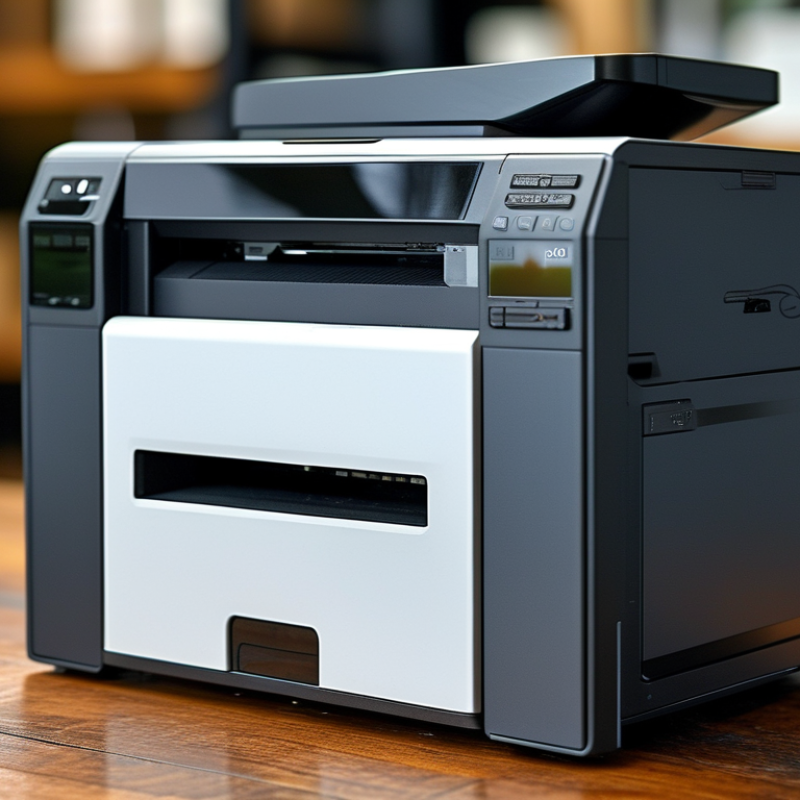
Thermal printers have become a popular choice for businesses due to their efficiency. Understanding their types is crucial for making the right decision. The two main types are direct thermal and thermal transfer.
Direct thermal printers use heat-sensitive paper. They create images by applying heat directly to the media. This method is simple and cost-effective but lacks durability over time.
On the other hand, thermal transfer printers use a ribbon to transfer ink onto the media. This approach produces longer-lasting prints, making it suitable for labels and tags. It's common to see these printers in warehouses and retail spaces. However, businesses must consider their specific needs. The initial cost of thermal transfer printers can be higher. It's essential to weigh the upfront investment against potential long-term benefits.
Choosing the right technology is equally vital. Some printers are designed for high-volume printing, while others excel in speed. Keep in mind that frequent use may lead to wear and tear. Reflect on how often the printer will be used. This can influence the choice significantly. Overall, an informed decision requires thorough research and understanding of your unique business requirements.
When selecting a thermal printer for business, key features must be carefully evaluated. One crucial element is print speed. According to industry reports, a printer with a speed of at least 150 millimeters per second ensures efficiency. Businesses often overlook this, leading to bottlenecks in operations.
Print quality is another significant factor. The resolution should ideally reach 203 dpi or higher. Studies indicate that nearly 40% of businesses face issues due to poor print quality, leading to customer dissatisfaction. Clarity in barcodes and labels is essential for inventory management.
Connectivity options are also vital. Many models now support wireless connections, reducing clutter and improving accessibility. Wireless capabilities have become increasingly important, especially for mobile-focused businesses. With almost 60% of retail transactions now being influenced by mobile devices, adopting printers with versatile connectivity before 2026 is wise. Businesses must assess how these features align with their operations to make informed choices.
When choosing a thermal printer for business, print speed and quality are critical factors. A study by Smithers found that businesses can process 45% more transactions with faster printers. With print speeds exceeding 300 mm per second, high-performance models can significantly boost efficiency. However, quality can suffer if speed is prioritized excessively. Aim for a balance to ensure that both speed and output quality meet your business needs.
Tips: Look for a printer with a DPI rating of at least 300 for clear and detailed prints. High-resolution output is essential for professional documents. Don't overlook the importance of print durability as well. For instance, thermal prints can fade if exposed to heat and ambient light.
In addition to speed and quality, consider the long-term printing cost. Some printers may offer low upfront costs but have expensive consumables. In fact, the cost-per-label can vary greatly. Businesses should regularly reevaluate their needs and printer performance to avoid ongoing inefficiencies. Investing in the right printer can lead to considerable savings over time.
When choosing a thermal printer for your business, connectivity options play a crucial role. Research shows that 47% of businesses prioritize wireless connectivity for flexibility. Bluetooth and Wi-Fi connections allow for easy integration into existing networks. They enable remote printing from various devices, enhancing operational efficiency.
Wired connections, such as USB and Ethernet, still hold value. They offer stable performance, which is critical in high-demand environments. For example, a study indicated that USB-connected devices experience 20% fewer connectivity issues than wireless counterparts. This is vital when evaluating reliability and down-time costs.
Many businesses overlook the importance of compatibility. Ensuring the printer can integrate with your existing systems is essential. Some printers may only support specific protocols that could limit performance. Evaluating how a printer connects can save time and money in the long run. Balancing between wired and wireless options requires careful thought, focusing on both immediate needs and future growth.
| Model | Connectivity Options | Print Speed (mm/sec) | Resolution (dpi) | Average Price ($) |
|---|---|---|---|---|
| Model A | USB, Bluetooth | 150 | 203 | 300 |
| Model B | Ethernet, Wi-Fi | 200 | 300 | 450 |
| Model C | USB, Bluetooth, Wi-Fi | 250 | 200 | 600 |
| Model D | Ethernet, Bluetooth | 180 | 203 | 400 |
| Model E | Wi-Fi, Bluetooth | 210 | 300 | 550 |
When budgeting for a thermal printer, consider both initial and ongoing costs. The purchase price can vary significantly. Entry-level models may cost less, but they often lack durability. High-end printers provide robust features but demand a larger investment. Assess your business needs carefully before making a decision.
Maintenance is another crucial factor. While thermal printers generally require less upkeep, consumables still add to costs. Look into supply costs for thermal paper and print heads. These expenses can accumulate over time. Regular maintenance can prevent unexpected breakdowns. This not only impacts your budget but also affects productivity.
Monitor your usage patterns. An underutilized printer might not justify its cost. Conversely, a frequently used machine can lead to higher consumable expenses. It’s essential to analyze these factors to avoid overspending. Balance your budget with actual business needs. This can help in making an informed decision for long-term success.
: Print speed and quality are critical. Aim for a balance to meet your specific business needs.
Faster printers can improve transaction processing by up to 45%. However, overemphasis on speed may reduce quality.
A DPI rating of at least 300 is recommended for clear, detailed prints in professional documents.
Thermal prints can fade when exposed to heat and light. Consider durability when making your choice.
Assess the cost-per-label, as some printers have low upfront costs but expensive consumables.
Wireless options like Bluetooth and Wi-Fi are popular for flexibility, but wired options can offer better stability.
Ensure the printer integrates with your existing systems to avoid performance limitations and save time.
Regularly assess your printer performance and needs. This can help identify issues before they become costly.
USB and Ethernet provide stable performance and reduce downtime, essential in high-demand environments.
Consider both immediate needs and future growth. Balance is key between flexibility and reliability.
In the quest for the best thermal printer for your business, understanding the various types and technologies available is essential. Different thermal printers serve distinct purposes, so knowing your specific requirements will greatly influence your choice. Key features to consider include print quality, speed, and the ability to handle different materials. Evaluating print speed and quality ensures that the printer meets your business's operational needs without compromising efficiency.
Additionally, connectivity options are crucial in today's digital landscape, as seamless integration with other devices can enhance workflow. Lastly, conducting a cost analysis will help you budget not only for the initial purchase but also for ongoing maintenance, ensuring that you choose a thermal printer that delivers value. In summary, this guide provides a comprehensive approach on how to choose a thermal printer that aligns with your business objectives.
